- Company Articles
- FAQ
- FAQ
- Aluminum Guide Rail A FAQs: Answering Your Top Questions About Selection & Use

Aluminum Guide Rail A FAQs: Answering Your Top Questions About Selection & Use
Related Product
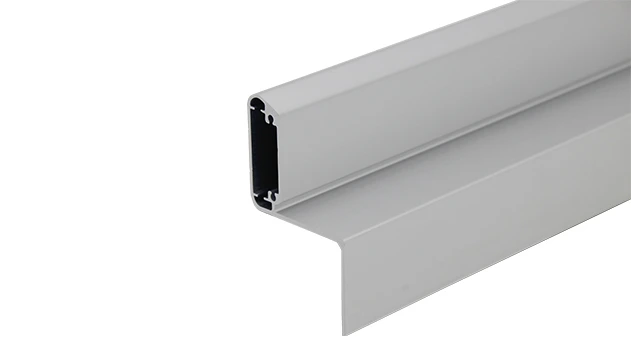
Aluminum Guide Rail A
The aluminum guide rails hold the transport goods securely on the roller track. For installation, the guide rails are simply pushed over the roller tracks.To protect sensitive products.
In the fast-paced world of manufacturing, where every second counts and efficiency is the backbone of success, choosing the right components can feel like solving a complex puzzle. Among the many pieces that keep production lines running smoothly, guide rails play a quiet yet critical role—guiding materials, supporting workflows, and ensuring that every movement contributes to a seamless process. If you've ever found yourself wondering which guide rail best fits your lean manufacturing system, or if you're curious about how Aluminum Guide Rail A stands out in the crowd, you're in the right place. Let's dive into the most common questions we hear from manufacturers, plant managers, and production teams, and unpack the answers with the clarity and practicality you need to make confident decisions for your facility.
1. What exactly is Aluminum Guide Rail A, and how does it integrate with lean manufacturing systems?
At its core, Aluminum Guide Rail A is more than just a piece of metal—it's a precision-engineered component designed to be the unsung hero of your production line. Crafted from high-grade aluminum alloy, it's built to guide, support, and streamline the movement of materials, parts, or products across workstations, flow racks, or conveyor systems. But what truly sets it apart is how it embodies the principles of lean manufacturing: flexibility, durability, and adaptability.
Imagine a guide rail that doesn't just "work" but grows with your needs. In lean systems, where continuous improvement is key, Aluminum Guide Rail A shines because it's lightweight yet robust, making it easy to reconfigure when your production layout changes. Whether you're assembling smartphones on a Lean Pipe Workbench, organizing components in a Flow Rack, or moving finished goods along a Conveyor, this rail acts as the reliable backbone that keeps everything aligned and efficient. It's not just a tool—it's a partner in reducing waste, minimizing downtime, and maximizing the value of every square foot in your facility.
2. What materials make up Aluminum Guide Rail A, and why should I choose it over traditional steel or plastic rails?
Let's start with the material: Aluminum Guide Rail A is forged from 6063-T5 aluminum alloy, a grade celebrated in manufacturing for its winning combination of strength, corrosion resistance, and lightweight properties. Unlike heavy steel rails that require extra effort to install and reposition, aluminum keeps things manageable—your team can adjust layouts without wrestling with bulky components, saving time and reducing physical strain.
Compared to plastic rails, which might warp under heavy loads or degrade in high-temperature environments, aluminum stands firm. It's built to withstand the daily grind of manufacturing—scratches, impacts, and exposure to oils or cleaning agents—without losing its structural integrity. And here's a bonus for the eco-conscious: aluminum is fully recyclable, aligning with the sustainability goals that many modern facilities prioritize. Think about it: a rail that lasts longer, adapts faster, and leaves a smaller environmental footprint. That's the Aluminum Guide Rail A difference.
| Feature | Aluminum Guide Rail A | Traditional Steel Rail | Plastic Rail |
|---|---|---|---|
| Weight | Lightweight (easy to handle) | Heavy (requires tools/team for movement) | Light but less durable |
| Corrosion Resistance | High (ideal for humid/damp environments) | Low (prone to rust without coating) | Moderate (may degrade in chemicals) |
| Flexibility | High (easy to cut, drill, and reconfigure) | Low (rigid, difficult to modify) | Moderate (can bend but lacks strength) |
3. Which industries or applications benefit most from Aluminum Guide Rail A?
If your industry thrives on precision, speed, and adaptability, chances are Aluminum Guide Rail A has a role to play. Let's take a closer look at where it truly excels:
3C Assembly (Consumer Electronics): When you're assembling delicate components like circuit boards or smartphone screens on a Lean Pipe Workbench, precision is non-negotiable. Aluminum Guide Rail A ensures that parts glide smoothly between stations without jamming or misalignment, reducing the risk of damage to sensitive electronics.
Automotive Manufacturing: From small parts like screws to larger components like dash panels, automotive production demands rails that can handle varied weights and constant movement. Aluminum Guide Rail A pairs seamlessly with Conveyor systems here, keeping assembly lines flowing without the bulk of steel.
Medical Device Production: Cleanliness and reliability are critical in medical settings. Aluminum's corrosion resistance means it stands up to frequent sanitization, making it a safe choice for guiding tools or parts in environments where sterility is paramount.
Warehousing & Logistics: In Flow Racks or order picking areas, where speed and organization matter, this rail ensures boxes, bins, or totes slide evenly, reducing the need for manual lifting and cutting down on picking errors. It's the quiet force that turns chaotic storage spaces into models of lean efficiency.
Simply put, if your workflow involves moving, sorting, or assembling items—whether small or large—Aluminum Guide Rail A is designed to make that process smoother, faster, and more reliable.
4. How does Aluminum Guide Rail A actually improve workflow efficiency in day-to-day operations?
Efficiency isn't just about speed—it's about consistency, reliability, and reducing the little frustrations that add up over a shift. Aluminum Guide Rail A tackles all three in ways that might surprise you.
First, consider alignment: Misaligned rails can cause jams, slow down material flow, or even damage products. Aluminum Guide Rail A's precision-machined edges ensure a snug fit with rollers, slides, or bins, so items move in straight, steady paths. No more stopping to fix a stuck bin or realign a misbehaving part—your team stays focused on tasks that add value, not troubleshooting.
Then there's adaptability. Let's say your production schedule ramps up, and you need to add a new workstation or expand a Flow Rack. With aluminum's lightweight design, reconfiguring the rail takes hours, not days. Your team can shift layouts during a weekend, and by Monday, the line is ready to go—no lost production time, no costly downtime. That's the kind of agility that turns "we can't" into "we can, and we'll do it efficiently."
And let's not forget ergonomics. Heavy steel rails require more muscle to install, increasing the risk of workplace injuries. Aluminum Guide Rail A is light enough for two people to handle easily, making setup and adjustments safer and less tiring. When your team isn't struggling with cumbersome equipment, they're more energized, more focused, and more productive. Efficiency, in this case, is as much about people as it is about parts.
5. Can Aluminum Guide Rail A be paired with other lean components like Lean Pipe Workbenches or Flow Racks? What does that integration look like?
Absolutely—and this is where Aluminum Guide Rail A truly becomes part of a system rather than a standalone component. Let's paint a picture of how it all comes together in a real-world scenario, say, a 3C assembly line:
At the start of the line, workers stand at a Lean Pipe Workbench, assembling circuit boards. Above the workbench, Aluminum Guide Rail A runs parallel to the table, guiding small bins of screws, capacitors, and chips along a mini Conveyor. As each board is completed, it slides down another Aluminum Guide Rail A into a Flow Rack, where it's organized by order number. From there, the Flow Rack uses the same rail to feed the next station, where workers add screens and casings. Every step is connected, every movement guided by the rail's smooth, reliable path.
The magic here is compatibility. Aluminum Guide Rail A is designed with standardized mounting points that align with common lean components—think T-slots for attaching brackets, pre-drilled holes for securing to Lean Pipe frames, or connectors that lock into Flow Rack uprights. You don't need custom tools or adapters; it works with the lean infrastructure you already have, or the new components you're adding. It's like building with modular blocks: each piece fits, so you can create exactly the workflow you need without starting from scratch.
6. What are the key dimensions and specifications of Aluminum Guide Rail A? How do I choose the right size for my needs?
Aluminum Guide Rail A comes in a range of sizes to fit different loads, speeds, and spaces, but the most common specifications are designed to balance versatility and performance. Here's a quick breakdown of the essentials:
| Parameter | Standard Options | Best For |
|---|---|---|
| Length | 1m, 2m, 3m (custom lengths available) | 1m-2m for workbenches/Flow Racks; 3m+ for Conveyors |
| Width | 30mm, 40mm, 50mm | 30mm: Light loads (small parts); 50mm: Heavy bins/equipment |
| Thickness | 1.5mm, 2.0mm, 3.0mm | 1.5mm: Low-traffic areas; 3.0mm: High-impact, heavy-duty use |
| Weight Capacity | Up to 150kg/m (evenly distributed) | Check your average load per meter to avoid overloading |
Choosing the right size starts with asking: What am I moving, and how often? If you're guiding small plastic bins of screws on a Lean Pipe Workbench, a 30mm width and 1.5mm thickness will likely suffice. For metal bins full of automotive parts on a Conveyor, opt for 50mm width and 3.0mm thickness. When in doubt, consider future needs—opting for a slightly thicker rail now can save you from upgrading later if your production grows. And don't hesitate to ask for help: A good Lean Solution provider will assess your workflow, measure your space, and recommend the perfect fit, so you never overbuy or under-equip.
7. Is Aluminum Guide Rail A easy to install and maintain? What does upkeep look like over time?
Let's cut to the chase: No one wants to spend weekends installing rails or dealing with complicated maintenance. The good news? Aluminum Guide Rail A is designed with "set it and forget it" in mind—almost.
Installation: Thanks to its lightweight design and pre-drilled mounting holes, installation is a straightforward process. Most teams can mount a 3-meter rail with basic tools (drill, screws, level) in under an hour. No need for welding or specialized equipment—just align, secure, and test. Even better, if you're integrating it with existing Lean Pipe Workbenches or Flow Racks, adapter brackets are often included, so you won't need to modify your current setup.
Maintenance: Aluminum's natural corrosion resistance means you won't be scrubbing rust or repainting every year. A quick wipe with a damp cloth to remove dust or oil buildup is usually all it takes. For high-traffic areas, check the mounting screws quarterly to ensure they're tight (vibration from constant use can loosen them over time), and inspect the rail edges for dents or burrs—though aluminum's durability means these are rare. If you do notice a rough spot, a fine-grit sandpaper can smooth it out in minutes. Compared to steel rails that need regular painting or plastic rails that might need replacement after a year, Aluminum Guide Rail A is the low-maintenance workhorse that keeps your focus on production, not upkeep.
8. Can Aluminum Guide Rail A be customized, and what options are available for unique production needs?
Manufacturing isn't one-size-fits-all, and neither is Aluminum Guide Rail A. While standard sizes work for most applications, customization is where it truly becomes tailored to your facility's unique rhythm.
Start with lengths: Need a rail that's exactly 2.4 meters to fit between two workstations? No problem—custom cutting is available to the millimeter. Then there are colors: Standard aluminum has a sleek, silver finish, but if you want to color-code rails by product line (e.g., yellow for electronics, grey for automotive parts), anodized coatings in custom hues are an option. This small touch can reduce errors by making it easier for teams to identify which rail goes with which workflow.
For specialized needs, consider add-ons like edge guards (to protect delicate parts from scratches), non-slip coatings (for oily environments), or integrated labels (to mark bin positions in Flow Racks). We once worked with a medical device manufacturer that needed rails with rounded edges to prevent snags on sterile packaging—we adjusted the design, and now their line runs smoother than ever. The point is: Your challenges are unique, and Aluminum Guide Rail A can be adjusted to meet them, no matter how specific.
9. How does Aluminum Guide Rail A contribute to sustainability and long-term cost savings?
Sustainability and cost savings often go hand in hand, and Aluminum Guide Rail A is a prime example of that synergy. Let's start with the material: Aluminum is 100% recyclable, and recycling it uses just 5% of the energy needed to produce new aluminum. When your rail finally reaches the end of its life (which, with proper care, could be decades), it won't end up in a landfill—it becomes raw material for something new. That's a win for the planet and your company's green credentials.
Then there's durability. A well-made aluminum rail can outlast plastic rails by 5-10 years and steel rails by 3-5 years (thanks to corrosion resistance). Fewer replacements mean less waste and lower long-term costs. Think about it: If a plastic rail costs $50 and needs replacing every 2 years, vs. an aluminum rail at $100 that lasts 10 years, aluminum saves you $150 over a decade. Add in the labor costs of frequent replacements, and the savings grow even more.
Finally, lean manufacturing itself is about reducing waste—and Aluminum Guide Rail A supports that by enabling flexible layouts. Instead of tearing out and replacing fixed steel rails when you reconfigure, you can reuse the aluminum rail elsewhere. It's a small detail, but it adds up to big savings in materials, labor, and downtime over time. Sustainability here isn't just a buzzword; it's a practical way to keep more money in your budget while doing right by the environment.
10. What should I look for in a supplier when purchasing Aluminum Guide Rail A? How do I ensure I'm getting a quality product?
Choosing a rail is one thing—choosing the right supplier is another. Here's what to prioritize to avoid headaches down the line:
Material Certification: Always ask for proof that the rail is made from 6063-T5 aluminum alloy (or equivalent high-grade material). Reputable suppliers will provide material test reports (MTRs) to verify strength and composition—if a supplier hesitates to share this, walk away.
Quality Control: Look for suppliers who inspect rails for straightness, edge smoothness, and consistency before shipping. A rail that's even slightly bent can cause alignment issues, so ask about their QA process—do they use laser measurement tools? How many rails are rejected for defects?
Customer Support: The best suppliers don't just sell you a rail—they partner with you. Do they offer layout consultations? Can they help you choose the right size or customize a solution? Post-purchase support matters too: If a rail arrives damaged or doesn't fit, will they replace it quickly? A supplier with responsive, knowledgeable support can turn a stressful problem into a minor hiccup.
Track Record: Check reviews or ask for references from customers in your industry. A supplier who's been trusted by automotive, medical, or electronics manufacturers is more likely to understand your specific needs. And don't underestimate the value of local support—suppliers with regional warehouses can often deliver faster, reducing lead times and keeping your production on schedule.
At the end of the day, a quality Aluminum Guide Rail A is an investment—and the right supplier will treat it that way, ensuring you get a product that performs as promised, lasts for years, and supports your lean journey every step of the way.
In the world of manufacturing, success often hinges on the small, reliable components that keep things moving. Aluminum Guide Rail A may not grab headlines, but it's the kind of component that transforms good workflows into great ones—reducing waste, boosting efficiency, and adapting as your business grows. Whether you're outfitting a new Lean Pipe Workbench, optimizing a Flow Rack, or upgrading a Conveyor system, this rail is more than a purchase; it's a step toward a leaner, more resilient operation.
We hope these FAQs have shed light on what makes Aluminum Guide Rail A special, and how it can solve the unique challenges in your facility. Remember, the best decisions are rooted in understanding—not just of the product, but of your own workflow, goals, and the people who keep your line running. With the right rail and the right partner, there's no limit to how efficient, flexible, and successful your production can be.