- Company Articles
- FAQ
- FAQ
- Aluminum Guide Rail B FAQs: Installation, Cost, and Durability Answered

Aluminum Guide Rail B FAQs: Installation, Cost, and Durability Answered
Related Product
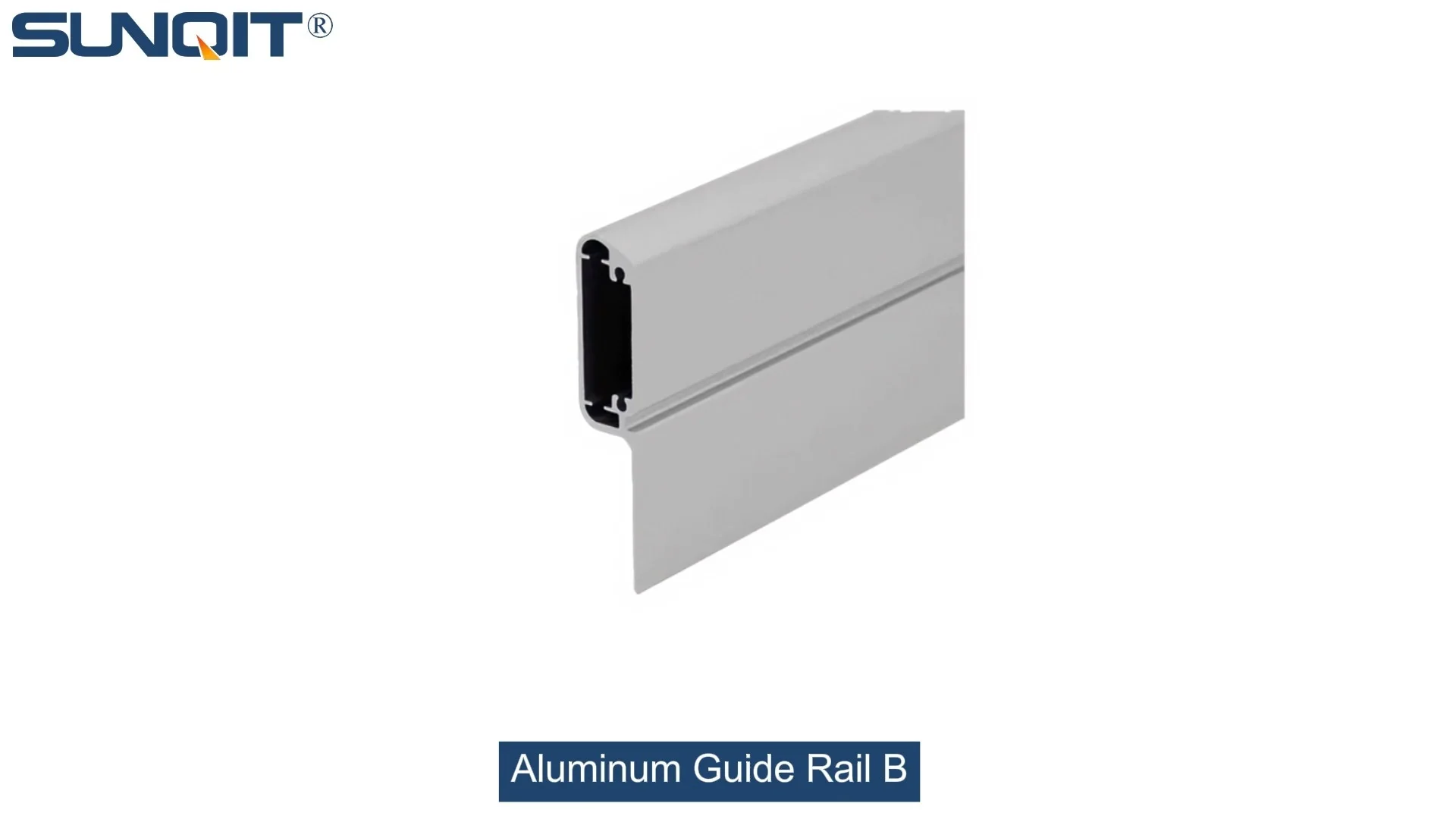
Aluminum Guide Rail B
The aluminum guide rails hold the transport goods securely on the roller track. For installation, the guide rails are simply pushed over the roller tracks.To protect sensitive products.
If you've ever walked through a busy manufacturing floor—whether it's a 3C assembly line churning out smartphones or a medical device workshop piecing together life-saving equipment—you've probably seen those sleek, silver rails quietly keeping everything moving. Chances are, that's Aluminum Guide Rail B. It's the unsung hero of lean systems, the backbone of flow racks, and the quiet partner to conveyors that keeps production lines humming. But if you're here, you're not just admiring it from afar—you're thinking about installing it, budgeting for it, or wondering if it can stand the test of time in your facility.
We get it. Choosing the right aluminum guide rail isn't just about picking a part off a shelf. It's about making sure your lean pipe workbench runs smoother, your flow rack reduces bottlenecks, and your entire lean system becomes more efficient. That's why we've rounded up the most common questions we hear from folks like you—plant managers, facility engineers, and procurement teams—about Aluminum Guide Rail B. Let's dive in.
Installation Questions: Getting It Right the First Time
How do I actually install Aluminum Guide Rail B? Is it complicated?
Installing Aluminum Guide Rail B is designed to be straightforward—even if you're not a seasoned engineer. Think of it like building with a high-quality, industrial-grade Erector set (but way more reliable). Here's the basic breakdown:
First, you'll need to measure your space and mark where the rail will go—this is crucial, especially if you're pairing it with a flow rack or conveyor. Then, using the pre-drilled holes (most Aluminum Guide Rail B models come with them), you'll attach mounting brackets (like the roller track placon mount for aluminum profile) to your workbench, rack, or conveyor frame. Slide the rail into place, secure it with bolts or clips, and double-check that it's level. That's it! Most small installations take less than an hour with two people.
Pro tip: If you're integrating it into a full lean system—say, connecting a lean pipe workbench to a conveyor—we recommend laying out all components first like a puzzle. It saves time and avoids "oops, this piece should go there" moments later.
What tools do I need for installation? Do I need special equipment?
Good news: You won't need a workshop full of fancy tools. Most installations can be done with basic hand tools you probably already have. Here's your checklist:
- A drill or screwdriver (cordless is easiest, but manual works too)
- A level (to make sure the rail isn't slanting—critical for smooth material flow)
- A measuring tape and pencil (for marking positions)
- Wrenches or hex keys (depending on the fasteners; we usually include these with wholesale orders)
- Rubber mallet (for gently tapping brackets into place without damaging the aluminum)
The only "special" tool you might need is a deburring tool if you're cutting the rail to custom lengths (though we can pre-cut it for you if you prefer). No welding, no heavy machinery—just good old-fashioned DIY spirit.
Can I install it myself, or do I need to hire a professional?
It depends on the scale. For small projects—like adding a single rail to an existing lean pipe workbench—most people handle it themselves. Our installation guides are written in plain English (no engineering jargon!), and we include diagrams to walk you through each step. We've even had customers send us photos of their "first-time install" success stories—shoutout to the team in Texas who set up 10 flow racks with Aluminum Guide Rail B in a weekend!
For larger setups, though—like outfitting an entire (flexible production line) with dozens of rails—you might want to bring in a pro. Not because it's hard, but because they can optimize the layout for maximum efficiency. Many of our wholesale clients opt for a mix: they install small sections themselves and hire help for the big stuff. Either way, we're here to support you with phone or video guidance if you get stuck.
Cost & Budget Questions: Getting the Best Value
How much does Aluminum Guide Rail B cost? Is it budget-friendly?
Let's cut to the chase: Aluminum Guide Rail B isn't the cheapest option out there, but it's the one that saves you money long-term. Prices start around $15–$30 per linear foot for standard lengths, but that varies based on a few factors:
- Length & Quantity: Buy more, save more. If you're ordering for a whole facility (lean system wholesale), you'll get a bulk discount that brings the per-unit cost down significantly.
- Accessories: Mounting brackets, end stops, and connectors add to the total. Think of it like buying a phone—you pay for the device, but cases and chargers are extra (though we often bundle accessories with rail orders to save you cash).
- Customization: Need a specific color, length, or special coating (like ESD protection for electronics workshops)? Custom jobs cost a bit more but are often worth it for a perfect fit.
Compare that to plastic rails, which might start at $10 per foot but crack under heavy loads, or steel rails that rust in humid environments. One customer in Florida switched to Aluminum Guide Rail B after replacing plastic rails twice in a year—they're now on year three with zero replacements. Sometimes, spending a little more upfront means never spending again later.
Is buying wholesale (lean pipe wholesale) a better deal? When does it make sense?
Wholesale is a game-changer if you're planning for growth. Let's say you run a 3C assembly plant and know you'll need 50+ rails over the next year. Buying wholesale (either all at once or in quarterly batches) can knock 15–30% off the retail price. Plus, you'll lock in today's rate, protecting you from future material cost hikes.
But wholesale isn't just for big companies. We've had small workshops order wholesale quantities to stock up—they use a few rails now and save the rest for expansion. The minimum order for wholesale pricing is usually 100 linear feet, which sounds like a lot, but if you're outfitting even one lean pipe workbench and a flow rack, you'll hit that quickly.
Pro tip: Ask about "just-in-time" wholesale—we can ship portions of your order as you need them, so you don't have to store 100 feet of rail in your warehouse all at once.
How does the cost compare to other types of guide rails (like plastic or steel)?
Great question—let's break it down with a quick comparison table. We'll use a 10-foot rail as an example:
| Rail Type | Initial Cost (10ft) | Estimated Lifespan | Annual Maintenance Cost | Best For |
|---|---|---|---|---|
| Aluminum Guide Rail B | $150–$300 | 5–10 years | $5–$10 (cleaning, minor adjustments) | High-traffic, long-term use; ESD environments |
| Plastic Roller Track | $80–$150 | 1–3 years | $20–$30 (replacing cracked rollers) | Light loads, short-term projects |
| Steel Rail | $200–$400 | 7–12 years | $30–$50 (rust removal, painting) | Extremely heavy loads; outdoor use |
As you can see, aluminum hits the sweet spot: more durable than plastic (so you replace it less often) and cheaper to maintain than steel (no rust to fight!). For most indoor manufacturing settings—like 3C assembly or medical device production—aluminum is the most cost-effective choice over time.

Durability & Performance: Built to Last
What makes Aluminum Guide Rail B so durable? Is aluminum really strong enough?
Ah, the "aluminum is flimsy" myth—let's debunk that. The aluminum we use is an alloy (specifically 6063-T5, if you want the techy term), which is lightweight but surprisingly tough. Think about airplane wings—they're aluminum, and they handle turbulence at 35,000 feet! Our guide rails are extruded (not bent or welded), which creates a uniform structure with no weak points.
Real-world test: We once had a customer in the automotive industry accidentally drop a 50-pound toolbox on their Aluminum Guide Rail B. Did it bend? A little. Did it break? Nope. And with a quick tweak using a rubber mallet, it was back to working like new. Steel would've dented, plastic would've shattered—aluminum just shrugged it off.
Another durability win: aluminum doesn't rust. In humid warehouses or cleanrooms (like those in medical device manufacturing), that's a big deal. You won't spend weekends sanding rust or repainting—just wipe it down with a damp cloth, and it looks brand new.
What's the maximum weight it can hold? Will it sag over time?
Sagging is the enemy of smooth material flow, so we designed Aluminum Guide Rail B to resist it. Standard rails (1.5mm wall thickness) can handle 30–50 pounds per linear foot when properly supported (that's like stacking 5–8 heavy toolboxes along a 10-foot rail). Heavy-duty models (2.0mm wall) up that to 75–100 pounds per linear foot—perfect for conveyor systems moving metal parts.
To prevent sagging, spacing between supports matters. We recommend mounting brackets every 2–3 feet for standard use, or every 1–2 feet for heavy loads. It's like building a shelf: too few brackets, and the middle dips. Follow our spacing guide, and your rail will stay straight for decades.
Fun fact: We tested a rail with 50 pounds of weight in the middle, supported every 3 feet, for 1,000 hours (that's over 41 days!). At the end, it had less than 0.1 inches of sag—about the thickness of a credit card. Your production line won't even notice the difference.
How long does it typically last? When will I need to replace it?
With basic care, Aluminum Guide Rail B lasts 5–10 years in high-traffic environments. In low-use settings (like a small workshop that runs one shift), it can go 15+ years. We have customers who installed our rails back in 2010 and are still using them today—they've replaced the rollers a few times, but the rails themselves are as solid as ever.
When should you replace it? Look for signs like deep scratches that catch on materials, bent sections that can't be straightened, or threads in the mounting holes that are stripped (though we sell replacement inserts for that). Even then, many customers repurpose old rails—cutting them down for smaller projects or using them as temporary guides in maintenance areas. It's rare to throw one away completely, which aligns with our "sustainable improvement" lean (lean philosophy).

Application & Compatibility: Where It Fits in Your Workflow
Which industries use Aluminum Guide Rail B the most? Is it good for my sector?
Aluminum Guide Rail B is a chameleon—it adapts to almost any manufacturing environment. But these are the industries where it really shines:
- 3C Assembly: In smartphone and laptop factories, precision is key. The smooth surface of aluminum rails ensures delicate components glide without jamming—no more scratched screens from rough plastic rails.
- Medical Device Manufacturing: Cleanrooms demand materials that won't shed particles. Aluminum is non-porous and easy to sanitize, making it perfect for ESD workbenches and sterile production lines.
- Automotive & Parts: Heavy parts need tough rails. Aluminum Guide Rail B handles engine components and body panels without breaking a sweat, often paired with conveyors for seamless assembly.
- Warehousing & Logistics: Flow racks loaded with boxes? Aluminum rails reduce friction, so workers can slide items with one hand instead of two—bye-bye, strained backs!
Even niche industries love it. We've supplied rails to a guitar manufacturer (for moving wood blanks) and a chocolate factory (for conveyor belts carrying cocoa nibs—yes, aluminum is food-safe!). If you work in manufacturing, there's a good chance Aluminum Guide Rail B can make your process smoother.
Can it work with other lean system components, like conveyors or ESD workbenches?
Absolutely—it's designed to be a team player. Aluminum Guide Rail B plays well with almost every component in a lean system:
- Conveyors: Mount rails along the sides of roller conveyors to keep items centered, or use them as guides for belt conveyors moving small parts (no more "lost" screws falling off the edge!).
- ESD Workbenches: Our ESD-safe aluminum rails (yes, we offer those!) dissipate static electricity, protecting sensitive electronics like circuit boards. They're a must for 3C assembly lines.
- Flow Racks: This is where Aluminum Guide Rail B really shines. Pair it with roller tracks, and you've got a gravity-fed system that moves materials from the back to the front—no manual pushing required. One warehouse reported a 40% faster picking rate after switching to aluminum rails on their flow racks.
- Lean Pipe Workbenches: Add rails to the edges of workbenches to create "slide lanes" for tools or (semi-finished products). It keeps the bench organized and reduces reaching—your workers' shoulders will thank you.
The best part? It's compatible with most major brands' components, not just ours. So if you already have a lean system from another supplier, chances are our rails will fit right in.

Maintenance & Care: Keeping It Running Smoothly
How do I maintain Aluminum Guide Rail B? Is it high-maintenance?
Low-maintenance is our middle name. Aluminum Guide Rail B needs about as much care as a houseplant—just a little attention now and then to thrive. Here's your maintenance checklist:
- Weekly: Wipe down with a dry or slightly damp cloth to remove dust and debris. In dusty environments (like woodworking shops), use a soft brush first to avoid scratching the surface.
- Monthly: Check mounting brackets for tightness—vibration from conveyors can loosen bolts over time. A quick turn with a wrench is all it takes.
- Quarterly: Inspect for dents or bends, especially in high-traffic areas. Minor dents can be popped out with a rubber mallet; deep ones might mean replacing that section (but remember, aluminum bends before breaking, so you'll have warning signs).
- Annually: Lubricate any moving parts (like roller attachments) with a dry silicone spray. Avoid oil-based lubricants—they attract dust and gum things up.
That's it! No special cleaners, no expensive tools, no downtime. We had a customer tell us, "I forgot we even had these rails—they just work, year after year." That's the maintenance sweet spot we aim for.
What if something breaks? Are replacement parts easy to find?
Even the toughest rails need new parts sometimes—rollers wear out, brackets get bent, end stops crack. The good news: replacement parts are easy to find and affordable. We stock all standard accessories (brackets, connectors, rollers) and ship them within 1–2 business days.
Most parts are universal, too. If you bought your rail from us 5 years ago, today's brackets will still fit—we don't change designs just to make you buy new parts. And if you need a custom part (like a special-height bracket for an odd-sized conveyor), our engineering team can design and fabricate it quickly.
Pro tip: Keep a "spare parts kit" on hand—just a few brackets, bolts, and rollers. It'll save you from (emergency downtime) when something breaks. We sell pre-made kits for $50–$100, depending on what you need.
Wrapping It Up: Why Aluminum Guide Rail B Stands Out
At the end of the day, Aluminum Guide Rail B isn't just a piece of metal—it's a tool that makes your manufacturing process smarter, smoother, and more sustainable. It's the rail that lasts longer, saves you money on maintenance, and plays nice with all your other lean system components (looking at you, flow rack and conveyor). Whether you're a small workshop ordering a few feet or a large factory going wholesale, it adapts to your needs.
Still have questions? That's okay—every facility is different. The best next step is to talk through your specific project: your industry, your space, your goals. We'll help you pick the right rail, accessories, and quantity to make sure you get the most bang for your buck. After all, lean manufacturing is about continuous improvement—and that starts with choosing the right tools from the start.