- Company Articles
- FAQ
- FAQ
- Aluminum Pipe Clamps: Common FAQs Answered by Industry Experts

Aluminum Pipe Clamps: Common FAQs Answered by Industry Experts
Related Product
Aluminum Pipe Clamp
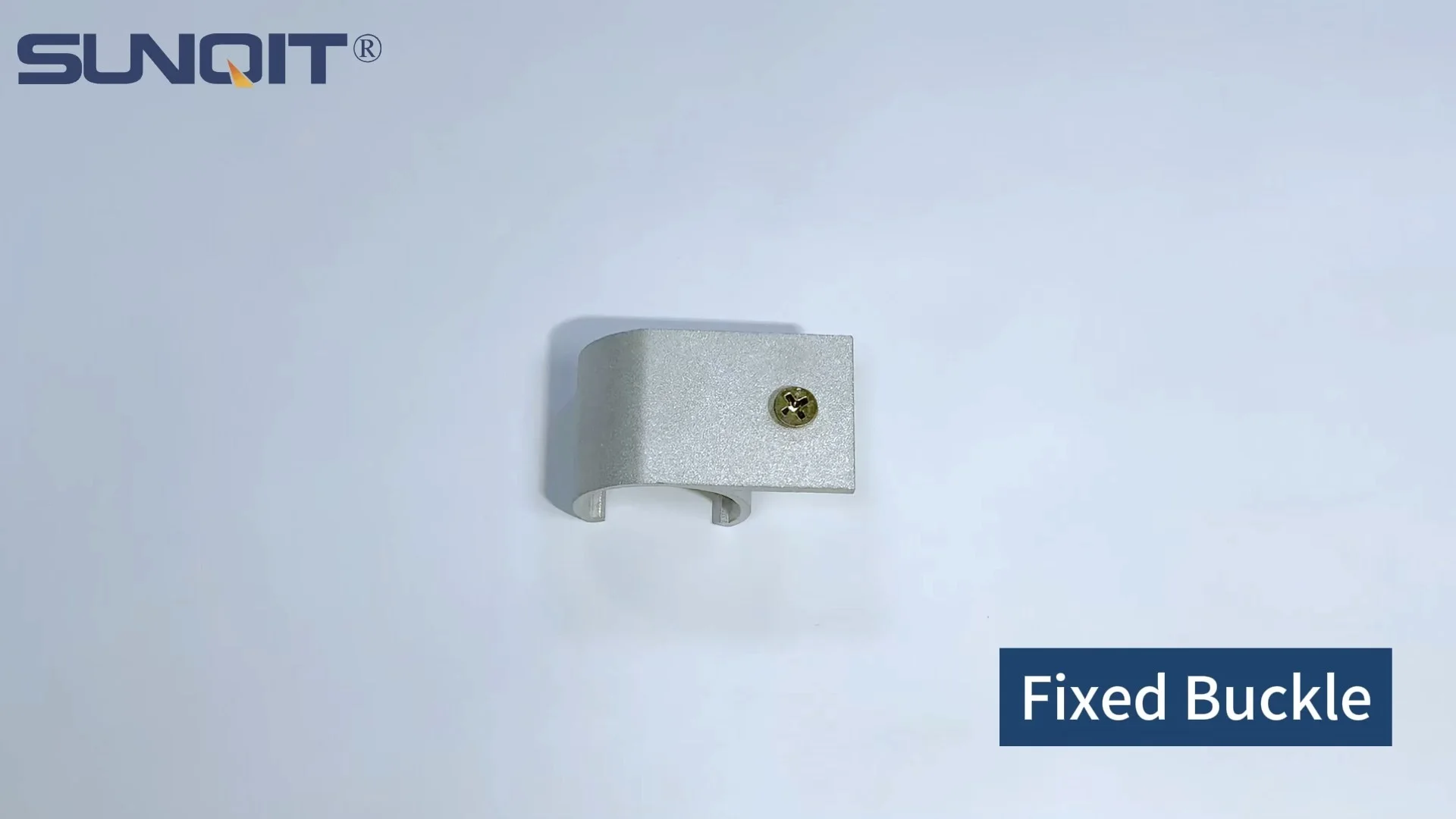
Aluminum pipe side clamp used for 28mm aluminum pipe connect with table top, or other accessories.
Walk into any manufacturing facility, warehouse, or assembly line, and you'll likely spot structures that keep operations running smoothly: workbenches where technicians assemble products, flow racks that move materials from station to station, and turnover trolleys that transport goods across the floor. What holds these structures together? Often, it's a small but mighty component: the aluminum pipe clamp. These unassuming devices are the backbone of modular systems, allowing teams to build, adapt, and reconfigure workspaces with ease. Yet, for many professionals—whether you're a seasoned plant manager or a small business owner just starting to optimize your workflow—aluminum pipe clamps can spark a lot of questions. How do they differ from other clamps? What should you look for when choosing one? And how do they actually contribute to lean manufacturing goals? To clear the air, we've gathered insights from industry experts to answer the most common FAQs about aluminum pipe clamps. Let's dive in.
1. What exactly is an aluminum pipe clamp, and how does it differ from other types of clamps?
At its core, an aluminum pipe clamp is a mechanical fastening device designed to securely connect aluminum lean pipes (hollow aluminum tubes) and other components, forming rigid or semi-rigid structures. Think of it as the "glue" of modular systems—without it, your workbench legs might wobble, or your flow rack might collapse under the weight of materials. But what sets aluminum pipe clamps apart from steel, plastic, or even wooden clamps?
"Aluminum pipe clamps are engineered for two key benefits: lightweight durability and corrosion resistance," explains Maria Gonzalez, a product engineer at a leading lean system supplier with over a decade of experience. "Unlike steel clamps, which can be heavy and prone to rust in humid environments, aluminum clamps add minimal weight to structures—making them ideal for mobile setups like turnover trolleys with caster wheels. And because aluminum naturally resists corrosion, they're a better choice for facilities like food processing plants or outdoor warehouses where moisture is a concern."
Another standout feature is their compatibility with aluminum profile accessories. Most aluminum pipe clamps are designed to work seamlessly with T-slot aluminum profiles, aluminum guide rails, and lean pipe joints, allowing for endless customization. "Plastic clamps might be cheaper, but they lack the strength to handle heavy loads," adds Gonzalez. "Aluminum clamps, especially those made from high-grade aluminum alloys, can support hundreds of pounds without warping—critical for industrial applications."
"Aluminum pipe clamps are engineered for two key benefits: lightweight durability and corrosion resistance," explains Maria Gonzalez, a product engineer at a leading lean system supplier with over a decade of experience. "Unlike steel clamps, which can be heavy and prone to rust in humid environments, aluminum clamps add minimal weight to structures—making them ideal for mobile setups like turnover trolleys with caster wheels. And because aluminum naturally resists corrosion, they're a better choice for facilities like food processing plants or outdoor warehouses where moisture is a concern."
Another standout feature is their compatibility with aluminum profile accessories. Most aluminum pipe clamps are designed to work seamlessly with T-slot aluminum profiles, aluminum guide rails, and lean pipe joints, allowing for endless customization. "Plastic clamps might be cheaper, but they lack the strength to handle heavy loads," adds Gonzalez. "Aluminum clamps, especially those made from high-grade aluminum alloys, can support hundreds of pounds without warping—critical for industrial applications."
2. What are the key factors to consider when selecting an aluminum pipe clamp for a specific project?
Choosing the right aluminum pipe clamp isn't a one-size-fits-all process. The clamp that works for a lightweight assembly workbench might not cut it for a heavy-duty material rack. To narrow down your options, experts recommend focusing on five key factors:
Load Capacity: Start by asking: How much weight will the structure need to support? A clamp rated for 50kg might be fine for a small parts bin, but a flow rack holding 200kg of automotive components will require a heavy-duty clamp. "Always check the manufacturer's load rating," advises James Chen, a lean manufacturing consultant. "And err on the side of caution—if you're unsure, go for a clamp with a higher capacity than you think you'll need. It's better to have extra strength than risk a collapse."
Pipe Diameter Compatibility: Aluminum lean pipes come in standard diameters (common sizes include 28mm, 30mm, and 40mm), and clamps are designed to fit specific sizes. Using a clamp that's too loose will lead to instability; one that's too tight could warp the pipe. "Most suppliers list compatible pipe diameters on the product label—don't skip this step," Chen notes. "If you're using non-standard pipes, ask the supplier about custom clamp options."
Environment and Application: Will the clamp be used indoors, outdoors, or in a specialized setting like a cleanroom or ESD (electrostatic discharge) environment? For ESD-sensitive industries (e.g., electronics manufacturing), look for clamps with ESD-safe coatings to prevent static buildup. In wet areas, anodized aluminum clamps (which have a protective oxide layer) are a must to resist rust. "We once worked with a client who used standard aluminum clamps in a brewery—within six months, they started corroding," recalls Chen. "Switching to anodized clamps solved the problem entirely."
Ease of Installation and Adjustment: Do you need to reconfigure your structure frequently? Quick-release aluminum pipe clamps (which use levers instead of screws) allow for tool-free adjustments, saving time during workflow changes. For permanent structures, however, screw-tightened clamps offer superior stability. "If your team is constantly rearranging workstations, quick-release clamps are a game-changer," Gonzalez says. "But for a fixed material rack, stick with traditional screw clamps—they won't loosen over time."
Compatibility with Other Components: Remember, aluminum pipe clamps rarely work alone. They need to pair with lean pipe joints, aluminum profile accessories (like brackets or guide rails), and even caster and accessories if your structure is mobile. "Before buying, map out all the components you'll use," advises Chen. "A clamp that fits your aluminum lean pipe might not align with your chosen joint, leading to weak connections."
To help visualize these factors, here's a quick comparison of common aluminum pipe clamp types:
Load Capacity: Start by asking: How much weight will the structure need to support? A clamp rated for 50kg might be fine for a small parts bin, but a flow rack holding 200kg of automotive components will require a heavy-duty clamp. "Always check the manufacturer's load rating," advises James Chen, a lean manufacturing consultant. "And err on the side of caution—if you're unsure, go for a clamp with a higher capacity than you think you'll need. It's better to have extra strength than risk a collapse."
Pipe Diameter Compatibility: Aluminum lean pipes come in standard diameters (common sizes include 28mm, 30mm, and 40mm), and clamps are designed to fit specific sizes. Using a clamp that's too loose will lead to instability; one that's too tight could warp the pipe. "Most suppliers list compatible pipe diameters on the product label—don't skip this step," Chen notes. "If you're using non-standard pipes, ask the supplier about custom clamp options."
Environment and Application: Will the clamp be used indoors, outdoors, or in a specialized setting like a cleanroom or ESD (electrostatic discharge) environment? For ESD-sensitive industries (e.g., electronics manufacturing), look for clamps with ESD-safe coatings to prevent static buildup. In wet areas, anodized aluminum clamps (which have a protective oxide layer) are a must to resist rust. "We once worked with a client who used standard aluminum clamps in a brewery—within six months, they started corroding," recalls Chen. "Switching to anodized clamps solved the problem entirely."
Ease of Installation and Adjustment: Do you need to reconfigure your structure frequently? Quick-release aluminum pipe clamps (which use levers instead of screws) allow for tool-free adjustments, saving time during workflow changes. For permanent structures, however, screw-tightened clamps offer superior stability. "If your team is constantly rearranging workstations, quick-release clamps are a game-changer," Gonzalez says. "But for a fixed material rack, stick with traditional screw clamps—they won't loosen over time."
Compatibility with Other Components: Remember, aluminum pipe clamps rarely work alone. They need to pair with lean pipe joints, aluminum profile accessories (like brackets or guide rails), and even caster and accessories if your structure is mobile. "Before buying, map out all the components you'll use," advises Chen. "A clamp that fits your aluminum lean pipe might not align with your chosen joint, leading to weak connections."
To help visualize these factors, here's a quick comparison of common aluminum pipe clamp types:
| Clamp Type | Material | Max Load Capacity (kg) | Best For | Adjustment Ease |
|---|---|---|---|---|
| Standard Screw-Tightened | Aluminum Alloy | 150-200 | Permanent structures (e.g., fixed workbenches) | Requires tools (slow adjustment) |
| Quick-Release Lever | Anodized Aluminum | 80-120 | Frequently reconfigured setups (e.g., modular flow racks) | Tool-free (fast adjustment) |
| Heavy-Duty Industrial | High-Grade Aluminum Alloy | 300+ | Heavy machinery supports, large material racks | Requires torque wrench (high stability) |
| ESD-Safe | Conductive Aluminum | 100-150 | Electronics assembly, cleanrooms | Moderate (tool required) |
3. How do aluminum pipe clamps work with aluminum lean pipes and lean pipe joints to build stable structures?
Imagine building a structure with aluminum lean pipes, lean pipe joints, and aluminum pipe clamps as a three-person team: the pipes are the "bones," the joints are the "joints" (like elbows or knees), and the clamps are the "muscles" that hold everything together. Here's how they collaborate:
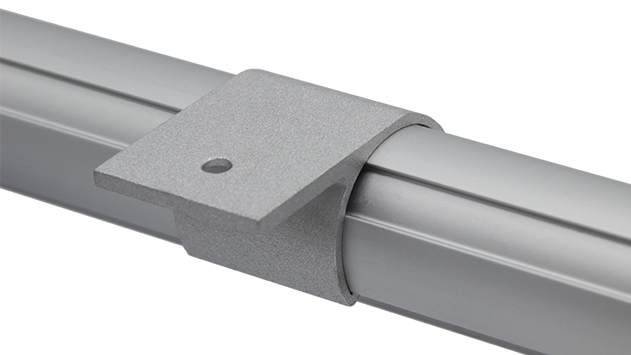
First, the aluminum lean pipe serves as the primary structural element. These pipes are lightweight but strong, with hollow cores to reduce weight. Next, lean pipe joints (which come in T-shapes, L-shapes, or multi-port designs) connect two or more pipes at angles, forming the structure's framework. Finally, the aluminum pipe clamp wraps around the pipe and joint, tightening to create a secure bond.
"The clamp's design is critical here," Gonzalez explains. "Most clamps have a split housing that fits around the pipe and joint, with a screw or lever that compresses the housing. This compression creates friction, preventing the pipe from slipping. For extra strength, some clamps have teeth that bite into the pipe's surface—though we don't recommend this for frequent reconfigurations, as it can damage the pipe over time."
Let's walk through a real-world example: building a basic workbench (similar to "Workbench E (single deck-without caster)" in many supplier catalogs). You'll need four vertical aluminum lean pipes for legs, horizontal pipes for the frame, and a tabletop (often an aluminum honeycomb panel for lightweight strength). To assemble:
For more complex structures, like a flow rack with roller tracks, the process is similar but involves additional components. "Roller tracks require precise alignment, so clamps need to hold the aluminum guide rails steady," Gonzalez notes. "A loose clamp here could cause materials to jam or slide unevenly—bad news for a lean workflow."
First, the aluminum lean pipe serves as the primary structural element. These pipes are lightweight but strong, with hollow cores to reduce weight. Next, lean pipe joints (which come in T-shapes, L-shapes, or multi-port designs) connect two or more pipes at angles, forming the structure's framework. Finally, the aluminum pipe clamp wraps around the pipe and joint, tightening to create a secure bond.
"The clamp's design is critical here," Gonzalez explains. "Most clamps have a split housing that fits around the pipe and joint, with a screw or lever that compresses the housing. This compression creates friction, preventing the pipe from slipping. For extra strength, some clamps have teeth that bite into the pipe's surface—though we don't recommend this for frequent reconfigurations, as it can damage the pipe over time."
Let's walk through a real-world example: building a basic workbench (similar to "Workbench E (single deck-without caster)" in many supplier catalogs). You'll need four vertical aluminum lean pipes for legs, horizontal pipes for the frame, and a tabletop (often an aluminum honeycomb panel for lightweight strength). To assemble:
- Attach L-shaped lean pipe joints to the top of each vertical leg pipe.
- Slide horizontal pipes into the joints to form the tabletop frame.
- Place aluminum pipe clamps around the pipe-joint connections and tighten the screws until snug (but not over-tightened).
- Repeat for the bottom frame (to add stability) and attach the tabletop.
For more complex structures, like a flow rack with roller tracks, the process is similar but involves additional components. "Roller tracks require precise alignment, so clamps need to hold the aluminum guide rails steady," Gonzalez notes. "A loose clamp here could cause materials to jam or slide unevenly—bad news for a lean workflow."
4. What are the most common installation mistakes to avoid with aluminum pipe clamps?
Even with the right clamp, poor installation can turn a solid structure into a safety hazard. Experts cite four mistakes that crop up time and again:
Over-Tightening: "This is by far the biggest issue," Chen says. "People think 'tighter is better,' but aluminum is a softer metal than steel. Over-tightening can strip the clamp's threads, warp the pipe, or even crack the joint. Always follow the torque specs—most suppliers print them on the clamp or in the manual." If you don't have a torque wrench, a good rule of thumb is to tighten until the clamp is snug, then give the screw a quarter-turn more.
Under-Tightening: On the flip side, under-tightening leads to loose connections. "A clamp that's too loose will let the pipe rotate or slide, especially under vibration," Gonzalez warns. "We've seen entire flow racks shift because of this—imagine a line of products sliding off the roller track onto the floor. Not ideal." To check for under-tightening, gently shake the structure after assembly—if it wobbles, re-tighten the clamps.
Mismatched Pipe and Clamp Sizes: Using a 30mm clamp on a 28mm pipe might seem like a quick fix, but it's a recipe for disaster. "The clamp won't grip properly, and the pipe will move," Chen explains. "Conversely, forcing a 30mm pipe into a 28mm clamp will stress the clamp, causing it to crack over time." Always double-check sizes before installation.
Ignoring Pipe Condition: Aluminum lean pipes with dents, bends, or corrosion won't seat properly in clamps. "A dent creates a gap between the pipe and clamp, reducing friction," Gonzalez notes. "We once inspected a client's material rack that kept collapsing—turns out, half their pipes were bent from being dropped, and the clamps couldn't get a good grip." Before assembly, inspect pipes for damage and replace any that are warped or pitted.
"The good news is these mistakes are easy to avoid with a little patience," Chen adds. "Take the time to measure, check torque, and inspect components—your structure (and your team's safety) will thank you."
Over-Tightening: "This is by far the biggest issue," Chen says. "People think 'tighter is better,' but aluminum is a softer metal than steel. Over-tightening can strip the clamp's threads, warp the pipe, or even crack the joint. Always follow the torque specs—most suppliers print them on the clamp or in the manual." If you don't have a torque wrench, a good rule of thumb is to tighten until the clamp is snug, then give the screw a quarter-turn more.
Under-Tightening: On the flip side, under-tightening leads to loose connections. "A clamp that's too loose will let the pipe rotate or slide, especially under vibration," Gonzalez warns. "We've seen entire flow racks shift because of this—imagine a line of products sliding off the roller track onto the floor. Not ideal." To check for under-tightening, gently shake the structure after assembly—if it wobbles, re-tighten the clamps.
Mismatched Pipe and Clamp Sizes: Using a 30mm clamp on a 28mm pipe might seem like a quick fix, but it's a recipe for disaster. "The clamp won't grip properly, and the pipe will move," Chen explains. "Conversely, forcing a 30mm pipe into a 28mm clamp will stress the clamp, causing it to crack over time." Always double-check sizes before installation.
Ignoring Pipe Condition: Aluminum lean pipes with dents, bends, or corrosion won't seat properly in clamps. "A dent creates a gap between the pipe and clamp, reducing friction," Gonzalez notes. "We once inspected a client's material rack that kept collapsing—turns out, half their pipes were bent from being dropped, and the clamps couldn't get a good grip." Before assembly, inspect pipes for damage and replace any that are warped or pitted.
"The good news is these mistakes are easy to avoid with a little patience," Chen adds. "Take the time to measure, check torque, and inspect components—your structure (and your team's safety) will thank you."

5. How do aluminum pipe clamps contribute to lean manufacturing systems and operational efficiency?
Lean manufacturing is all about eliminating waste—whether that's time, materials, or unnecessary movement. At first glance, aluminum pipe clamps might seem too small to impact these goals, but experts say they're a silent workhorse of lean systems.
"Lean thrives on flexibility, and aluminum pipe clamps make flexibility possible," Chen explains. "Traditional fixed structures (like welded steel workbenches) can't adapt to changing workflows. If you need to expand your assembly line or reconfigure a workstation, you'd have to build a new structure from scratch—wasting time and money. With aluminum pipe clamps, you can disassemble, adjust, and rebuild in hours, not days."
This modularity also reduces material waste. "Instead of buying a new flow rack when your needs change, you can repurpose existing pipes and clamps," Gonzalez adds. "We worked with a client who cut their equipment costs by 30% simply by reusing clamps and pipes from old structures. That's a huge win for lean's 'reduce, reuse, recycle' ethos."
Another lean benefit is improved workflow efficiency. "Aluminum pipe clamps let you design structures that fit your process, not the other way around," Chen says. "For example, a custom flow rack with roller tracks (held together by clamps) can move materials directly to the assembly line, cutting down on walking time for workers. That's 'motion waste' eliminated—one of the eight wastes of lean."
Lightweight structures are also easier to move, which aligns with lean's focus on "continuous flow." "If you need to shift a workbench closer to a conveyor, aluminum clamps keep the structure light enough to move (with the help of caster and accessories)," Gonzalez notes. "Steel structures would require forklifts or multiple people—adding delays."
Finally, aluminum pipe clamps support "standardization," a key lean principle. By using the same clamps, pipes, and joints across your facility, teams can quickly learn to assemble and adjust structures, reducing training time and errors. "When everyone knows how to use the same clamp, you eliminate confusion and speed up problem-solving," Chen says. "If a clamp loosens on the night shift, any worker can tighten it—no need to wait for a specialist."
"Lean thrives on flexibility, and aluminum pipe clamps make flexibility possible," Chen explains. "Traditional fixed structures (like welded steel workbenches) can't adapt to changing workflows. If you need to expand your assembly line or reconfigure a workstation, you'd have to build a new structure from scratch—wasting time and money. With aluminum pipe clamps, you can disassemble, adjust, and rebuild in hours, not days."
This modularity also reduces material waste. "Instead of buying a new flow rack when your needs change, you can repurpose existing pipes and clamps," Gonzalez adds. "We worked with a client who cut their equipment costs by 30% simply by reusing clamps and pipes from old structures. That's a huge win for lean's 'reduce, reuse, recycle' ethos."
Another lean benefit is improved workflow efficiency. "Aluminum pipe clamps let you design structures that fit your process, not the other way around," Chen says. "For example, a custom flow rack with roller tracks (held together by clamps) can move materials directly to the assembly line, cutting down on walking time for workers. That's 'motion waste' eliminated—one of the eight wastes of lean."
Lightweight structures are also easier to move, which aligns with lean's focus on "continuous flow." "If you need to shift a workbench closer to a conveyor, aluminum clamps keep the structure light enough to move (with the help of caster and accessories)," Gonzalez notes. "Steel structures would require forklifts or multiple people—adding delays."
Finally, aluminum pipe clamps support "standardization," a key lean principle. By using the same clamps, pipes, and joints across your facility, teams can quickly learn to assemble and adjust structures, reducing training time and errors. "When everyone knows how to use the same clamp, you eliminate confusion and speed up problem-solving," Chen says. "If a clamp loosens on the night shift, any worker can tighten it—no need to wait for a specialist."
6. What maintenance do aluminum pipe clamps require to ensure longevity?
Aluminum pipe clamps are durable, but they're not maintenance-free. With proper care, they can last 5-10 years (or longer in low-wear environments). Here's what experts recommend:
Regular Inspections: Check clamps monthly for loose screws, cracks, or corrosion. "In high-vibration areas (like near machinery), screws can loosen over time," Gonzalez says. "A quick tightening with a screwdriver is usually all it takes to fix this." For ESD clamps, also inspect the coating for chips—damaged coatings can lose their static-dissipating properties.
Cleaning: Wipe clamps with a damp cloth to remove dust, grease, or debris. For heavy grime, use mild soap and water—avoid harsh chemicals like bleach, which can damage aluminum. "In food processing plants, we recommend sanitizing clamps weekly with a food-safe cleaner," Chen adds.
Lubrication (for moving parts): Quick-release clamps with levers or hinges need occasional lubrication to prevent sticking. Use a silicone-based lubricant (avoid oil-based products, which attract dust). "A drop or two on the pivot points every three months is enough," Gonzalez notes.
Replacing Worn Parts: If a clamp's threads are stripped, or its housing is cracked, replace it immediately. "Don't try to 'make do' with a damaged clamp—safety first," Chen emphasizes. "Most suppliers sell replacement clamps at a fraction of the cost of a new structure, so there's no excuse to delay."
Protecting from Extreme Conditions: In outdoor or high-moisture environments, store spare clamps in a dry area. If clamps do show minor corrosion (e.g., white spots), gently scrub with a soft brush and apply a thin layer of aluminum protectant spray. "For severe corrosion, though, replacement is the only fix," Gonzalez says.
Regular Inspections: Check clamps monthly for loose screws, cracks, or corrosion. "In high-vibration areas (like near machinery), screws can loosen over time," Gonzalez says. "A quick tightening with a screwdriver is usually all it takes to fix this." For ESD clamps, also inspect the coating for chips—damaged coatings can lose their static-dissipating properties.
Cleaning: Wipe clamps with a damp cloth to remove dust, grease, or debris. For heavy grime, use mild soap and water—avoid harsh chemicals like bleach, which can damage aluminum. "In food processing plants, we recommend sanitizing clamps weekly with a food-safe cleaner," Chen adds.
Lubrication (for moving parts): Quick-release clamps with levers or hinges need occasional lubrication to prevent sticking. Use a silicone-based lubricant (avoid oil-based products, which attract dust). "A drop or two on the pivot points every three months is enough," Gonzalez notes.
Replacing Worn Parts: If a clamp's threads are stripped, or its housing is cracked, replace it immediately. "Don't try to 'make do' with a damaged clamp—safety first," Chen emphasizes. "Most suppliers sell replacement clamps at a fraction of the cost of a new structure, so there's no excuse to delay."
Protecting from Extreme Conditions: In outdoor or high-moisture environments, store spare clamps in a dry area. If clamps do show minor corrosion (e.g., white spots), gently scrub with a soft brush and apply a thin layer of aluminum protectant spray. "For severe corrosion, though, replacement is the only fix," Gonzalez says.
Aluminum pipe clamps may not be the most glamorous part of your workflow, but they're undeniably essential. From holding workbenches steady to enabling lean flexibility, these small components play a big role in keeping operations efficient and safe. By understanding their design, installation, and maintenance, you can choose the right clamps for your needs and ensure your modular structures stand the test of time. And remember—when in doubt, consult your supplier or a lean manufacturing expert. The right guidance can turn a confusing purchase into a long-term investment in your team's productivity.