- Company Articles
- FAQ
- FAQ
- Aluminum Pipe with Tray Holder FAQs: Expert Answers for Manufacturers

Aluminum Pipe with Tray Holder FAQs: Expert Answers for Manufacturers
Related Product
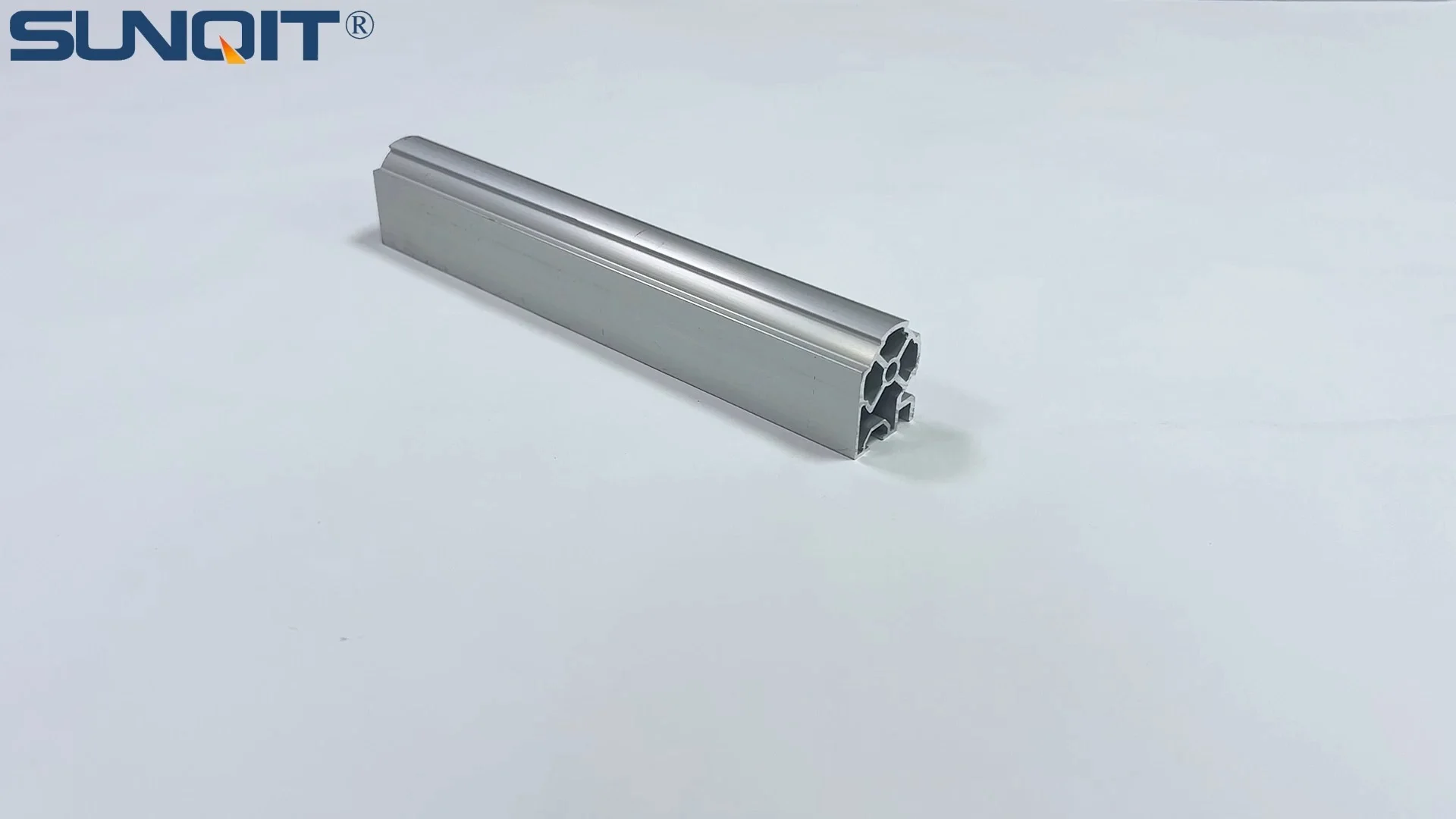
Aluminum Pipe with Tray Holder
Aluminum pipe with tray holder,the pipe one side connected by a joint, the other side with a slot which can hold a tray or a aluminum pannel.
In the fast-paced world of manufacturing, efficiency isn't just a buzzword—it's the backbone of profitability and competitiveness. Every tool, every component, and every workflow tweak matters. One solution that's been gaining traction among forward-thinking manufacturers is the aluminum pipe with tray holder. But if you're new to this system, you probably have questions: How does it differ from traditional setups? Is it worth the investment? Will it play nice with your existing lean systems? We've compiled the most common questions manufacturers ask about aluminum pipe with tray holders, answered by industry experts who've helped countless facilities streamline their operations. Whether you're looking to optimize your assembly line, organize your workspace, or reduce material handling costs, read on to get the clarity you need.
What Exactly Is an Aluminum Pipe with Tray Holder, and How Does It Differ from Traditional Material Handling Solutions?
Let's start with the basics. An aluminum pipe with tray holder is a modular system designed to organize, transport, and store materials in manufacturing environments. At its core, it consists of lightweight yet durable aluminum pipes (often called aluminum lean pipe ) connected by joints, with attached tray holders that securely hold parts, tools, or during production. Think of it as a customizable skeleton—you can build racks, workstations, trolleys, or flow systems by combining pipes, joints, and trays to fit your space and needs.
What sets it apart from traditional solutions like fixed steel racks or plastic bins? For starters, flexibility. Traditional systems are often one-size-fits-all; if your production line changes, you might need to replace the entire setup. Aluminum pipe with tray holders, though, is modular. You can add, remove, or reconfigure pipes and trays in minutes using basic tools—no welding or heavy machinery required. This adaptability is a game-changer for manufacturers dealing with shifting product lines or seasonal demand.
Another key difference is weight. Aluminum is significantly lighter than steel, making the systems easier to move and reposition. Yet it's surprisingly strong: high-quality aluminum lean pipe can support substantial weight, so you don't have to sacrifice durability for portability. Traditional steel racks, by contrast, are heavy and often require permanent installation, limiting your ability to adapt on the fly.
Finally, there's cost over time. While the upfront investment might be similar to steel, aluminum pipe systems last longer in harsh manufacturing environments (thanks to corrosion resistance) and require less maintenance. Plus, their modularity means you can repurpose components for new projects, reducing long-term waste and expenses.
What Are the Key Benefits of Using Aluminum Pipe with Tray Holders in Manufacturing Environments?
Manufacturers are always on the hunt for tools that boost efficiency, cut costs, and improve safety—and aluminum pipe with tray holders deliver on all three fronts. Let's break down the top benefits:
- Enhanced Workflow Efficiency: By organizing materials at the point of use, these systems eliminate time wasted searching for tools or parts. Tray holders can be positioned at waist height on workbenches or along assembly lines, reducing or stretching for workers. For example, a car parts manufacturer we worked with reported a 15% reduction in assembly time after installing aluminum pipe tray holders at each workstation—simply because workers no longer had to walk to a distant storage rack.
- Scalability for Changing Needs: Manufacturing isn't static. New products, higher volumes, or reorganized lines demand flexible infrastructure. Aluminum pipe systems grow with you. Need to add a third tray to a rack? Just slide in a new pipe section and joint. Expanding to a second shift? Repurpose a trolley from the day shift to the night shift in minutes. This scalability ensures you're never stuck with equipment that's too big, too small, or outdated.
- Improved Ergonomics and Safety: Heavy steel racks or unorganized bins can lead to strains, trips, or falls. Aluminum pipe with tray holders are lightweight, so even fully loaded trolleys are easy to push. Tray holders can be angled or height-adjusted to match worker ergonomics, reducing repetitive motion injuries. Plus, aluminum's smooth finish minimizes snags on clothing or gloves, lowering accident risks.
- Corrosion Resistance for Clean Environments: Many manufacturing settings—like electronics or food processing—require strict cleanliness. Aluminum naturally resists rust and corrosion, even when exposed to moisture or cleaning chemicals. Unlike steel, which needs regular painting or coating, aluminum pipe systems stay looking and performing like new with minimal upkeep. This is especially critical for industries with strict hygiene standards, such as medical device manufacturing.
- Cost Savings Over Time: While the initial cost might be slightly higher than basic plastic bins, aluminum pipe systems offer long-term savings. Their durability means they outlast cheaper alternatives, reducing replacement costs. Modularity cuts down on waste—you won't throw out an entire rack because one part breaks. And because they're lightweight, shipping and installation costs are lower too. A furniture manufacturer we advised saw a 20% reduction in material handling costs within the first year of switching to aluminum pipe tray holders.

How Do I Choose the Right Aluminum Lean Pipe and Tray Holder Configuration for My Specific Production Needs?
Choosing the right configuration isn't a one-size-fits-all process—it depends on your unique workflow, materials, and space. Here's a step-by-step guide to help you decide:
- Assess Your Materials: Start by analyzing what you'll store or transport. Are the items small (e.g., screws, washers) or large (e.g., engine parts)? Heavy (over 50 lbs) or light? Fragile or durable? For small, heavy parts, opt for deep tray holders with non-slip liners. For large, lightweight items, shallow, wide trays work better. If you're moving parts between stations, consider trolleys with wheeled tray holders for easy transport.
- Map Your Workflow: Walk your production line and note where materials enter, are processed, and exit. Do parts need to move from a storage area to a workbench? From assembly to quality control? Tray holders should be positioned to minimize travel distance. For example, if workers at Station A pass parts to Station B, a flow rack with inclined tray holders (using roller tracks) can let parts glide smoothly between stations, reducing manual handling.
- Consider Space Constraints: How much floor or wall space do you have? If your facility is tight, wall-mounted aluminum pipe racks with tray holders free up floor space. For open areas, freestanding racks or mobile trolleys (with turnover trolley and rack designs) maximize flexibility. Measure doorways, aisles, and ceiling heights too—you don't want a trolley that can't fit through a production area door!
- Choose the Right Pipe and Joints: Not all aluminum lean pipe is created equal. Thickness (measured in mm) determines weight capacity: 1.5mm pipes work for light loads (up to 50 lbs per linear foot), while 2.0mm pipes handle heavier loads (up to 100 lbs). Joints matter too—fixed joints for stable racks, swivel joints for adjustable tray angles. If you need frequent reconfigurations, opt for quick-connect joints that don't require tools.
- select Tray Holder Features: Tray holders come in various styles: flat, angled, with dividers, or with lips to prevent spills. For parts that need to be visible, clear acrylic tray inserts work well. For small parts, dividers keep items separated. If you're using automated systems, look for tray holders compatible with conveyor rails—some even have built-in roller tracks to feed parts directly into machines.
Still unsure? Many suppliers offer free design consultations. Bring your workflow maps, material specs, and space measurements, and they can recommend a custom configuration. It's better to invest time upfront in planning than to end up with a system that doesn't meet your needs.

Are Aluminum Pipe with Tray Holders Compatible with Other Lean System Components Like Aluminum Profile Accessories?
Absolutely—and this compatibility is one of their biggest strengths. Aluminum pipe with tray holders are designed to work seamlessly with a wide range of lean system components, including aluminum profile accessories , lean pipe and accessories , workbenches, and even conveyor systems. This interoperability lets you build a fully integrated material handling ecosystem tailored to your facility.
Let's take aluminum profile accessories as an example. Aluminum profiles—those T-slot extrusions commonly used in workbenches or machine guards—have standardized slot sizes (like 20x20mm or 40x40mm). Many aluminum pipe joints and tray holders are designed to fit these slots, meaning you can attach a tray holder directly to a profile workbench without adapters. For instance, a electronics manufacturer we worked with combined aluminum pipe tray holders with aluminum profile workbenches, creating a workstation where parts are stored on the tray holders, assembled on the bench, and then slid onto a conveyor—all in one continuous flow.
Lean pipe and accessories —like connectors, casters, or roller tracks—also pair effortlessly with aluminum pipe tray holders. Need to add wheels to a stationary rack? Attach caster accessories to the pipe legs. Want to turn a tray holder into a gravity-fed flow rack? Add roller track sections between tray levels, so parts slide down as the top tray is emptied. This mix-and-match capability means you're not locked into a single brand or system; you can pick the best components for each task.
Workbenches are another common integration point. Aluminum pipe tray holders can be mounted under the bench (for storage) or above (for frequently used tools). For example, a woodworking shop might have a bench with overhead tray holders for sandpaper and glue, and under-bench tray holders for clamps and screws. Because both the bench and tray holders use aluminum components, the entire setup is lightweight yet sturdy.
Even specialized equipment like ESD workstations (used in electronics to prevent static damage) can integrate with aluminum pipe tray holders. Many suppliers offer ESD-safe tray liners or conductive aluminum pipes that dissipate static, ensuring compatibility with sensitive components. This flexibility is why aluminum pipe systems are a cornerstone of lean manufacturing—they adapt to your existing tools, rather than forcing you to replace them.
Common Lean Components and How They Integrate with Aluminum Pipe Tray Holders
| Lean Component | Integration Method | Example Use Case |
|---|---|---|
| Aluminum Profile Accessories (e.g., T-slot brackets) | Slot into T-slot profiles using bolts or clips | Mounting tray holders on profile workbenches for in-line storage |
| Lean Pipe and Accessories (e.g., swivel joints) | Twist-lock or bolt-on connections with standard pipe joints | Adjustable tray angles using swivel joints for ergonomic part access |
| Roller Tracks | Attach roller track sections to tray holder bases | Gravity-fed flow racks where parts slide from upper to lower trays |
| Casters and Wheels | Thread casters into pipe leg ends or use mounting plates | Mobile trolleys with tray holders for material transport between lines |
| Workbenches | Bolt tray holders to bench frames or under-shelf brackets | Under-bench tray holders for tool storage; overhead holders for parts |
What Materials Are Used in Aluminum Pipe with Tray Holders, and How Do They Impact Durability and Weight Capacity?
The performance of your aluminum pipe with tray holder system hinges on the materials used—and not all aluminum is created equal. Let's dive into the key materials and how they affect durability, weight capacity, and suitability for different environments.
Aluminum Pipes: The star of the show is the aluminum pipe itself. Most systems use 6063-T5 aluminum alloy, a popular choice for structural applications. Why? 6063-T5 offers an ideal balance of strength, lightweight, and machinability. It's strong enough to support heavy loads (up to 100 lbs per linear foot for 2.0mm wall thickness) but light enough to make assembly and transport easy. The "T5" designation means it's heat-treated for added strength, ensuring the pipes won't bend or warp under constant use. Some suppliers also offer anodized aluminum pipes—where the surface is electrochemically treated to create a hard, scratch-resistant layer. Anodized pipes are perfect for high-traffic areas or environments with frequent contact, like busy assembly lines.
Tray Holders: Tray holders are typically made from either aluminum sheet metal or high-strength plastic (like ABS or polypropylene). Aluminum tray holders are more durable and heat-resistant, making them ideal for heavy parts or high-temperature environments (e.g., near ovens or welding stations). Plastic tray holders, on the other hand, are lighter and cheaper, with better impact resistance—great for lightweight parts or settings where noise reduction is key (plastic doesn't clang like metal when parts are dropped). Some manufacturers offer hybrid designs: aluminum frames with plastic inserts for a balance of strength and noise reduction.
Joints and Connectors: These small but critical components are usually made from die-cast aluminum, zinc-plated steel, or nylon. Die-cast aluminum joints are lightweight and corrosion-resistant, matching the pipes' durability. Zinc-plated steel joints are stronger (better for very heavy loads) but heavier and prone to rust if the plating chips—best for dry, indoor settings. Nylon joints are the lightest and cheapest, but less durable over time; they work well for temporary setups or low-weight applications, like office supply storage.
Fasteners and Hardware: Even the screws and bolts matter. Stainless steel fasteners are a must for corrosion resistance, especially in humid or wet environments. They won't rust or seize up, making disassembly for reconfiguration easy. For high-vibration areas (like near machinery), lock washers or thread-locking adhesive ensure joints stay tight over time.
So, how do these materials impact your choice? For a heavy-duty automotive plant moving engine blocks, you'd want 2.0mm wall aluminum pipes, aluminum tray holders, and steel joints for maximum weight capacity. For a pharmaceutical lab needing lightweight, corrosion-resistant storage, 1.5mm anodized aluminum pipes with plastic tray holders and stainless steel fasteners would be better. Always check the supplier's specs—reputable brands will list weight capacities for each component combination, so you can match the system to your needs.
Can Aluminum Pipe with Tray Holders Be Customized to Fit Unique Workbench or Turnover Trolley and Rack Setups?
Absolutely—customization is where these systems truly shine. Whether you're working with irregularly shaped workbenches, specialized turnover trolley and rack designs, or unique material sizes, aluminum pipe with tray holders can be tailored to fit. Let's explore the most common customization options and how they solve real-world manufacturing challenges.
Size and Dimensions: Standard pipe lengths are usually 1-6 meters, but suppliers can cut pipes to any length you need. Need a tray holder that's exactly 27 inches wide to fit between two workbench pillars? No problem—just specify the measurement. Tray holders can be made in custom depths too, from shallow (2 inches for small screws) to deep (12 inches for bulky tools). For example, a aerospace parts manufacturer we worked with needed extra-deep tray holders to store long bolts and rivets; their supplier cut pipes to 48-inch lengths and built 10-inch deep trays, perfectly fitting their specialized workbenches.
Shape and Angle: Not all storage needs are straight or flat. Aluminum pipe systems can be bent (with special equipment) into curves, angles, or even circles for unique layouts. Tray holders can be tilted (0-45 degrees) to make parts more visible or accessible—great for assembly lines where workers need to quickly grab components. One electronics assembler we advised had a U-shaped workbench; we designed a curved aluminum pipe frame with angled tray holders that wrapped around the bench, keeping parts within arm's reach from every station.
Specialized Features: Need to store cylindrical parts without them rolling off? Add dividers or foam inserts with cutouts to tray holders. Working with temperature-sensitive materials? Insulated tray liners can keep items cool or warm. For high-security areas, lockable tray covers prevent theft or tampering. A food packaging plant needed tray holders that could be sanitized in industrial dishwashers; their supplier added heat-resistant plastic trays with drain holes to prevent water buildup.
Branding and Color: While function is key, aesthetics matter too—especially in facilities with client tours. Aluminum pipes can be powder-coated in custom colors to match your company logo or safety standards (e.g., red for hazard areas, green for tools). Tray holders can be labeled with engraved tags or color-coded to denote part types, reducing errors during assembly.
Integration with Existing Equipment: Maybe you have a legacy turnover trolley and rack system that's still functional—you don't need to replace it. Aluminum pipe tray holders can be bolted directly to existing trolley frames, adding storage without buying new equipment. One furniture manufacturer had old wooden racks; we attached aluminum pipe tray holders to the rack posts, giving them modern, adjustable storage while preserving their initial investment.
The key to successful customization is clear communication with your supplier. Provide detailed measurements, photos of your space, and sketches of your ideal setup. Many suppliers offer CAD design services, where they'll create a 3D model of your custom system before production, ensuring it fits perfectly. And since aluminum is easy to machine, even complex customizations are often more affordable than you'd think—especially compared to the cost of replacing entire workbenches or trolleys.
What Installation Challenges Should Manufacturers Anticipate, and How Can They Be Mitigated?
While aluminum pipe with tray holders are designed for easy assembly, every manufacturing environment has unique quirks that can lead to installation hiccups. By anticipating these challenges and planning ahead, you can ensure a smooth setup process. Let's walk through the most common issues and how to solve them.
Uneven Floors or Workbench Surfaces: Few factory floors are perfectly level, and older workbenches might warp or tilt over time. This can lead to wobbly racks or trolleys that roll unevenly. The fix? Use adjustable feet or leveling casters. Most aluminum pipe systems come with height-adjustable feet (usually 1-3 inches of adjustment) that screw into the pipe legs. Simply twist the feet to level the rack, even on sloped floors. For trolleys, locking casters with swivel brakes keep them stable on uneven surfaces. A beverage bottling plant we helped had uneven floors; by using 3-inch adjustable feet on their aluminum pipe racks, we eliminated wobble and ensured smooth material flow.
Limited Tools or Technical Expertise: Unlike steel systems that require welding or power tools, aluminum pipe setups use simple hand tools—usually just an Allen wrench or screwdriver. But if your team isn't familiar with the joints, assembly can take longer than expected. Mitigate this by asking your supplier for a step-by-step guide or video tutorial. Many suppliers also offer on-site training for your team, or even send a technician to help with the first setup. One automotive parts supplier saved 8 hours of labor by having a supplier tech walk their team through the first trolley assembly—after that, their workers could build a trolley in under an hour.
Weight Distribution Issues: Loading a rack unevenly (e.g., piling heavy parts on one side) can cause it to tip or bend. To prevent this, plan your layout with weight distribution in mind. Place heavier items at the bottom of racks (lower center of gravity) and lighter items on top. Use dividers in tray holders to separate heavy and light parts, ensuring even weight across the system. For trolleys, position the heaviest tray holders over the wheels (not at the ends) to prevent tipping when moving. A warehouse we advised had a problem with trolleys tipping; by redistributing their heaviest parts to the middle tray (over the wheels), they eliminated accidents entirely.
Interference with Other Equipment: Overhead pipes, ceiling fans, or nearby machinery can limit rack height or trolley movement. Before installation, map your space with a tape measure and note any obstacles. If a rack is too tall for overhead pipes, use shorter pipes or lower tray holders. For narrow aisles, opt for slim-profile joints that reduce the system's overall width. One electronics plant had to fit a tray holder system under low-hanging HVAC ducts; we used 1.5-meter pipes instead of 2-meter ones and angled the top tray holders downward, ensuring clearance while still maximizing storage.
Time Constraints During Production: Shutting down production for installation isn't always an option. The solution? Phased installation. Start with non-critical areas (e.g., a storage room) to train your team, then move to low-traffic workbenches during breaks or weekends. Many suppliers offer quick-connect joints that let you assemble a basic rack in 15-20 minutes, minimizing downtime. A toy manufacturer we worked with installed their new tray holders during night shifts, so production continued uninterrupted during the day.
How Do Aluminum Pipe with Tray Holders Support Lean Manufacturing Principles, Such as Waste Reduction and Process Efficiency?
Lean manufacturing is all about eliminating waste—whether it's time, materials, or effort—and aluminum pipe with tray holders are built to align with this philosophy. Let's break down how these systems directly support core lean principles and drive measurable improvements in manufacturing processes.
Eliminating Motion Waste: Motion waste—unnecessary walking, reaching, or searching—is one of the biggest efficiency killers in manufacturing. Aluminum pipe with tray holders put materials exactly where workers need them, reducing movement. For example, a tray holder mounted on a workbench keeps tools within arm's reach, so workers don't walk to a distant shelf. A study by the Lean Enterprise Institute found that properly positioned storage systems can reduce motion waste by up to 30%, directly boosting productivity. One electronics assembler we worked with cut average walk time per part from 2 minutes to 15 seconds by installing aluminum pipe tray holders at each workstation.
Reducing Inventory Waste: Overstocking parts "just in case" ties up cash and space. Aluminum pipe with tray holders enforce visual inventory management—empty or nearly empty trays signal when to reorder, preventing overstocking. Tray sizes can be matched to daily production needs (e.g., a tray that holds exactly 500 screws for a day's run), so you only store what you need. A furniture manufacturer using this approach reduced raw material inventory by 22% in six months, freeing up warehouse space for new production lines.
Minimizing Defects Through Organization: Disorganized parts bins lead to errors—grabbing the wrong screw or misplacing a tool. Aluminum pipe tray holders with dividers, labels, or color-coded inserts keep parts separated and visible, reducing picking mistakes. For example, a automotive parts plant used color-coded tray holders (red for brake parts, blue for engine parts) and saw a 40% drop in assembly defects. Clear acrylic tray lids also protect parts from dust or damage, further reducing defects.
Supporting Continuous Improvement (Kaizen): Lean isn't a one-time project—it's ongoing. Aluminum pipe systems' modularity makes it easy to test and refine processes. Want to try a new workflow? Rearrange the tray holders in an hour. Need to add a new part? Slide in a new tray. This flexibility lets teams experiment with improvements without major investments. A medical device manufacturer we advised uses "Kaizen Tuesdays" where teams reconfigure their aluminum pipe systems to test new layouts; this has led to 12 process improvements in a year, including a 10% faster assembly line.
Optimizing Space (Muda of Transportation): Wasted space forces longer travel distances between workstations. Aluminum pipe with tray holders maximize vertical storage (using overhead racks) and fit into tight spaces (like under workbenches), freeing up floor space. Mobile trolleys with tray holders also reduce transportation waste by bringing materials directly to the line, eliminating the need for forklifts or pallet jacks. A small-parts manufacturer with limited space used wall-mounted aluminum pipe racks to store tray holders, doubling their storage capacity without expanding their footprint.
What Should Manufacturers Look for When Selecting a Supplier for Aluminum Pipe with Tray Holders?
Choosing the right supplier is as critical as choosing the system itself. A reliable supplier ensures quality, on-time delivery, and ongoing support—while a poor one can lead to delays, defective parts, or unresponsive service. Here's what to prioritize when evaluating potential suppliers:
Material Quality and Certifications: Start by asking about the aluminum grade and manufacturing standards. Reputable suppliers use 6063-T5 aluminum alloy (the industry standard for structural strength) and can provide material certificates (like ISO 9001) proving quality. Avoid suppliers who can't specify the aluminum grade—cheap, low-grade aluminum bends easily and won't last. Also, check if their products meet industry-specific standards, such as RoHS for electronics or FDA for food contact.
Customization Capabilities: As we've discussed, customization is key. Ask if the supplier offers custom cutting, bending, or powder-coating. Can they create unique tray holder designs or modify joints for your needs? Request examples of past custom projects—if they've done similar work, they're more likely to deliver. One manufacturer we advised made the mistake of choosing a supplier with limited customization; when they needed extra-long pipes, the supplier couldn't deliver, causing a 3-week production delay.
Inventory and Lead Times: Manufacturing doesn't wait for slow suppliers. Ask about stock levels for standard parts (pipes, joints, basic tray holders)—the best suppliers keep these in stock for 1-2 day shipping. For custom orders, get a clear lead time in writing (and build in a buffer!). A supplier with a global warehouse network can often deliver faster than a small local supplier. One automotive plant switched suppliers after their previous one had a 6-week lead time for custom trays; the new supplier, with a regional warehouse, delivered in 5 days.
Technical Support and Training: Even the best systems need setup help. Look for suppliers who offer free design consultations, installation guides, or on-site training. Do they have a technical support team available by phone or email? A good supplier will help you troubleshoot issues (like wobbly racks) instead of leaving you to figure it out. One electronics manufacturer praised their supplier's 24/7 technical support—when a joint broke during a night shift, the supplier walked their team through a temporary fix over the phone, preventing production downtime.
Cost Transparency: Hidden fees (shipping, customization, or minimum orders) can inflate costs. Ask for a detailed quote that includes all charges, and clarify minimum order quantities. Some suppliers offer volume discounts—if you need 10+ trolleys, ask about bulk pricing. Avoid suppliers who give vague pricing or refuse to itemize costs; this often signals hidden fees.
Customer Reviews and References: Finally, check what other manufacturers say. Look for reviews on industry forums, or ask the supplier for references from similar businesses. A supplier with happy customers in your industry is more likely to understand your needs. One warehouse manager told us they chose their supplier after speaking to a reference in the same industry—"They mentioned the supplier helped them redesign their entire storage system for free, and that sealed the deal."
How Do I Maintain Aluminum Pipe with Tray Holders to Ensure Longevity, and What Common Issues Should I Watch For?
Aluminum pipe with tray holders are low-maintenance, but a little care goes a long way in extending their lifespan—often 10+ years with proper upkeep. Let's cover the essential maintenance steps and how to spot (and fix) common issues before they become problems.
Regular Cleaning: Dust, oil, or debris can build up on pipes and tray holders, making them sticky or harder to adjust. Wipe down surfaces weekly with a soft cloth and mild detergent (avoid abrasive cleaners, which can scratch anodized finishes). For greasy environments (like machine shops), use a degreaser spray, then rinse with water and dry thoroughly. One metal fabricator we advised set up a weekly "cleaning cart" with cloths and detergent, and their aluminum systems still look new after 8 years.
Checking Joints and Fasteners: Vibration from machinery or frequent movement can loosen joints or screws over time. Inspect joints monthly—give them a gentle tug to ensure they're tight. If a joint wobbles, tighten the screws with an Allen wrench (don't over-tighten, as this can strip threads). For nylon joints, look for cracks or wear—replace them if they're damaged, as they lose strength over time. A food processing plant found that tightening joints monthly reduced trolley breakdowns by 75%.
Lubricating Moving Parts: If your system has casters, swivel joints, or roller tracks, lubricate moving parts every 3-6 months to prevent squeaking or sticking. Use a dry lubricant (like silicone spray) for clean environments, or light machine oil for industrial settings. Avoid heavy greases, which attract dust. A warehouse with roller track tray holders started lubricating monthly and saw smoother part flow, reducing jams by 90%.
Inspecting for Corrosion or Damage: While aluminum resists corrosion, it's not immune—especially in saltwater environments or areas with harsh chemicals. Check for white "oxidation" spots (a natural protective layer, which is harmless) or pitting (which signals damage). If you see pitting, sand the area lightly and apply a clear aluminum sealant. For tray holders, check for bent edges or cracked plastic—replace damaged trays promptly to prevent parts from falling out. A coastal manufacturer in a humid area uses a quarterly corrosion inspection and has kept their systems rust-free for 12 years.
Reconfiguring with Care: One of the perks of aluminum pipe systems is easy reconfiguration, but rough handling can bend pipes or break joints. When disassembling, loosen joints slowly—don't yank pipes apart. Use a rubber mallet to gently tap pipes into place, rather than forcing them. Store extra pipes and joints in a dry, flat area to prevent warping. A furniture manufacturer learned this the hard way after bending several pipes by forcing joints; after training their team to disassemble gently, they reduced part breakage by 60%.
Common Issues to Watch For: Even with maintenance, problems can pop up. Here's how to fix them:
- Wobbly Racks: Tighten joints or add diagonal bracing pipes for stability.
- Sticking Casters: Clean debris from caster wheels and lubricate axles.
- Bent Pipes: replace severely bent pipes (minor bends can be gently straightened with a pipe bender).
- Loose Tray Holders: Check mounting brackets and tighten screws; replace worn brackets.
- Fading Colors: For powder-coated systems, avoid direct sunlight (use UV-resistant coatings if outdoors).
Final Thoughts: Why Aluminum Pipe with Tray Holders Are a Smart Investment for Modern Manufacturers
In today's fast-paced manufacturing landscape, adaptability, efficiency, and cost-effectiveness aren't just goals—they're necessities. Aluminum pipe with tray holders deliver on all three, offering a flexible, durable, and customizable solution for material handling, storage, and workflow optimization. Whether you're looking to reduce waste, improve ergonomics, or future-proof your facility, these systems provide the foundation for lean, efficient operations.
From their compatibility with aluminum profile accessories and lean pipe and accessories to their ability to integrate with workbenches and turnover trolley and rack systems, aluminum pipe with tray holders grow with your business. They're not just tools—they're partners in continuous improvement, letting you adapt, refine, and thrive in an ever-changing industry.
So, if you're ready to streamline your workflow, reduce costs, and build a more efficient manufacturing environment, consider aluminum pipe with tray holders. With the right supplier, customization, and maintenance, they'll be a cornerstone of your success for years to come.