- Company Articles
- FAQ
- FAQ
- Can Lean Pipe Clamp B Chrome Be Recycled? Sustainability FAQs

Can Lean Pipe Clamp B Chrome Be Recycled? Sustainability FAQs
Related Product
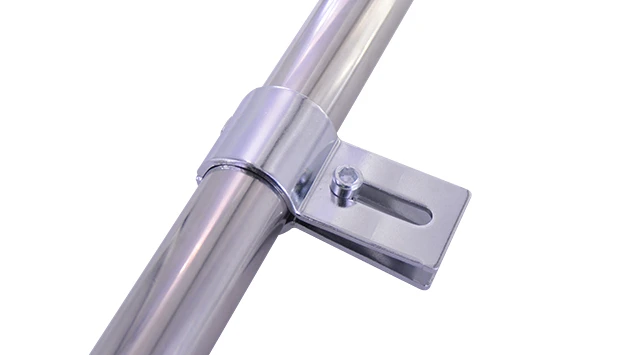
Lean Pipe Clamp B Chrome
Lean pipe clamp is used for turnover trolley, workbench, flowrack adjust the frame or fix some accessory.
In the world of manufacturing, "lean" has long been synonymous with efficiency—streamlining processes, cutting waste, and maximizing productivity. But as businesses worldwide pivot toward greener operations, a new question is emerging: How sustainable are the very tools that make lean manufacturing possible? Today, we're zeroing in on a yet critical component: the Lean Pipe Clamp B Chrome. If you've ever assembled a workbench, built a flow rack, or designed a production line, you've likely encountered these small but mighty connectors. But when their lifecycle ends, what happens next? Can they be recycled? And what does that mean for your company's sustainability goals? Let's dive into these questions and more, exploring the intersection of lean systems and environmental responsibility.
First Things First: What is a Lean Pipe Clamp B Chrome?
Before we tackle recyclability, let's make sure we're all on the same page. Lean Pipe Clamp B Chrome is a type of lean pipe joint, designed to connect lean pipes (often steel or aluminum) in modular workstations, material racks, and production lines. Think of it as the "glue" that holds lean systems together—durable, adjustable, and built to withstand the rigors of factory floors. The "chrome" in its name refers to its finish: a thin layer of chromium plating applied to the steel base, which adds corrosion resistance and a sleek, professional look. These clamps are workhorses in industries from automotive to electronics, prized for their versatility and low cost.
But here's the thing: While lean manufacturing focuses on reducing waste in production, it often overlooks the waste generated by the production tools themselves. That's where sustainability comes in. As companies strive to meet ESG (Environmental, Social, Governance) targets, understanding the lifecycle of components like Lean Pipe Clamp B Chrome is becoming just as important as optimizing their performance on the factory floor.
The Big Question: Can Lean Pipe Clamp B Chrome Be Recycled?
Let's cut to the chase: Yes, Lean Pipe Clamp B Chrome can be recycled —but the process isn't as straightforward as tossing it in a standard recycling bin. To understand why, we need to break down its composition. Most Lean Pipe Clamp B Chrome units are made of two main materials: a steel core and a chromium plating. Steel is one of the most recycled materials on the planet, with a recycling rate of over 90% in many countries. Chromium, however, is a harder nut to crack. While it's not toxic in its metallic form, the plating process can leave trace chemicals, and separating chromium from steel requires specialized handling.
"The key is proper sorting and processing," explains Maria Gonzalez, a materials engineer at a leading lean pipe supplier. "If you just throw a chrome-plated clamp into a scrap steel bin, the chromium can contaminate the melt during recycling. But with the right steps—like stripping the plating or sending it to a facility that specializes in mixed-material recycling—it's absolutely possible to recover the steel and even the chromium in some cases."
So, while recyclability is possible, it depends on two factors: the recycling infrastructure available to you and the steps you take to prepare the clamps for disposal. Let's unpack that process next.
The Recycling Process: From Factory Floor to New Life
Recycling Lean Pipe Clamp B Chrome isn't a one-size-fits-all process, but it typically follows these stages:
1. Collection and Sorting
First, the clamps must be collected separately from other waste. Many manufacturers now have designated bins for metal scrap, but it's crucial to label them clearly—"Chrome-Plated Steel Components" or similar—to alert recyclers to the plating. Mixing chrome-plated items with plain steel can lead to contamination, so segregation is key. Some lean system suppliers even offer take-back programs, where they collect old components directly from clients for responsible recycling.
2. Stripping the Chrome Plating (Optional)
In some cases, recyclers will strip the chromium plating before melting the steel. This is done using chemical processes (like acid baths) or mechanical methods (such as grinding). While this step adds cost, it ensures the steel can be recycled into high-quality new products. However, advancements in recycling technology mean that some facilities can now melt chrome-plated steel directly, with the chromium separating into slag (a byproduct) that can be safely disposed of or repurposed.
3. Melting and Purification
The stripped or intact clamps are then melted in a furnace at high temperatures (around 1,500°C for steel). During melting, impurities—including any remaining chromium, paint, or dirt—rise to the surface as slag, which is skimmed off. The purified steel is then cast into ingots or sheets, ready to be reused in new products. Depending on the facility, the chromium in the slag may also be recovered and used in other industrial processes, such as stainless steel production (a bonus for the stainless steel pipe series often used alongside lean pipes).
4. Repurposing into New Components
Once recycled, the steel from Lean Pipe Clamp B Chrome can take on new life. It might become part of a new lean pipe, a structural beam, or even a car part. The key benefit? Recycling steel uses 75% less energy than producing it from raw iron ore, according to the World Steel Association. That translates to lower carbon emissions and reduced reliance on mining—both wins for the planet.
Comparing Lean Materials: How Does Chrome-Plated Steel Stack Up?
Of course, Lean Pipe Clamp B Chrome isn't the only game in town. Manufacturers today can choose from a range of materials, including aluminum profile, stainless steel pipe series, and even plastic-coated lean pipes. How do these options compare when it comes to recyclability? Let's take a closer look with this handy table:
| Material Type | Base Material | Coating/Finish | Recyclability Rate* | Energy Savings vs. Virgin Material | Common Uses |
|---|---|---|---|---|---|
| Lean Pipe Clamp B Chrome | Carbon Steel | Chromium Plating | 85-90% | 75% | Workbenches, flow racks, lean pipe joints |
| Aluminum Profile | Aluminum | Anodized or Powder-Coated | 95-100% | 95% | Lightweight workstations, aluminum guide rails |
| Stainless Steel Pipe Series | Stainless Steel (Iron + Chromium/Nickel) | Natural or Brushed | 90-95% | 60% | Food-grade production lines, high-corrosion environments |
| Plastic-Coated Lean Pipe | Steel + Plastic Coating | PVC or PE Coating | 60-70% (coating must be removed) | 50% | Basic production lines, turnover trolleys |
*Estimates based on industry data; rates vary by region and recycling facility.
As the table shows, aluminum profile leads the pack in recyclability and energy savings, thanks to its ability to be melted and reused repeatedly without losing quality. Stainless steel pipe series also scores high, with its alloy composition making it highly recyclable. So, if sustainability is a top priority, why might you still choose chrome-plated steel clamps? Cost and durability. Chrome-plated steel is often cheaper than aluminum or stainless steel, and its high tensile strength makes it ideal for heavy-duty applications.
The takeaway? There's no "perfect" material, but understanding their environmental trade-offs can help you make greener choices for your lean system.
Sustainability FAQs: Your Burning Questions Answered
We've covered the basics, but you likely have more questions. Here are answers to some of the most common ones we hear from manufacturers and facility managers:
Q: Is recycling Lean Pipe Clamp B Chrome more expensive than throwing it away?
A: Initially, yes—sorting and preparing the clamps for recycling may take time and resources. However, many regions now charge landfill taxes or "tipping fees" for waste disposal, which can make recycling cheaper in the long run. Additionally, some recyclers will pay for scrap metal, offsetting costs further. For example, a 2023 study by the Sustainable Manufacturing Association found that companies using metal recycling programs saved an average of 12% on waste disposal costs annually.
Q: Can I reuse old Lean Pipe Clamp B Chrome instead of recycling?
A: Absolutely! Reuse is even better than recycling, as it skips the energy-intensive melting process. Many clamps can be cleaned, repaired (if the plating is worn but the steel is intact), and repurposed in less critical applications—think storage racks in warehouses instead of production lines. Some lean pipe suppliers also sell refurbished components at a discount, closing the loop on the product lifecycle.
Q: How does chrome plating affect the environment during production?
A: Chromium plating does have environmental impacts, primarily from the chemicals used in the process (like hexavalent chromium, which is toxic if not handled properly). However, modern plating facilities use closed-loop systems to capture and reuse these chemicals, minimizing waste. If this is a concern, look for clamps labeled "RoHS-compliant" or "Hexavalent Chromium-Free," as these meet strict EU standards for hazardous substance reduction.
Q: Are there eco-friendly alternatives to Lean Pipe Clamp B Chrome?
A: Yes! For starters, aluminum profile clamps offer similar functionality with higher recyclability. Plastic-coated lean pipe joints (using recycled plastic) are another option, though they're less durable for heavy use. Some suppliers also offer stainless steel clamps from the stainless steel pipe series, which avoid chromium plating altogether (stainless steel contains chromium as an alloy, making it naturally corrosion-resistant).
Q: How can I convince my team to prioritize recycling these clamps?
A: Education is key. Host a short training session explaining why segregation matters—use the energy savings stats we mentioned earlier (75% for steel!) to highlight the impact. Make it easy: Place clearly labeled bins near workstations where clamps are frequently replaced. And consider tying recycling efforts to team goals—maybe a monthly "Green Champion" award for the department with the most properly sorted scrap. Small incentives go a long way!
Beyond Clamps: Building a Sustainable Lean System
While Lean Pipe Clamp B Chrome is a critical component, true sustainability in lean manufacturing requires a holistic approach. Here are a few ways to extend eco-friendly practices across your entire lean system:
1. Choose Modular and Reconfigurable Designs
One of the best ways to reduce waste is to design systems that can adapt as your needs change. Lean pipes and aluminum profiles are inherently modular—meaning you can disassemble and rebuild workbenches or flow racks instead of replacing them entirely. For example, a workbench built with aluminum guide rails and lean pipe joints can be reconfigured in hours, avoiding the need for new materials.
2. Opt for Recyclable or Renewable Materials
When sourcing new components, ask suppliers about their materials. Look for aluminum profile made from recycled aluminum, or lean pipes with plastic coatings derived from post-consumer waste. Some manufacturers even offer "cradle-to-cradle" certifications, ensuring products are designed for recyclability from the start.
3. Partner with Sustainable Suppliers
Your suppliers play a huge role in your sustainability journey. Choose lean pipe suppliers and lean system suppliers who prioritize eco-friendly practices—whether through take-back programs, renewable energy use in production, or carbon-neutral shipping. A quick check of their website or a simple email inquiry can reveal a lot about their commitment.
4. Track and Reduce Material Waste
Lean manufacturing is all about data, so apply that mindset to sustainability. Track how many clamps, pipes, and profiles you discard annually, and set targets to reduce that number—through reuse, recycling, or better inventory management. Even small changes, like ordering only the components you need, can cut down on excess waste.
The Future of Lean and Sustainability
As consumer demand for eco-friendly products grows and regulations tighten (think the EU's Circular Economy Action Plan or California's strict recycling laws), sustainability will only become more central to manufacturing. For lean systems, this means innovation is on the horizon. We're already seeing trends like:
- Bio-based coatings: Research into plant-derived coatings for steel clamps, reducing reliance on chromium.
- Smart recycling tags: RFID chips in components that store material info, making sorting easier for recyclers.
- Closed-loop supplier networks: Manufacturers partnering with recyclers to turn old components into new ones, creating a circular supply chain.
For now, though, the power is in your hands. By making informed choices about components like Lean Pipe Clamp B Chrome—prioritizing recycling, reusing where possible, and choosing sustainable alternatives—you're not just cutting costs or streamlining processes. You're building a lean system that's ready for the future: efficient, resilient, and kind to the planet.
Final Thoughts: Small Clamps, Big Impact
So, can Lean Pipe Clamp B Chrome be recycled? The answer is a resounding "yes"—with a little effort. From sorting and stripping to melting and repurposing, these small components can find new life, reducing your carbon footprint and supporting a circular economy. And while aluminum profile or stainless steel pipe series might offer slightly better recyclability, chrome-plated steel remains a viable, cost-effective option for many manufacturers—especially when paired with responsible disposal practices.
At the end of the day, sustainability in lean manufacturing isn't about perfection; it's about progress. Every clamp recycled, every component reused, and every supplier chosen for their green practices brings you one step closer to a system that's efficient and environmentally responsible. So, the next time you replace a worn-out clamp, remember: it's not just a piece of metal. It's an opportunity to build a better, leaner, greener future.