- Company Articles
- FAQ
- FAQ
- Castor Installation Base FAQs: Answering Your Top Questions for Lean Pipe Systems

Castor Installation Base FAQs: Answering Your Top Questions for Lean Pipe Systems
Related Product
Castor Installation Base
Pipe fitting castor installation base,Well made, precise and strong. Made of high quality of steel,black painting surface treatment for greater resistance to corrosion. It is used for castor or foot lever connection with lean pipe.
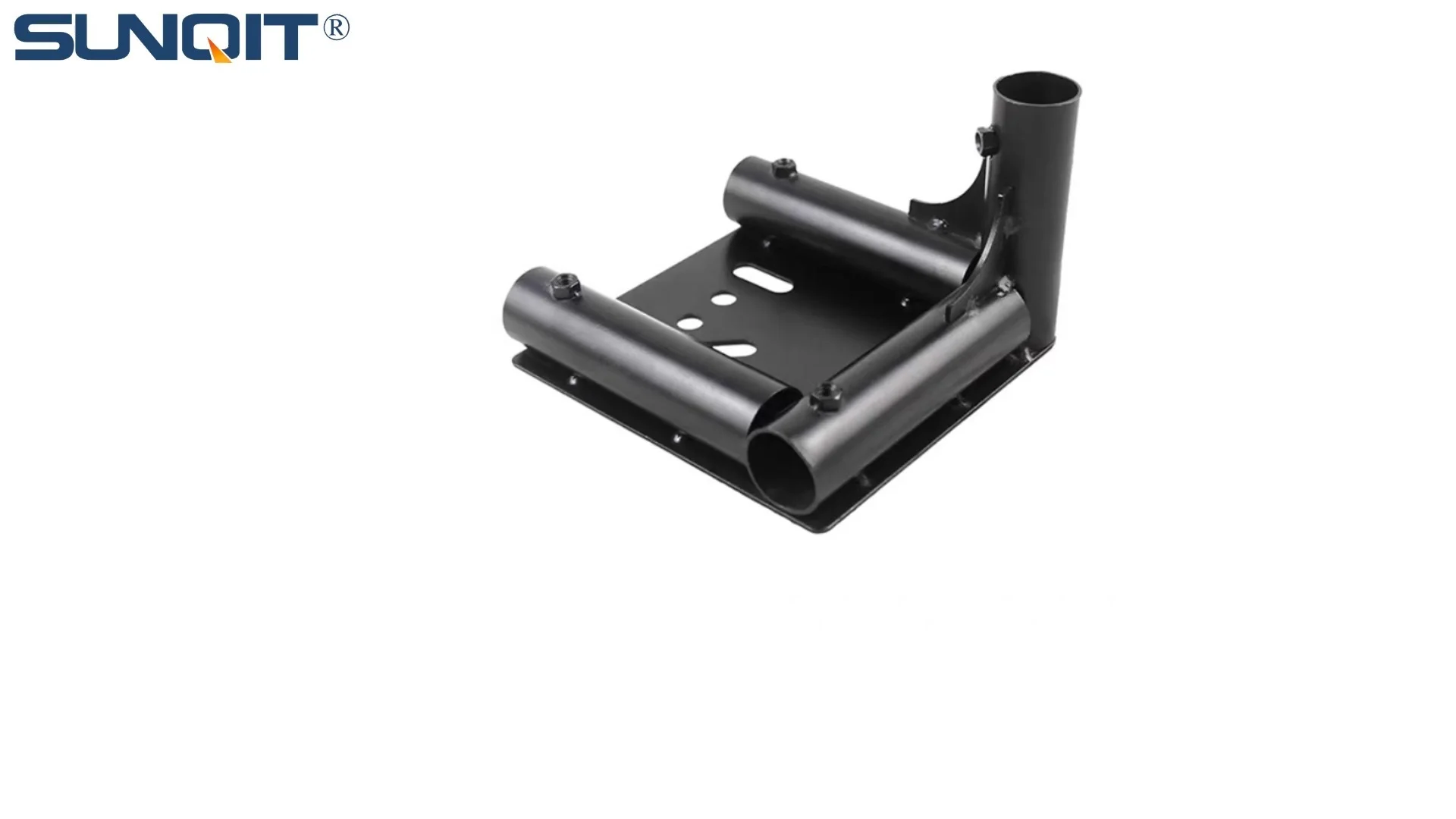
Whether you're setting up a new production line, upgrading your workshop, or fine-tuning a lean manufacturing system, the small components often make the biggest difference. One such unsung hero? The castor installation base. In this guide, we're diving into the most common questions about these essential parts—from their role in lean pipe systems to installation tips and troubleshooting. Let's get started.
What Exactly Is a Castor Installation Base?
Let's start with the basics. A castor installation base is the component that connects a caster wheel to your lean pipe structure—think workbenches, turnover trolleys, or material racks. It's the bridge between the mobility of the caster and the stability of the frame, ensuring that your equipment moves smoothly without compromising structural integrity.
Imagine you're assembling a lean pipe workbench for your electronics assembly line. You've got the aluminum lean pipes cut to size, the joints tightened, and the worktop secured. But without a proper castor installation base, attaching those caster wheels directly to the pipe would be a disaster—they'd wobble, loosen over time, or even snap under the weight of tools and components. The base distributes the load evenly, locks the caster in place, and ensures alignment with the pipe's structure.
These bases come in various designs, from simple flat plates to adjustable brackets, and are often made from materials like steel, aluminum, or reinforced plastic. Their size, shape, and material depend on the weight capacity needed, the type of caster (swivel, rigid, with brake), and the specific lean pipe system they're paired with.
Why Does It Matter in a Lean Pipe System?
Lean manufacturing is all about efficiency—minimizing waste, streamlining workflows, and maximizing productivity. A castor installation base might seem like a minor detail, but it plays a huge role in keeping that efficiency intact.
First, mobility is key in lean environments. Workbenches that can be repositioned for different tasks, trolleys that glide between stations, and material racks that follow the flow of production—all of these rely on casters. But without a secure installation base, that mobility becomes a liability. A loose caster can slow down operations, cause accidents, or damage products. The base ensures that movement is controlled, smooth, and reliable.
Second, durability matters. Lean systems are built to last, and frequent adjustments or replacements eat into efficiency. A high-quality castor installation base resists wear and tear, even in busy factories with constant movement. It prevents the caster from loosening due to vibration, which means less downtime for repairs and more time focused on production.
Finally, safety can't be overlooked. In environments where workers are moving heavy loads—like a turnover trolley stacked with components—a wobbly caster could lead to spills, trips, or injuries. The installation base keeps the caster stable, reducing the risk of accidents and ensuring compliance with workplace safety standards.

Common Materials: Which One Is Right for You?
Castor installation bases are made from a range of materials, each with its own strengths. Let's break down the most popular options to help you choose:
| Material | Best For | Weight Capacity | Pros | Cons |
|---|---|---|---|---|
| Steel | Heavy-duty applications (e.g., material racks, industrial trolleys) | Up to 1,000 lbs per base | Extremely durable, high load-bearing, resistant to impact | Heavier than aluminum, prone to rust if not coated |
| Aluminum | Lightweight systems (e.g., workbenches, small trolleys) | Up to 500 lbs per base | Corrosion-resistant, lightweight, easy to install | Less rigid than steel; not ideal for constant heavy loads |
| Reinforced Plastic | Low-weight, non-conductive setups (e.g., ESD workstations) | Up to 200 lbs per base | Affordable, non-slip, resistant to chemicals | Lowest weight capacity; can crack under stress |
For example, if you're building a material rack B (3 row and 3 floor) to hold heavy automotive parts, steel bases are a no-brainer—they'll handle the weight without bending. On the flip side, an ESD workstation for sensitive electronics might use aluminum or plastic bases to avoid static buildup and keep the setup lightweight.
Many suppliers also offer coated options, like zinc-plated steel or anodized aluminum, to boost corrosion resistance—perfect for humid environments or facilities that use water-based cleaning solutions.

FAQs: Your Most Pressing Questions, Answered
1. How do I choose the right size castor installation base for my lean pipe workbench?
Size matters here, and it's determined by two main factors: the diameter of your lean pipe and the caster's stem size. Most lean pipes come in standard diameters—like 28mm for traditional lean pipes or 40mm for aluminum profiles—so start by checking your pipe's specs.
Next, look at the caster's stem. Casters typically have a stem diameter (the part that inserts into the base) of 10mm, 12mm, or 16mm. The installation base must have a matching stem hole to ensure a tight fit. If the hole is too big, the caster will wobble; too small, and you'll damage the stem or base during installation.
Don't forget weight capacity! A base that's too small for the load will bend or break. As a rule of thumb, calculate the total weight of your equipment (workbench + tools + materials) and divide by the number of casters. For example, a 4-caster workbench holding 800 lbs needs bases rated for at least 200 lbs each (plus a 20% safety margin, so 240 lbs). Most suppliers list weight ratings on their product pages, so always double-check.
2. Can I mix and match castor installation bases with different caster and accessories?
It's tempting to grab whatever caster and base are in stock, but mixing and matching can lead to headaches. While some bases are universal, many are designed for specific caster types—swivel vs. rigid, stem vs. plate-mount casters, or those with integrated brakes.
For example, a swivel caster with a brake requires a base that has a notch or slot to accommodate the brake lever. If you pair it with a base meant for a rigid caster (no brake), the lever won't have room to engage, rendering the brake useless. Similarly, plate-mount casters (which attach via screws) need a base with pre-drilled holes that line up with the caster's mounting plate—stem-style bases won't work here.
That said, some suppliers offer "universal" bases with adjustable slots or multiple hole patterns, which can work with a range of caster and accessories. If you're unsure, stick to matching sets from the same manufacturer, or ask your lean pipe supplier for compatibility charts. It's better to wait a few extra days for the right part than to risk a wobbly, unsafe setup.
3. I already have adjustable leveling feet on my workbench—do I still need a castor installation base?
Great question! Adjustable leveling feet are designed to stabilize equipment on uneven floors by raising or lowering individual legs. Castor installation bases, on the other hand, enable mobility. But here's the thing: you can use both—if you choose the right setup.
Many lean pipe systems are designed with "convertible" legs that let you swap between casters and leveling feet. For example, a workbench might have four legs, each with a mounting point for either a castor installation base (for mobility) or an adjustable leveling foot (for stationary use). In some cases, you can even use a hybrid setup: two casters for movement and two leveling feet to lock the workbench in place when needed.
But if you try to attach a caster directly to a leg that's meant for a leveling foot, you'll run into issues. The mounting holes might not align, or the leg might not be strong enough to support the caster's load. That's where a castor installation base comes in—it adapts the leg to accept the caster, ensuring a secure fit whether you're using casters, leveling feet, or both.
4. My castors wobble after installation—what's causing this?
Wobbly casters are a common frustration, but the fix is usually simple. Let's troubleshoot the most likely causes:
- Loose bolts: Over time, vibration from movement can loosen the bolts that secure the base to the lean pipe. Tighten them with a torque wrench to the manufacturer's specs—too loose, and they'll wobble; too tight, and you'll strip the threads.
- Misaligned base: If the base isn't square with the lean pipe frame, the caster will tilt. Use a level to check alignment during installation, and shim the base with washers if needed to straighten it out.
- Wrong size base: A base that's too small for the caster or pipe diameter won't grip properly. Double-check that the base matches your pipe size (e.g., 28mm lean pipe vs. 40mm aluminum profile) and caster stem diameter.
- Damaged caster stem: If the caster's stem is bent or dented, it won't seat properly in the base. Inspect the stem for damage before installation—if it's warped, replace the caster.
Pro tip: After installing, give the caster a quick shake. If it moves side-to-side but not up-and-down, it's probably misaligned. If it lifts up, the bolts are too loose. A properly installed caster should spin smoothly with no lateral movement.
5. Are castor installation bases compatible with aluminum lean pipes and profiles?
Aluminum lean pipes and profiles are popular for their lightweight, corrosion-resistant properties—common in cleanrooms, food processing, or electronics manufacturing. The good news? Most castor installation bases are compatible with aluminum systems, but there are a few things to keep in mind.
Aluminum is softer than steel, so over-tightening the base's bolts can strip the threads or warp the pipe. Use a torque wrench and follow the manufacturer's guidelines—typically 15-20 Nm for aluminum profiles. Also, look for bases with rubber or plastic washers to prevent the metal base from scratching or marring the aluminum surface.
Another consideration: weight. Aluminum systems are often used for lighter loads, so opt for aluminum or reinforced plastic bases to keep the overall weight down. Steel bases, while strong, can add unnecessary heft, making the equipment harder to move.
Finally, check the joint type. Aluminum lean pipes often use internal rotary aluminum joints or T-slot connections, which might require bases with notches or slots to fit around the joint hardware. If your frame has a joint near the caster mount, make sure the base doesn't interfere with the joint's rotation or tightening mechanism.
6. How do I maintain a castor installation base to prevent rust and wear?
Like any component in a lean pipe system, castor installation bases need a little TLC to last. Here's how to keep them in top shape:
- Clean regularly: Wipe down the base with a damp cloth to remove dirt, grease, or debris. In dusty environments (like woodworking shops), use a brush to dislodge particles from bolt holes or crevices—build-up can cause the base to loosen over time.
- Lubricate moving parts: If your base has adjustable components (like slots for brake levers), apply a small amount of silicone lubricant to prevent rust and keep them moving smoothly. Avoid oil-based lubricants, which attract dust.
- Inspect for rust: Steel bases are prone to rust in humid or wet environments. Check for signs of corrosion, and treat small spots with rust remover and touch-up paint. For long-term protection, consider powder-coated or zinc-plated steel bases.
- Tighten bolts quarterly: Even with lock washers, bolts can loosen due to vibration. Schedule a quick check every 3-6 months to tighten any loose hardware—this simple step can prevent costly repairs later.
For outdoor or washdown environments (like food processing plants), stainless steel bases are your best bet. They're resistant to corrosion and can withstand frequent cleaning with harsh chemicals.

Final Thoughts: Why the Right Base Makes All the Difference
At the end of the day, a castor installation base might not be the most glamorous part of your lean pipe system, but it's one of the most critical. It's the difference between a workstation that glides effortlessly across the factory floor and one that stalls, wobbles, or breaks under pressure.
By taking the time to choose the right size, material, and compatible caster and accessories, you'll ensure that your lean system runs efficiently, safely, and durably for years to come. And when in doubt, don't hesitate to reach out to your lean pipe supplier—they can help you select the perfect base for your specific application, whether it's a small workbench or a heavy-duty material rack.
So the next time you're assembling a lean pipe structure, remember: the castor installation base is the unsung hero holding it all together. Treat it with care, and it'll keep your operations moving forward.