- Company Articles
- FAQ
- FAQ
- Common FAQs About T-Groove Aluminum Pipe: Installation, Load & Compatibility

Common FAQs About T-Groove Aluminum Pipe: Installation, Load & Compatibility
Related Product
T-Groove Aluminum Pipe
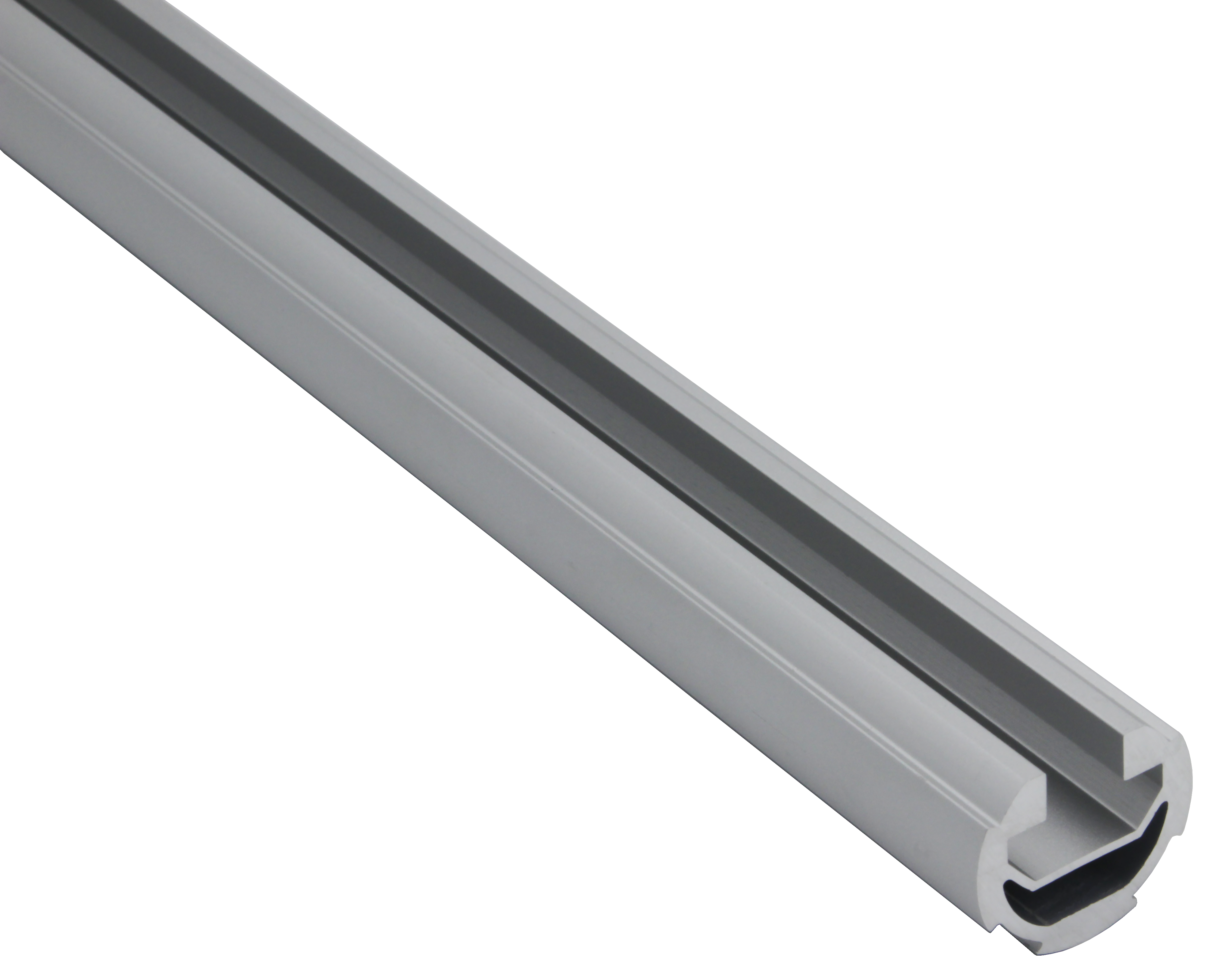
The aluminum pipe opening 10mm is installed into the T-shaped slider, which can be installed with casters or other matching functional parts. The groove can be used for positioning and is used for the track of the roller.
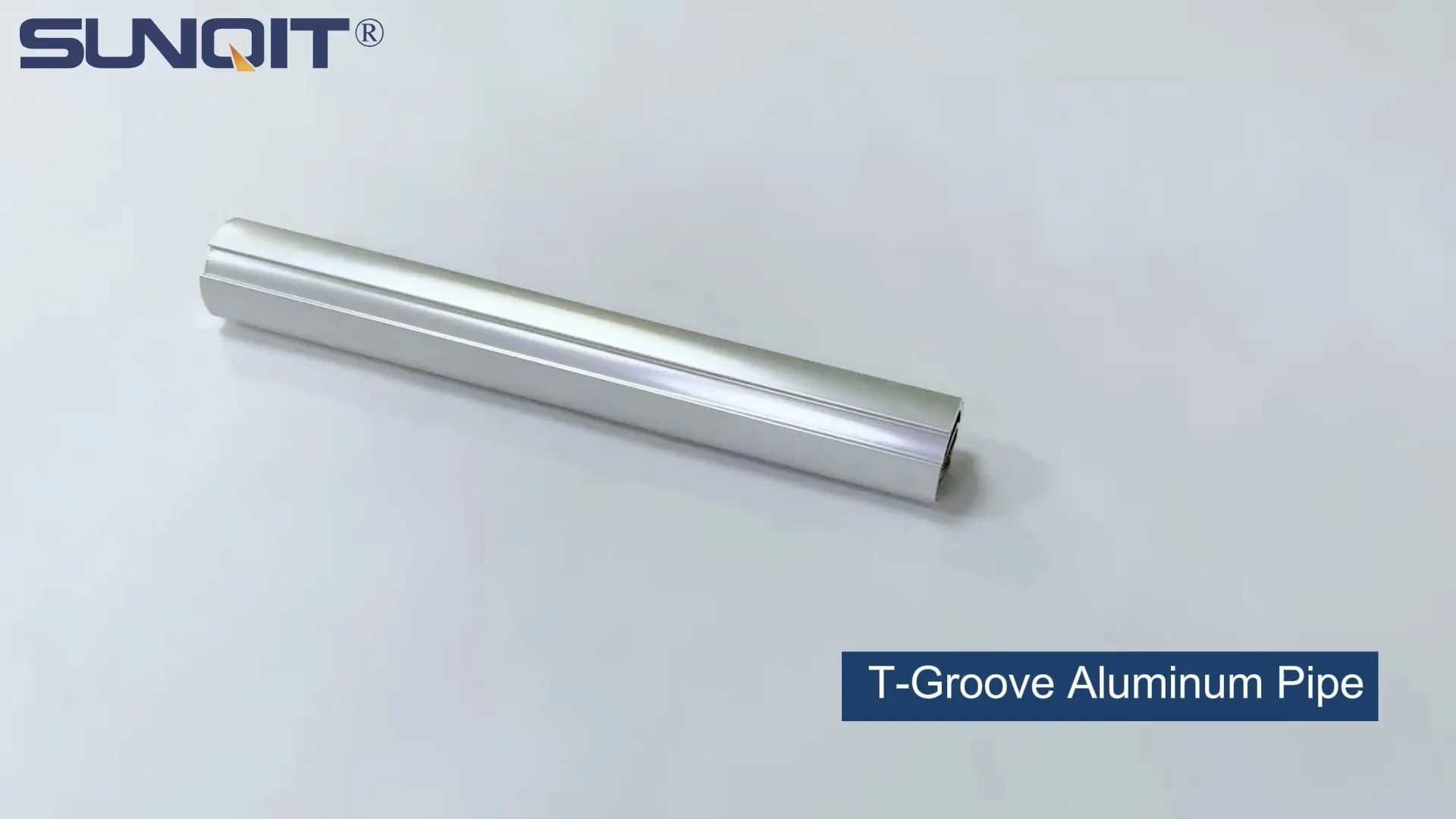
If you've ever walked through a manufacturing plant, visited a workshop, or even peeked into a DIY enthusiast's garage, chances are you've seen structures built with sleek, silver pipes—many of which are T-groove aluminum pipes. These versatile components have become a backbone in industrial and commercial setups, thanks to their flexibility, durability, and ease of customization. But if you're new to working with them, you probably have a lot of questions: How do you install them? How much weight can they hold? Will they work with the accessories you already have? In this guide, we're diving into the most common FAQs about T-groove aluminum pipes, covering everything from installation tips to load limits and compatibility. Whether you're building a workbench, setting up a material rack, or designing a custom conveyor system, this article will help you navigate the world of T-groove aluminum with confidence.
Installation: Getting Started with T-Groove Aluminum Pipes
What tools do I need to install T-groove aluminum pipes?
Installing T-groove aluminum pipes is refreshingly straightforward, and you won't need a truckload of specialized tools. At minimum, you'll want a hex key set (most joints use metric sizes like M5 or M6), a rubber mallet (to gently tap joints into place without damaging the aluminum), a measuring tape, and a level to ensure your structure is straight. For cutting pipes to length, a miter saw with a fine-tooth blade works best—just make sure to wear safety goggles to protect against aluminum shavings. If you're working with pre-cut pipes from a supplier, you might not even need a saw! Optional tools include a deburring tool (to smooth rough edges after cutting) and a torque wrench (to avoid over-tightening joints, which can strip threads or warp the aluminum).
How do I ensure a secure connection between pipes and joints?
The key to a secure connection lies in the T-slot design and the quality of your joints. Most T-groove aluminum pipes (often referred to as aluminum extrusion profiles) have slots running along their length, which allow joints, brackets, and accessories to slide into place and lock securely. Start by aligning the joint with the T-slot—you'll feel it click into position when it's seated correctly. Then, insert the hex bolt through the joint and into the T-slot nut (a small, slidable nut that fits inside the slot). Tighten the bolt with a hex key until it's snug, but don't overdo it—aluminum is softer than steel, so excessive force can strip the threads or bend the joint. For extra stability, especially in load-bearing structures, add a drop of thread locker to the bolt threads; this prevents loosening from vibration over time.
Can I install T-groove aluminum pipes by myself, or do I need professional help?
For small to medium-sized projects—like a single workbench or a small material rack—you can absolutely install T-groove aluminum pipes by yourself. The lightweight nature of aluminum (it's about 1/3 the weight of steel) makes handling easy, and the modular design means you can build in stages. That said, larger projects (e.g., a 10-foot tall shelving unit or a conveyor system spanning multiple workstations) might benefit from an extra pair of hands, especially when aligning long pipes or lifting assembled sections into place. If you're unsure about structural integrity—say, if your project needs to hold heavy machinery—consulting a structural engineer or an experienced aluminum profile supplier is a smart move. They can help you calculate load distribution and recommend reinforcement, like adding gussets or cross-braces.
Load Capacity: How Much Weight Can T-Groove Aluminum Pipes Handle?
What's the typical load capacity of T-groove aluminum pipes?
Load capacity varies depending on the pipe's size, wall thickness, and the type of joint used, but most standard T-groove aluminum pipes can handle surprisingly heavy weights. For example, a 20x20mm aluminum profile (common in small workbenches) might support 20-30 kg per linear meter when used horizontally, while a larger 40x80mm profile (used in industrial racks) can hold 100-150 kg per linear meter. Vertical load capacity is even higher—think of a 40x40mm post supporting a shelf; it could easily bear 300+ kg if properly braced. Keep in mind that these numbers are general guidelines; always check the specifications from your aluminum profile supplier, as they'll provide detailed load charts for their specific products.
How does pipe diameter and wall thickness affect load capacity?
Diameter and wall thickness are the two biggest factors in load capacity. Larger diameter pipes (e.g., 40mm vs. 20mm) have more structural rigidity, meaning they bend less under weight. Wall thickness matters too—a pipe with a 2mm wall will be stronger than a 1mm wall pipe of the same diameter. For example, a 30x30mm aluminum extrusion profile with a 1.5mm wall might support 50 kg horizontally, while the same profile with a 3mm wall could handle 80 kg. To visualize this, think of a drinking straw versus a PVC pipe: the thicker, wider pipe is far stiffer. When planning your project, prioritize larger diameters and thicker walls for heavy-duty applications, and save smaller profiles for lighter uses like shelving for tools or small parts.
Are there weight limits for different joint types?
Yes! Joints are often the "weakest link" in a T-groove aluminum structure, so it's critical to match the joint type to your load requirements. Fixed joints (like 90° or 45° connectors) are rigid and can handle more weight than swivel or adjustable joints, which are designed for flexibility. For example, a standard 90° aluminum profile connector might support 50 kg, while a rotating hinge joint could only handle 20 kg before becoming unstable. Even within fixed joints, design matters: a three-way joint (connecting three pipes) distributes weight better than a two-way joint, making it better for corner supports. Always check the joint's load rating in the supplier's catalog—many list "static load" (weight under no movement) and "dynamic load" (weight with vibration or movement, like a trolley on casters). When in doubt, over-engineer: add extra joints or use heavier-duty connectors to avoid failure.
| Aluminum Profile Size (mm) | Wall Thickness (mm) | Typical Horizontal Load Capacity (kg/m) | Common Use Case |
|---|---|---|---|
| 20x20 | 1.0-1.5 | 15-25 | Small shelves, lightweight workbenches |
| 30x30 | 1.5-2.0 | 30-50 | Medium workbenches, tool racks |
| 40x40 | 2.0-3.0 | 60-90 | Heavy-duty workstations, material racks |
| 40x80 | 2.5-3.5 | 100-150 | Industrial shelving, conveyor frames |
Compatibility: Mixing Pipes, Accessories, and Brands
Do T-groove aluminum pipes work with non-aluminum accessories?
Absolutely! One of the best things about T-groove aluminum pipes is their compatibility with a wide range of materials, including steel, plastic, and even wood. For example, you can attach steel brackets to aluminum pipes using T-slot nuts and bolts, or mount a wooden worktop onto an aluminum frame by drilling holes through the wood and securing it with screws into the T-slots. Plastic accessories like T-slot rubber seal covers (which snap into the T-slot to protect against dust and debris) are also widely used—they're affordable, easy to install, and add a professional finish. Just be mindful of material differences: steel is heavier than aluminum, so if you're adding steel components, factor that into your load calculations. Also, avoid mixing metals that corrode each other (e.g., aluminum and untreated steel in wet environments, which can cause galvanic corrosion). If in doubt, use a plastic spacer or coat steel parts with anti-corrosion paint.
Are there standard sizes across different suppliers?
For the most part, yes—T-groove aluminum pipes follow industry standards, especially when it comes to profile dimensions and T-slot spacing. The most common sizes are 20x20mm, 30x30mm, 40x40mm, and 40x80mm, with T-slots typically spaced 8mm or 10mm apart (measured from the center of one slot to the next). This standardization means that a 40x40mm aluminum extrusion profile from Supplier A will likely fit a 40x40mm joint from Supplier B. However, there are subtle differences to watch for: some suppliers use slightly thicker walls or different slot designs (e.g., rounded vs. square slots), which can affect compatibility with accessories like T-slot nuts. To avoid issues, stick to the same brand if possible, or ask your supplier for a "compatibility chart" that lists which of their products work with other brands. When ordering online, check the product specs for "slot width" and "profile dimensions"—matching these numbers is your best bet for a snug fit.
Can I mix and match pipes from different brands?
In most cases, yes, but proceed with caution. As mentioned, standard sizes like 30x30mm or 40x40mm are consistent across brands, so mixing pipes from Brand X and Brand Y should work for basic structures. However, problems can arise with accessories: if one brand uses proprietary T-slot nuts (e.g., a unique shape that only fits their slots), those nuts won't work with another brand's pipes. Another issue is finish—some brands anodize their aluminum (a process that adds a protective layer) in different colors or thicknesses, which might make the pipes look mismatched if that matters to you. For critical projects (like a production line conveyor), it's safer to stick to one brand to ensure perfect compatibility. For DIY or low-stakes projects, mixing brands is usually fine—just test a small section first (e.g., connect one pipe and joint from each brand) to make sure they fit before committing to the full build.

Materials & Durability: Why Aluminum Stands Out
What's the difference between aluminum profile and aluminum extrusion profile?
Great question! The terms are often used interchangeably, but "aluminum extrusion profile" refers to how the pipe is made, while "aluminum profile" is a general term for the finished product. Aluminum extrusion is a manufacturing process where heated aluminum is pushed through a die (a metal mold) to create a specific shape—like the T-groove design we're discussing. This process allows for complex, consistent shapes (including the T-slots) that would be hard to achieve with other methods like welding or cutting. So, all T-groove aluminum pipes are aluminum extrusion profiles, but not all aluminum profiles are extruded (some might be cast or machined). The extrusion process is what gives T-groove pipes their strength, uniformity, and cost-effectiveness—extruded aluminum is strong yet lightweight, making it ideal for everything from workbenches to industrial machinery frames.
Are T-groove aluminum pipes corrosion-resistant?
Yes, aluminum is naturally corrosion-resistant, thanks to a thin layer of aluminum oxide that forms on its surface when exposed to air. This layer acts as a barrier, preventing further oxidation (rusting). For most indoor applications (like workshops or offices), this natural resistance is enough. For outdoor use or humid environments (e.g., food processing plants or car washes), many suppliers offer anodized aluminum profiles—anodizing thickens the oxide layer, making the pipes even more resistant to moisture, chemicals, and UV rays. Anodized aluminum can also be dyed, so you'll see options in black, silver, or even custom colors. Compared to steel, which needs regular painting or coating to prevent rust, aluminum is low-maintenance—just wipe it down with a damp cloth to remove dust or grime. The only exception is saltwater environments (like coastal areas), where aluminum can still corrode over time; in those cases, stainless steel might be a better choice, but it's heavier and less flexible than aluminum.

Accessories: Enhancing Your T-Groove Aluminum Structure
What are essential T-groove aluminum profile accessories?
The beauty of T-groove aluminum pipes is that accessories let you turn a basic frame into a fully functional structure. Some must-have accessories include: T-slot nuts and bolts (the "glue" that holds everything together), end caps (to cover sharp pipe ends and prevent dust buildup), and corner brackets (for reinforcing 90° joints). For workbenches, add a tabletop (wood, plastic, or aluminum honeycomb panel) and a power strip bracket (to keep tools plugged in). If you need mobility, casters (wheels) with brakes are a game-changer—just make sure the caster mounts fit your pipe size. For material handling, roller tracks (which slide into T-slots) turn shelves into gravity-fed racks, perfect for moving boxes or parts along a production line. And don't forget T-slot rubber seal covers—these small, flexible strips snap into the T-slots to protect against debris, reduce noise (from items sliding in the slots), and give your structure a polished look. Most suppliers sell accessory kits tailored to common projects (e.g., "workbench starter kit" or "shelving kit"), which take the guesswork out of shopping.
Can I add casters or wheels to T-groove aluminum structures?
Absolutely! Casters are one of the most popular accessories for T-groove aluminum, as they turn static structures into mobile ones. To add casters, start with a caster mount (a bracket that attaches to the bottom of your aluminum frame via T-slots). Then, screw the caster into the mount—most casters come with pre-drilled holes that line up with standard mount sizes. For heavy structures (like a workbench loaded with tools), opt for heavy-duty casters with locking brakes (to keep the structure from rolling when in use). Swivel casters (which rotate 360°) are great for maneuverability, while rigid casters (fixed in place) work best for straight-line movement (e.g., a trolley that only moves back and forth along a conveyor). When choosing casters, check the "load rating per caster"—a typical 4-inch caster can handle 50-100 kg, so a four-caster setup could support 200-400 kg total. And don't forget to account for the weight of the structure itself plus the items you'll be placing on it!
Final Thoughts: Making the Most of T-Groove Aluminum Pipes
T-groove aluminum pipes are more than just building materials—they're a blank canvas for innovation. Whether you're a small business owner looking to optimize your workshop, a manufacturer designing a custom production line, or a DIYer building a garage storage system, these pipes offer the flexibility to create exactly what you need. By understanding installation basics, load capacities, and compatibility, you can avoid common pitfalls and build structures that are strong, durable, and tailored to your needs. And with a wide range of accessories—from casters to T-slot rubber seal covers—you can keep refining and upgrading your setup as your needs change. So go ahead: grab a hex key, measure twice, and start building—your perfect T-groove aluminum structure is waiting!