- Company Articles
- FAQ
- FAQ
- Common Issues with 40 Steel Wheel Roller Track & Fixes

Common Issues with 40 Steel Wheel Roller Track & Fixes
Related Product
40 Steel Wheel Roller Track
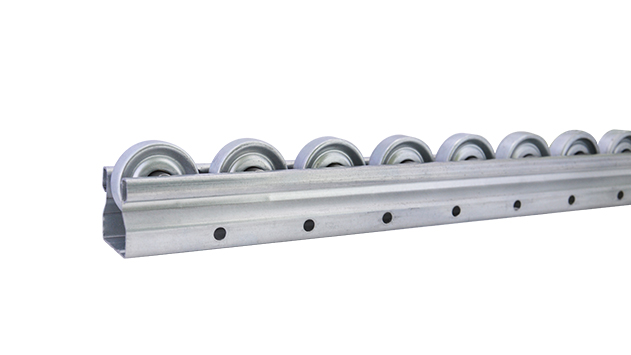
Heavy duty steel wheel roller track with cylindrical steel rollers for use in processing, logistics and materials handling operations. Ideal for transporting goods quickly and easily as well as for installing on shelving to aid in picking operations.
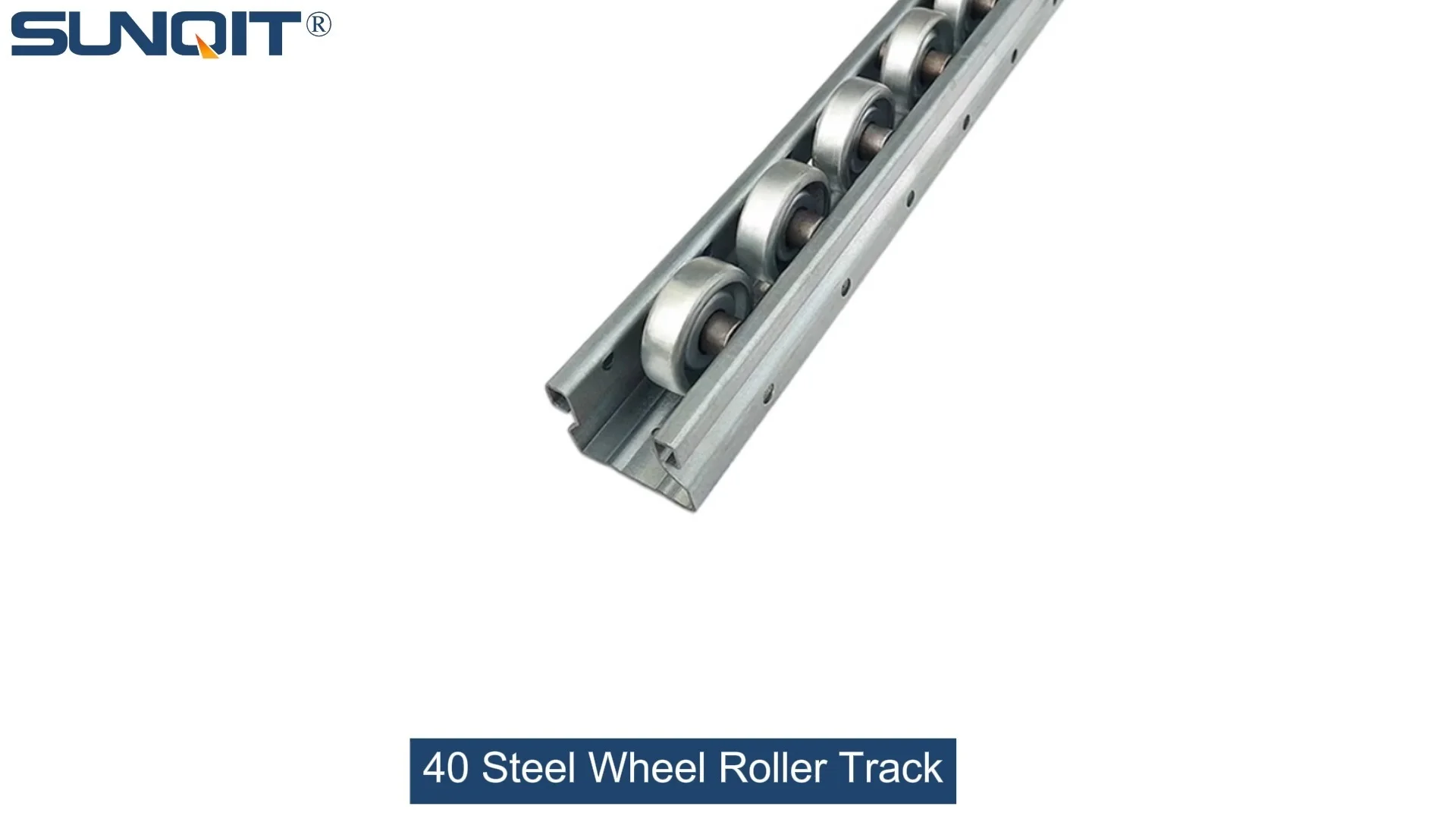
In the fast-paced world of manufacturing, where every second counts, the 40 steel wheel roller track stands as an unsung hero. Whether it's moving components along an assembly line, transporting finished products in a warehouse, or streamlining order fulfillment in logistics, this unassuming piece of equipment plays a critical role in keeping operations running like clockwork. But what happens when this hero stumbles? When wheels jam, connections loosen, or tracks bend under pressure, the entire production chain can grind to a halt—costing time, money, and frustration. Let's dive into the most common headaches with 40 steel wheel roller tracks, why they happen, and how to fix them for good.
The Top 5 Headaches (and How to Cure Them)
1. Wheel Jamming & Uneven Movement: When Smooth Flow Turns into a Struggle
Picture this: A cart loaded with delicate 3C components glides along the roller track—until suddenly, it jerks to a stop. The operator pushes harder, the wheels skid, and a component teeters on the edge. Sound familiar? Wheel jamming is the most common culprit behind disrupted workflows, and it's rarely a single issue.
Why it happens: More often than not, it's a combo of neglect and wear. Dust, metal shavings, or even small product residues build up between the wheel and track over time, acting like sandpaper. Without regular lubrication, the friction skyrockets. Add in worn-out wheels (especially if they're low-quality steel) that develop flat spots or cracks, and you've got a recipe for jams.
Fix it fast: Start with a deep clean—use compressed air to blow out debris, then wipe tracks with a lint-free cloth dampened with industrial cleaner. Follow up with a high-temp lubricant (avoid greasy formulas that attract more dust). For worn wheels, swap them out for heat-treated steel wheels with precision bearings—they're built to handle heavy loads and resist flat-spotting. Pro tip: Install simple debris guards along the track edges to catch stray particles before they cause trouble.
2. Loose or Misaligned Track Connections: When the "Rails" Go Off the Rails
Ever noticed your roller track has started to "wobble" at the joints? Or maybe sections have shifted, leaving gaps where wheels catch? That's usually down to loose roller track placon mount connectors —the unsung heroes that hold track sections together. When these small but mighty parts fail, the entire system's stability goes out the window.
Why it happens: Constant vibration from heavy carts, over-tightening during installation (yes, that's a thing—over-torquing can strip threads), or using low-grade connectors that corrode or warp over time. In busy warehouses, even accidental impacts from forklifts or pallet jacks can knock connectors loose without anyone noticing until it's too late.
Fix it fast: Grab a torque wrench and check all connectors—they should be tight but not stripped (follow the manufacturer's torque specs!). replace any corroded or bent connectors with aluminum alloy placon mount connectors —they're lightweight, corrosion-resistant, and designed to absorb vibration. For misaligned sections, use a laser level to realign tracks, then secure them with locking washers to prevent future shifts. A quick monthly "connector check" during routine maintenance can save you from big headaches later.
3. Track Deformation Under Heavy Loads: When "Sturdy" Starts to Sag
You bought a "heavy-duty" roller track, so why is the middle section starting to bow under your typical cart loads? Sagging tracks aren't just an eyesore—they force wheels to work harder, increase friction, and can even damage sensitive products (like medical devices or electronics) that need level transport.
Why it happens: Two main culprits here. Either the track was undersized from the start (picking a 40mm track when you really need 60mm for 500kg+ loads), or it's been overloaded repeatedly. Low-quality steel with thin walls is also a problem—even if it's labeled "40 steel," if the gauge is too light, it'll bend under stress. Temperature swings don't help either; steel expands and contracts, weakening the structure over time.
Fix it fast: First, check your load specs! If you're regularly moving carts over 300kg, upgrade to a reinforced 40 steel track with thicker walls (3mm+ is ideal) or switch to aluminum profile tracks with internal ribbing for extra strength without extra weight. For existing sagging tracks, add intermediate support brackets every 1.5m (instead of the standard 2m) to distribute weight better. And remember: Even heavy-duty tracks have limits—post load limits clearly near track sections to prevent operator error.
4. ESD Protection Failures: When Static Shocks Cost You Big
In 3C assembly or medical device manufacturing, static electricity is a silent killer. If your roller track is supposed to dissipate static (ESD-rated), but you're still seeing damaged circuit boards or static shocks to operators, the track might be the culprit.
Why it happens: ESD roller tracks rely on conductive steel wheels and grounded tracks to channel static away. Over time, dirt and oil build-up on wheels can insulate them, breaking the conductive path. Loose ground connections (often hidden under rust or paint) are another common issue. Even using non-ESD connectors or casters (yes, caster wheels matter here!) can disrupt the static-dissipating chain.
Fix it fast: Test track conductivity weekly with a multimeter—look for readings below 30 ohms (the industry standard for ESD protection). Clean wheels and tracks with ESD-safe cleaner (never use alcohol, which dries out conductive coatings). replace non-conductive casters with ESD-compliant caster wheels featuring conductive rubber tires and metal stems that maintain ground contact. And don't forget the basics: Ensure all track sections are bonded together with conductive connectors and that the main ground wire is securely attached to a verified earth ground.
5. Annoying Noise Levels: When Your Factory Sounds Like a Construction Site
A little noise is expected in manufacturing—but when your roller track sounds like a freight train, it's not just a nuisance. Excessive noise (over 85dB) can lead to operator fatigue, compliance issues with OSHA standards, and even mask warning signals from machinery.
Why it happens: Metal-on-metal contact is the main offender—worn wheels scraping against tracks, loose connectors rattling, or misaligned sections causing "clanging" as carts pass over gaps. Low-quality bearings in wheels also squeal as they wear out, adding to the racket.
Fix it fast: Start with those bearings—swap out noisy wheels for precision-sealed bearings ; they're designed to run quietly even under heavy loads. Add rubberized edge strips to track joints to cushion impacts between carts and track ends. For particularly loud sections, consider aluminum profile accessories like sound-dampening covers that fit over tracks—they're lightweight and easy to install. Finally, lubricate tracks regularly (as mentioned earlier) to reduce friction noise. Your operators (and your eardrums) will thank you.
Quick Fix Reference: Common Issues at a Glance
| Issue | Key Cause | Fast Fix | Long-Term Prevention |
|---|---|---|---|
| Wheel Jamming | Debris, dry bearings, worn wheels | Clean + lubricate; replace worn wheels | Install debris guards; use heat-treated wheels |
| Loose Connections | Vibration, stripped connectors | Retighten with torque wrench; replace with aluminum connectors | Monthly connector checks; use locking washers |
| Track Sagging | Undersized track, overloading | Add support brackets; upgrade to reinforced track | Post load limits; use 3mm+ wall thickness tracks |
| ESD Failures | Dirty wheels, broken ground connections | Clean with ESD-safe cleaner; check ground wires | Use ESD casters + conductive connectors; weekly conductivity tests |
| Excessive Noise | Metal-on-metal contact, worn bearings | Add rubber edge strips; swap for sealed bearings | Install sound-dampening covers; regular lubrication |
Proactive Maintenance: Keep It Rolling for Years
Fixing issues is one thing—preventing them is where the real savings are. A simple weekly maintenance checklist can extend your roller track's lifespan by 3-5 years:
- Clean + Lubricate: Wipe tracks, blow out debris, and apply lubricant to wheels and bearings.
- Inspect Connections: Tighten loose placon mount connectors and check for corrosion.
- Test Wheels: Spin each wheel by hand—if it doesn't rotate smoothly, mark it for replacement.
- Check Alignment: Use a straightedge to ensure track sections are flush and level.
- ESD Test: Verify conductivity with a meter (critical for electronics/medical lines).
And remember: Not all roller tracks (or accessories) are created equal. Cutting corners on cheap steel, flimsy connectors, or non-ESD components might save a few dollars upfront, but it'll cost you in downtime, repairs, and lost productivity later. Investing in high-quality aluminum profile accessories , precision-machined connectors, and heavy-duty casters pays off in smoother operations and fewer headaches.
Ready to Upgrade? It Starts with the Right Partner
Your 40 steel wheel roller track isn't just a piece of equipment—it's the backbone of your production line. When it runs smoothly, everything else follows: faster throughput, happier operators, and fewer costly delays. Whether you're dealing with jams, loose connections, or ESD issues, the fix starts with understanding the problem, using the right parts, and staying proactive with maintenance.
And if you're tired of band-aid solutions? Look for a supplier that doesn't just sell tracks—they design lean solutions tailored to your workflow. From custom track layouts that minimize jams to ESD-compliant systems built for sensitive manufacturing, the right partner can turn your roller track from a headache into a competitive advantage.
So, take a walk to your production floor today. Check those roller tracks. Listen for squeaks. Tighten those connectors. Your bottom line (and your operators) will thank you.