- Company Articles
- FAQ
- FAQ
- Common Issues with 60 Steel Roller Track White and Troubleshooting

Common Issues with 60 Steel Roller Track White and Troubleshooting
Related Product
60 Steel Roller Track White
The roller track can be installed with multiple accessories to create different slopes and configurations of flow racks.All steel conveyor 60 roller track accessories are engineered to perfectly fit the sliding rail.It is enable the movement of SLC boxes.
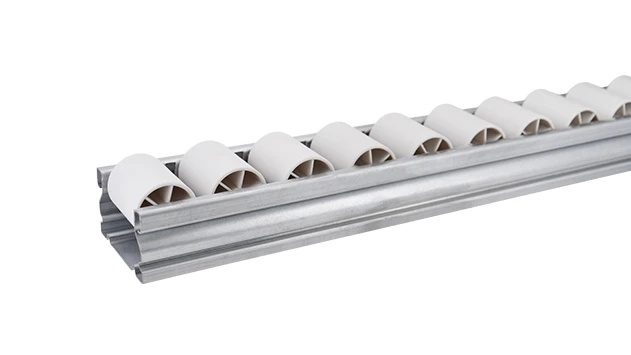
If you've ever worked with flow racks or conveyors in a warehouse or production line, you know how crucial smooth-moving roller tracks are to keeping operations running. 60 Steel Roller Track White is a popular choice for many businesses—its durable steel construction and clean white finish make it ideal for lean systems in industries like 3C assembly, medical equipment, and warehousing logistics. But like any piece of industrial equipment, it can run into problems over time. In this article, we'll break down the most common issues you might face with your 60 Steel Roller Track White and give you practical troubleshooting tips to fix them quickly. We'll also touch on how to prevent these issues from happening in the first place, so your lean solution stays efficient.
Before diving into the issues, let's recall what 60 Steel Roller Track White is used for. It's a key component in flow racks, where it helps items slide from one end to the other with minimal effort. It's also used in conveyors to move products along assembly lines. Whether you're using it for a small workbench or a large-scale production system, understanding how to maintain it is essential. And if you need replacement parts or roller track accessories, suppliers like Sunqit offer a wide range of options to keep your system in top shape.
1. Roller Jamming or Sticking
One of the most frustrating issues with 60 Steel Roller Track White is when rollers get jammed or stuck. This can slow down your workflow, cause delays in order fulfillment, or even damage the items you're moving. Let's look at why this happens and how to fix it.
| Causes | Troubleshooting Steps | Prevention Tips |
|---|---|---|
| Debris buildup (dust, dirt, small packaging fragments) in roller bearings or between rollers. |
1. Turn off the conveyor or stop using the flow rack.
2. Use a soft brush or compressed air to remove debris from between rollers. 3. For bearings, apply a small amount of lubricant (like silicone oil) to loosen stuck parts. 4. If debris is hard to remove, use a damp cloth (avoid harsh chemicals) to wipe the area. |
1. Schedule weekly cleaning sessions for your roller tracks.
2. Use dust covers when the track isn't in use. 3. Place mats at entry points to reduce dirt being carried onto the track. |
| Worn or damaged rollers (cracks, flat spots, or broken bearings). |
1. Identify the worn rollers by checking each one for movement.
2. Remove the damaged roller using the appropriate roller track accessories (like connectors or tools). 3. replace it with a new roller that matches your 60 Steel Roller Track White specifications. 4. Test the new roller to ensure it moves smoothly. |
1. Inspect rollers monthly for signs of wear.
2. Order replacement rollers from a reliable supplier (like Sunqit) to ensure compatibility. 3. Avoid overloading the track, which can accelerate roller wear. |
| Misalignment of the track (tracks not straight or level, causing rollers to bind). |
1. Check the track's alignment using a level tool.
2. Adjust the supports or connectors to straighten the track. 3. Tighten any loose bolts or screws that hold the track in place. 4. If the track is bent, you may need to replace the entire section. |
1. Use proper roller track accessories (like alignment guides) during installation.
2. Check alignment quarterly to catch issues early. 3. Ensure the floor under the track is level (use shims if necessary). |
Pro tip: If you need replacement rollers or roller track accessories, Sunqit (a leading roller track supplier) offers a wide range of options to fit your 60 Steel Roller Track White. Their products are designed to work seamlessly with flow racks and conveyors, ensuring your lean system stays efficient.
2. Uneven Load Distribution Leading to Bending
60 Steel Roller Track White is built to handle heavy loads, but if the weight isn't distributed evenly, it can bend or warp over time. This not only affects the track's performance but also poses a safety risk. Let's explore the causes and solutions.
| Causes | Troubleshooting Steps | Prevention Tips |
|---|---|---|
| Overloading the track beyond its weight capacity. |
1. Check the manufacturer's weight limit for your 60 Steel Roller Track White (usually listed in the product manual).
2. Reduce the load on the track to stay within the limit. 3. If the track is already bent, replace the affected section. 4. For heavy items, consider using a reinforced track or adding extra supports. |
1. Train your team to follow weight limits for each track section.
2. Label each track with its maximum load capacity. 3. Use heavier-duty tracks for items that exceed standard limits. |
| Improper installation (lack of sufficient supports or incorrect spacing between supports). |
1. Add extra supports under the bent section of the track.
2. Adjust the spacing between existing supports to distribute weight more evenly. 3. Ensure supports are attached securely to the flow rack or conveyor frame. 4. If needed, consult a lean solution expert to redesign the support system. |
1. Follow the installation guide provided by your supplier.
2. Use the right roller track accessories (like support brackets) to reinforce the track. 3. For long track sections, add supports every 1-2 meters to prevent bending. |
| Uneven floor surface (causing the track to sit at an angle, leading to uneven load distribution). |
1. Use a level to identify uneven areas on the floor.
2. Place shims under the supports to level the track. 3. If the floor is severely uneven, consider resurfacing it or moving the track to a flatter area. 4. Test the track after leveling to ensure it's stable. |
1. Inspect the floor before installing the track.
2. Use adjustable supports to compensate for minor floor unevenness. 3. Avoid placing heavy loads on tracks that are on uneven floors. |
Sunqit's lean solution includes custom design services for flow racks and conveyors. If you're struggling with load distribution issues, their team can help you design a system that uses 60 Steel Roller Track White effectively while ensuring even weight distribution. This not only prevents bending but also extends the life of your track.

3. Surface Corrosion or Discoloration
The white finish on 60 Steel Roller Track White is not just for aesthetics—it also provides a layer of protection against corrosion. However, if the finish is damaged or exposed to harsh conditions, the steel underneath can rust or discolor. This not only looks unsightly but also weakens the track over time.
| Causes | Troubleshooting Steps | Prevention Tips |
|---|---|---|
| Moisture exposure (high humidity, spills of water or other liquids). |
1. Wipe up any spills immediately with a dry cloth.
2. For rust spots, use a non-abrasive cleaner (like baking soda paste) to gently remove the rust. 3. Apply a touch-up paint that matches the white finish to cover the affected area. 4. If rust is severe, replace the corroded section of the track. |
1. Keep the area around the track dry (use dehumidifiers if needed).
2. Use waterproof covers for tracks in outdoor or high-humidity environments. 3. Avoid placing liquid containers directly on the track. |
| Chemical contact (exposure to cleaning agents, oils, or solvents). |
1. Rinse the affected area with clean water to remove chemical residues.
2. Use a mild detergent to clean the surface (avoid harsh chemicals like bleach). 3. Dry the track thoroughly to prevent further damage. 4. If the finish is permanently discolored, consider repainting the track. |
1. Use only recommended cleaning products for your roller track.
2. Wear gloves when handling chemicals near the track. 3. Cover the track when using chemicals in the surrounding area. |
| Lack of maintenance (infrequent cleaning or neglecting to touch up scratches). |
1. Clean the track with a soft cloth and mild detergent regularly.
2. Inspect the finish for scratches or chips and touch them up immediately. 3. Apply a protective coating (like clear sealant) to the track to enhance its resistance to corrosion. 4. For deep scratches, sand the area lightly before repainting. |
1. Schedule monthly maintenance checks for your roller tracks.
2. Keep touch-up paint handy to fix small scratches quickly. 3. Train your team to report any damage to the track immediately. |
If you need to repaint your 60 Steel Roller Track White, make sure to use a paint that's designed for steel surfaces and is compatible with industrial environments. Sunqit offers a range of maintenance products and roller track accessories to help you keep your track looking and performing its best.

4. Noise During Operation
A quiet roller track is a sign of an efficient system. If your 60 Steel Roller Track White is making unusual noises (like squeaking, grinding, or rattling), it's a sign that something is wrong. Let's find out why and how to fix it.
| Causes | Troubleshooting Steps | Prevention Tips |
|---|---|---|
| Loose components (bolts, screws, or connectors holding the track together). |
1. Walk along the track and listen for rattling noises.
2. Tighten any loose bolts or screws using the appropriate tools. 3. Check the connections between the track and the flow rack/conveyor frame. 4. replace any missing or damaged connectors. |
1. Inspect all components weekly for looseness.
2. Use lock washers to prevent bolts from coming loose over time. 3. Avoid over-tightening, which can damage the track or connectors. |
| Worn bearings in rollers (causing squeaking or grinding sounds). |
1. Identify the noisy roller by rotating each one manually.
2. Remove the roller and replace its bearings (or the entire roller if bearings are not replaceable). 3. Apply lubricant to the new bearings to reduce friction. 4. Test the roller to ensure the noise is gone. |
1. Lubricate roller bearings every 3 months (use a lubricant recommended by your supplier).
2. replace bearings before they become completely worn out. 3. Avoid using lubricants that attract dust or dirt. |
| Misaligned tracks (causing rollers to rub against each other or the frame). |
1. Check the track's alignment using a straight edge or level.
2. Adjust the supports to straighten the track. 3. Ensure there's enough space between adjacent tracks to prevent rubbing. 4. Tighten any loose parts that are causing the track to shift. |
1. Align the track correctly during installation.
2. Use roller track accessories like alignment guides to keep the track straight. 3. Check alignment every 6 months to catch issues early. |
Sunqit's conveyors and flow racks are designed to minimize noise during operation. Their 60 Steel Roller Track White uses high-quality bearings and components that reduce friction and noise. If you're dealing with persistent noise issues, their lean solution experts can help you diagnose the problem and find the right fix.
5. Poor Flow Efficiency
The main purpose of 60 Steel Roller Track White is to help items flow smoothly from one point to another. If items are moving too slowly, getting stuck, or not moving at all, your flow efficiency is compromised. Let's look at the reasons behind this and how to improve it.
| Causes | Troubleshooting Steps | Prevention Tips |
|---|---|---|
| Dirty or sticky rollers (reducing the track's ability to move items). |
1.Clean the rollers with a damp cloth and mild detergent.
2.Remove any sticky residues (like tape or glue) using a soft brush or solvent (avoid harsh chemicals). 3.Apply a small amount of lubricant to the rollers to improve movement. 4.Test the track with items to ensure they flow smoothly. |
1.Clean rollers weekly to remove dirt and residues.
2.Avoid placing sticky items directly on the track. 3.Use protective films on items that might leave residues. |
| Incorrect incline angle (track too flat, causing items to stop; too steep, causing items to move too fast). |
1.Measure the track's incline using a protractor or incline meter.
2.Adjust the supports to increase or decrease the angle (ideal angle for most items is between 3-5 degrees). 3.Test the flow with different items to find the optimal angle. 4.For heavy items, increase the angle slightly to ensure movement. |
1.Follow the supplier's recommendations for incline angles.
2.Adjust the angle based on the type and weight of items you're moving. 3.Use adjustable supports to easily change the angle as needed. |
| Damaged guide rails (causing items to veer off track or get stuck). |
1.Inspect the guide rails for cracks, bends, or missing parts.
2.replace damaged guide rails with new ones that match your track specifications. 3.Adjust the guide rails to ensure they're aligned with the track. 4.Test the track to ensure items stay on course. |
1.Inspect guide rails monthly for damage.
2.Use durable guide rails from a reliable supplier. 3.Avoid hitting the guide rails with heavy items or equipment. |
To improve flow efficiency, Sunqit's lean solution includes optimizing your entire system—from the roller track to the guide rails and supports. Their experts can help you design a flow rack or conveyor that uses 60 Steel Roller Track White to its full potential, ensuring items move quickly and smoothly through your production line or warehouse.
Conclusion
60 Steel Roller Track White is a versatile and durable component for flow racks, conveyors, and lean systems. However, like any equipment, it requires regular maintenance and proper use to stay efficient. By addressing common issues like roller jamming, bending, corrosion, noise, and poor flow efficiency, you can extend the life of your track and keep your operations running smoothly.
If you need help with troubleshooting, replacement parts, or custom lean solutions, Sunqit is here to assist. As a leading supplier of roller track and accessories, they offer a wide range of products designed to fit your 60 Steel Roller Track White needs. Their team of experts can help you design, install, and maintain your system, ensuring it meets your business's unique requirements.
Remember, prevention is always better than cure. By following the prevention tips outlined in this article and scheduling regular maintenance checks, you can minimize issues and keep your 60 Steel Roller Track White performing at its best for years to come.