- Company Articles
- FAQ
- FAQ
- Common Issues with T Slot Aluminum Pipe and How to Fix Them

Common Issues with T Slot Aluminum Pipe and How to Fix Them
Related Product
T Slot Aluminum Pipe
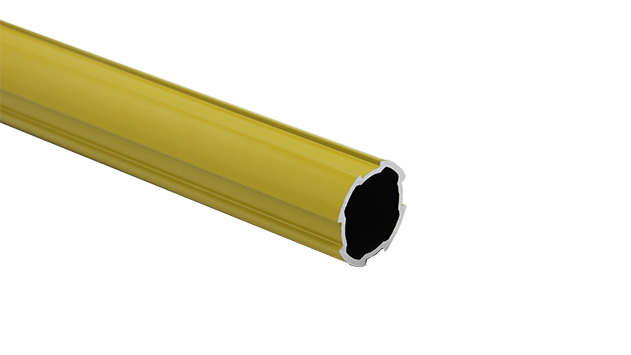
Aluminum pipe, it is used for workbench, flow rack,hand trolley assemble work with advantage of flexible and durable, yellow color makes it more attactive as a caution remind.
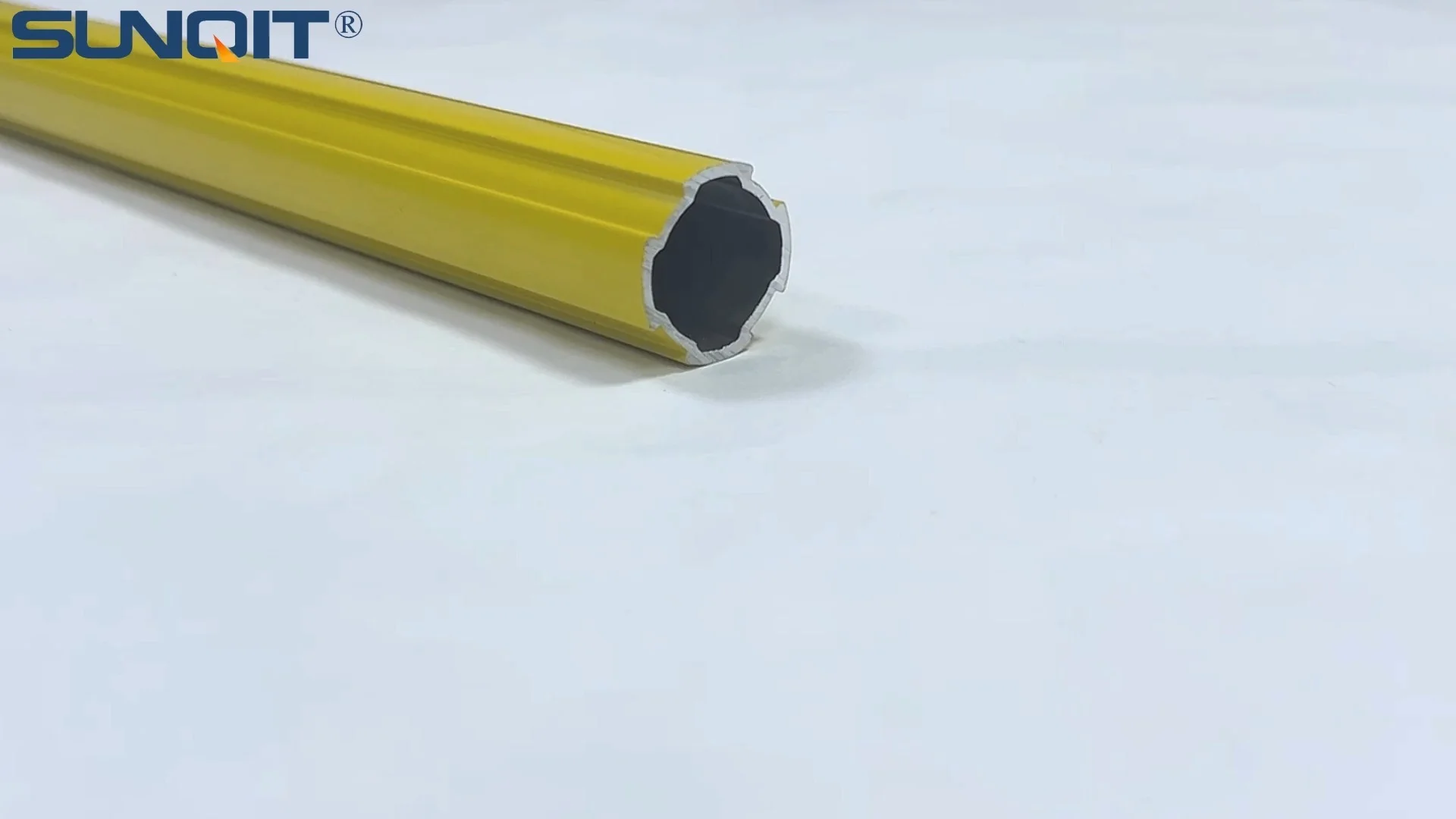
In the world of manufacturing, warehousing, and workshop design, T slot aluminum pipe has become a cornerstone of modular construction. Its versatility—allowing for quick assembly, easy modification, and durable performance—makes it a go-to choice for building everything from workbenches and material racks to conveyor systems and production lines. Unlike rigid steel structures or flimsy plastic alternatives, T slot aluminum pipe balances strength, lightweight design, and adaptability, thanks in large part to its compatibility with a wide range of aluminum profile accessories. Whether you're setting up a small workshop or scaling a factory floor, chances are you've relied on this material to bring your operational vision to life. However, even the most reliable tools face challenges. Over years of working with T slot aluminum systems, users often encounter recurring issues that can disrupt efficiency, compromise safety, or shorten the lifespan of their structures. In this article, we'll dive into the most common problems with T slot aluminum pipe, explore their root causes, and provide practical solutions to keep your systems running smoothly.
Issue 1: Loose Connections Between Pipes and Joints
One of the most frustrating and frequent issues with T slot aluminum pipe systems is loose connections. Over time, the joints that hold pipes together—often secured with aluminum profile accessories like bolts, nuts, or specialized connectors—can loosen, leading to wobbly structures, gaps between components, or even structural failure. Imagine a workbench that every time you place a heavy tool on it, or a material rack that shifts when you load inventory—these are telltale signs of loose connections.
Symptoms of Loose Connections
How do you know if your connections are loose? Start by inspecting the structure for visible gaps between the T slot aluminum pipe and its joints. You might notice that pipes wiggle when gently pushed, or that accessories like shelves or roller tracks (such as aluminum guide rail a) no longer sit flush against the frame. In more severe cases, you might hear creaking or rattling sounds when the structure is in use, especially under vibration from machinery or foot traffic.
Root Causes
Loose connections rarely happen without reason. The most common culprit is improper tightening during assembly. Many users hand-tighten bolts or rely on "feel" instead of precise tools, leading to under-tightened joints that can't withstand repeated stress. Vibration is another major factor—machinery, forklift traffic, or even regular use can shake joints loose over time, especially in high-activity areas like production lines. Low-quality aluminum profile accessories are also to blame; cheap bolts or worn connectors may stretch or strip, losing their grip on the pipe's T slot. Finally, thermal expansion and contraction, though minimal with aluminum, can gradually loosen connections in environments with extreme temperature fluctuations.
Solutions to Tighten and Secure Connections
Fixing loose connections starts with proactive assembly and maintenance. Here's how to address the problem:
1. Use the Right Tools for Tightening: Invest in a torque wrench to ensure bolts are tightened to the manufacturer's recommended torque. Over-tightening can strip threads or warp joints, while under-tightening leaves connections vulnerable. Refer to the table below for common joint types and their ideal torque settings.
| Joint Type | Recommended Torque (Nm) | Common Mistake |
|---|---|---|
| Internal Rotary Aluminum Joint | 2.5–3.0 | Over-tightening, causing joint seizure |
| 90° Aluminum Crossing Joint | 3.0–3.5 | Under-tightening, leading to wobble |
| Parallel Fixation Aluminum Pipe Joint | 2.0–2.5 | Using worn bolts with stripped threads |
2. Regular Inspection and Retightening: Schedule monthly checks for high-use structures (like production line workbenches) and quarterly checks for lower-activity areas. During inspections, use a torque wrench to re-tighten any loose bolts and replace any aluminum profile accessories that show signs of wear, such as bent bolts or cracked connectors.
3. Use Thread Locker for High-Vibration Areas: For joints exposed to constant vibration (e.g., near conveyor motors), apply a medium-strength thread locker to bolts. This prevents loosening without making future disassembly impossible—just be sure to clean threads thoroughly before application.
4. Upgrade to Heavy-Duty Accessories: If loose connections persist, consider swapping out standard accessories for heavy-duty alternatives. For example, using reinforced bolts or thicker-walled connectors can improve grip and durability, especially in load-bearing structures.
Issue 2: Misalignment During Assembly
Building with T slot aluminum pipe is supposed to be straightforward—measure, cut, connect, and you're done. But anyone who's spent hours assembling a structure knows that misalignment is a common headache. Whether you're building a simple workbench or a complex roller track system with aluminum guide rail a, even small measurement errors or component mismatches can lead to pipes that don't line up, creating uneven surfaces, jamming parts, or forcing you to start over entirely.
Symptoms of Misalignment
Misalignment often reveals itself during the assembly process. You might find that a pipe doesn't fit into its joint, or that two parallel pipes are slightly offset, making it impossible to attach a shelf or roller track evenly. In roller track systems, misalignment can cause products to get stuck or slide unevenly along aluminum guide rail a, slowing down production. After assembly, misaligned structures may rock or lean, with some parts bearing more weight than others—a recipe for premature wear.
Root Causes
The biggest cause of misalignment is imprecise measurements. Relying on tape measures with worn markings or "eyeballing" cuts instead of using a square can lead to pipes that are slightly too long, too short, or cut at the wrong angle. Warped or bent T slot aluminum pipe is another culprit—even high-quality pipes can become bent during shipping or storage, and using them without checking straightness guarantees misalignment. Finally, using the wrong accessories is a common mistake. For example, using a roller track placon mount for aluminum profile flat when the design calls for a different mount (like a "high" placon mount) can throw off the entire alignment of a roller track system.
Solutions for Precise Alignment
Avoiding misalignment starts with careful planning and the right tools. Here's how to ensure your T slot aluminum pipe structures line up perfectly:
1. Invest in Quality Measuring Tools: Ditch the old tape measure and upgrade to a digital caliper for precise length measurements, and a framing square to ensure 90-degree cuts. For longer structures, use a laser level to check that pipes are straight and parallel before finalizing connections.
2. Check Pipe Straightness Before Assembly: Before cutting or connecting, roll each T slot aluminum pipe on a flat surface (like a concrete floor) to check for warping. If a pipe curves slightly, apply gentle pressure to straighten it, or replace it if the bend is severe. Even a 1mm bend over a 1-meter pipe can cause alignment issues in large structures.
3. Use Alignment Jigs for Complex Systems: For projects like roller tracks or multi-level racks, create simple alignment jigs from scrap wood or extra pipes. For example, clamp two parallel pipes to a flat workbench and use them as a guide to ensure all cross-pipes are evenly spaced and perpendicular. This is especially helpful when installing aluminum guide rail a, which requires precise spacing to keep rollers rolling smoothly.
4. Match Accessories to the Job: Not all aluminum profile accessories are interchangeable. When assembling roller tracks, for instance, double-check that you're using the correct placon mounts—like roller track placon mount for aluminum profile flat—for your specific pipe size and rail type (aluminum guide rail a vs. other rail styles). Using the wrong mount can raise or lower the rail, throwing off alignment with adjacent components.
5. Test-Fit Before Final Tightening: Instead of fully tightening all joints at once, loosely connect all pipes first, then adjust for alignment. Once the structure is square and level, tighten each joint incrementally, alternating between opposite sides to avoid pulling the structure out of alignment.
Issue 3: Insufficient Load Capacity Leading to Sagging or Failure
T slot aluminum pipe is strong, but it's not indestructible. A common mistake is overestimating how much weight a structure can hold, leading to sagging pipes, cracked joints, or even collapse. Whether you're stacking heavy boxes on a material rack or placing industrial equipment on a workbench, insufficient load capacity is a safety hazard and a waste of time and money.
Symptoms of Overloading
The first sign of overloading is often visible sagging. Pipes may bend downward in the middle, especially in long spans without support. Joints might crack or separate, and accessories like adjustable leveling feet—used to stabilize the structure—may sink into the floor under excessive weight. In severe cases, the entire structure may lean or shift, putting nearby workers or equipment at risk.
Root Causes
Underestimating the load is the primary cause. Many users assume that because T slot aluminum pipe is used in industrial settings, it can handle any weight. In reality, load capacity depends on factors like pipe thickness (e.g., a basic aluminum tube with 1.2mm wall thickness vs. a heavy-duty 2.0mm tube), support spacing, and joint strength. Using thin-walled pipes for heavy loads is a recipe for failure. Another cause is poor support design—spanning pipes too far apart without intermediate supports increases stress on the material. Finally, ignoring dynamic loads (like placing a heavy object suddenly, rather than gently) can exceed the structure's static load capacity.
Solutions to Boost Load Capacity
Preventing overloading starts with understanding your structure's limits and designing accordingly:
1. Calculate Load Requirements Before Building: Start by determining the maximum weight the structure will need to support. For a workbench, this might include tools, materials, and worker weight; for a material rack, it's the total weight of inventory plus any dynamic loads from loading/unloading. Use online load calculators or consult the pipe manufacturer's specifications to choose the right pipe thickness and support spacing.
2. Choose the Right Pipe Thickness: Not all T slot aluminum pipes are created equal. Basic aluminum tube with a 1.0mm or 1.2mm wall thickness works for light loads like small shelves, but heavy-duty applications require thicker walls (1.5mm or 2.0mm) or reinforced pipes. When in doubt, opt for a thicker pipe—it's better to have extra capacity than to risk failure.
3. Add Intermediate Supports: Long spans are the enemy of load capacity. For example, a 2-meter span of 1.2mm pipe might sag under 50kg, but adding a support in the middle can double the load it can handle. Use additional T slot aluminum pipes or angle brackets to shorten unsupported spans, especially in horizontal structures like shelves or roller tracks.
4. Upgrade to Heavy-Duty Adjustable Leveling Feet: Even the strongest structure will fail if its base isn't stable. Adjustable leveling feet distribute weight evenly and prevent sinking, but cheap plastic feet can crack under heavy loads. Invest in metal adjustable leveling feet with larger bases and higher weight ratings to support your structure from the ground up.
5. Test Load Capacity Incrementally: Once assembled, test the structure with gradually increasing weights to ensure it can handle the intended load. Start with 50% of the expected weight, then 75%, and finally 100%, checking for sagging or movement at each stage. If you notice issues, reinforce the structure before putting it into regular use.

Issue 4: Corrosion and Wear in Harsh Environments
Aluminum is naturally resistant to corrosion, thanks to its protective oxide layer, but T slot aluminum pipe isn't immune to wear and tear—especially in harsh environments like factories with high humidity, chemical exposure, or frequent cleaning. Over time, corrosion can eat away at pipes and aluminum profile accessories, weakening connections and shortening the structure's lifespan. Even in cleaner settings, moving parts like roller tracks or adjustable leveling feet can wear down, leading to squeaky operation or reduced functionality.
Symptoms of Corrosion and Wear
Corrosion on T slot aluminum pipe often appears as white, powdery spots (aluminum oxide) or, in severe cases, pitting or discoloration. You might notice that aluminum profile accessories like bolts or connectors become stuck or difficult to tighten, as corrosion gums up threads. In roller track systems, worn components like aluminum guide rail a may develop rough edges, causing products to catch or scratch. Adjustable leveling feet with worn casters or pads may no longer roll smoothly or grip the floor, making structures hard to move or unstable.
Root Causes
Humidity is the biggest driver of corrosion. In environments like food processing plants or outdoor workshops, moisture in the air reacts with aluminum, breaking down its oxide layer over time. Chemical exposure—from cleaning agents, oils, or industrial fluids—can accelerate this process, especially if the chemicals are acidic or alkaline. For wear, friction is the main culprit: moving parts like roller tracks or adjustable leveling feet casters rub against surfaces repeatedly, wearing down materials. Low-quality aluminum profile accessories are also prone to premature wear, with thin coatings or weak materials that can't withstand regular use.
Solutions to Prevent Corrosion and Wear
Protecting your T slot aluminum pipe system from corrosion and wear requires a mix of material selection, maintenance, and environmental controls:
1. Choose Anodized or Coated Pipes for Harsh Environments: Standard aluminum pipes rely on their natural oxide layer for protection, but in humid or chemical-heavy areas, upgrade to anodized pipes. Anodizing thickens the oxide layer, making it more resistant to corrosion. For extreme environments, consider pipes with a protective coating (like powder coating) or stainless steel components for critical joints.
2. Regular Cleaning and Drying: Wipe down T slot aluminum pipe structures regularly with a mild, pH-neutral cleaner to remove dirt, oils, or chemicals that can cause corrosion. Avoid abrasive cleaners, which can scratch the surface and expose fresh aluminum to moisture. After cleaning, dry the structure thoroughly—paying extra attention to joints and crevices where water can pool.
3. Lubricate Moving Parts: For components like roller tracks (aluminum guide rail a) or adjustable leveling feet with casters, apply a silicone-based lubricant to reduce friction and wear. Avoid oil-based lubricants, which can attract dirt and gum up moving parts over time.
4. replace Worn Accessories Promptly: Don't wait for aluminum profile accessories to fail before replacing them. Inspect bolts, connectors, and moving parts monthly, and swap out any that show signs of corrosion, pitting, or wear. This is especially important for safety-critical components like adjustable leveling feet, which keep the structure stable.
5. Control the Environment: Where possible, reduce humidity in the workspace with dehumidifiers or proper ventilation. For outdoor structures, use waterproof covers when not in use, and elevate the base with adjustable leveling feet to prevent contact with standing water.

Issue 5: Difficulty Modifying or Expanding Existing Structures
One of the biggest selling points of T slot aluminum pipe is its modularity—build today, modify tomorrow. But many users find that modifying or expanding existing structures is harder than it should be. Maybe you want to add a shelf to a workbench, extend a roller track with aluminum guide rail a, or reconfigure a material rack, only to discover that pipes are stuck, accessories are discontinued, or the original design doesn't allow for easy changes. This lack of flexibility can turn a quick upgrade into a time-consuming overhaul.
Symptoms of Modification Difficulties
Modification issues often arise when you try to disassemble a structure. Bolts may be seized due to corrosion, or pipes may be glued together with thread locker that's too strong. You might find that the aluminum profile accessories used in the original build are no longer available, forcing you to replace entire sections to use new parts. In some cases, the structure's design—like pipes welded together or cut too short—makes expansion impossible without starting from scratch.
Root Causes
The main cause of modification difficulties is short-sighted design. Many users build structures for their current needs without considering future expansion, using permanent fixes like welding or excessive thread locker instead of reversible connections. Using low-quality or proprietary aluminum profile accessories is another issue—if the supplier discontinues a specific connector, you may struggle to find replacements. Finally, over-tightening bolts or using the wrong tools during assembly can damage threads, making disassembly nearly impossible without cutting pipes.
Solutions for Easy Modification and Expansion
Designing for future modification starts with intentional choices during the initial build:
1. Use Reversible Connections: Avoid welding or permanent adhesives. Instead, rely on bolts, nuts, and aluminum profile accessories that can be loosened and removed. If you need extra security, use medium-strength thread locker (not high-strength), which can be broken with hand tools when needed.
2. Leave Extra Space for Expansion: When building, add "extension points"—extra T slots or unused joints that make it easy to add pipes later. For example, if you're building a 2-meter workbench, use 3-meter pipes and leave the extra length at one end, or include additional connectors along the sides for future shelves.
3. Stick to Standardized Accessories: Avoid proprietary aluminum profile accessories that are only sold by one supplier. Instead, choose standard components (like M5 or M6 bolts, or common joint types) that are widely available. This ensures you can find replacements or add-ons even if your original supplier changes their product line.
4. Document the Original Design: Keep records of pipe lengths, accessory types, and assembly steps for your structure. This makes it easier to source matching parts later or replicate sections when expanding. Include photos of the assembly process to reference if you need to disassemble and rebuild part of the structure.
5. Use Modular Components for Key Systems: For systems you know will need expansion—like roller tracks or material racks—use modular components. For example, aluminum guide rail a is designed to connect end-to-end, making it easy to extend a roller track by adding more rail sections and roller track placon mount for aluminum profile flat. Similarly, adjustable leveling feet with threaded stems allow you to raise or lower the structure if you add height later.
Conclusion: Keeping Your T Slot Aluminum Pipe Systems Strong and Reliable
T slot aluminum pipe is a powerful tool for building flexible, durable structures, but like any tool, it requires care and attention to avoid common issues. From loose connections and misalignment to overloading and corrosion, the problems we've covered are frustrating—but they're also preventable with the right knowledge and proactive maintenance. By choosing quality aluminum profile accessories, measuring carefully, designing for load capacity, protecting against corrosion, and planning for future modifications, you can ensure your T slot aluminum pipe systems stand the test of time.
Remember, the key to success is not just fixing problems when they arise, but preventing them in the first place. Regular inspections, proper assembly techniques, and a willingness to invest in the right components (like heavy-duty adjustable leveling feet or anodized pipes) will save you time, money, and headaches down the line. Whether you're a small workshop owner or a factory manager, a well-maintained T slot aluminum pipe system is more than just a structure—it's a foundation for efficiency, safety, and growth.