- Company Articles
- FAQ
- FAQ
- Common Problems with 4040 Aluminum Profile End Caps & How to Fix Them

Common Problems with 4040 Aluminum Profile End Caps & How to Fix Them
Related Product
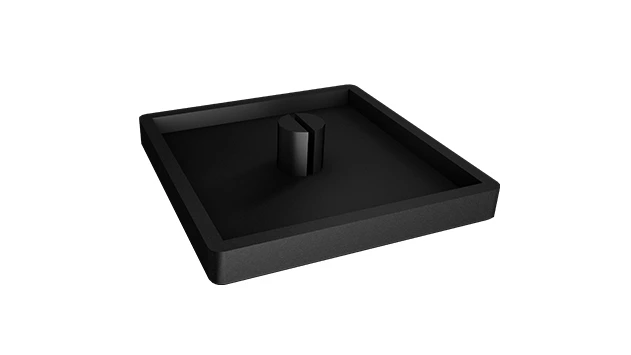
4040 Aluminum Profile End Cap
The aluminum profile end cap adds a finishing touch to your project and closes off profile ends to limit dust and debris buildup, also it can avaid some scratch for material and labor during the assemble work.
In the world of industrial manufacturing and workshop setups, aluminum extrusion profiles have become the backbone of countless structures—from workbenches and material racks to conveyor systems and lean production lines. Among these, the 4040 aluminum profile stands out as a workhorse, prized for its balance of strength, versatility, and cost-effectiveness. But even the most robust profiles rely on small, often overlooked components to function at their best: enter the 4040 aluminum profile end cap. These unassuming accessories play a critical role in protecting both the profile and the people interacting with it—sealing raw cut edges, preventing debris from entering hollow profiles, and adding a polished finish to otherwise utilitarian structures. As part of the broader category of aluminum profile accessories, end caps might seem trivial, but anyone who's dealt with a loose, cracked, or ill-fitting end cap knows they can quickly become a source of frustration. In this article, we'll dive into the most common issues users face with 4040 aluminum profile end caps, explore their root causes, and share practical solutions to keep your aluminum extrusion profile systems running smoothly.
1. The Loose Fit: When End Caps Won't Stay Put
One of the most frequent complaints about 4040 aluminum profile end caps is their tendency to loosen over time—or even pop off entirely shortly after installation. Imagine walking through a production facility and noticing end caps scattered across the floor near a newly assembled aluminum workbench; not only is this a nuisance, but it leaves the profile's exposed end vulnerable to damage and workers at risk of cuts from sharp edges. So why does this happen?
Root Causes
The primary culprit is often a mismatch between the end cap's dimensions and the profile's actual inner diameter. While 4040 profiles are standardized, slight variations in manufacturing (especially among lower-quality suppliers) can lead to end caps that are just a hair too small. Wear and tear also play a role: if the end cap is made of soft plastic, repeated contact or vibration (common in conveyor systems or material handling setups) can cause it to lose its grip. Another hidden factor is the quality of the profile's cut—if the end of the aluminum extrusion profile is uneven or slightly bent (a result of rough cutting tools), the end cap may sit crookedly, failing to form a tight seal.
Practical Fixes
Start with the right size:
Not all "4040" end caps are created equal. EU standard profiles (like 4040A or 4040B) often have slightly different tolerances than national standard variants (e.g., 4040 national standard profile). Always check the end cap's specifications against your profile's inner diameter—most reputable aluminum profile suppliers will provide measurements for both the profile and compatible accessories.
Add a touch of adhesive:
For end caps that are just slightly loose, a small amount of non-permanent adhesive (like cyanoacrylate or a rubber-based sealant) can work wonders. Apply a thin bead around the inner edge of the end cap before pressing it into place—just be sure to use a product that won't damage the profile's finish if you ever need to remove the end cap later.
Modify with a rubber O-ring:
For a more secure, reusable solution, try wrapping a thin rubber O-ring (with a diameter slightly larger than the profile's inner edge) around the end cap's rim before installation. The O-ring compresses when inserted, creating friction that holds the cap in place without permanent adhesion.
Smooth the profile's end:
If the profile's cut is rough or uneven, use a fine-grit sandpaper to gently file the edges. A smooth, flat surface allows the end cap to seat evenly, maximizing contact area and grip.
2. Cracking and Brittleness: When End Caps Break Too Easily
There's nothing more disappointing than installing an end cap, only to have it crack in your hand as you press it into place. Brittle or cracked end caps are not just a waste of money—they also fail to protect the profile, leaving sharp plastic shards that can catch on clothing or skin. This issue is particularly common in environments with extreme temperatures, but even standard workshops aren't immune.
Root Causes
The material of the end cap is the biggest factor here. Many budget end caps are made from low-grade polypropylene, which becomes brittle when exposed to UV light, cold temperatures, or chemicals (like cleaning agents used in food processing facilities). Over-tightening is another sneaky cause: users often press too hard when installing, assuming "tighter is better," but this can stress the plastic beyond its limits. Even storage matters—leaving end caps in a hot warehouse or freezing cold truck during transit can weaken their molecular structure before they're ever used.
Practical Fixes
Upgrade to high-quality materials:
Opt for end caps made from ABS (acrylonitrile butadiene styrene) or nylon, which offer superior impact resistance and flexibility compared to cheap polypropylene. These materials stand up better to temperature fluctuations and are less likely to crack under pressure.
Avoid over-tightening:
Install end caps with firm, even pressure—not brute force. If you find yourself having to push extremely hard, stop and check if the end cap is misaligned or if the profile has burrs (which we'll cover in the next section).
Store smart:
Keep end caps in a cool, dry place away from direct sunlight and harsh chemicals. If you're ordering in bulk, ask your aluminum profile supplier about proper storage recommendations—many will even ship them in protective dividers to prevent warping.
Reinforced designs:
Some manufacturers offer end caps with ribbed interiors or thicker walls for added strength. These are especially useful in high-traffic areas, like lean pipe workbench setups where end caps might get bumped or kicked regularly.

3. Stuck or Sticky: The Headache of Installation and Removal
On the flip side of loose end caps are those that fit so tightly they're nearly impossible to install—or worse, once installed, can't be removed without damaging the profile or the end cap itself. This is a common issue when working with 4040 profiles that have been cut with dull tools, leaving sharp burrs around the edge. Trying to jam an end cap over these burrs is not only frustrating but can tear the end cap's plastic, rendering it useless.
Root Causes
Poor profile preparation is the main offender here. When an aluminum extrusion profile is cut with a saw that's not properly maintained, it leaves jagged edges or metal burrs that act like tiny hooks, catching on the end cap as you try to push it on. End cap design also plays a role: smooth, featureless plastic end caps offer no grip, making them hard to pull off if they're stuck. In some cases, the end cap itself may be slightly deformed (due to heat during shipping or storage), causing it to wedge unevenly into the profile.
Practical Fixes
Prep the profile first:
Before installing an end cap, take 30 seconds to inspect the profile's end. Use a deburring tool or fine sandpaper to file down any burrs—this simple step can turn a 10-minute struggle into a 10-second task.
Choose end caps with grip features:
Look for end caps with small tabs, ridges, or textured surfaces. These provide a better hold when pushing them on or pulling them off, reducing the need for tools.
Use tools (gently):
If an end cap is stuck, a flathead screwdriver can help— but proceed with caution. Wrap the screwdriver's tip in tape to avoid scratching the profile, then insert it into the tiny gap between the end cap and the profile. Gently twist to create space, then work your way around the edge until the cap loosens.
Lubricate sparingly:
For extremely tight fits, a tiny amount of silicone lubricant (applied to the end cap's edges) can ease installation. Avoid oil-based lubricants, though—they can degrade plastic over time and attract dust.

4. Compatibility Confusion: When End Caps Clash with Profile Variants
Walk into any industrial supply store, and you'll find shelves lined with "4040 end caps"—but not all of them will work with your specific aluminum extrusion profile. The 4040 designation refers to the profile's width and height (40mm x 40mm), but the shape of the end can vary dramatically between manufacturers and standards. This compatibility issue is a frequent source of frustration, especially for users new to aluminum profile systems.
Root Causes
The main issue is the diversity of 4040 profile designs. EU standard profiles, for example, include variants like 4040A (with two T-slots), 4040B (with four T-slots), and 4040R (rounded edges), each with slightly different end shapes. National standard profiles (e.g., 3030 national standard profile A or 4040 national standard) often have unique slot configurations or wall thicknesses. End caps designed for a 4040B EU standard profile may have notches to accommodate extra T-slots, making them incompatible with a 4040 national standard profile that lacks those slots. Even within the same standard, some manufacturers add proprietary features (like reinforced corners) that alter the end's dimensions.
Practical Fixes
Know your profile's specs:
Before buying end caps, check your profile's datasheet for details like inner diameter, end shape, and T-slot configuration. If you're unsure, reach out to your aluminum profile supplier—reputable suppliers will provide detailed CAD files or sample end caps to test compatibility.
Opt for universal designs:
Some manufacturers offer "universal" 4040 end caps with flexible tabs or adjustable notches that adapt to different profile variants. These are a great choice if you work with mixed profile types or frequently switch suppliers.
Custom solutions for unique profiles:
In cases where off-the-shelf end caps won't work (e.g., for specialized aluminum extrusion profiles with custom cutouts), consider 3D-printed end caps or working with a supplier to create a custom mold. While this is more expensive, it ensures a perfect fit for critical applications.
5. Transit and Handling Damage: When End Caps Arrive Defective
Even the highest-quality end caps can arrive damaged if they're not packaged properly. Scratched surfaces, cracked edges, or dented plastic are common issues when end caps are shipped loose in boxes or tossed around during transit. For users who order in bulk, this can mean sorting through dozens of end caps to find a handful that are usable—a waste of time and money.
Root Causes
The main culprit is poor packaging. Many suppliers treat end caps as "throwaway" accessories, packing them loosely in bags or boxes with no padding. During shipping, they rub against each other or against heavier items (like aluminum pipes or joints), causing scratches or cracks. Extreme temperatures during transit can also weaken plastic end caps, making them more prone to damage upon handling.
Practical Fixes
Inspect upon delivery:
When your end caps arrive, open the package immediately and check for damage. Most aluminum profile suppliers have return policies for defective accessories, but you'll need to report issues promptly.
Request protective packaging:
When ordering, ask your supplier to pack end caps in divided containers or bubble wrap to prevent movement during shipping. Reputable suppliers will accommodate this request, especially for bulk orders.
Choose durable materials:
As mentioned earlier, ABS or nylon end caps are more resistant to impact than soft plastics. While they may cost a bit more, they're less likely to arrive damaged or get scratched during installation.
| Common Problem | Key Causes | Top Solutions |
|---|---|---|
| Loose fit | Size mismatch, profile cut quality, wear over time | Verify dimensions, use adhesive/rubber O-rings, smooth profile edges |
| Cracking/brittleness | Low-quality plastic, extreme temps, over-tightening | Upgrade to ABS/nylon, avoid over-pressing, store in cool conditions |
| Difficult installation/removal | Profile burrs, smooth end cap design, deformation | Deburr profiles, use textured end caps, gentle tool assistance |
| Compatibility issues | EU vs. national standards, profile variant differences | Check profile specs, consult supplier, use universal designs |
| Transit/handling damage | Poor packaging, rough handling, weak materials | Request padded shipping, inspect on arrival, choose durable plastics |
Pro Maintenance Tips to Extend End Cap Lifespan
- Regular inspections: Take a few minutes monthly to check end caps on high-use structures (like workbenches or conveyors). Tighten loose caps and replace cracked ones before they fall off.
- Clean with care: Use a soft cloth and mild detergent to wipe end caps—avoid abrasive cleaners that can scratch or degrade plastic.
- Spare parts kit: Keep a small stock of extra end caps on hand. This way, you can replace a damaged cap immediately instead of leaving the profile exposed.
- Label your profiles: If you work with multiple profile variants (EU vs. national standard), label them clearly to avoid grabbing the wrong end caps.
At first glance, 4040 aluminum profile end caps might seem like afterthoughts in the grand scheme of industrial setups. But as we've explored, these small aluminum profile accessories play a vital role in protecting equipment, ensuring safety, and maintaining the longevity of aluminum extrusion profile systems. From loose fits and cracking to compatibility headaches, the issues with end caps are solvable with a bit of knowledge and proactive care. By choosing the right materials, verifying compatibility with your specific profile (and consulting a trusted aluminum profile supplier when in doubt), and following proper installation and maintenance practices, you can keep those end caps where they belong—securely in place, doing their job quietly and effectively. After all, in lean pipe and accessories systems, it's the small details that often make the biggest difference in efficiency and durability.