- Company Articles
- FAQ
- FAQ
- Common Problems with 60 Aluminum Roller Track Green & How to Solve Them

Common Problems with 60 Aluminum Roller Track Green & How to Solve Them
Related Product
60 Aluminum Roller Track Green
Modular system roller tracks aluminum gravity roller tracks are an excellent solution for transporting materials within industrial environments, warehouses and distribution centres.
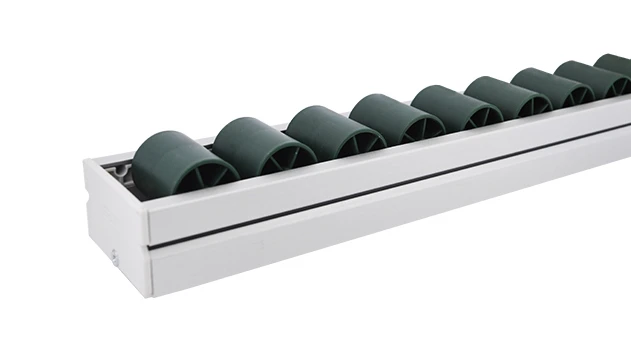
Introduction to 60 Aluminum Roller Track Green
If you've ever stepped into a busy warehouse or a bustling production line, you've likely seen 60 aluminum roller track green hard at work. This unsung hero of material handling is a staple in flow racks and conveyors, playing a critical role in keeping products moving smoothly from one station to another. Its vibrant green coating isn't just for looks—it's a protective layer designed to resist wear and tear, making it perfect for high-traffic environments where durability matters most.
Used widely in lean systems across industries like automotive, 3C assembly, and (warehousing logistics), this track helps businesses streamline processes, reduce waste, and boost efficiency. Whether it's part of a lean pipe workbench setup or a large-scale conveyor system, 60 aluminum roller track green is a versatile component that adapts to various needs. But like any piece of equipment, it can run into issues over time. In this article, we'll dive deep into the most common problems users face and share practical, actionable solutions to keep your operations running like a well-oiled machine.
1. Uneven Roller Rotation Leading to Jammed Items
One of the most frustrating issues with 60 aluminum roller track green is when rollers don't spin uniformly. Picture this: a warehouse worker is moving boxes of electronic components along the track to the next assembly station, but every few minutes, a box gets stuck halfway. This not only slows down production but also increases the risk of damage to the items and creates unnecessary stress for the team.
Common Causes
- Dirt and Debris Accumulation: Dust, lint, and small particles often build up around roller bearings and in the gaps between rollers. Over time, this buildup restricts movement, causing some rollers to spin slower or stop entirely.
- Worn or Damaged Bearings: Rollers depend on bearings to spin smoothly. If bearings are worn out, corroded, or cracked, they lose their ability to rotate freely, leading to uneven movement.
- Misalignment: During installation, if rollers aren't properly aligned with each other or the track frame, some may not make full contact with items, resulting in uneven rotation.
Proven Solutions
- Regular Cleaning: Schedule weekly cleaning sessions using a soft brush or compressed air to remove debris from bearings and gaps. For stubborn grime, use a mild detergent and cloth, then dry thoroughly to prevent moisture buildup.
- replace Worn Bearings: Inspect bearings monthly. If you notice rust, cracks, or excessive play, replace them immediately with high-quality, compatible bearings to restore smooth rotation.
- Adjust Alignment: Use a level and straightedge to check roller alignment. Loosen roller track connectors, adjust positions until all rollers are in the same plane, then retighten securely. This ensures every roller makes full contact with passing items.

2. Corrosion or Discoloration of Green Coating
The green coating on 60 aluminum roller track is designed to protect against wear, but it's not invincible. Over time, you might notice peeling, fading, or discoloration—issues that not only affect appearance but also reduce the track's resistance to damage.
Common Causes
- Exposure to Harsh Chemicals: Cleaning agents with strong acids or alkalis can eat away at the coating, especially in industries like medical device manufacturing where strict hygiene is required.
- Moisture and Humidity: Constant exposure to water or high humidity (common in food processing or outdoor storage areas) can cause the coating to peel or rust underneath.
- Scratches and Impact: Heavy items or rough handling can scratch the coating, exposing the aluminum beneath to the elements.
Proven Solutions
- Use Gentle Cleaners: Opt for mild, non-abrasive detergents that won't damage the coating. In sensitive industries, choose food-safe or medical-grade cleaners to maintain hygiene without harming the track.
- Apply Protective Covers: For tracks in humid or outdoor areas, use waterproof covers when not in use to shield against moisture. This simple step can significantly extend the coating's lifespan.
- Touch Up Scratches: Keep matching green touch-up paint on hand. When scratches occur, clean the area, apply a thin coat of paint, and let it dry completely to seal the aluminum from the elements.

3. Loose Connections Between Tracks and Frames
Loose connections are a silent problem that can lead to bigger issues down the line. If the track isn't securely attached to its frame, it can shift during operation, causing items to jam or even fall off the track.
Common Causes
- Improper Installation: Skipping steps like using lock washers or not tightening bolts to the correct torque can lead to loose connections over time.
- Vibration: Constant movement of items on the track creates vibration that gradually loosens bolts and connectors.
- Wrong Fasteners: Using bolts or connectors that aren't designed for 60 aluminum roller track green can lead to poor fitting and eventual loosening.
Proven Solutions
- Check Connections Regularly: Schedule monthly inspections to tighten loose bolts and connectors. Use a torque wrench to ensure they're tightened to the manufacturer's specifications.
- Use Lock Washers: Add lock washers to all connections to prevent vibration from loosening bolts. This small addition can make a big difference in stability.
- Choose Correct Fasteners: Always use fasteners recommended by the manufacturer for your specific track model. This ensures a secure fit that stands up to daily use.
4. Insufficient Load Capacity Leading to Bending
60 aluminum roller track green is built to handle heavy loads, but exceeding its capacity can lead to bending or warping. This not only affects performance but also poses a safety risk to workers.
Common Causes
- Overloading: Ignoring the track's load rating and placing items that are too heavy can cause permanent bending.
- Weak Support Structure: Even if the track itself is strong, a weak frame or insufficient supports can lead to bending under load.
- Uneven Load Distribution: Placing all weight on one section of the track instead of spreading it evenly can cause localized bending.
Proven Solutions
- Know Your Load Rating: Always check the manufacturer's load rating before using the track. If you need to handle heavier items, consider upgrading to a thicker gauge aluminum track.
- Reinforce Supports: Add extra supports to the frame every 2-3 feet to distribute weight evenly. This is especially important for long tracks used in conveyor systems.
- Distribute Loads: Train workers to spread items evenly across the track instead of piling them in one spot. This simple habit can prevent bending and extend the track's lifespan.
5. Noise During Operation
Excessive noise from 60 aluminum roller track green can be distracting and indicate underlying issues. A quiet track is a sign of smooth operation, so unusual sounds should never be ignored.
Common Causes
- Dry Rollers: Lack of lubrication causes friction between rollers and bearings, leading to squeaking or grinding noises.
- Misaligned Rollers: Rollers that aren't in the same plane can rub against each other or the track frame, creating noise.
- Loose Parts: Bolts or connectors that are loose can rattle during operation, adding to the noise level.
Proven Solutions
- Lubricate Rollers: Apply a small amount of silicone-based lubricant to bearings monthly. Avoid oil-based lubricants, which can attract dirt and cause more problems.
- Adjust Alignment: As mentioned earlier, proper alignment reduces friction and noise. Check alignment quarterly to ensure smooth operation.
- Tighten Loose Parts: During monthly inspections, tighten any loose bolts or connectors to eliminate rattling noises.
Preventive Maintenance Schedule for Longevity
The best way to avoid problems with 60 aluminum roller track green is to implement a regular maintenance schedule. This proactive approach keeps your track in top condition and reduces downtime.
| Frequency | Tasks | Responsible Role |
|---|---|---|
| Daily | Visual inspection for jams, loose parts, or damaged rollers | Production Operators |
| Weekly | Clean rollers and bearings with compressed air or soft brush | Maintenance Staff |
| Monthly | Lubricate bearings, tighten loose connections, inspect for wear | Maintenance Staff |
| Quarterly | Check roller alignment, verify load capacity, touch up scratches | Maintenance Supervisor |
| Annual | Comprehensive inspection, replace worn parts, repaint if needed | Maintenance Team |
How to Choose the Right 60 Aluminum Roller Track Green
Selecting the right track for your needs is critical to avoiding problems. Here are key factors to consider:
- Load Requirements: Determine the maximum weight of items you'll be moving and choose a track with a load rating that exceeds this number.
- Environment: For humid or corrosive environments, choose a track with a thicker protective coating. For clean rooms, opt for a track with a smooth, easy-to-clean surface.
- Integration: Ensure the track is compatible with your existing flow rack or conveyor system. If you need a custom setup, consult a lean solution provider to design a system that fits your specific needs.
By choosing the right track and following a regular maintenance schedule, you can keep your 60 aluminum roller track green running smoothly for years to come. Whether you're using it in a lean pipe workbench or a large-scale conveyor system, this versatile component is sure to deliver reliable performance when properly cared for.
Conclusion
60 aluminum roller track green is an essential component of modern material handling systems. While it's built to be durable, it can encounter common issues like uneven rotation, coating damage, loose connections, insufficient load capacity, and noise. By understanding these problems and implementing the solutions outlined in this article, you can keep your track in top condition and ensure smooth, efficient operations.
Remember, proactive maintenance is key. A regular schedule of inspections, cleaning, and repairs will not only extend the life of your track but also reduce downtime and improve safety. Whether you're in the automotive industry, 3C assembly, or, these tips will help you get the most out of your 60 aluminum roller track green.