- Company Articles
- FAQ
- FAQ
- Common Problems with Aluminum Profile Rubber Strips and Solutions

Common Problems with Aluminum Profile Rubber Strips and Solutions
Related Product
Aluminum Profile Rubber Strip
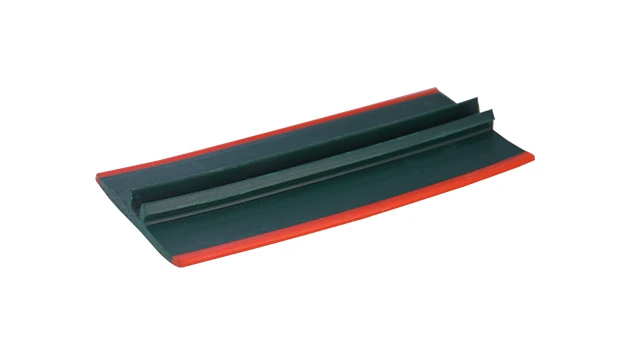
The tread strip fits into a T-slot channel and provides an anti-slip ribbed surface. It has a key pad that presses into a T-slot and is commonly used for adding traction on steps or as padding for doors. Tread strip can be ordered by rolls. The high quali
Walk into any modern manufacturing facility, and you'll see aluminum profiles hard at work. They're the backbone of workbenches where assemblers piece together electronics, the framework of flow racks that keep materials moving, and the skeleton of conveyor systems that power production lines. These sleek, versatile structures rely on countless small components to function smoothly—and among the most yet critical are the rubber strips that line their T-slots. Often overlooked, these strips seal gaps, dampen noise, protect workers from sharp edges, and keep dust and debris from gumming up moving parts. But when they fail? Suddenly, that "insignificant" strip becomes a major headache: dust clogs roller tracks, edges chip, and the quiet hum of efficiency turns into the grind of downtime.
In this article, we'll dive into the common headaches that aluminum profile rubber strips can cause—from poor sealing to premature wear—and share practical, real-world solutions. Whether you're a workshop manager troubleshooting a sticky situation or a procurement specialist sourcing parts for a new line, these insights will help you keep your aluminum profiles (and your operations) running like clockwork.
Problem 1: Poor Sealing and Dust Infiltration
Picture this: It's a Tuesday morning on the production floor. Your team is rushing to meet a deadline, and the flow rack feeding parts to the assembly line suddenly jams. A quick inspection reveals the culprit: a buildup of dust and metal shavings inside the T-slot of the aluminum profile, gumming up the roller track mechanism. You shut down the line, grab a can of compressed air, and spend 20 minutes cleaning out the gunk—all while the clock ticks on missed targets. Sound familiar? Poorly sealed rubber strips are often to blame.
What causes it? Rubber strips that don't fit snugly in the T-slot leave tiny gaps where dust, debris, and even moisture can sneak in. This is especially common when strips are generic "one-size-fits-all" products, not designed for the specific width or depth of your aluminum profile's T-slot. Low-quality rubber that shrinks or hardens over time only makes the problem worse, as the material pulls away from the slot edges.
Solution: Precision-Fit Sealing with T-Slot Rubber Seal Covers
The fix starts with ditching generic strips for t-slot rubber seal covers engineered for your specific aluminum profile. Here's how to do it right:
- Measure twice, buy once: Not all T-slots are created equal. A 2020 aluminum profile has a narrower slot than a 4040 profile, and even within the same series, slot depth can vary. Use calipers to measure the slot's width and depth, then check with your aluminum profile supplier for seal covers designed to those exact dimensions.
- Opt for flexible, high-quality materials: Look for EPDM or silicone rubber strips. EPDM offers excellent resistance to temperature fluctuations and aging, making it ideal for general industrial use. Silicone, while pricier, excels in high-heat environments (like near ovens or welding stations) and maintains flexibility in cold conditions.
- Install with care: Even the best strip will fail if installed poorly. Use a plastic roller tool (available at most hardware stores) to press the strip firmly into the T-slot, starting from one end and moving slowly to avoid air bubbles or misalignment. For extra security, some strips come with a weak adhesive backing—just enough to hold them in place during installation without leaving residue when replaced.
Problem 2: Premature Wear and Tear
Six months ago, you outfitted your new aluminum workbenches with rubber strips to protect workers' forearms from sharp edges. Today, those strips are cracked, peeling, and frayed—exposing the metal underneath. Not only do they look unprofessional, but they're now a safety hazard: a loose flap of rubber could catch on clothing or scratch a product. Replacing them every few months isn't just costly; it's a drain on your team's time.
What causes it? Wear and tear happens, but premature failure usually traces back to two issues: material quality and environmental exposure. Low-grade rubber (often made with fillers instead of pure rubber) dries out quickly, especially in dry or sunny environments. Chemical exposure—like oils, solvents, or cleaning agents—can also break down the material, causing it to swell, crack, or disintegrate. In high-traffic areas, constant friction from tools, boxes, or workers' arms accelerates the process.
Solution: Choose Durable Materials and Protect Against the Elements
The key to long-lasting rubber strips is matching the material to your environment. Here's how to make the right call:
- Assess your environment first: If your workbenches are near a cleaning station where alcohol wipes or degreasers are used, avoid standard rubber—opt for chemical-resistant neoprene. For outdoor or sun-exposed areas (like loading docks with aluminum profile canopies), UV-stabilized EPDM is a must to prevent fading and cracking.
- Invest in "heavy-duty" formulations: Look for strips with a Shore A hardness rating between 60-70. Softer strips (below 50 Shore A) feel nicer but wear faster; harder strips (above 80) are rigid and prone to cracking. A 60-70 rating balances flexibility and durability.
- Add a protective barrier: In high-friction areas (like the edges of workbenches where tools are set down), pair the rubber strip with a metal or plastic edge guard (part of most aluminum profile accessories lines). The guard takes the brunt of the wear, extending the life of the rubber underneath.

Problem 3: Difficult Installation and Loosening Over Time
You've just received a shipment of rubber strips for your new flow rack project. Excited to get started, your team unboxes them and tries to press them into the T-slots—only to find the strips are so stiff, they bend instead of sliding in. After 20 minutes of wrestling with one strip, someone suggests using a screwdriver to pry the slot open… and accidentally scratches the aluminum profile. Later, after finally installing them, you notice that a few strips have started to pop out at the ends, leaving gaps. Sound like a day you'd rather forget?
What causes it? Installation headaches often stem from mismatched strip flexibility and profile design. Stiff rubber (common in cheap, inflexible materials) resists bending, making it hard to seat into the T-slot. Even if you get it in, if the strip's cross-section doesn't match the slot's shape (e.g., a round strip in a square slot), it won't lock in place—leading to loosening over time. Adhesive-backed strips can also fail if the adhesive isn't strong enough or if the slot isn't clean before installation.
Solution: Prioritize Flexibility and Compatibility
Installing rubber strips shouldn't feel like a wrestling match. Here's how to make it smooth:
- Choose pre-cut, profile-specific strips: Many aluminum profile suppliers offer rubber strips pre-cut to the length of your profiles and shaped to fit their T-slots (e.g., D-shaped, U-shaped, or square). These "drop-in" strips eliminate guesswork and reduce installation time by 50% or more.
- Warm up stiff strips: If you're stuck with a stiff batch, gently warming the strips with a heat gun (on low heat!) or placing them in a sunny spot for 10 minutes makes them more pliable. Just be careful not to overheat—too much heat can damage the material.
- Clean and prime the T-slot: For adhesive-backed strips, wipe the T-slot with isopropyl alcohol first to remove dust, oil, or grease. Let it dry, then press the strip firmly into place, using a roller to ensure full contact. For non-adhesive strips, look for designs with "gripper" edges that lock into the slot's lips—these stay put even with vibration.

Problem 4: Discoloration and Aesthetic Degradation
Your client is visiting next week, and you're proud to show off your newly renovated production area—until you notice the rubber strips on your aluminum display racks. Once crisp white, they're now yellowed and streaked, making the whole setup look dingy. You consider replacing them, but with dozens of racks to cover, it's a last-minute expense you didn't budget for. Discoloration might seem like a cosmetic issue, but in customer-facing or brand-sensitive environments, it can undermine trust in your attention to detail.
What causes it? Yellowing or staining is often a sign of UV exposure or chemical reactions. Rubber contains additives that protect against UV rays, but low-quality strips skimp on these, leading to oxidation (the "yellowing" effect) when exposed to sunlight or fluorescent lighting. Chemicals like ammonia-based cleaners or contact with certain plastics can also cause discoloration, as can heat and humidity over time.
Solution: Choose UV-Stabilized, Colorfast Materials
Keep your rubber strips looking fresh with these tips:
- Opt for UV-stabilized rubber: When ordering, ask your supplier if the strips are UV-stabilized. These strips contain additives that slow oxidation, keeping white or light-colored strips from yellowing for 2-3 years (vs. 6-12 months for non-stabilized versions).
- Avoid harsh cleaners: Skip the bleach or ammonia-based products. Instead, clean strips with a mild soap and water solution, wiping gently with a soft cloth. For stubborn stains, use a rubber-safe cleaner (available at auto parts stores) designed for vinyl or rubber.
- Consider colored strips for high-visibility areas: If white or light colors are prone to staining in your environment, switch to darker shades (like black or gray) or pigmented strips. These hide discoloration better and are often more resistant to staining in the first place.
Problem 5: Incompatibility with ESD-Sensitive Environments
In your electronics assembly plant, static electricity is the enemy: a single spark can fry a circuit board worth hundreds of dollars. That's why you invested in ESD workstations, grounded tools, and anti-static flooring. But during a routine audit, you discover something alarming: the rubber strips on your aluminum ESD workbenches are generating static when brushed against—putting your sensitive components at risk. How did this happen?
What causes it? Most standard rubber strips are insulators, meaning they don't conduct electricity. In ESD (electrostatic discharge) environments, this is a problem: when materials rub against the strip, static builds up, creating a potential for discharge. Even if your workbench is grounded, the rubber strip can act as a "static trap," holding a charge until it comes into contact with a sensitive component.
Solution: Use ESD-Compliant Rubber Strips
Protect your sensitive electronics with strips designed for ESD safety:
- Look for "ESD-rated" strips: These strips contain conductive additives (like carbon black) that allow static to dissipate safely to ground. Check for a surface resistance of 10^6 to 10^9 ohms—this range ensures static is discharged slowly, avoiding sudden sparks.
- Ensure grounding continuity: Even the best ESD strip won't work if it's not connected to your workstation's ground. Choose strips with conductive adhesive or design your installation so the strip makes direct contact with the aluminum profile (which should be grounded via your ESD system).
- Verify with testing: Don't take the supplier's word for it—use a surface resistance meter to test strips before installation. This is especially important if you're sourcing from a new supplier.
Choosing the Right Rubber Strip: A Material Comparison
Not sure which rubber material is best for your needs? Use this table to compare options:
| Material Type | Temperature Range | Key Resistance | Best For | Expected Lifespan (Indoor Use) |
|---|---|---|---|---|
| EPDM Rubber | -40°C to 150°C (-40°F to 302°F) | UV, Ozone, Weathering | General industrial use, outdoor applications, flow racks | 3-5 years |
| Silicone Rubber | -60°C to 230°C (-76°F to 446°F) | High Heat, Chemicals, UV | High-temperature areas (ovens, welding), cleanrooms | 4-6 years |
| Neoprene Rubber | -40°C to 120°C (-40°F to 248°F) | Oils, Solvents, Abrasion | Mechanic shops, areas with oil/chemical exposure | 2-4 years |
| ESD-Compliant Rubber | -30°C to 120°C (-22°F to 248°F) | Static Discharge, Moderate Chemicals | Electronics assembly, ESD workstations | 2-3 years (due to conductive additive breakdown) |
Conclusion: Small Strips, Big Impact
Aluminum profile rubber strips might be small, but their role in your facility's efficiency, safety, and appearance is huge. From preventing dust clogs in roller tracks to protecting workers and products, these unassuming components are the unsung heroes of smooth operations. By addressing common issues like poor sealing, premature wear, and installation headaches with the solutions above, you can avoid downtime, reduce costs, and keep your production floor running at its best.
Remember: the key to success lies in partnering with a reliable aluminum profile supplier who offers high-quality, compatible accessories—including the right rubber strips and t-slot rubber seal covers for your specific needs. Don't let a tiny strip become a big problem; invest in quality, pay attention to details, and your aluminum profiles will reward you with years of trouble-free performance.