- Company Articles
- FAQ
- FAQ
- Common Problems with Internal Straight Aluminum Joints & Troubleshooting Tips

Common Problems with Internal Straight Aluminum Joints & Troubleshooting Tips
Related Product
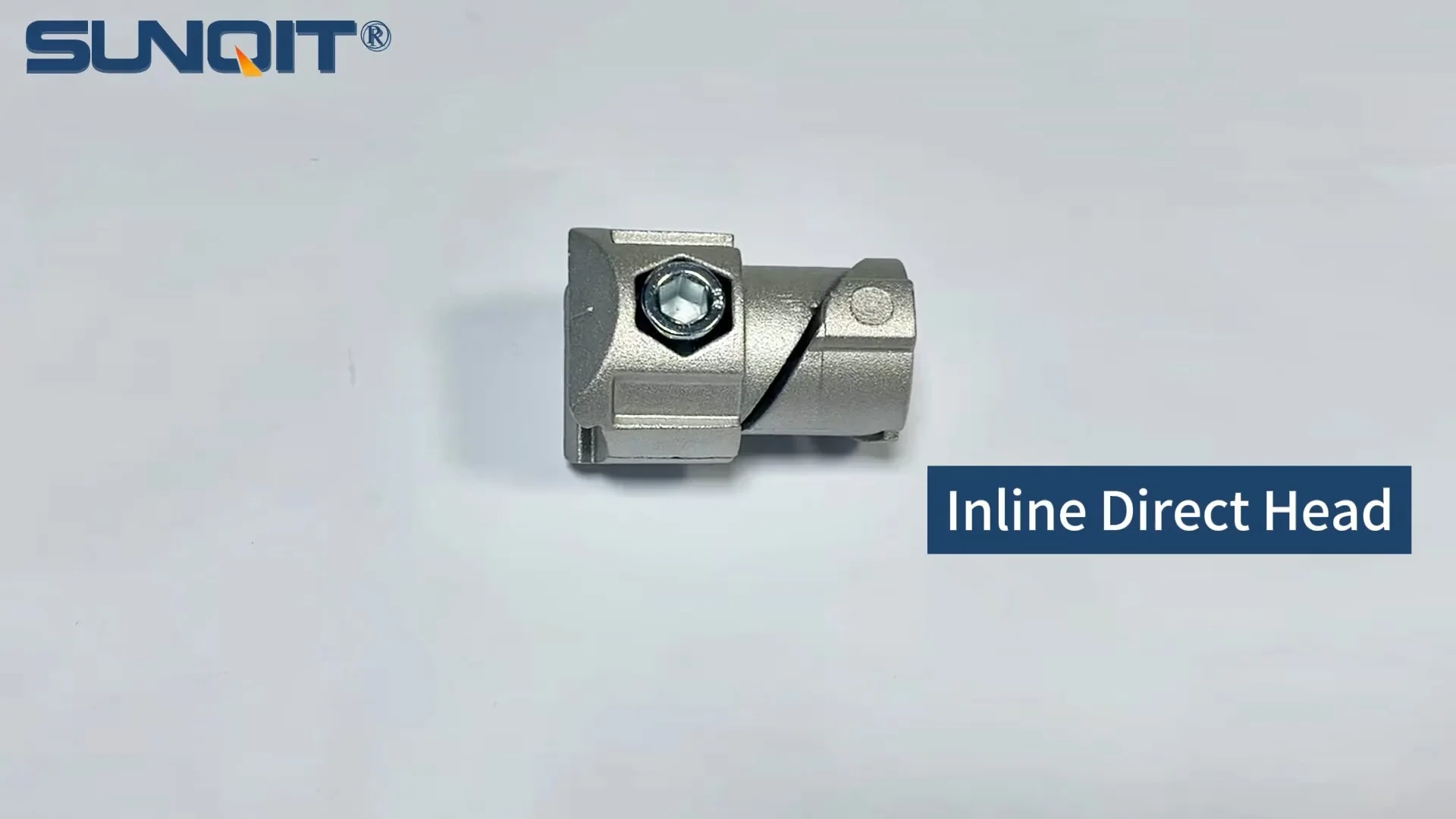
Internal straight aluminum joint
Aluminum pipe joint inside connection used for two pcs 28pcs aluminum pipe connection in straight angle,it connects two pcs pipe from inside.
Walk into any modern manufacturing facility, warehouse, or workshop, and you'll likely spot aluminum profile workbenches, aluminum lean pipe assembly lines, or material racks gliding smoothly through production. What holds these systems together—quietly ensuring stability, flexibility, and durability—are often but critical components: internal straight aluminum joints. These small, unassuming parts are the backbone of modular aluminum structures, linking aluminum pipes, profiles, and accessories into everything from simple workbenches to complex conveyor systems.
But here's the thing: even the sturdiest joints can run into issues. A loose joint might make a workbench wobble mid-assembly, misalignment could throw off an entire production line, or corrosion might eat away at a joint's integrity over time. For maintenance teams, facility managers, or anyone building with aluminum profile systems, understanding these common problems isn't just about fixing what's broken—it's about keeping operations running smoothly, reducing downtime, and extending the life of your equipment.
In this article, we'll dive into the world of internal straight aluminum joints. We'll explore why they matter, the typical problems they face, and step-by-step troubleshooting tips to get your aluminum systems back on track. Whether you're dealing with a wobbly workbench or a jammed conveyor, read on to turn frustration into solutions.
Understanding Internal Straight Aluminum Joints
Before we jump into problems, let's clarify what internal straight aluminum joints are and why they're so integral. These joints are designed to connect two or more aluminum pipes or profiles in a straight line, often with a threaded or friction-based mechanism that locks components together. Unlike external joints, which clamp around the outside of pipes, internal straight joints fit inside the hollow core of aluminum tubes or profiles, creating a sleek, space-saving connection.
Their popularity stems from three key benefits: strength (aluminum's natural rigidity combined with precise engineering ensures stable connections), versatility (they work with various aluminum pipe accessories, from basic aluminum tubes to complex aluminum extrusion profiles), and ease of assembly (no welding required—just twist, lock, or bolt into place). This makes them a go-to for lean manufacturing setups, where quick reconfiguration and minimal downtime are priorities.
Real-World Example: At a automotive parts plant in Ohio, maintenance technician Raj noticed a recurring issue: the aluminum lean pipe material racks used to transport gears kept shifting, causing parts to slip off. After inspecting the racks, he traced the problem to a handful of loose internal straight joints. "We'd tightened them during setup, but the constant vibration from the factory floor had slowly worked them loose," he explains. "Once we addressed those joints, the racks stayed stable for months."
Common Problems & How to Troubleshoot Them
1. Loosening Over Time: The Silent Saboteur
One of the most frequent complaints about internal straight aluminum joints is gradual loosening, especially in high-vibration environments like assembly lines or near heavy machinery. Over time, this can lead to wobbly workbenches, misaligned conveyor tracks, or even structural instability.
Causes: Vibration is the primary culprit—think of a workbench near a stamping machine, where constant shaking slowly unwinds threads. Other causes include improper initial tightening (either too loose or over-tightened, which can strip threads), material fatigue (repeated stress weakening the joint's grip), or using low-quality aluminum pipe accessories that wear down quickly.
Troubleshooting Steps:
- Inspect first: Check for visible gaps between the joint and aluminum profile. If you can wiggle the connected pipes by hand, the joint is likely loose.
- Tighten with care: Use a torque wrench (not just pliers!) to tighten the joint to the manufacturer's recommended torque. Over-tightening can damage threads—look for specs like "15-20 Nm" on the joint packaging.
- replace worn parts: If the joint's threads are stripped or the internal locking mechanism feels "spongy," swap it out for a new one. Reusing damaged joints is a temporary fix at best.
Prevention: Apply a thread-locking compound (like Loctite) during installation to resist vibration. For high-stress areas, schedule monthly inspections—add it to your maintenance checklist alongside checking caster wheels and roller tracks.
2. Misalignment During Assembly: When Straight Isn't Straight
Ever spent hours building an aluminum workbench, only to find the top surface slopes to one side? Misalignment during assembly is a common headache with internal straight joints, and it's often harder to fix after the fact than to prevent upfront.
Causes: The root cause is usually imprecision. Maybe the aluminum profile was cut at a slight angle (even 1-2 degrees off can throw off alignment), or the joint's internal threads are damaged, preventing a flush fit. Low-quality aluminum pipe accessories are another culprit—if the joint's inner diameter doesn't match the pipe's outer diameter exactly, gaps form, leading to wobble.
Troubleshooting Steps:
- Check for gaps: Place a straightedge along the connected pipes. If there's light visible between the straightedge and the pipe, you have misalignment.
- Realign gently: Loosen the joint, then tap the pipes with a rubber mallet to nudge them into place. For stubborn cases, use shims (thin aluminum strips) between the joint and profile to correct angles.
- replace damaged parts: If the joint's threads are cross-threaded or the pipe ends are bent, replace them. Trying to force misaligned parts together only worsens the issue.
Prevention: Invest in a quality pipe cutter or saw guide to ensure straight, clean cuts. When ordering aluminum profile accessories, verify that the joint's specifications (inner diameter, thread pitch) match your pipes—reputable suppliers will list these details clearly.
3. Corrosion & Wear: When the Elements Take Their Toll
Aluminum is naturally corrosion-resistant, but that doesn't make internal straight joints invincible. In humid environments, chemical-exposed areas (like labs or food processing plants), or even outdoor setups, joints can develop white, powdery corrosion (oxidation) or wear down, weakening their grip.
Causes: Moisture is the main enemy—even small amounts can react with aluminum over time, especially if the joint's protective anodized coating is scratched. Chemicals like cleaning agents, oils, or coolants can also eat away at the joint's surface. Poor maintenance, like leaving dirt or debris trapped in the joint, accelerates wear.
Troubleshooting Steps:
- Clean thoroughly: Use a soft brush and mild soap (avoid abrasive cleaners) to remove corrosion or debris. For tough spots, a 50/50 vinegar-water solution can dissolve oxidation—rinse well afterward to prevent further damage.
- Inspect for pitting: If the joint's surface has small holes (pitting) or feels rough, it's time to replace it. Pitting weakens the joint's structural integrity.
- Re-coat if possible: For minor scratches in the anodized coating, apply a thin layer of clear aluminum sealant to protect against future corrosion.
Prevention: In high-moisture areas, opt for stainless steel or corrosion-resistant aluminum joints. Regularly clean joints with a dry cloth to wipe away moisture, and avoid using harsh chemicals near aluminum systems—opt for pH-neutral cleaners instead.
4. Compatibility Issues with Aluminum Pipe Accessories
You've ordered the "right" internal straight joint, but when you try to connect it to your aluminum profile, it just won't fit. Compatibility issues are frustrating, but they're often avoidable with a little pre-purchase research.
Causes: The aluminum profile market has various standards—EU vs. national standards, different extrusion profiles (like 2020 vs. 4040), or even proprietary designs from specific suppliers. A joint designed for a 20mm diameter aluminum pipe won't work with a 30mm pipe, and a joint for a T-slot aluminum pipe might not fit a smooth-bore pipe.
Troubleshooting Steps:
- Check specs: Compare the joint's listed diameter, thread type, and profile compatibility with your existing aluminum pipe accessories. Most suppliers include diagrams or size charts—don't guess!
- Use adapters: If you're mixing old and new parts, look for adapter sleeves or conversion joints. For example, a 20mm-to-30mm adapter can bridge the gap between mismatched pipes.
- Contact the supplier: Reputable suppliers (like those specializing in lean pipe wholesale or aluminum profile systems) will help you find the right part—send them photos of your existing setup for clarity.
Prevention: Stick to a single supplier or standard if possible (e.g., all EU standard aluminum profiles) to ensure compatibility. Keep a "parts log" noting the make, model, and specs of your aluminum pipe accessories—this saves time when reordering.

Troubleshooting Quick Reference Table
| Problem | Common Causes | Immediate Fix | Long-Term Prevention |
|---|---|---|---|
| Loosening over time | Vibration, improper torque, material fatigue | Tighten with torque wrench; apply thread locker | Monthly inspections; use anti-vibration thread lockers |
| Misalignment during assembly | Imprecise cutting, damaged threads, mismatched parts | Realign with rubber mallet; use shims for gaps | Use precision cutting tools; verify part specs pre-purchase |
| Corrosion/wear | Moisture, chemical exposure, debris buildup | Clean with mild soap; replace pitted joints | Use corrosion-resistant joints; regular dry cloth cleaning |
| Compatibility issues | Mismatched pipe diameters, non-standard profiles | Use adapter sleeves; contact supplier for replacements | Stick to one supplier/standard; keep a parts log |

Best Practices for Maintaining Internal Straight Aluminum Joints
Preventing problems is always easier than fixing them. Here are a few pro tips to keep your internal straight aluminum joints—and the entire aluminum profile system—performing at their best:
- Invest in quality parts: It's tempting to cut costs with cheap aluminum pipe accessories, but low-quality joints wear faster, loosen easier, and cause more downtime. Reputable suppliers (look for those with "lean pipe supplier" or "aluminum profile accessories" certifications) offer parts tested for durability.
- Train your team: Ensure anyone assembling or maintaining aluminum systems knows how to properly tighten joints (use torque wrenches, not brute force!) and spot early signs of trouble (gaps, corrosion, wobble).
- Label and organize: Store spare joints, adapters, and aluminum pipe accessories in labeled bins. This reduces the risk of using the wrong part and makes reordering easier.
- Consider the environment: If your facility is humid, dusty, or exposed to chemicals, upgrade to specialized parts—like stainless steel swivel roller balls for wet areas or ESD workbench joints for electronics plants.
Final Thoughts
Internal straight aluminum joints might not be the flashiest part of your aluminum profile system, but they're the unsung heroes keeping everything together. By understanding common issues like loosening, misalignment, corrosion, and compatibility problems—and knowing how to troubleshoot them—you can keep your workbenches stable, your conveyor systems flowing, and your production lines running without unnecessary interruptions.
Remember: regular inspections, quality parts, and a little know-how go a long way. Whether you're a maintenance technician fixing a wobbly workbench or a facility manager upgrading an entire assembly line, treating these small joints with care pays off in big ways—less downtime, longer equipment life, and a smoother, more efficient operation.
So the next time you walk past that aluminum lean pipe rack or workbench, take a second to appreciate the internal straight aluminum joints holding it all together. And if something feels off? You've got the tools to fix it.