- Company Articles
- FAQ
- FAQ
- Common Problems with Parallel Rotatory Lean Pipe Joints & Solutions

Common Problems with Parallel Rotatory Lean Pipe Joints & Solutions
Related Product
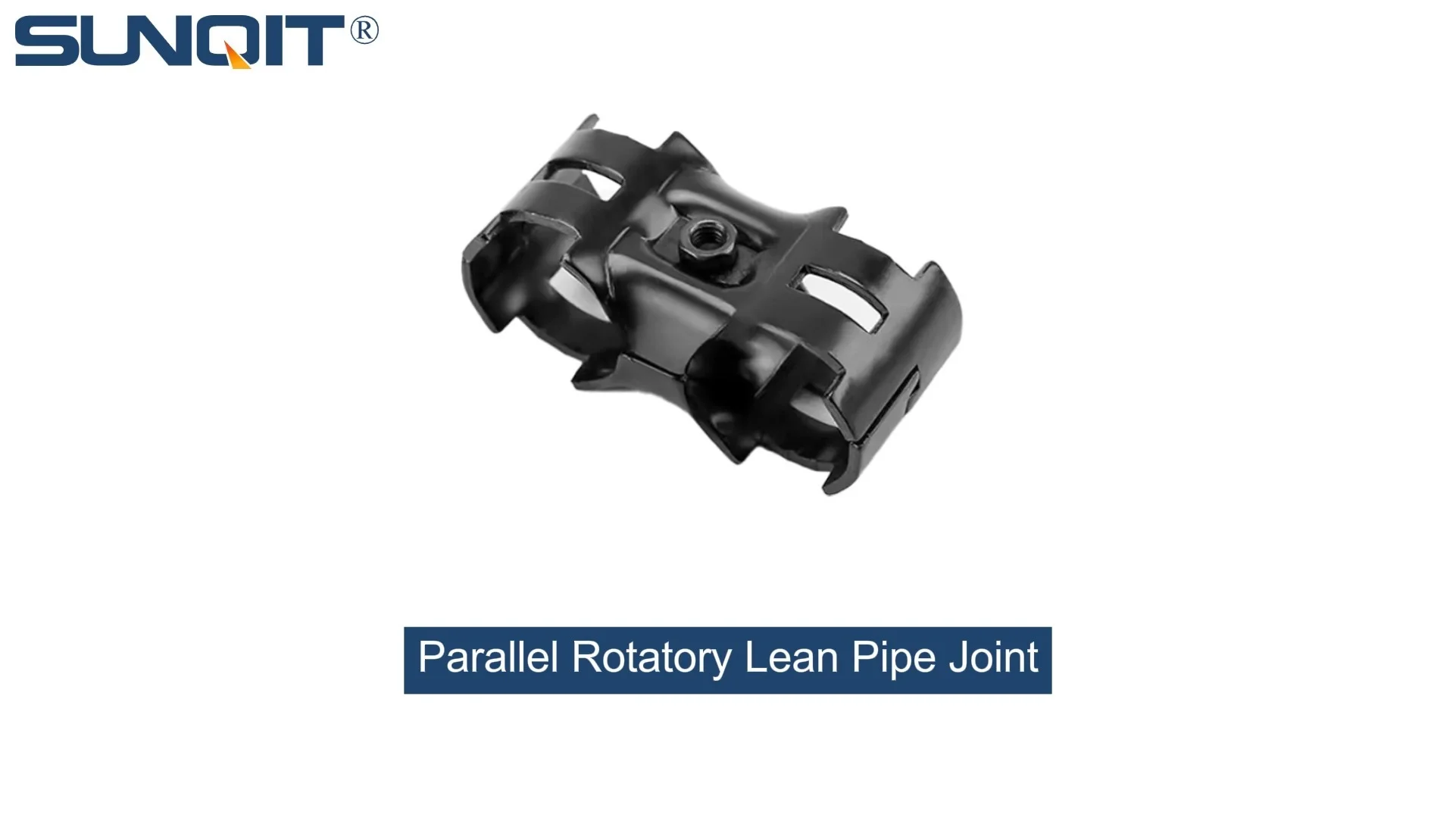
Parallel Rotatory Lean Pipe Joint
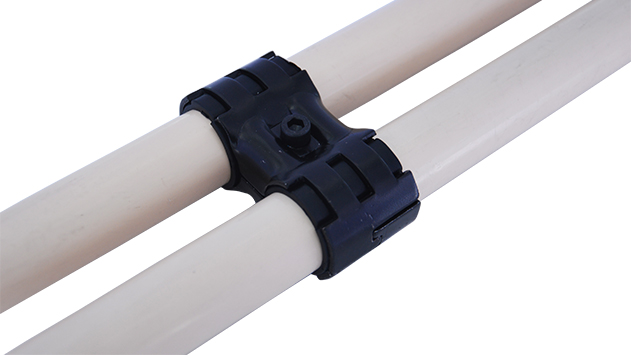
Parallel rotatory lean pipe joint, for 2 pcs pipe conenction in parallel direction with rotatory function.
In the fast-paced world of manufacturing and production, efficiency isn't just a buzzword—it's the backbone of staying competitive. Every tool, every component, and every inch of workspace matters. Among the unsung heroes of lean manufacturing are lean pipe systems , versatile setups that adapt to everything from assembly lines to warehouse storage. At the heart of these systems lie small but critical components: parallel rotatory lean pipe joints . These unassuming connectors keep workbenches stable, material racks flexible, and turnover trolleys moving smoothly. But like any hardworking part, they're prone to issues that can slow down operations, compromise safety, and eat into profits. Let's dive into the most common problems users face with these joints, why they happen, and how to fix them—because even the smallest component deserves attention when it keeps your production line running.
Understanding Parallel Rotatory Lean Pipe Joints
Before we tackle the problems, let's make sure we're all on the same page about what these joints are and why they matter. Parallel rotatory lean pipe joints are specialized connectors designed to link lean pipes (often made of steel, aluminum, or stainless steel) at parallel angles while allowing controlled rotation. Think of them as the hinges of your lean system—they let sections of a workbench fold, a material rack adjust, or a turnover trolley's shelves pivot to fit awkwardly shaped items. Unlike fixed joints, their ability to rotate adds a layer of flexibility that's indispensable in dynamic work environments.
You'll find these joints everywhere lean systems thrive: in workbench E (single deck-without caster) setups where operators need to adjust the angle of tool holders, in material rack B (3 row and 3 floor) units that require shelves to tilt for easy access, and even in roller track systems where goods slide smoothly from one station to the next. Their design typically includes a central rotating mechanism, metal sleeves, and locking components to keep the joint stable once positioned. When they work well, you barely notice them. When they don't? Suddenly, that smooth assembly line feels more like a bumpy road.
Common Problems Faced by Users
Let's get to the nitty-gritty: the issues that keep plant managers up at night. From wear and tear to compatibility headaches, these problems can range from minor annoyances to major operational roadblocks. We've compiled the top five based on feedback from manufacturers, warehouse supervisors, and maintenance teams—people who rely on these joints daily.
1. Excessive Wear and Tear
One of the most frequent complaints is that parallel rotatory lean pipe joints start showing signs of wear far sooner than expected. Symptoms include visible scratches on the rotating surfaces, loose parts, or a "gritty" feeling when turning the joint. In severe cases, the joint might even seize up entirely, making adjustment impossible.
What causes it? More often than not, the culprit is low-quality materials. Many suppliers cut corners by using thin steel or plastic components that aren't built to withstand constant use. If your facility runs two or three shifts a day, those joints are rotating hundreds—if not thousands—of times weekly. Cheap metals fatigue quickly under that stress. Another common cause is overloading: hanging heavy tools or stacking materials beyond the joint's weight capacity. Even a well-made joint will wear prematurely if it's asked to support more than it was designed for.
Solutions: Start by investing in joints made from high-grade steel or aluminum alloys. Look for products labeled with "high-tensile strength" or "wear-resistant coating"—these are indicators that the manufacturer prioritized durability. Second, always check the weight limits specified by the supplier. If you're unsure, err on the side of caution: a joint rated for 50kg shouldn't be trusted with 75kg of tools. Finally, consider adding reinforcement brackets to high-stress areas, like the corners of workbenches, to distribute weight more evenly across multiple joints.
2. Inconsistent Rotation (Sticking or Jerky Movement)
Imagine trying to adjust a workbench shelf to a 45-degree angle, but instead of moving smoothly, the joint sticks, then suddenly lurches—sending your tools crashing to the floor. Inconsistent rotation is more than just frustrating; it disrupts workflow and increases the risk of accidents. Users describe this problem as "jerky movement," "sticking," or "resistance that comes and goes."
What causes it? The primary offender here is poor lubrication. The rotating parts of the joint—like bearings or metal-on-metal contact points—need regular lubrication to reduce friction. Without it, tiny metal particles grind together, creating rough spots that cause sticking. Misalignment is another culprit: if the lean pipes connected by the joint aren't perfectly parallel (even by a few millimeters), the joint will be under constant stress, leading to uneven rotation. Finally, debris buildup—dust, grease, or small metal shavings from nearby machining—can get trapped in the joint, acting like sandpaper every time you try to rotate it.
Solutions: The fix here is often simpler than you might think. Establish a regular lubrication schedule: once a month for joints in moderate use, once every two weeks for high-use areas like assembly lines. Use a high-quality, lithium-based grease that resists heat and doesn't attract dust. For misalignment, invest in a laser level during installation to ensure pipes are parallel. If you're retrofitting old joints, loosen the pipe connections, realign, and retighten. And don't forget to clean! A quick wipe with a dry cloth every shift, followed by a blast of compressed air to dislodge debris, can work wonders. For stubborn buildup, use a mild degreaser (avoid harsh chemicals that might damage coatings).
3. Loosening Over Time
There's a telltale sign that a parallel rotatory lean pipe joint is loosening: the structure it's holding together starts to wobble. Maybe the workbench shelf sways when you lean on it, or the material rack shifts when you load a heavy box. At first, it's a minor annoyance, but over time, loose joints can lead to bigger problems—like a complete collapse if left unchecked.
What causes it? Vibration is the main enemy here. Manufacturing floors are noisy places, with machines humming, conveyor belts running, and forklifts passing by. All that vibration shakes the joint's fasteners loose, especially if they're not properly secured initially. Improper installation is another factor: if the joint wasn't tightened to the manufacturer's recommended torque (yes, there's a specific number!), it's only a matter of time before it starts to loosen. Finally, thermal expansion and contraction—common in facilities with fluctuating temperatures—can cause metal parts to expand and contract, gradually weakening the joint's grip.
Solutions: Prevention is key with loosening joints. Start by using lock nuts or thread-locking adhesive (like Loctite) during installation—these products create a friction barrier that resists vibration. Train your maintenance team to use torque wrenches, not just "eyeball it" or "crank until it's tight." Most suppliers provide torque specs (e.g., 25 Nm for steel joints), so keep those handy. Schedule weekly "wobble checks": walk through the facility and gently shake workbenches, racks, and trolleys. If you feel movement, tighten the joint immediately. For joints in high-vibration areas, consider adding reinforcement plates or extra brackets to distribute stress. And don't overlook environmental factors—if your facility has extreme temperature swings, opt for joints with thermal-resistant coatings that minimize expansion/contraction.
4. Compatibility Issues with Lean Pipes
This problem often rears its head when facilities try to mix and match components from different suppliers. You order a batch of parallel rotatory lean pipe joints, only to find they don't fit your existing lean pipes. The diameter is off by a millimeter, or the threading doesn't match, leaving you with a pile of useless parts and a production line on hold.
What causes it? The lean pipe industry has standards, but not all suppliers follow them strictly. Some cut costs by using non-standard pipe diameters (e.g., 28mm instead of the standard 25mm) or proprietary threading that only works with their brand. Another issue is material thickness: a joint designed for 1.5mm thick steel pipes might not grip a 1.2mm pipe securely, even if the diameter matches. Finally, accessories like lean pipe clamps or end caps can vary in size, throwing off the fit.
Solutions: The best defense here is to choose a reputable lean pipe supplier that adheres to international standards (like ISO 9001). Before placing a large order, request samples: test the joint with your existing pipes to ensure a snug fit. Check the product specs carefully—look for terms like "compatible with 25mm OD lean pipes" or "standard M8 threading." If you need to mix brands, ask the new supplier for a compatibility chart or technical drawing. Many suppliers now offer "universal" joints designed to fit multiple pipe sizes, which can be a lifesaver for facilities with older systems. And when in doubt, consult with the supplier's technical team—they're often happy to help you avoid costly mistakes.
5. Corrosion in Humid or Wet Environments
For facilities in humid climates, near the coast, or with frequent water exposure (like food processing or automotive painting shops), corrosion is a silent killer of parallel rotatory lean pipe joints. You might first notice small rust spots on the joint's surface, then pitting, and eventually, the joint becomes weak and brittle—unable to rotate or support weight.
What causes it? Moisture is the obvious culprit, but it's often made worse by low-quality coatings. Many budget joints use a thin layer of zinc plating that wears off quickly, leaving the steel underneath exposed to oxygen and water. In saltwater environments, chloride ions accelerate rusting, while in industrial settings, chemicals like oils or solvents can break down protective coatings. Even sweat from workers' hands, if left on uncoated joints, can cause corrosion over time.
Solutions: The answer here is to choose the right material from the start. If your facility is humid or wet, opt for stainless steel pipe series joints—stainless steel contains chromium, which forms a protective oxide layer that resists rust. For even more protection, look for joints with a passivated finish, which enhances corrosion resistance. If stainless steel is out of budget, consider joints with a thick, epoxy coating (at least 80 microns thick) that's rated for wet environments. Regular cleaning is also important: wipe down joints with a damp cloth to remove salt, oil, or sweat, and dry thoroughly. In extreme cases, apply a rust-inhibiting spray every few months as an extra layer of defense.
Pro Tip: Keep a small "corrosion kit" handy—including a wire brush for removing surface rust, touch-up paint for nicks in coatings, and a rust converter that turns existing rust into a protective layer. Catching corrosion early can extend a joint's lifespan by years.
Problem-Solution Summary Table
| Common Problem | Key Causes | Recommended Solutions |
|---|---|---|
| Excessive Wear and Tear | Low-quality materials, overloading, poor lubrication | Use high-tensile steel joints, adhere to weight limits, regular lubrication |
| Inconsistent Rotation | Dry joints, misalignment, debris buildup | Lubricate with lithium grease, align pipes with laser level, clean regularly |
| Loosening Over Time | Vibration, improper torque, thermal expansion | Use lock nuts/thread-locker, torque wrenches for installation, weekly wobble checks |
| Compatibility Issues | Non-standard sizes, proprietary designs, mismatched accessories | Choose ISO-certified suppliers, test samples first, consult compatibility charts |
| Corrosion | Moisture exposure, thin coatings, chemical contact | Stainless steel joints, epoxy coatings, regular cleaning/drying |

Proactive Maintenance: Keeping Joints in Top Shape
Now that we've covered the problems and fixes, let's talk about prevention. Proactive maintenance is the key to extending the life of your parallel rotatory lean pipe joints and avoiding costly downtime. Here's a simple routine you can implement today:
Daily Checks (5-Minute Walkthrough)
Have operators or floor supervisors do a quick visual inspection of joints during their shift start. Look for obvious issues: rust spots, loose fasteners, or visible wear. If something looks off, tag it for maintenance to check later. This quick check can catch small problems before they escalate.
Weekly Deep Clean and Lubrication
Set aside 30 minutes each week to clean and lubricate high-use joints. Wipe away dust and debris, apply lubricant to rotating parts, and tighten any loose fasteners. Use this time to check alignment—if a pipe looks bent or a joint is misaligned, fix it immediately.
Monthly Torque Verification
Grab a torque wrench and verify that all joint fasteners are tightened to the manufacturer's specs. This is especially important after the first month of installation, as joints often "settle" and loosen slightly in the initial use period.
Quarterly Replacement Assessment
Review joints in high-stress areas (like near vibrating machinery or in wet environments). If they show significant wear (e.g., pitting, excessive play), replace them proactively—don't wait for failure. Keep a small stock of spare joints on hand to minimize downtime.

Choosing the Right Supplier: Your First Line of Defense
At the end of the day, even the best maintenance can't low-quality parallel rotatory lean pipe joints. Choosing a reputable supplier is critical to avoiding many of the problems we've discussed. Here's what to look for:
Quality Certifications: Look for suppliers with ISO 9001 certification, which ensures they follow strict quality control processes. For stainless steel joints, check for ASTM or EN standards compliance.
Material Transparency: A good supplier will happily share details about the materials used (e.g., "304 stainless steel" or "high-carbon steel with epoxy coating"). Avoid suppliers who vague about material specs—this is often a red flag for cutting corners.
Technical Support: The best suppliers don't just sell you parts—they help you use them. Look for companies with a dedicated technical team that can answer questions about installation, compatibility, or maintenance. Many even offer on-site training for your staff.
Customization Options: Every facility is unique. If you need a specialized joint (e.g., extra-large diameter or corrosion-resistant for a marine environment), choose a supplier that offers customization. Avoid one-size-fits-all solutions for complex setups.
Conclusion: Small Joints, Big Impact
Parallel rotatory lean pipe joints might be small, but their role in keeping your lean system running smoothly is enormous. From excessive wear to corrosion, the problems they face are often preventable with the right materials, installation, and maintenance. By understanding the causes behind these issues and implementing the solutions we've outlined—investing in quality, staying on top of lubrication, choosing reputable suppliers—you can extend the life of your joints, reduce downtime, and keep your production line efficient.
Remember, lean manufacturing is about eliminating waste—including the waste of time and money spent fixing avoidable problems. So the next time you walk through your facility, take a second look at those unassuming joints. A little attention today can save you a lot of headaches tomorrow. After all, in the world of lean, every component counts—especially the ones that keep everything moving.