- Company Articles
- FAQ
- FAQ
- Common Problems with Plastic Pipe Covers & How to Solve Them

Common Problems with Plastic Pipe Covers & How to Solve Them
Related Product
Plastic Pipe Cover
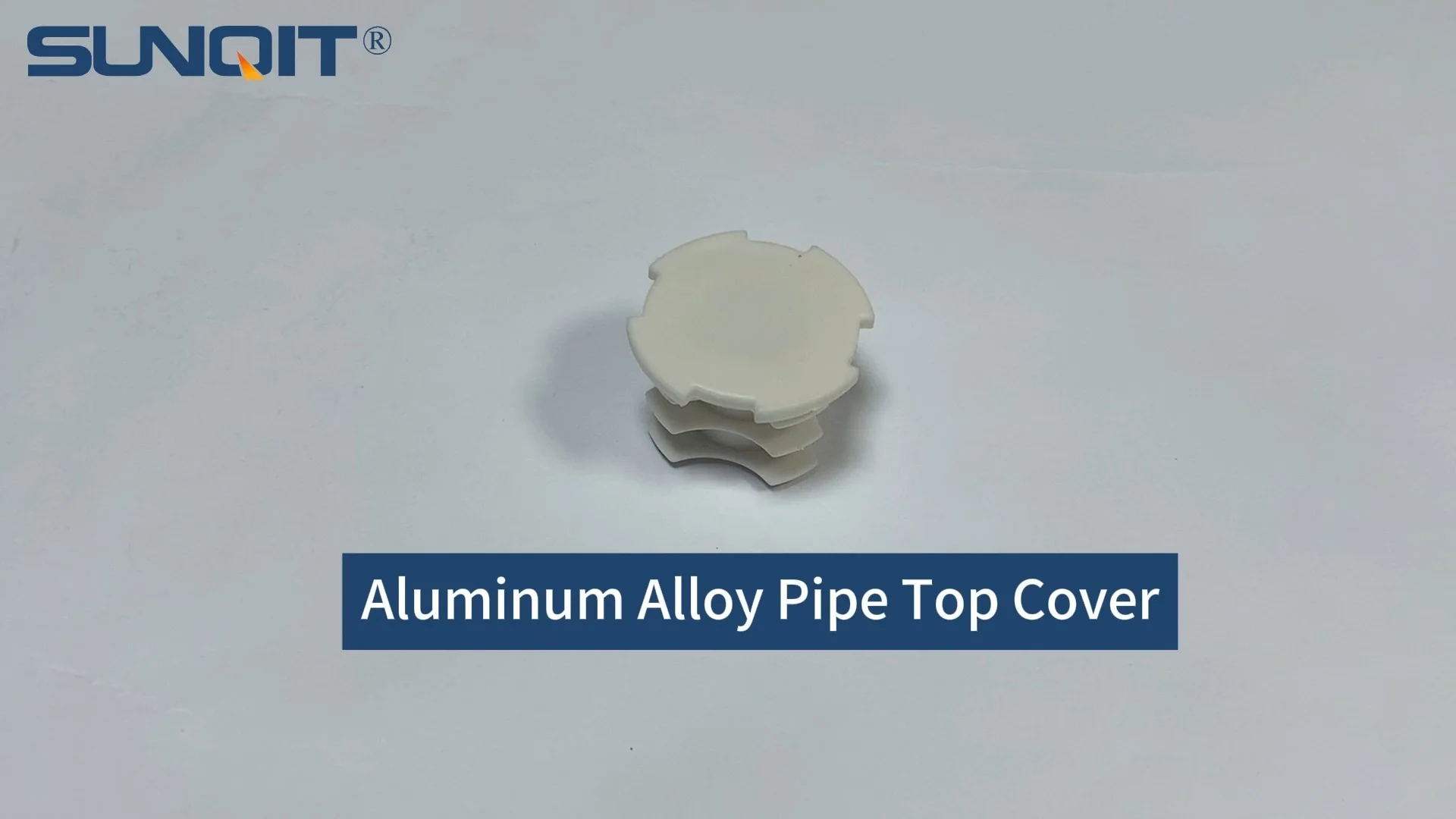
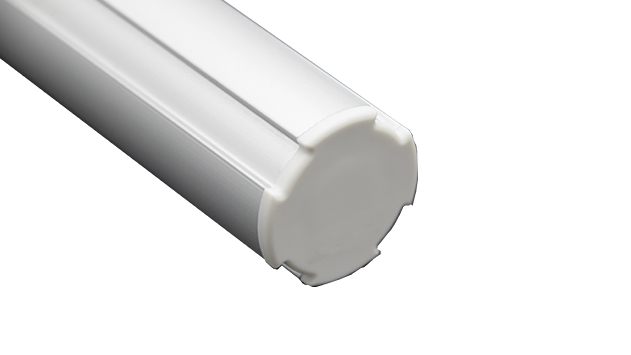
Plastic pipe cover to cover dia 28MM aluminum pipe end at workbench, flow rack, to prevent metal surface scratch material or worker.
Walk into any factory, workshop, or warehouse, and you'll probably spot them—lean pipes crisscrossing workbenches, flow racks humming with materials, and conveyor systems weaving through production lines. These setups are the backbone of efficient operations, but there's a tiny component that often goes unnoticed: the plastic pipe cover. Whether it's a plastic pipe end cap sealing the tip of a tube or a plastic pipe sleeve shielding a joint, these unassuming pieces play a huge role in keeping things running smoothly. They protect pipes from corrosion, prevent snags on clothing or materials, and even add a clean, finished look to otherwise industrial setups.
But here's the thing: when these covers fail, the consequences can be more than just an eyesore. A cracked plastic pipe end cap might let moisture seep into a lean tube, leading to rust and weakened structural integrity. A loose plastic pipe sleeve could catch on a passing trolley, causing a spill or even a safety hazard. And let's not forget the frustration of constantly replacing worn-out covers—time that could be better spent on actual production.
In this article, we're diving deep into the world of plastic pipe covers. We'll talk about the common headaches they cause, why those problems happen, and most importantly, how to fix them. Whether you're a maintenance manager tired of endless replacements or a small business owner setting up your first workbench, this guide is for you. Let's start by understanding why these little covers matter so much.
Why Plastic Pipe Covers Deserve Your Attention
Before we jump into the problems, let's take a second to appreciate what plastic pipe covers actually do. Think of them as the "protective gear" for your pipes. A plastic pipe end cap, for example, acts like a helmet for the end of a tube, keeping out dust, debris, and moisture. A plastic pipe sleeve, on the other hand, is like a knee pad—wrapping around joints or exposed areas to prevent wear and tear from friction or impact.
In lean systems, where efficiency and durability are king, even small components like these can make or break productivity. Imagine a flow rack in a warehouse: if the plastic covers on its support pipes are cracked, the pipes underneath might start to corrode. Over time, that corrosion weakens the rack, making it unsafe to hold heavy materials. Suddenly, you're not just replacing a 50-cent cover—you're shelling out for a whole new rack, plus dealing with downtime while it's installed. Not exactly lean, right?
And let's not overlook safety. A sharp, uncovered pipe end is a recipe for scraped hands or torn gloves, which can slow down workers and even lead to injuries. In busy production environments, where every second counts, the last thing you need is a preventable accident because a plastic pipe cover was missing or damaged.
So, now that we know why these covers are important, let's get into the nitty-gritty: the most common problems people run into, and how to solve them for good.
Common Problems with Plastic Pipe Covers (and How to Fix Them)
1. Cracking and Brittleness: When Covers Start to Break Down
One of the most frustrating issues with plastic pipe covers is when they start to crack or become brittle. You've probably seen it: a plastic pipe end cap that was once flexible now snaps at the slightest pressure, or a plastic pipe sleeve that's covered in tiny, spiderweb-like cracks. What causes this, and how can you stop it?
Why it happens: Plastic, by nature, is susceptible to degradation over time, especially when exposed to harsh conditions. UV light from sunlight is a big culprit—if your pipes are near windows or in an outdoor area, the sun's rays can break down the plastic's molecular structure, making it dry and brittle. Temperature extremes don't help either: freezing cold can make plastic stiff, while scorching heat can cause it to warp and weaken. Low-quality materials are another factor. Some manufacturers cut corners by using cheap plastics that lack additives to resist UV rays or temperature changes, so these covers start failing within months instead of years.
Real-world example: Maria, a maintenance supervisor at a electronics assembly plant, noticed that the plastic pipe end caps on the esd workbenches near the loading dock were cracking left and right. At first, she thought it was just bad luck, but after replacing them twice in three months, she realized the issue was the constant sunlight streaming through the dock doors. The UV rays were turning the caps brittle, even though they were indoors. The workbenches were under a skylight, and over time, the exposure took its toll.
How to solve it: The key here is prevention. Start by choosing the right material. Look for plastic pipe covers labeled as "UV-resistant" or "weatherproof"—these are formulated with additives that block UV rays and stand up to temperature swings. If you're buying in bulk, ask your supplier (like a lean pipe supplier or plastic pipe accessories vendor) about the material's durability ratings. For covers that will be exposed to sunlight, opt for darker colors—black or gray absorb less UV light than white or yellow, which can help extend their lifespan.
Storage matters too. If you keep extra covers in a shed or warehouse, make sure they're stored in a cool, dry place away from direct sunlight. Even unopened packages can degrade if left in a hot, sunny corner. And don't wait for a cover to completely crack before replacing it—keep an eye out for early warning signs, like discoloration or a "crunchy" feel when you squeeze it. Catching it early saves you from dealing with broken pieces and potential pipe damage.
2. Poor Fit and Loosening: When Covers Just Won't Stay Put
There's nothing more annoying than a plastic pipe cover that won't stay on. You push a plastic pipe end cap onto a tube, only to find it on the floor an hour later. Or a plastic pipe sleeve that slides around, leaving parts of the pipe exposed. A loose cover isn't just a hassle—it defeats the whole purpose of having a cover in the first place.
Why it happens: More often than not, poor fit comes down to incorrect sizing. Pipes come in different diameters—1 inch, 0.5 inch, 2 inches—and if you buy a cover that's even slightly too big or too small, it won't grip properly. For example, a 1-inch plastic pipe end cap on a 0.75-inch pipe will obviously fall off, but even a 0.1-inch difference can cause issues. Vibration is another factor. In factories with conveyor systems or heavy machinery, constant shaking can loosen covers over time, especially if they're not secured tightly. Wear and tear on the pipe itself doesn't help either—if the end of the pipe is dented or bent, the cover won't sit flush, leading to a loose fit.
Real-world example: Raj, who runs a small automotive parts workshop, struggled with plastic pipe sleeves that kept sliding off the roller track supports. The sleeves were supposed to protect the aluminum guide rails from scratches, but they'd slide down whenever a trolley passed by. After measuring the pipes, he realized the sleeves were 0.25 inches too large—he'd accidentally ordered the wrong size. Once he swapped them for the correct diameter, they stayed put.
How to solve it: The first step is to measure, measure, measure. Before buying any plastic pipe cover, grab a caliper or a tape measure and check the outer diameter of your pipe. Don't guess—even a small mistake can lead to a poor fit. Most suppliers list the compatible pipe sizes for their covers, so match those numbers exactly. If you're unsure, ask for samples—many lean pipe suppliers will send a few covers so you can test the fit before placing a bulk order.
For covers that need extra security (like those on vibrating machinery), consider using adhesive or clips. A small dab of industrial-grade glue (that won't damage the pipe or cover) can help hold end caps in place. For sleeves, plastic zip ties or metal clips (gentle enough not to crack the plastic) can add extra grip. Just make sure the clips aren't too tight—you still want to be able to remove the cover later for maintenance.
3. Discoloration and Fading: When Covers Lose Their Look (and Maybe Their Function)
Plastic pipe covers don't just need to work—they need to look presentable too. A flow rack with yellowed, stained plastic pipe sleeves or a workbench with covers that have faded from bright yellow to a dull cream can make your whole setup look unprofessional. But discoloration isn't just about aesthetics; in some cases, it's a sign that the plastic is degrading.
Why it happens: UV light strikes again! As we mentioned earlier, sunlight breaks down plastic, and one of the first visible signs is discoloration. White or light-colored covers often turn yellow, while darker colors may fade to a lighter shade. Chemicals are another culprit. If your covers are exposed to cleaning agents, oils, or solvents (common in manufacturing environments), these substances can react with the plastic, causing stains or color changes. Even something as simple as leaving a greasy rag on a plastic pipe cover can leave a permanent mark over time.
Real-world example: James, who manages a food packaging facility, prides himself on keeping his workspace spotless. But he noticed that the plastic pipe end caps on the material racks near the cleaning station were developing dark, greasy stains that wouldn't come off with regular soap and water. The issue? The cleaning crew was using a strong degreaser that, while great for metal surfaces, was reacting with the plastic covers, causing discoloration and weakening the material.
How to solve it: Prevention is key here too. Start by choosing UV-stabilized covers, which are designed to resist fading. These covers have special additives that absorb UV rays, keeping their color intact for longer. If your covers are in an area with harsh chemicals, opt for chemical-resistant plastics—some manufacturers make covers specifically for industrial environments where exposure to solvents or oils is common.
For cleaning, stick to mild, non-abrasive soaps and warm water. Avoid harsh cleaners like bleach, ammonia, or degreasers unless you're sure they're safe for plastic. A soft sponge or cloth (no steel wool!) will help remove dirt without scratching the surface. If stains do set in, try a paste of baking soda and water—gently rub it on the stain, let it sit for 10 minutes, then rinse. For stubborn grease stains, a small amount of dish soap (the kind used for hand-washing dishes) can cut through the oil without damaging the plastic.
4. Wear and Tear from Friction: When Covers Get Rubbed Raw
Some plastic pipe covers take a beating from constant friction. Think about a plastic pipe sleeve that's wrapped around a joint where a roller track meets a lean pipe—every time a trolley rolls over the track, the sleeve rubs against the metal, slowly wearing it down. Over time, the sleeve thins out, develops holes, or even tears completely. How can you protect covers from this kind of damage?
Why it happens: Friction is the enemy of plastic (and most materials, for that matter). When two surfaces rub together, they generate heat and wear away at each other. In high-traffic areas—like flow racks where materials are constantly sliding, or conveyor systems with moving parts—covers are under constant attack. Soft plastics are more susceptible than hard ones; a flexible plastic pipe cover might be great for a tight fit, but it won't stand up to repeated rubbing as well as a rigid one. Poor alignment is another factor: if a roller track isn't perfectly straight, the trolley might wobble, causing extra friction on the covers where the track meets the pipe.
Real-world example: At a furniture assembly plant, the plastic roller track guide rails (yellow, in this case) on the material racks were wearing thin where the roller track placon mount connected to the aluminum profile. The constant movement of wooden boards sliding over the rails was rubbing against the plastic, creating grooves in the covers. The maintenance team tried replacing the covers every month, but it was costing time and money. Finally, they realized the issue was misalignment—the rails were slightly tilted, so the boards were dragging more on one side of the cover than the other.
How to solve it: Start by choosing the right cover for the job. For high-friction areas, opt for thicker, more durable plastics—look for covers labeled as "heavy-duty" or "abrasion-resistant." These are often made with added fibers or thicker walls to withstand rubbing. If possible, reduce friction at the source by aligning tracks and pipes properly. A straight, level roller track will cause less drag than a wobbly one, so take the time to adjust and secure tracks before installing covers.
Lubrication can also help. A thin layer of silicone spray (applied sparingly to the contact points) can reduce friction between the cover and the moving parts. Just make sure the lubricant is compatible with plastic—some oils can degrade certain types of plastic, so test a small, hidden area first. For covers that are already worn, consider adding a protective layer, like a strip of durable tape (clear or matching the cover color) over the high-friction spots. It's a temporary fix, but it can extend the cover's life by a few months.
5. Difficulty in Installation and Removal: When Covers Are a Pain to Put On (and Take Off)
Ever tried to force a plastic pipe end cap onto a pipe, only to have it bend out of shape or get stuck halfway? Or struggled to remove a plastic pipe sleeve that's been on for so long it's practically fused to the tube? Installation and removal headaches are common with plastic pipe covers, but they don't have to be.
Why it happens: Tight tolerances are often the issue. Some covers are designed to be a "snug fit," but if the manufacturer's measurements are off, that snug fit becomes a "impossible fit." Cold weather can make plastic stiff, so trying to install a cover in freezing temperatures is like trying to bend a popsicle stick—it's more likely to crack than stretch. On the flip side, if the pipe is dirty or has burrs (sharp edges from cutting), the cover can get caught, making it hard to slide on. Over time, corrosion or rust on the pipe can also make removal tough, as the cover sticks to the rough surface.
Real-world example: Tom, a DIY enthusiast setting up a home workshop, bought a basic aluminum tube and plastic pipe end caps to build a small workbench. He followed the instructions, but the end caps just wouldn't slide on—they were either too tight or would bend when he pushed. Frustrated, he almost gave up, but then he remembered a tip from a friend: warm the caps in hot water for a minute. The heat made the plastic more flexible, and they slipped right on. Later, when he needed to adjust the bench, he used a hair dryer to gently warm the caps again, making removal easy.
How to solve it: For installation, warmth is your friend. If the plastic is stiff (like in cold weather), warm the cover in hot (but not boiling) water for 30 seconds to a minute. This softens the plastic, making it more flexible and easier to stretch over the pipe. Just dry the cover and pipe thoroughly first—water can make the surface slippery, but a little soap (like dish soap) can act as a lubricant to help the cover slide on. Avoid using oil-based lubricants here, as they can leave a residue that attracts dirt.
For removal, patience is key. If the cover is stuck, try warming it again to soften the plastic. If there's rust or corrosion, gently scrape away any loose particles with a plastic scraper (metal might scratch the pipe). For end caps that are really stuck, a pair of pliers with rubber tips (to avoid cracking the plastic) can help grip and twist the cap off. Just don't pull too hard—you don't want to snap the cap and leave part of it stuck on the pipe.
A Quick Reference: Common Problems, Causes, and Solutions
| Problem | Common Causes | Solutions |
|---|---|---|
| Cracking/Brittleness | UV exposure, temperature extremes, low-quality plastic | Choose UV-resistant, high-quality covers; store in cool, dark place; replace at first sign of cracking |
| Poor Fit/Loosening | Incorrect sizing, vibration, dented/bent pipes | Measure pipe diameter carefully; use adhesive or clips for extra security; test fit with samples |
| Discoloration/Fading | UV light, chemical exposure, stains from oils/grease | Use UV-stabilized covers; clean with mild soap; avoid harsh chemicals; test lubricants on hidden areas |
| Wear from Friction | Constant rubbing, misaligned tracks, soft plastic | Choose heavy-duty/abrasion-resistant covers; align tracks properly; use silicone spray for lubrication |
| Difficult Installation/Removal | Tight tolerances, cold weather, dirty/burred pipes | Warm covers in hot water; use soap as lubricant; remove rust/corrosion before installing; use rubber-tipped pliers for removal |

Choosing the Right Plastic Pipe Cover for Your Needs
Now that you know how to solve common problems, let's talk about choosing the right cover in the first place. Not all plastic pipe covers are created equal, and the best one for your setup depends on your environment, pipe type, and usage.
Consider the environment: Indoors vs. outdoors? Near chemicals or UV light? For outdoor or sunny areas, UV-resistant covers are a must. For chemical-heavy environments (like factories with solvents), look for chemical-resistant plastics. For cleanrooms or esd workbenches, static-dissipative covers might be necessary to prevent static buildup.
Match the pipe type: Are you covering a lean pipe, aluminum profile, or stainless steel tube? The material of the pipe can affect how the cover adheres and wears. For example, aluminum is smooth, so covers might need a tighter fit to stay on, while rough stainless steel might grip covers better but also wear them down faster.
Think about usage: Will the cover be on a stationary pipe or one that moves (like a trolley handle)? Moving pipes need flexible covers that can bend without cracking. High-traffic areas (like flow racks) need durable, abrasion-resistant covers, while low-traffic areas might be fine with standard covers.
And don't forget to buy from a reputable supplier. A reliable lean pipe supplier or plastic pipe accessories vendor will have detailed specs, quality guarantees, and good customer service—so if you run into issues, you can get help quickly. Avoid generic, no-name covers from discount sites; they might be cheaper upfront, but they'll cost you more in replacements and downtime later.

Final Thoughts: Small Covers, Big Impact
Plastic pipe covers might seem like afterthoughts, but as we've seen, they play a critical role in protecting your equipment, ensuring safety, and keeping your operations running smoothly. By understanding the common problems—cracking, poor fit, discoloration, wear, and installation headaches—and how to solve them, you can extend the life of your covers, save time and money, and avoid unnecessary stress.
Remember: the key is to choose quality covers, install them correctly, and maintain them regularly. A little attention to these tiny components can go a long way in keeping your lean system, workbenches, and flow racks in top shape. So next time you walk past a row of pipes, take a second to check the covers—you might just save yourself a big headache down the line.