- Company Articles
- FAQ
- FAQ
- Common Problems with Plastic Pipe Sleeves & How to Solve Them in Lean Systems

Common Problems with Plastic Pipe Sleeves & How to Solve Them in Lean Systems
Related Product
Plastic Pipe Sleeve
Plastic pipe sleeve to cover dia 28MM aluminum pipe end to contact with ground.
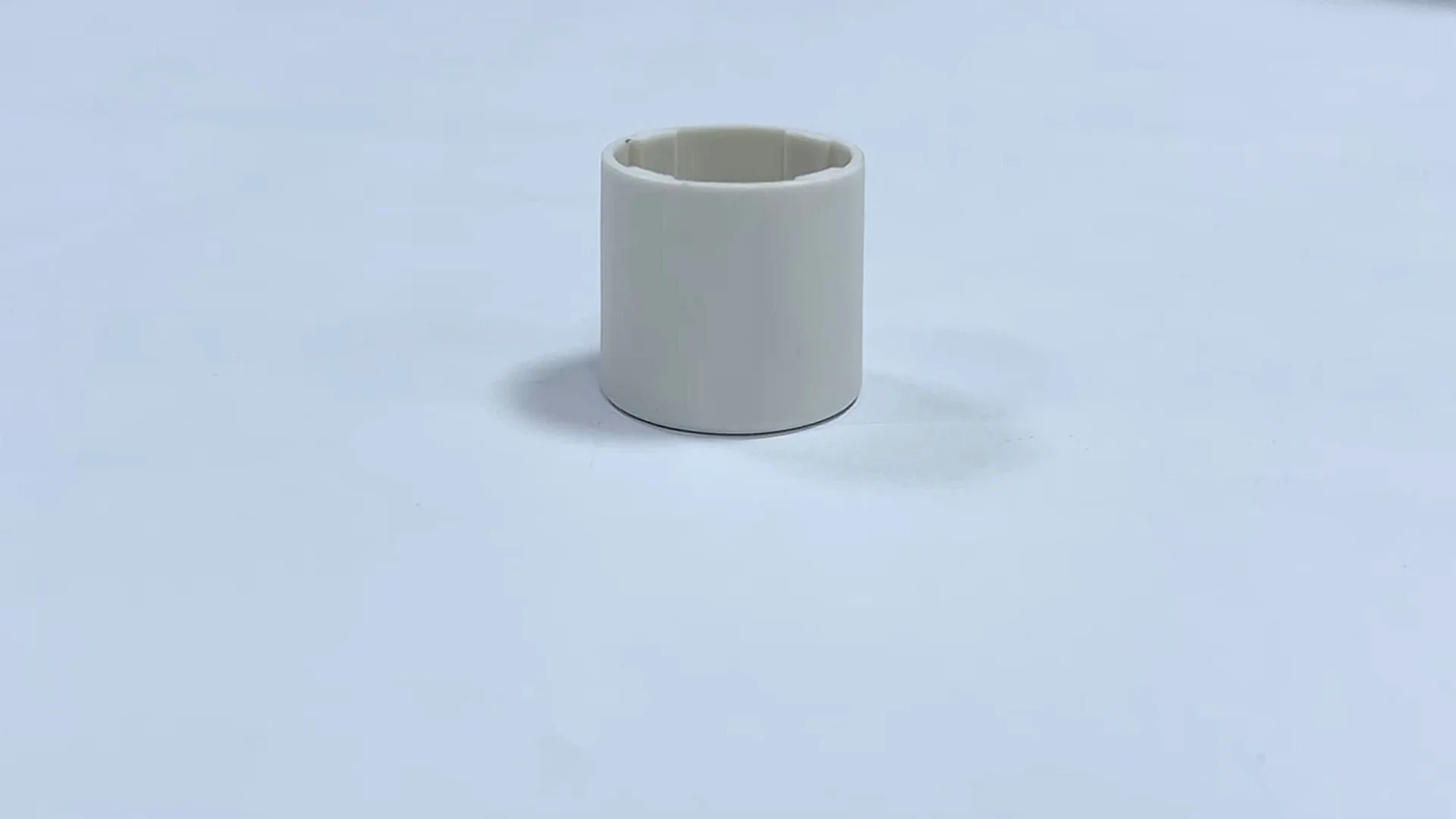
In the world of lean manufacturing, every component plays a silent but critical role in keeping operations running smoothly. From the lean pipe that forms the backbone of workstations to the smallest joint that holds it all together, even the most unassuming parts can make or break efficiency. Today, we're zeroing in on one such unsung hero: the plastic pipe sleeve. These simple, often overlooked tubes slip over lean pipes to protect surfaces, reduce friction, secure joints, and maintain the integrity of lean systems —but they're far from problem-proof.
If you've ever dealt with a wobbly workstation, a pipe that's chipped and worn, or a joint that just won't stay tight, chances are a faulty plastic pipe sleeve is to blame. In this article, we'll walk through the most common headaches plaguing plastic pipe sleeves in lean environments, why they happen, and actionable solutions to fix (and prevent) them. Whether you're a plant manager, a maintenance tech, or someone building their first lean pipe workbench , these insights will help you keep your systems flexible, durable, and waste-free—just like lean principles demand.
First, What Is a Plastic Pipe Sleeve, Anyway?
Before diving into problems, let's get clear on the basics. A plastic pipe sleeve is a thin, cylindrical tube designed to fit over metal or aluminum lean pipes . Think of it as a protective "sock" for your pipes. Its jobs? To cushion impacts, reduce friction when pipes rub against roller tracks or other surfaces, insulate against static (critical for ESD-sensitive work), and even hide minor scratches or dents to keep your setup looking professional. Made from materials like PVC, polyurethane, or ESD-rated plastics, they're cheap, easy to install, and essential for extending the life of your lean system .
But here's the catch: not all sleeves are created equal. And even the best ones can fail if misused, poorly maintained, or paired with the wrong components. Let's break down the top issues and how to solve them.
Problem 1: Premature Wear and Tear—When Sleeves Give Out Too Soon
Walk into any busy factory, and you'll likely spot lean pipe structures with sleeves that look like they've been through a war: cracks, thinning walls, or even chunks missing. This isn't just an eyesore—it's a red flag for system failure. Premature wear is the most common complaint, and it's usually caused by three culprits:
Why It Happens
- Low-quality materials: Many suppliers cut corners with cheap PVC sleeves that lack durability. These soften in high temperatures, harden and crack in cold environments, or abrade quickly when rubbed against roller tracks or metal surfaces.
- High-friction environments: If your lean system relies on moving parts—like roller tracks for material flow—the sleeves on adjacent pipes take a beating. Every time a bin slides over the track, the sleeve rubs against it, wearing down the surface over time.
- Overloading: Sleeves are designed to handle specific weight limits. Stacking heavy tools or materials on a lean pipe workbench with undersized sleeves compresses the plastic, leading to splits or permanent deformation.
The Fix: Choose Smarter, Maintain Better
The solution starts with ditching the "one-size-fits-all" mindset. Here's how to make sleeves last:
1. Upgrade to High-Grade Materials
Not all plastics are the same. For high-friction areas (like near roller tracks ), opt for polyurethane sleeves. They're 3x more abrasion-resistant than standard PVC and flex instead of cracking under stress. For extreme temperatures, look for heat-stabilized or cold-resistant blends—check the manufacturer's specs for operating ranges (aim for -20°C to 60°C for most factories).
2. Reduce Friction with Strategic Design
If sleeves are wearing because of constant contact with roller tracks , reposition the pipes. Mount them slightly above the track surface so only the rollers (not the sleeves) bear the load. Alternatively, add roller track placon mounts to create a buffer—these small brackets lift the pipe away from moving parts, cutting down on rubbing.
3. Inspect and replace Proactively
Set a monthly check-in: run your hand along sleeves to feel for thinning or cracks, and measure wall thickness with calipers (replace if it's 30% thinner than when new). For high-use areas (like lean pipe workbench edges or material rack rails), schedule replacements every 6–8 months instead of waiting for failure.
| Material | Abrasion Resistance | Temperature Range | Best For |
|---|---|---|---|
| Standard PVC | Low (wears quickly on roller tracks) | 0°C – 40°C | Light-duty, static environments (e.g., storage racks) |
| Polyurethane | High (ideal for roller track contact) | -20°C – 80°C | High-friction areas, moving parts, heavy loads |
| ESD-Rated Polypropylene | Medium | -10°C – 60°C | Electronics manufacturing (prevents static buildup) |

Problem 2: Loose Joints and Wobbly Structures—When Sleeves Fail to Secure Pipes
A lean system is only as strong as its joints. And when plastic sleeves don't grip pipes tightly, joints loosen, structures wobble, and suddenly your "stable" workstation feels like it might collapse. This isn't just annoying—it's dangerous, especially if tools or materials topple off.
Why It Happens
- Mismatched sizes: Sleeves that are too loose slide around, while ones that are too tight stretch and deform during installation—both leave gaps between the sleeve and pipe, weakening the joint.
- Ignoring lean pipe joint compatibility: Sleeves need to work with your lean pipe joint design. For example, a sleeve with a thick wall might not fit into a compact joint, leaving the pipe exposed and unstable.
- Thermal expansion: Plastics expand in heat and contract in cold. If your facility has temperature swings (common in warehouses with uninsulated roofs), sleeves can loosen overnight as they shrink, creating wobbly joints by morning.
The Fix: Tighten the Grip with Precision
Securing joints starts with getting the basics right—measurement, compatibility, and a little foresight:
1. Measure Twice, Buy Once
Don't guess sleeve sizes. Use a digital caliper to measure your lean pipe 's outer diameter (OD) and the inner diameter (ID) of your lean pipe joint s. The sleeve should have an ID 0.5–1mm smaller than the pipe's OD for a snug fit (this ensures it stretches slightly when installed, creating friction). For example, a 28mm OD pipe needs a 27.5mm ID sleeve.
2. Pair Sleeves with Compatible Joints
Not all joints work with all sleeves. If you're using metal lean pipe joint s with set screws, opt for thinner-walled sleeves—thick ones can prevent the screw from biting into the pipe. For plastic joints (common in lightweight systems), choose flexible sleeves that conform to the joint's shape, creating a tighter seal.
3. Fight Thermal Loosening
In temperature-fluctuating environments, use sleeves with a low coefficient of thermal expansion (like polyurethane) to minimize shrinkage. For critical joints, add a drop of thread-locking adhesive (blue, removable type) between the sleeve and pipe—this keeps it in place without damaging components when you need to reconfigure later (a key lean system principle!)

Problem 3: Static Electricity Buildup—A Hidden Risk in Electronics and Sensitive Manufacturing
In industries like electronics, medical device manufacturing, or aerospace, static electricity isn't just a nuisance—it's a disaster waiting to happen. A single static discharge can fry circuit boards, ruin semiconductors, or even start fires. And plastic pipe sleeves? They're often the culprit.
Why It Happens
- Non-conductive materials: Most standard plastic sleeves (PVC, regular polypropylene) are insulators—they trap static charge instead of dissipating it. When workers slide bins along roller tracks or lean on a lean pipe workbench , friction builds up, and the charge has nowhere to go.
- Dry air: Low humidity (common in air-conditioned factories) makes static worse. Dry air can't conduct electricity, so charges accumulate on sleeves until they jump to the nearest conductor—like a sensitive component.
The Fix: Keep It Grounded with ESD-Ready Sleeves
Static control isn't optional in sensitive environments. Here's how to turn your sleeves from static magnets into safety tools:
1. Switch to ESD-Rated Sleeves
Look for sleeves labeled "ESD-safe" or "anti-static." These are embedded with carbon fibers or conductive additives that bleed static charge away from the surface. Aim for a surface resistance of 10^6–10^9 ohms (check the manufacturer's specs—this range is ideal for dissipating charge without conducting too much electricity).
2. Ground the System
Even ESD sleeves need a path to ground. Connect your lean pipe structures to a grounding system using conductive lean pipe joint s or grounding clips. For lean pipe workbench es, add a grounding mat under the surface and connect it to the pipe via a wire—this ensures any charge on the sleeve flows safely to the floor.
3. Control Humidity
Keep humidity between 40–60% in ESD-sensitive areas. A simple humidifier can reduce static buildup dramatically, making your sleeves' job easier. Bonus: It also keeps workers more comfortable!

Problem 4: Stuck Sleeves—When Reconfiguration Becomes a Nightmare
One of the biggest perks of lean systems is flexibility—you can reconfigure workstations, add roller tracks , or repurpose lean pipe s as needs change. But try pulling off a sleeve that's been glued, fused, or swollen shut, and suddenly "flexible" feels like a joke. Stuck sleeves turn quick tweaks into hour-long battles, wasting time and risking pipe damage.
Why It Happens
- Permanent adhesives: Some teams use super glue or epoxy to "secure" sleeves, not realizing they'll need to remove them later. This bonds the sleeve to the pipe, making removal nearly impossible without cutting.
- Chemical reactions: Oils, lubricants, or cleaning agents can degrade sleeve materials, causing them to soften and stick to the pipe (common with PVC sleeves and mineral-based cleaners).
- Swelling from moisture: Non-waterproof sleeves absorb humidity, expanding and gripping the pipe tightly. In damp environments, this turns sleeves into permanent fixtures.
The Fix: Keep It Temporary (But Secure)
Lean systems thrive on adaptability—so your sleeves should too. Here's how to keep them removable without sacrificing stability:
1. Skip the Glue—Use Mechanical Grip Instead
Instead of adhesives, rely on friction and lean pipe joint pressure to hold sleeves in place. Most quality sleeves grip tightly enough on their own, especially if sized correctly. For extra security, wrap a thin layer of Teflon tape around the pipe before sliding on the sleeve—this adds friction without bonding.
2. Choose Chemical-Resistant Sleeves
If your facility uses cleaners or lubricants, opt for polyurethane sleeves—they're resistant to most chemicals, unlike PVC, which can degrade and stick. Avoid harsh solvents near sleeves; stick to mild, water-based cleaners instead.
3. Prep for Removal
When installing sleeves, mark their position with a permanent marker (on the sleeve, not the pipe). If you need to remove one later, heat it gently with a hair dryer (low heat!) to soften the plastic, then twist while pulling—this breaks any weak bonds without damaging the pipe.
Problem 5: Incompatibility with Accessories—When Sleeves Clash with Your System
Your lean system isn't just pipes and sleeves—it's a ecosystem of roller tracks , casters, shelves, and brackets. But sleeves that work great on their own can throw a wrench in the works when paired with accessories. For example, a thick sleeve might prevent a roller track bracket from clamping tightly, or a flared sleeve end could catch on passing bins.
Why It Happens
- Oversized sleeves: Sleeves with thick walls or flared edges can add bulk, making it hard to attach accessories like roller track placon mount s or caster brackets.
- Ignoring accessory specs: Most roller track or bracket manufacturers list maximum pipe OD (including sleeve) they can accommodate. If your sleeve pushes the total OD over that limit, the accessory won't fit.
The Fix: Design with Accessories in Mind
Compatibility starts at the planning stage. Here's how to avoid clashes:
1. Check Accessory Limits
Before buying sleeves, check your accessories' specs. For example, a standard roller track placon mount might fit pipes up to 30mm OD. If your lean pipe is 28mm OD, your sleeve can be at most 2mm thick (28 + 2 = 30mm). Stick to that limit to ensure a snug fit.
2. Use Low-Profile Sleeves Near Accessories
For areas where accessories attach (like where roller tracks meet pipes), use thin-walled sleeves (0.5–1mm thick) or even skip sleeves entirely (if the pipe is already corrosion-resistant). This reduces bulk and ensures a tight connection.
Final Thoughts: Sleeves Are Small, but Their Impact Is Big
Plastic pipe sleeves might seem like minor components, but they're the unsung guardians of your lean system . By addressing wear, fit, static, removability, and compatibility issues, you'll keep your lean pipe structures strong, flexible, and efficient—exactly what lean manufacturing is all about.
Remember: the best solutions start with quality components. Invest in durable sleeves from a trusted lean pipe supplier , measure carefully, and maintain proactively. Your system (and your team) will thank you.