- Company Articles
- FAQ
- FAQ
- Common Problems with Roller Track Placon Mount Brackets & Troubleshooting Tips

Common Problems with Roller Track Placon Mount Brackets & Troubleshooting Tips
Related Product
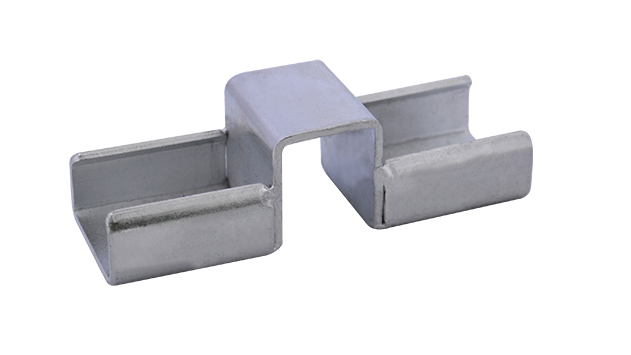
Roller Track Placon Mount Bracket
Roller track placon mount work as a connector for roller track and pipe or aluminum profile in rack syetem, it is a necessary parts in rack system which widely used in industrial plant and logistic,warehouse storage.
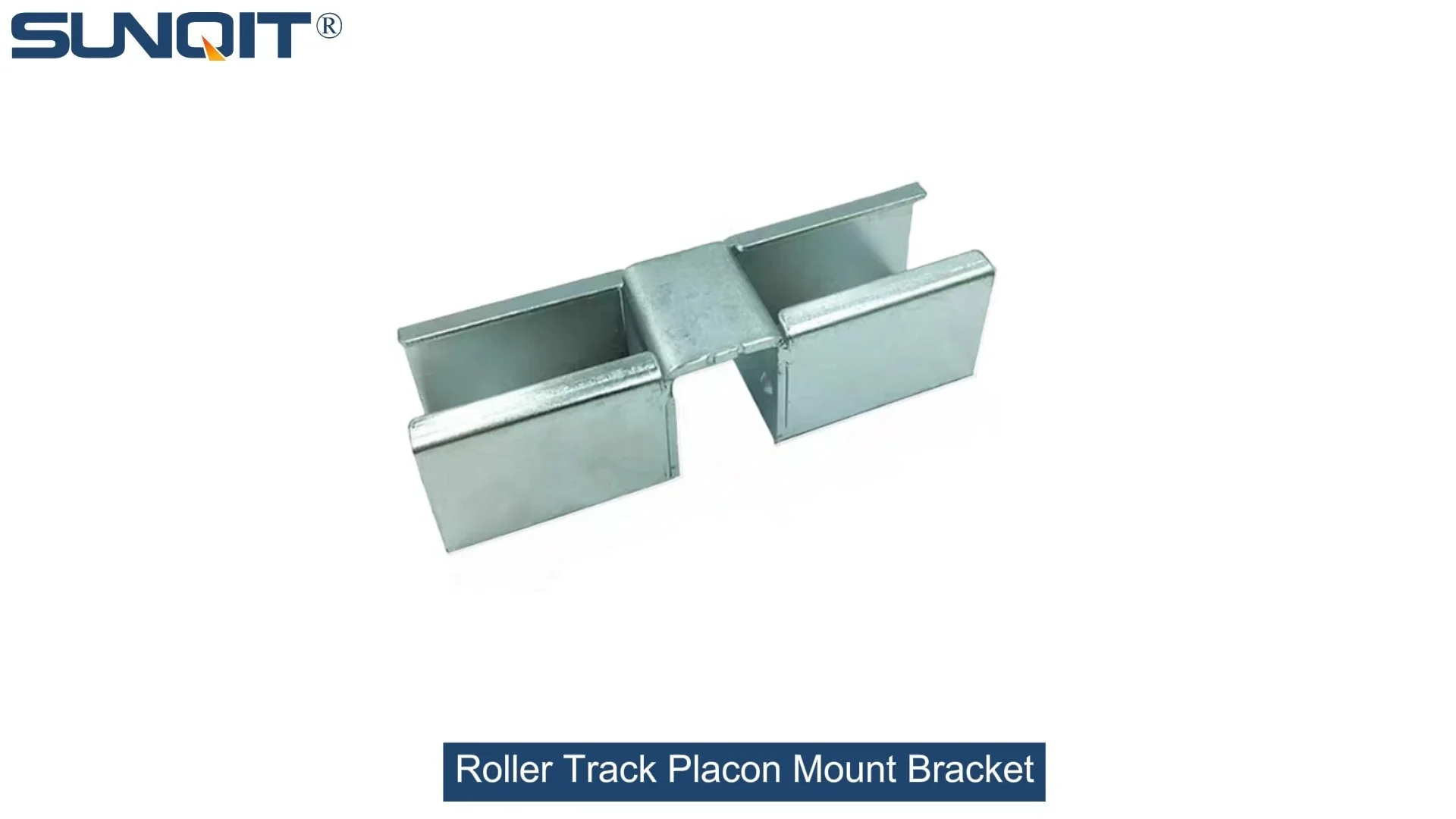
When it comes to keeping your production line running smoothly, even the smallest components play a huge role. Roller track placon mount brackets might not grab headlines, but these unassuming parts are the backbone of efficient material flow in lean manufacturing setups. Whether you're assembling smartphones in a 3C factory or managing medical device logistics, a faulty bracket can bring operations to a grinding halt—slowing down production, increasing waste, and testing the patience of your entire team.
At their core, these brackets connect your roller tracks to aluminum profiles, ensuring materials glide seamlessly from one workstation to the next. But like any hardworking component, they face daily wear and tear: vibrations from conveyor systems, heavy loads of components, and the constant push-pull of lean production schedules. The good news? Most issues are preventable with the right knowledge. Let's dive into the most common problems, why they happen, and how to fix them—so you can get back to what matters: keeping your line moving.
Why Roller Track Placon Mount Brackets Matter in Lean Systems
Think of your lean system as a symphony. Your aluminum pipes are the melody, workbenches the rhythm, and roller track placon mount brackets? They're the silent conductors keeping everything in harmony. These brackets ensure your roller tracks stay aligned, level, and secure—even when carts loaded with circuit boards or medical supplies zip across them. When they fail, the whole orchestra falls apart:
- Efficiency Kills: A wobbly bracket can slow material flow by 30% or more, turning a smooth lean process into a stop-and-go nightmare.
- Waste Creep: Misaligned rollers scratch products, damage packaging, and create rework—undoing the "zero waste" goals of lean manufacturing.
- Safety Risks: Loose brackets increase the chance of jams, which can lead to spills, equipment damage, or even workplace injuries.
The best part? Fixing these issues doesn't require a PhD in engineering. With basic tools, a little patience, and the troubleshooting steps below, your team can resolve most problems in under an hour.
5 Common Problems (and How to Solve Them)
1. Mounting Looseness: The Wobbly Bracket Syndrome
How to Spot It: You'll notice brackets shaking when rollers move, hear rattling noises, or see gaps between the bracket and aluminum profile. Sometimes materials even "jump" off the track as they hit uneven spots.
Why It Happens: Most often, it's simple human error: screws tightened by hand (instead of torque wrenches) that loosen over time. But mismatched parts are another culprit—using a bracket designed for 2020 aluminum profiles with a 4040 rail, for example, creates a loose fit. Vibration from nearby conveyor systems doesn't help either; over weeks, it can shake even properly tightened screws free.
Fix It in 4 Steps:
- Power Down & Inspect: First, stop the line and disconnect power to the conveyor (safety first!). Check all screws connecting the bracket to the aluminum profile and roller track.
- Tighten with Purpose: Use a torque wrench set to the manufacturer's specs (usually 8-10 Nm for aluminum components). Avoid over-tightening—this can strip threads in aluminum profiles!
- Add Anti-Vibration Helpers: Swap plain washers for lock washers or thread-locking fluid (like Loctite) on screws. This prevents future loosening from conveyor vibrations.
- Check for Mismatched Parts: If screws keep loosening, verify the bracket size matches your aluminum profile. A 40 roller track placon mount flat bracket won't grip a 3030 profile properly—opt for a 30-series bracket instead.
Prevent It Next Time: Schedule weekly "torque checks" during routine maintenance. Assign a team member to spot-check 10% of brackets daily—focus on high-vibration areas near conveyor motors.
2. Roller Jamming: When Materials Refuse to Flow
How to Spot It: Materials get stuck halfway down the track, requiring workers to manually push them. You might see scuff marks on products or notice rollers spinning unevenly (some fast, some slow).
Why It Happens: Jams usually stem from two issues: bent brackets or debris buildup. If your bracket is warped (from dropping heavy loads, for example), the roller track tilts, creating a "speed bump" for materials. Debris—like plastic shavings from 3C assembly or dust from warehouse floors—gums up the works too, especially in hard-to-reach gaps between the bracket and roller track.
Fix It in 5 Steps:
- Clear the Track: Remove all materials and use compressed air to blow out debris. A small brush helps dislodge stubborn dirt in bracket crevices.
- Check for Bends: Place a level across the roller track. If it tilts, the bracket is likely bent. Use a rubber mallet to gently tap it straight—aluminum brackets are flexible, but go slow to avoid cracking.
- Align the Guide Rails: If you're using plastic roller track guide rails (yellow or grey), ensure they're flush with the bracket edges. Misaligned rails act like speed bumps—loosen their screws, realign, and retighten.
- Lubricate (Sparingly): A drop of silicone lubricant on roller axles can help, but avoid oil-based lubes—they attract more dust.
- Test with a Sample Load: Run a empty cart or box down the track. If it glides smoothly, you're good to go. If not, repeat steps 2-3.
Prevent It Next Time: Install simple debris guards (clear plastic strips work!) along the track edges. Also, train operators to wipe down brackets during end-of-shift cleanup—two minutes of work saves hours of troubleshooting.
3. Overloading: When Brackets Bend Under Pressure
How to Spot It: Brackets sag in the middle, creating a "U" shape. You might see cracks near the mounting holes or notice the roller track dipping under load—even with lightweight materials.
Why It Happens: Lean systems thrive on efficiency, but that doesn't mean cutting corners on weight limits. Using a standard bracket (like the 40 roller track placon mount flat) to support heavy automotive parts is a recipe for disaster. Even within weight limits, sudden impacts—like dropping a cart onto the track—can bend brackets over time.
Fix It in 3 Steps:
- Unload Immediately: Remove all materials from the track to prevent further damage. Do NOT try to bend a sagging bracket back while it's under load—it could snap.
- replace with Heavy-Duty Brackets: Swap out standard brackets for reinforced models, like the 40 roller track placon mount drop high or 85 steel roller track brackets. These are designed for loads up to 200kg per linear meter.
- Add Support Brackets: For extra peace of mind, install center support brackets (like the roller track placon mount center support bracket) every 60cm along long tracks. This distributes weight evenly and prevents sagging.
Prevent It Next Time: Label tracks with maximum weight limits (e.g., "50kg per cart") and train staff to respect them. For high-load areas (like automotive part lines), invest in aluminum profile accessories like gusset plates to reinforce bracket connections.
4. Corrosion: When Moisture Attacks Aluminum
How to Spot It: Brackets develop white/grey "powder" (aluminum oxide) or reddish spots (if steel components are present). In severe cases, screws seize up, making disassembly nearly impossible.
Why It Happens: Aluminum is corrosion-resistant, but it's not invincible—especially in humid environments like medical device cleanrooms or food packaging lines. Chemicals from cleaning agents, moisture from steam, or even salty air in coastal factories can eat away at brackets over time.
Fix It in 4 Steps:
- Clean Gently: Wipe corrosion with a soft cloth dampened with white vinegar (mild acid dissolves aluminum oxide). Avoid steel wool—it scratches the surface and makes corrosion worse.
- Neutralize Residue: Rinse with water and dry thoroughly. Any remaining moisture will restart corrosion, so use a hairdryer on low heat if needed.
- Apply Protective Coating: Spray brackets with clear acrylic sealant (like Rust-Oleum) to block future moisture. Let dry 24 hours before reusing.
- replace Severely Damaged Parts: If brackets are pitted or screws are seized, swap them out for new ones. Stainless steel swivel roller balls and aluminum components are more corrosion-resistant than plastic alternatives.
Prevent It Next Time: In wet areas, opt for stainless steel or anodized aluminum brackets. For medical or food-grade facilities, use corrosion-resistant caster wheels and plastic roller track guide rails (grey or yellow) to minimize metal exposure.
5. Misalignment: When Tracks Go "Off-Road"
How to Spot It: Materials drift to one side of the track, getting stuck against the edge. Over time, this wears down roller wheels unevenly and damages the aluminum guide rails.
Why It Happens: Misalignment usually starts during installation. If brackets aren't mounted square to the aluminum profile (using a level), the track gradually drifts off course. Thermal expansion (from hot factory environments) or accidental bumps from forklifts can also throw alignment off over time.
Fix It in 5 Steps:
- Loosen Brackets Slightly: Undo screws 1-2 turns so brackets can move, but don't remove them completely.
- Use a Laser Level: Shine a laser along the track's intended path. Adjust each bracket until the roller track aligns with the laser line.
- Tighten in a Cross Pattern: Like changing a car tire, tighten screws in a diagonal pattern (top-left, bottom-right, top-right, bottom-left) to ensure even pressure. This prevents warping the bracket.
- Test with a Straightedge: Place a long aluminum profile (like 2040 or 3030) across the track. It should lie flat with no gaps—if it rocks, readjust the brackets.
- Lock in Place: Apply a small dot of thread-locking fluid to each screw to prevent future movement.
Prevent It Next Time: During installation, use aluminum profile accessories like angle codes (e.g., 2020 switch to aluminum corner codes) to ensure brackets stay square. For high-traffic areas, install bumpers on nearby equipment to prevent accidental collisions.
Quick Reference Troubleshooting Table
| Problem | Symptoms | Common Cause | Quick Fix |
|---|---|---|---|
| Mounting Looseness | Wobbling, rattling, gaps | Under-tightened screws, mismatched parts | Retighten with torque wrench + lock washers |
| Roller Jamming | Stuck materials, uneven roller spin | Bent brackets, debris buildup | Clean track, straighten brackets with mallet |
| Overloading Sag | U-shaped brackets, cracks | Using standard brackets for heavy loads | replace with drop-high/steel brackets + center supports |
| Corrosion | White/grey powder, seized screws | Moisture, chemical exposure | Clean with vinegar, apply acrylic sealant |
| Misalignment | Materials drifting, uneven wear | Poor installation, thermal expansion | Realign with laser level, tighten in cross pattern |

Long-Term Success: Building a Maintenance Culture
Fixing problems is one thing—preventing them is where true lean efficiency shines. Here's how to build a maintenance routine that keeps your roller track placon mount brackets (and entire lean system) in top shape:
- Daily Checks: Have operators do a 2-minute visual inspection at start/end of shifts. Look for wobbles, jams, or debris.
- Weekly Deep Dives: Use a torque wrench to check screw tightness, a level for alignment, and compressed air to clean tracks.
- Monthly Training: Teach your team to spot early warning signs (e.g., "If the track makes a new noise, stop and check!"). Empower them to pause the line for minor fixes before they become major issues.
- Partner with Pros: For custom setups (like medical device lines with strict ESD requirements), work with a lean solution supplier who can audit your system and recommend upgrades—like ESD workbenches paired with anti-static roller tracks.
Remember: Lean manufacturing isn't just about tools and brackets—it's about continuous improvement. Every time you fix a bracket, ask: "Why did this happen? How can we stop it next time?" Maybe it's adding a guard, upgrading a part, or tweaking training. Small changes today mean fewer headaches tomorrow.

Final Thoughts: Your Brackets, Your Line, Your Success
Roller track placon mount brackets might be small, but they're the unsung heroes of your lean system. By mastering these troubleshooting steps, you're not just fixing parts—you're building a more resilient, efficient, and productive operation. Whether you're running a 3C assembly line or a medical supply warehouse, the goal is the same: keep materials moving, waste low, and your team confident.
And if you ever hit a snag? Remember: The best lean systems are built on partnerships. From high-quality aluminum pipe to durable roller track accessories, working with a reliable supplier ensures you have the right parts to prevent problems in the first place. After all, the easiest fix is the one you never have to make.
Now go out there and keep that line rolling!