- Company Articles
- FAQ
- FAQ
- Common Problems with Roller Track Placon Mount Center Support Bracket & Troubleshooting

Common Problems with Roller Track Placon Mount Center Support Bracket & Troubleshooting
Related Product
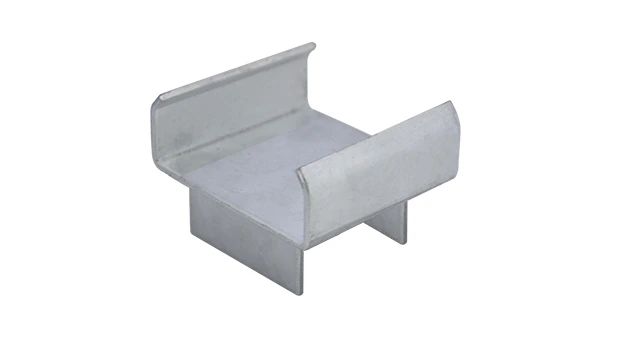
Roller Track Placon Mount Center Support Bracket
Roller track placon mount work as a connector for roller track and pipe or aluminum profile in rack syetem, it is a necessary parts in rack system which widely used in industrial plant and logistic,warehouse storage.
In the fast-paced world of manufacturing and warehousing, every second counts. Whether it's a 3C assembly line churning out smartphones or a logistics hub moving packages, the smooth flow of materials is the heartbeat of operational efficiency. At the center of this rhythm lies the
roller track system
—a critical component in
flow racks
, conveyors, and lean production setups. And if the roller track is the veins, then the
placon mount center support bracket
is the backbone that keeps everything aligned and stable. But even the sturdiest backbones can develop kinks. Let's dive into the most common headaches users face with these brackets, why they happen, and how to fix them—so your production line never skips a beat.
Why the Center Support Bracket Matters
Before we jump into problems, let's talk about why this small part deserves big attention. The roller track placon mount center support bracket does exactly what its name suggests: it supports the middle section of the roller track, preventing sagging under load, reducing vibration during material transfer, and ensuring the track stays level across its entire length. Imagine a conveyor belt or flow rack without proper support—materials would get stuck, workers would waste time unjamming, and your lean manufacturing goals (remember that "sustainable improvement"?) would take a hit. In industries like automotive parts manufacturing or medical device assembly, where precision is non-negotiable, a wobbly bracket isn't just an annoyance—it's a risk to quality and safety.
5 Common Problems & How to Fix Them
Let's get practical. Below are the issues we hear about most often from warehouse managers, maintenance techs, and production supervisors. For each, we'll break down the "why" and walk through step-by-step solutions you can implement today.
1. Installation Tilting or Uneven Track Alignment
Picture this: You've just installed a new flow rack with roller tracks, but when you test it with a carton of components, the box veers to one side or gets stuck halfway. Chances are, your center support bracket isn't sitting level. This is hands down the most frequent complaint, and it's usually a setup issue.
Real-World Example:
A electronics manufacturer in Shenzhen recently reached out because their 3C product flow rack kept jamming. Their team had mounted the brackets but skipped using a level tool—assuming "eyeballing it" was good enough. The result? A 2° tilt caused circuit board trays to slide unevenly, leading to 15-minute delays per shift.
Root Causes:
- Floor unevenness (common in older warehouses or after heavy equipment use)
- Loose mounting screws or insufficient torque during installation
- Poor spacing between support brackets (too far apart, causing mid-track sag)
Troubleshooting Steps:
| Step | Action | Pro Tip |
|---|---|---|
| 1 | Use a spirit level to check the track's horizontal alignment. Place it along the top edge of the roller track at the bracket's location. | For long tracks, check alignment at 3 points: both ends and the center (where the bracket sits). |
| 2 | If tilted, loosen the bracket's mounting screws (attached to the aluminum profile frame) and adjust the height using shims or adjustable feet. | Shims made of stainless steel work best for durability—avoid plastic, which can compress over time. |
| 3 | Retighten screws with a torque wrench to the manufacturer's specs (usually 8-10 N·m for M8 bolts). | Over-tightening can strip threads in aluminum profiles—stick to the recommended torque! |
| 4 | For sagging tracks, add extra support brackets. As a rule, brackets should be spaced no more than 60cm apart for heavy loads (e.g., metal parts) or 80cm for lighter items (e.g., plastic components). | Check your roller track's load capacity chart—this info is usually provided by your lean pipe supplier . |
2. Wheel Jamming or Stiff Material Movement
Nothing kills productivity like a roller that refuses to roll. If materials are slow to move, get stuck, or make a grinding noise as they pass over the track, the culprit might be the center support bracket—even if it looks visually fine.
Root Causes:
- Rust or debris buildup in the bracket-track connection point
- Misalignment between the bracket and the roller track's inner channel
- Worn or damaged roller wheels (often caused by bracket instability over time)
Troubleshooting Steps:
| Issue | Solution | Tools Needed |
|---|---|---|
| Debris or rust | 1. Remove the track from the bracket. 2. Use a wire brush to clean the bracket's mounting surface and the track's bottom channel. 3. Apply a thin layer of silicone lubricant (avoid oil-based lubes—they attract dust). | Wire brush, silicone spray, screwdriver |
| Misalignment | Check if the bracket's "placon mount" (the part that grips the track) is centered. If off, loosen the bracket, slide the track until it's flush with the bracket's edges, then retighten. | Straightedge, hex key |
| Damaged wheels | While you have the track off, inspect wheels for cracks or flat spots. replace any faulty wheels, then ensure the bracket is secured to prevent future stress on the track. | Replacement wheels, pliers |
3. Bracket Bending or Breaking Under Load
This is the scariest problem: you load a heavy pallet onto the flow rack, hear a creak, and suddenly the middle of the track dips—because the center support bracket has bent. Not only does this stop production, but it could also damage materials or injure someone nearby.
Key Note:
Bending is almost always a sign of
overloading
or using the wrong bracket type. If you're using a standard steel bracket for loads over 50kg per linear meter, switch to a heavy-duty aluminum profile bracket. Aluminum's strength-to-weight ratio makes it ideal for high-load scenarios—plus, it resists corrosion better than plain steel.
Root Causes:
- Exceeding the bracket's weight capacity (check the manufacturer's specs!)
- Using low-quality materials (e.g., thin-gauge steel instead of reinforced aluminum)
- Long-term fatigue from repeated heavy impacts (common in automotive parts handling)
Troubleshooting Steps:
- Assess the damage: If the bracket is slightly bent (less than 5°), you may be able to straighten it with a vice and rubber mallet. For severe bends or cracks, replace it immediately —don't risk reusing it.
- Upgrade the bracket: Switch to a heavy-duty model. Look for brackets made from 6063-T5 aluminum alloy (a common grade in industrial profiles) or stainless steel if corrosion is a concern.
- Redistribute the load: If possible, split heavy items across multiple tracks or add extra support brackets to reduce strain on individual units.
4. Loose Connections to Aluminum Profiles
Ever notice the bracket wiggling when you push a cart along the track? Over time, the screws holding the bracket to the aluminum profile frame can loosen—especially in high-vibration environments like near conveyor belts or stamping machines. This not only causes noise but also accelerates wear on both the bracket and the track.
Root Causes:
- Vibration from nearby machinery shaking screws loose
- Using standard screws instead of lock washers or thread-locking adhesive
- Worn threads in the aluminum profile (from over-tightening or repeated removal)
Troubleshooting Steps:
| Scenario | Fix | Long-Term Prevention |
|---|---|---|
| Screws are loose but threads are intact | Remove the screw, apply a drop of thread-locking fluid (like Loctite Blue), and retighten to spec. | Add a split lock washer under the screw head for extra grip. |
| Threads in the aluminum profile are stripped | Drill out the old hole, tap a new thread (one size larger), and use a bigger screw. Alternatively, insert a helicoil thread repair kit. | Use aluminum profile accessories like t-nuts or channel nuts, which distribute force better than direct threading. |
| Persistent loosening due to vibration | Switch to flange-head screws with nylon washers—they grip tighter and dampen vibration. | Install vibration-dampening pads between the bracket and the profile frame. |
5. Corrosion or Rust (Especially in Humid Environments)
In coastal warehouses or facilities with high humidity (like food processing or pharmaceutical storage), metal brackets can start rusting within months. Rust weakens the bracket, makes disassembly harder, and can even stain products (a big no-no in medical device manufacturing).
Root Causes:
- Exposure to moisture, salt air, or chemical cleaners
- Using uncoated steel brackets instead of galvanized or aluminum options
- Poor ventilation leading to condensation on the bracket surface
Troubleshooting Steps:
- Clean off existing rust: Use a rust remover gel (follow safety instructions!) and a scouring pad. Rinse thoroughly and dry completely.
- Apply a protective coating: For steel brackets, spray on a rust-inhibiting paint or clear sealant. For aluminum, anodizing or powder coating adds extra protection.
- Upgrade to corrosion-resistant materials: If rust is a recurring issue, switch to stainless steel brackets or aluminum profile brackets. Aluminum naturally forms a protective oxide layer, so it's almost maintenance-free in humid conditions.

Preventive Maintenance: Keep Brackets (and Your Sanity) in Shape
They say an ounce of prevention is worth a pound of cure—and that's especially true for roller track brackets. Here's a quick checklist to keep problems at bay:
- Weekly: Do a visual inspection—look for loose screws, rust spots, or bent brackets. Tighten any loose hardware.
- Monthly: Clean tracks and brackets with a dry cloth; lubricate roller axles with silicone spray. Check alignment with a level.
- Quarterly: Test load capacity by running your heaviest typical material across the track. If it sags, add support brackets.
- Annually: replace any brackets showing signs of wear (even minor bends or cracks). Consider upgrading to heavy-duty or corrosion-resistant models if your needs have changed.

When to Call in the Pros
While most issues are DIY-friendly, some red flags mean it's time to consult your
lean pipe supplier
or a professional installer:
- Multiple brackets bending or breaking (this could mean your entire system is under-spec for your load)
- Aluminum profiles showing signs of warping (the frame itself might need reinforcement)
- Consistent alignment problems despite repeated adjustments (your floor might need leveling)
Final Thoughts: Bracket Care = Production Care
At the end of the day, the roller track placon mount center support bracket might seem like a small part—but small parts keep big systems running. By addressing these common problems proactively, you're not just fixing a bracket; you're protecting your lean manufacturing goals, your team's productivity, and your bottom line. Whether you're managing a 3C assembly line or a massive logistics hub, remember: smooth materials flow starts with stable support. And stable support? That's all in the bracket.
So grab your level, tighten those screws, and give your brackets a little love—your production line will thank you.