- Company Articles
- FAQ
- FAQ
- Common Problems with T-Slot Rubber Seal Covers and Troubleshooting Tips

Common Problems with T-Slot Rubber Seal Covers and Troubleshooting Tips
Related Product
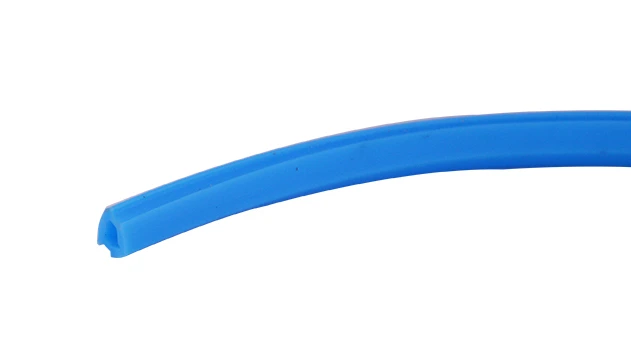
T-slot Rubber Seal Cover
The rubber T-slot seal cover prevents dust and debris buildup, covers wires in the T-slot channel, and adds an extra layer of protection to applications. It rolls into the T-slot, making it easy to assemble.
If you've ever walked through a busy workshop or manufacturing floor, you've probably seen rows of aluminum extrusion profiles holding up workbenches, material racks, or conveyor systems. These sleek, modular structures are the backbone of efficient workflows, thanks in large part to their T-slots—those handy grooves that let you attach everything from brackets to tools. But have you ever stopped to notice the small rubber strips lining those T-slots? Those are t-slot rubber seal covers, and while they might seem, they play a huge role in keeping your aluminum profile systems running smoothly. In this article, we'll dive into the common issues that plague these unsung heroes, why they happen, and how to fix them—because even the smallest aluminum profile accessories deserve attention.
The Role of T-Slot Rubber Seal Covers in Aluminum Profile Systems
Before we jump into problems, let's take a moment to appreciate what t-slot rubber seal covers actually do. Think of them as the protective guardians of your aluminum extrusion profiles. First and foremost, they keep dust, debris, and moisture out of the T-slots. Without them, tiny particles can build up over time, gumming up the works when you try to slide in a new bracket or adjust an accessory. Anyone who's struggled to fit a connector into a dusty T-slot knows how frustrating that can be.
Safety is another big reason these covers matter. The edges of T-slots, while functional, can be surprisingly sharp—especially on newly cut aluminum extrusion profiles. A well-fitted rubber seal cover softens those edges, turning a potential hazard into a smooth, safe surface. This is a big deal in high-traffic areas where workers might brush against the profiles or lean on them during tasks.
Then there's aesthetics. Let's be honest: bare T-slots look unfinished. A neat row of t-slot rubber seal covers gives your aluminum workbench or material rack a polished, professional look—important not just for pride in your workspace, but also for making a good impression on clients or visitors. Plus, they reduce noise: metal accessories sliding in bare T-slots can create a (cì'ěr—sharp, grating) sound, but the rubber dampens that, making the workshop a quieter place.
Finally, these covers help maintain the functionality of your aluminum profile accessories. Many sliding or moving parts, like the rollers on a flow rack or the sliders on a height-adjustable workbench, rely on clean, smooth T-slots to operate. A damaged or missing seal cover can lead to uneven wear on these parts, shortening their lifespan and costing you money in replacements.
Common Problems with T-Slot Rubber Seal Covers
1. Poor Fit or Loosening Over Time
One of the most frequent complaints we hear from workshop managers and DIY enthusiasts alike is that their t-slot rubber seal covers just won't stay put. You install them, they look great for a week, and then suddenly, sections start peeling away or sliding out of the T-slot. Sound familiar? Let's break down why this happens.
First up: incorrect sizing. Aluminum extrusion profiles come in all shapes and sizes—2020, 3030, 4040, 4080, and so on—and each has T-slots with specific dimensions. If you grab a seal cover designed for a 3030 profile and try to jam it into a 4040, it's either going to be too loose (and slide out) or too tight (and stretch, leading to premature wear). Even within the same profile size, slight variations in T-slot width can occur between manufacturers, so assuming "one size fits all" is a recipe for frustration.
Debris in the T-slot is another hidden culprit. Even a thin layer of dust or a tiny metal shard from cutting can prevent the seal cover from seating properly. Imagine trying to press a rubber strip into a slot that's already half-full of gunk—it might look okay at first, but over time, that debris acts like a wedge, gradually pushing the cover out of place. Temperature swings don't help either. Rubber is elastic, but extreme heat (like near a welding station) can make it expand, while cold (in unheated workshops) can make it contract. Both can loosen the fit, especially if the cover was only barely snug to begin with.
2. Cracking or Brittleness
If you've ever gone to adjust a t-slot rubber seal cover and had it snap in your hand, you've experienced cracking or brittleness. It's a common issue, especially in setups that have been around for a few years, and it's usually a sign that the rubber is past its prime.
UV exposure is a major villain here. If your aluminum extrusion profiles are near windows, skylights, or even in an outdoor (péngwū—shed), constant sunlight breaks down the rubber's polymers over time. The result? Dry, stiff material that loses its flexibility and starts to crack. We once visited a solar panel workshop where the seal covers on their outdoor material racks looked like they'd been through a desert—completely dried out and covered in tiny cracks. No surprise, they were replacing them every few months.
Chemicals are another enemy. Workshops that use solvents, oils, or industrial cleaning agents often accidentally splash these onto the seal covers. Standard rubber doesn't hold up well to harsh chemicals; over time, they can dissolve the material or make it brittle. Even something as common as brake cleaner, if sprayed nearby, can eat away at the rubber. Age plays a role too—even high-quality rubber has a lifespan. After 3-5 years of regular use, especially with temperature fluctuations, it's normal for elasticity to fade.
3. Dislodgment During Use
Picture this: You're in the middle of a busy production run, and you glance over at your conveyor system. The t-slot rubber seal cover on the side profile has come loose, flapping slightly as the conveyor moves. Not only is it distracting, but if it fully dislodges, it could get caught in the rollers—a disaster waiting to happen.
Vibration is the main culprit here. Equipment like conveyor belts, pneumatic tools, or heavy machinery sends constant shakes through nearby aluminum extrusion profiles. Over time, that vibration works the seal cover loose, bit by bit. We saw this firsthand in an automotive parts plant where the seal covers on the workbenches near the stamping machines were always coming off. The constant rumble was literally shaking them out of the T-slots.
Improper installation is another factor. Maybe you pressed the cover in, but didn't seat it all the way—leaving a tiny edge sticking out. Then, when someone brushes against it or a tool catches, that edge pulls the whole section loose. Using the wrong type of seal cover for dynamic environments is a mistake too. Some covers are designed for static setups (like a fixed workbench), while others have extra grip (think ribbed inner surfaces) for areas with movement. Using a static cover on a vibrating profile is asking for trouble.
4. Color Fading or Staining
While not a functional issue, color fading or staining can be a real annoyance—especially if you take pride in a clean, uniform workspace. A once-bright blue seal cover turning a dull gray, or unsightly oil stains that won't come off, can make even the nicest aluminum workbench look unkempt.
Sunlight strikes again here, but this time it's targeting the color pigments in the rubber. UV rays break down those pigments, leading to fading. We've seen this in retail showrooms where aluminum profile displays are under spotlights—within a year, the seal covers look washed out compared to newer ones. Chemical stains are another problem. Oil from machinery, grease from tools, or even marker pen smudges can seep into the rubber, leaving permanent discoloration. Harsh cleaning products don't help either; using bleach or abrasive scrubs to clean the profiles can strip the color right off the seal covers.
5. Difficulty in Installation
There's nothing more frustrating than unboxing a new set of t-slot rubber seal covers, eager to upgrade your workspace, and then struggling to get them into the T-slots. Maybe they're too stiff to push in, or they tear halfway through installation. If this sounds familiar, you're not alone.
Misalignment is a common issue. If you start installing the cover at an angle, it can bunch up or get stuck, making it impossible to feed through the slot smoothly. We've watched people force a misaligned cover, only to have it tear or warp. Using the wrong tools is another mistake. Some folks try to pry the cover into place with a flathead screwdriver, which almost always damages the rubber. Temperature can also make installation tricky: cold rubber is stiff and hard to bend, while hot rubber (left in a sunny truck bed, for example) can stretch and distort, making it hard to get a tight fit.

Troubleshooting Common T-Slot Rubber Seal Cover Issues
Now that we've covered the problems, let's talk solutions. Most issues with t-slot rubber seal covers are fixable with a little know-how, and many can be prevented with proactive care. Let's go through each problem one by one.
Troubleshooting Poor Fit or Loosening
Start by verifying the size. Grab a caliper (or even a ruler, if that's all you have) and measure the width and depth of your T-slot. Then check the seal cover's packaging—most manufacturers list compatible aluminum extrusion profile sizes (e.g., "fits 4040 and 4080 profiles"). If the cover is too small, it's time to swap it out for the right size. If you're unsure, ask the supplier for a sample—many aluminum profile accessories suppliers will send a small piece so you can test the fit before buying in bulk.
Next, clean the T-slot thoroughly. Use a soft-bristled brush to sweep out dust and debris, then blast it with compressed air (wear safety glasses!) to get rid of any remaining particles. For greasy or oily slots, wipe them down with a lint-free cloth dampened with isopropyl alcohol—this removes residue that might prevent the cover from sticking. If you notice burrs or rough edges in the slot (common on newly cut profiles), gently file them down with a fine-grit sandpaper. Sharp edges can catch on the rubber, causing it to tear or loosen over time.
If the fit is still loose after cleaning, a little adhesive can help—just be careful. Use a silicone-based glue (it's flexible and rubber-friendly) and apply a tiny bead along the inside of the T-slot, about every 6 inches. Press the cover into place immediately, wiping away any excess glue with a cloth. Avoid super glue or epoxy—they're too rigid and can crack the rubber when it expands or contracts.
Troubleshooting Cracking or Brittleness
Minor cracks might be fixable with a rubber conditioner. Products like 303 Aerospace Protectant or silicone spray can rehydrate the material, restoring some flexibility. Spray a small amount onto a cloth, then rub it into the seal cover—don't soak it, as excess can attract dust. Let it sit for 15-20 minutes, then wipe off any residue. This won't work miracles, but it can extend the life of a cover that's just starting to show signs of aging.
For widespread cracking or severe brittleness, replacement is the only real solution. When shopping for new covers, look for ones labeled "UV-resistant" or "weatherproof" if they'll be exposed to sunlight. For workshops with chemical exposure, opt for nitrile rubber covers—they're more resistant to oils, solvents, and greases than standard rubber. We once helped a mechanic shop switch to nitrile covers, and they went from replacing them every 6 months to every 3 years—well worth the slightly higher cost.
Storage matters too. If you keep spare seal covers on hand, store them in a cool, dark place—avoid leaving them in direct sunlight or near heat sources. A sealed plastic bin works great; it keeps dust out and protects against UV rays. We've seen workshops leave spares on a shelf near a window, only to find they're brittle by the time they need them—wasting money and causing delays.
Troubleshooting Dislodgment During Use
If vibration is the issue, start by securing the cover more tightly during installation. Press it into the T-slot with firm, even pressure, working from one end to the other. You should hear a slight "click" as it locks into place. For extra hold, use rubberized clips (available from aluminum profile accessories suppliers) that clamp over the cover and the profile, holding it in place. These are especially useful on conveyor systems or near heavy machinery—we installed them in that automotive parts plant, and the dislodgment problem vanished.
If the cover keeps catching on tools or materials, check the edges. If any part is sticking out, trim it with a sharp utility knife (be careful not to cut into the profile!). Rounding the corners of the cover slightly can also help prevent snags. For dynamic setups, switch to a seal cover with a ribbed or textured inner surface—these grip the T-slot walls better than smooth covers, even with vibration.
Troubleshooting Color Fading or Staining
Preventing fading starts with choosing the right cover. If your profiles are in a sunny area, go for UV-resistant options—they're usually labeled as such, and some even come with a warranty against fading. Applying a UV protectant spray every 3-6 months can help too; just make sure it's compatible with rubber (test a small area first). For staining, act fast: blot fresh oil or grease stains with a paper towel to absorb as much as possible, then clean with mild soap and warm water. For stubborn stains, try a little rubbing alcohol on a cotton swab—dab gently, don't rub, to avoid spreading the stain. Avoid bleach, acetone, or abrasive cleaners at all costs—they'll damage the rubber and make the problem worse.
Troubleshooting Installation Difficulties
Warming up stiff rubber makes installation a breeze. If the covers are cold, lay them in a warm room for 30 minutes or run them under warm (not hot!) water for a minute—this softens the material, making it more pliable. For misalignment issues, use a guide: start at one end of the T-slot, pressing the cover firmly into the corner with your thumb, then slowly walk your fingers down the length, applying even pressure. If you need extra leverage, use a rubber mallet and a soft block of wood—tap gently to seat the cover without damaging it. Avoid metal tools, as they can tear the rubber.

Preventive Maintenance for Long-Lasting T-Slot Rubber Seal Covers
Proactive Steps to Keep Your Covers in Shape
Like any part of your workshop, t-slot rubber seal covers last longer with regular care. Here's a quick maintenance routine to follow:
- Monthly Inspections: Walk around your aluminum extrusion profiles and check for loose, cracked, or dislodged covers. Fix small issues before they become big problems.
- Quarterly Cleaning: Wipe down the covers with mild soap and water to remove dust and grime. For stubborn spots, use a soft brush (an old toothbrush works great for crevices).
- Semi-Annual Protectant: Apply a rubber conditioner or UV protectant to keep the material flexible and resistant to fading. This is especially important for covers in sunny or harsh environments.
- replace Proactively: If a cover is showing signs of severe wear (cracking, brittleness, or permanent staining), replace it before it fails. Waiting until it falls off can lead to damage to the T-slot or accessories.
Summary Table: Common Problems, Causes, and Solutions
| Problem | Common Causes | Troubleshooting Steps |
|---|---|---|
| Poor Fit/Loosening | Incorrect size, debris in T-slot, temperature swings | 1. Verify cover size matches profile. 2. Clean T-slot thoroughly. 3. File down burrs. 4. Use silicone adhesive for extra grip. |
| Cracking/Brittleness | UV exposure, chemical damage, age, temperature extremes | 1. Apply rubber conditioner for minor cracks. 2. replace with UV-resistant/nitrile covers for severe cases. 3. Store spares in cool, dark place. |
| Dislodgment During Use | Vibration, improper installation, static covers in dynamic areas | 1. Press cover firmly into T-slot during installation. 2. Use rubberized clips for vibration. 3. Switch to ribbed covers for dynamic setups. |
| Color Fading/Staining | UV rays, chemical spills, harsh cleaners | 1. Choose UV-resistant covers. 2. Blot stains immediately; clean with mild soap. 3. Apply UV protectant regularly. |
| Difficulty Installing | Misalignment, cold/stiff rubber, wrong tools | 1. Warm rubber to soften. 2. Use thumb pressure to align and seat. 3. Tap gently with rubber mallet if needed. |
Conclusion: Small Covers, Big Impact
T-slot rubber seal covers might be small, but their impact on your aluminum extrusion profile system is huge. From keeping T-slots clean to protecting workers and maintaining a professional look, they're an essential part of any well-run workshop. By understanding common problems like poor fit, cracking, and dislodgment—and knowing how to troubleshoot them—you can keep these little accessories doing their job for years to come.
Remember, the key is to be proactive: inspect regularly, clean gently, and replace when needed. And when shopping for new covers, don't skimp on quality. A few extra dollars for UV-resistant or nitrile rubber can save you time, money, and frustration down the line. After all, in the world of aluminum profile accessories, it's the small details that make the biggest difference.