- Company Articles
- FAQ
- FAQ
- Common Problems with Two Way Lean Pipe Joint Chrome & Troubleshooting

Common Problems with Two Way Lean Pipe Joint Chrome & Troubleshooting
Related Product
Two Way Lean Pipe Joint Chrome
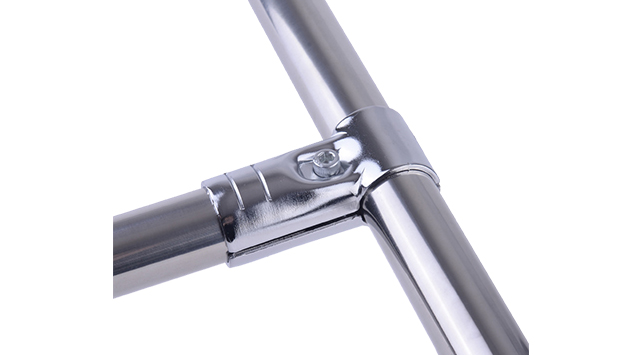
Two way lean pipe joint for 2 pcs 28MM lean pipe connection in straight angle, which used widely in workbench, flow rack, hand trolley frame connection.
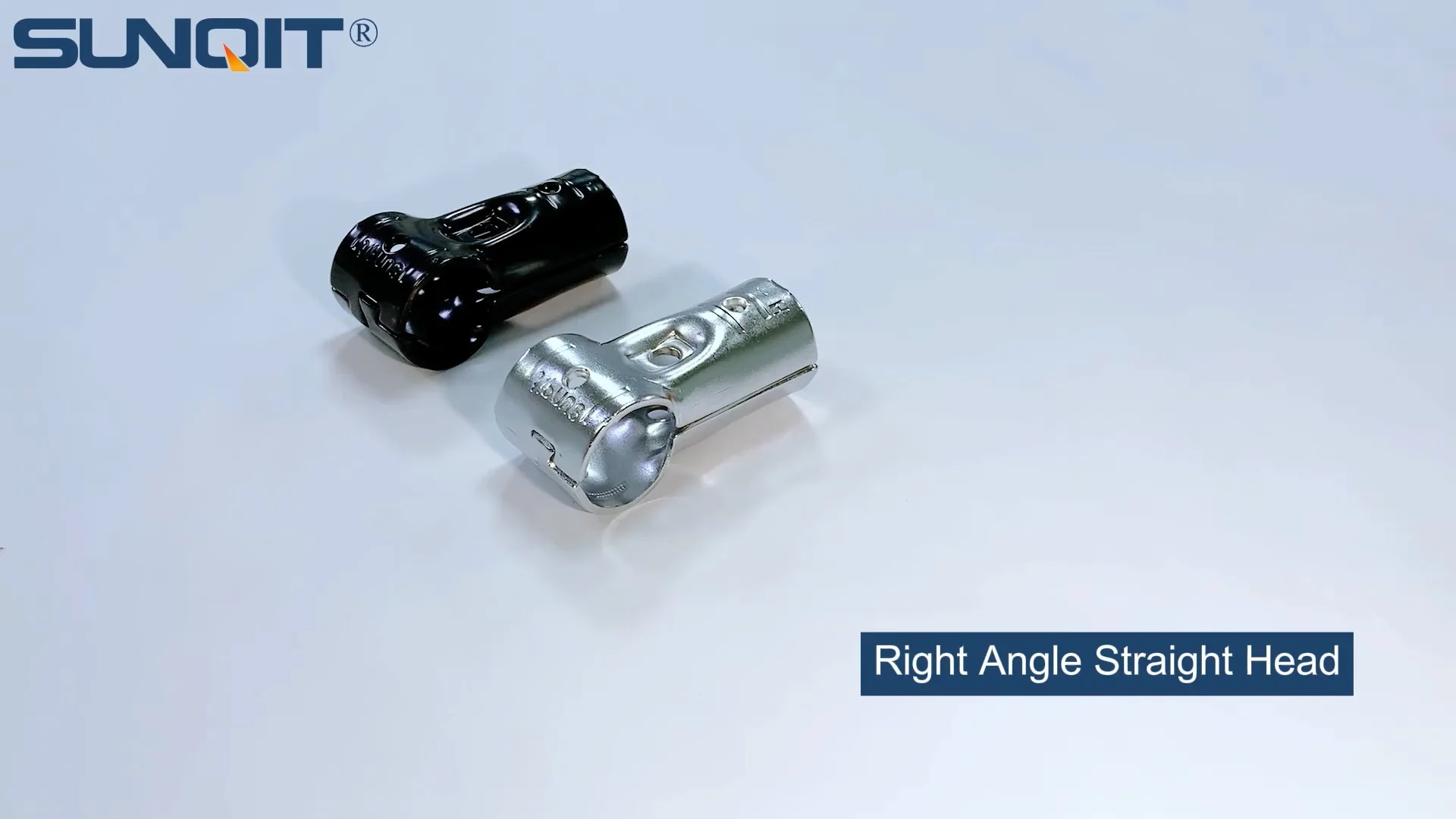
In the world of lean manufacturing, where efficiency, flexibility, and durability are the cornerstones of success, every component plays a critical role. From the workbenches where assembly line workers piece together products to the flow racks that keep materials moving smoothly, the integrity of these structures relies heavily on the quality of their building blocks. Among these essential components, the two way lean pipe joint chrome stands out as a yet vital accessory. As part of the broader family of lean pipe and accessories , this small but mighty joint is the unsung hero that holds together lean systems, ensuring stability, adaptability, and longevity.
Chrome-plated two way lean pipe joints are designed to connect two lean pipes at specific angles (often 90 or 180 degrees), forming the backbone of structures like production workbenches, turnover trolleys, and material racks. The chrome coating is chosen for its corrosion resistance, sleek finish, and ability to withstand the wear and tear of daily industrial use. However, even the most well-designed components can encounter issues over time—especially when subjected to the rigors of manufacturing environments, improper installation, or subpar material quality. In this article, we'll dive into the most common problems faced with two way lean pipe joint chrome, explore their root causes, and provide actionable troubleshooting steps to keep your lean system running smoothly.
Understanding the Role of Two Way Lean Pipe Joint Chrome in Lean Systems
Before we tackle the problems, let's first ground ourselves in why these joints matter. A lean system thrives on minimizing waste, maximizing workflow efficiency, and adapting quickly to changing production needs. Lean pipe joints, including the two way chrome variety, are the "glue" that makes this adaptability possible. Unlike fixed, welded structures, lean systems use modular joints and pipes that can be disassembled, reconfigured, and repurposed as production demands shift. This flexibility reduces downtime, cuts costs, and allows teams to iterate on layouts without major overhauls.
Two way lean pipe joint chrome is particularly valued for its versatility. It's used in everything from simple two-pipe connections (e.g., the legs of a workbench) to more complex frameworks where stability is non-negotiable. The chrome plating adds a layer of protection against moisture, grease, and minor chemical exposure—common in factory settings—while also making the joints easier to clean and maintain. When these joints fail, the consequences ripple through the entire system: wobbly workbenches compromise worker safety, misaligned flow racks slow down material handling, and loose connections can even lead to costly equipment damage or product defects.
Common Problems with Two Way Lean Pipe Joint Chrome
1. Loosening Over Time: The Silent Threat to Stability
One of the most frequent complaints from maintenance teams is that two way lean pipe joint chrome loosens over time, leading to wobbly or unstable structures. This isn't just a minor annoyance; loose joints can compromise the entire integrity of a lean system, putting workers at risk and disrupting operations. Let's break down why this happens and how to spot it early.
Causes of Loosening:
- Vibration Fatigue: Manufacturing floors are rarely quiet. Machinery, conveyor belts, and even foot traffic generate constant vibrations. Over weeks and months, these vibrations can gradually loosen the threads in the joint, especially if the initial installation didn't account for torque specifications.
- Improper Installation Torque: Tightening the joint "by feel" (instead of using a torque wrench) is a common mistake. Under-tightening leaves room for movement, while over-tightening can strip threads or damage the chrome plating, creating weak points that fail faster.
- Material Fatigue: Lean pipe joints are often made from steel with a chrome coating. Repeated stress from heavy loads or frequent reconfiguration can cause the metal to fatigue, weakening the grip between the joint and the pipe.
Symptoms to Watch For:
- Gaps between the joint and the pipe, visible when inspecting the connection from the side.
- Wobbling or shaking when pressure is applied to the structure (e.g., pushing a trolley or leaning on a workbench).
- Uneven weight distribution, where one corner of a workbench sits lower than the others.
- Unusual noises, like creaking or rattling, when the structure is in use—this often signals metal-on-metal movement due to loose joints.
Troubleshooting Steps:
- Retighten with Precision: Use a torque wrench set to the manufacturer's recommended torque (typically 10–15 Nm for standard M10 joints). Avoid over-tightening, as this can strip threads or crack the joint.
- Apply Thread Locker: For joints in high-vibration areas (near motors or conveyor belts), apply a medium-strength thread locker (e.g., Loctite 243) to the threads before reinstalling. This prevents loosening without making future disassembly impossible.
- Inspect for Wear: Check the threads inside the joint for signs of stripping or deformation. If the threads are damaged, the joint will never hold properly—replace it immediately.
- Reinforce with Additional Joints: If a structure is consistently loosening (e.g., a heavy-duty material rack), add extra two way or three way joints to distribute the load more evenly. This reduces stress on individual connections.
2. Corrosion Despite Chrome Coating: When Protection Fails
Chrome plating is supposed to protect the underlying steel from corrosion, but in some cases, rust spots or flaking chrome can still appear. This is not only unsightly but also a sign that the joint's structural integrity may be compromised. Let's explore why this happens and how to address it.
Causes of Corrosion:
- Scratches or Chips in the Chrome Layer: Even a small nick from a dropped tool or a sharp edge can expose the bare steel underneath. Once moisture or chemicals reach the unprotected metal, rust begins to form, spreading under the chrome and causing it to flake off.
- Harsh Environmental Conditions: Factories with high humidity, frequent water exposure (e.g., food processing or cleaning areas), or chemical spills (oils, solvents) can overwhelm the chrome coating. Chrome resists mild corrosion, but prolonged exposure to aggressive substances will break it down.
- Poor Plating Quality from the Supplier: Not all chrome plating is created equal. A reputable lean pipe supplier will use high-quality plating processes (e.g., triple-layer plating: copper, nickel, then chrome) with a thickness of at least 5 microns. Subpar suppliers may cut corners, resulting in thin or uneven plating that fails prematurely.
Symptoms to Watch For:
- Small, reddish-brown rust spots on the chrome surface, often starting in crevices or around the joint's edges.
- Flaking or peeling chrome, revealing dull gray steel underneath.
- Discoloration, such as a cloudy or blotchy appearance, which may indicate the plating is deteriorating.
- Sticky or gummy residue around the joint, caused by corrosion byproducts mixing with grease or dust.
Troubleshooting Steps:
- Clean Gently to Prevent Further Damage: Use a soft cloth and a mild, non-abrasive cleaner (e.g., soapy water or a chrome-specific polish) to remove surface rust. Avoid steel wool or scouring pads, as these will scratch the remaining chrome.
- Treat Minor Rust Spots: For small rust spots, apply a rust converter (e.g., phosphoric acid-based treatments) to stop the corrosion from spreading. Once dry, touch up the area with a chrome spray paint designed for metal surfaces.
- replace Severely Corroded Joints: If the chrome is flaking extensively or the steel underneath is pitted, replacement is the only safe option. Continuing to use corroded joints risks sudden failure, especially under load.
- Upgrade to a Higher-Quality Supplier: If corrosion is a recurring issue, evaluate your lean pipe supplier . Ask for certificates of plating thickness and material composition to ensure they meet industry standards. A reliable supplier will stand behind their products and offer warranties against premature corrosion.
- Add Environmental Protection: In harsh environments, consider adding protective sleeves or covers to joints, or applying a clear, industrial-grade sealant over the chrome to add an extra barrier against moisture and chemicals.
3. Misalignment During Assembly: When Pipes Refuse to "Click"
Anyone who's built a lean system knows the frustration: you're trying to connect two pipes with a two way lean pipe joint chrome, but they just won't align properly. Either the pipes sit at an awkward angle, there's a gap between the joint and the pipe, or the threads won't catch smoothly. Misalignment during assembly isn't just a time-waster—it can lead to uneven load distribution, stress on the joint, and even structural failure down the line.
Causes of Misalignment:
- Incorrect Joint Orientation: Two way joints are often designed for specific angles (e.g., 90 degrees for corners, 180 degrees for straight lines). If the joint is rotated the wrong way during installation, the pipes will point in unintended directions.
- Damaged Threads or Deformed Joints: Bent or warped joints (from rough handling during shipping or storage) can throw off alignment. Similarly, stripped or cross-threaded internal threads will prevent the pipe from screwing in straight.
- Incompatible Pipe Diameter: Lean pipes come in standard diameters (e.g., 28mm for steel pipes, 30mm for aluminum), and joints are designed to match these sizes. Using a pipe with a diameter that's too large or small for the joint will result in a loose or forced fit, causing misalignment.
- Human Error: Even experienced teams can rush assembly, skipping steps like checking alignment marks or using a level to ensure pipes are straight before tightening the joint.
Symptoms to Watch For:
- Pipes that sit at a slight angle instead of forming a straight line or right angle.
- Gaps between the pipe end and the base of the joint (indicating the pipe didn't fully thread in).
- Difficulty tightening the joint—either it feels "stuck" halfway or won't grip the pipe securely.
- Uneven weight distribution in the finished structure (e.g., a workbench that rocks when pushed).
Troubleshooting Steps:
- Check for Alignment Marks: Many quality two way joints have alignment notches or stamps indicating the intended angle (e.g., "90°" or "180°"). Align these marks with the pipes before tightening to ensure proper orientation.
- Inspect Threads and Joint Shape: Before assembly, examine the joint's internal threads for damage (e.g., burrs, cross-threading) and check that the joint itself isn't bent. If threads are damaged, use a thread tap to clean them up; if the joint is warped, replace it.
- Verify Pipe Diameter Compatibility: Always confirm that the pipe diameter matches the joint's specifications. Most two way lean pipe joint chrome is designed for 28mm pipes, but some suppliers offer variants for smaller or larger sizes. Using the wrong size is a common rookie mistake.
- Use a Level and Straightedge: During assembly, use a spirit level to ensure pipes are vertical or horizontal before fully tightening the joint. For straight-line connections, place a straightedge along the pipes to confirm they're aligned—even a 1-degree misalignment can cause issues over time.
- Lubricate Threads Sparingly: If threads are tight but undamaged, apply a small amount of dry lubricant (e.g., graphite powder) to help the pipe screw in smoothly. Avoid oil-based lubricants, as they can attract dust and cause loosening later.
4. Difficulty in Disassembly: When "Modular" Feels Permanent
A key advantage of lean systems is their modularity—being able to take apart and reconfigure structures as needed. But what happens when a two way lean pipe joint chrome refuses to budge during disassembly? Stripped threads, stuck pipes, and damaged joints are common outcomes, turning a quick reconfiguration into a frustrating, time-consuming task.
Causes of Sticking Joints:
- Thread Seizing (Galvanic Corrosion): When two dissimilar metals (e.g., the steel joint and aluminum pipes) are in contact with moisture, galvanic corrosion can occur, causing the threads to fuse together—a phenomenon known as "seizing."
- Over-Tightening During Installation: As mentioned earlier, over-tightening can stretch or deform threads, making them difficult to reverse. This is especially true if the joint was tightened with pliers or pipe wrenches instead of torque-controlled tools.
- Debris in Threads: Dust, grease, or metal shavings can accumulate in the threads over time, acting like a lock and preventing the joint from unscrewing.
- Thermal Expansion/Contraction: In environments with extreme temperature fluctuations (e.g., outdoor warehouses or facilities with unregulated heating), metal pipes and joints can expand and contract, tightening the connection over time.
Symptoms to Watch For:
- The joint spins but the pipe doesn't move (a sign of stripped internal threads).
- The joint is completely stuck, even when applying reasonable force with a wrench.
- Creaking or grinding noises when attempting to loosen the joint, indicating debris or corrosion in the threads.
Troubleshooting Steps:
- Apply Penetrating Oil: For stuck joints, spray a penetrating oil (e.g., WD-40 Specialist Penetrant) into the thread gap and let it sit for 10–15 minutes. The oil seeps into small spaces, breaking up rust and debris. Tap the joint gently with a rubber mallet to help the oil penetrate deeper.
- Use Proper Tools: Avoid using adjustable wrenches, which can slip and damage the joint. Instead, use a pipe wrench with a soft jaw cover (to protect the chrome) or a socket wrench designed for the joint's nut size. Apply steady, even pressure—jerky movements can strip threads.
- Heat the Joint (Carefully): If seizing is suspected, use a heat gun (set to low) to warm the joint slightly. Metal expands when heated, which can break the bond between seized threads. Be cautious not to overheat, as excessive heat can damage the chrome plating.
- Cut Stuck Pipes as a Last Resort: If all else fails and the joint is beyond saving, use a hacksaw or pipe cutter to remove the pipe just above the joint. This allows you to salvage the rest of the structure while replacing the damaged joint and pipe section.
- Prevent Future Sticking: To make disassembly easier next time, apply a thin layer of anti-seize compound to the threads during reassembly (especially when using dissimilar metals). This creates a barrier against galvanic corrosion and makes future loosening a breeze.
Troubleshooting Summary Table
| Problem | Common Causes | Key Symptoms | Recommended Fixes |
|---|---|---|---|
| Loosening Over Time | Vibration fatigue, improper torque, material fatigue | Wobbly structures, gaps between pipes/joints, creaking noises | Retighten with torque wrench; use thread locker; replace worn joints |
| Corrosion Despite Chrome | Scratches in chrome, harsh environments, poor plating quality | Rust spots, flaking chrome, discoloration | Clean with non-abrasive solutions; treat small rust spots; replace severely corroded joints; choose a reputable lean pipe supplier |
| Misalignment During Assembly | Incorrect orientation, damaged threads, incompatible pipe diameter | Pipes at awkward angles, gaps, difficulty tightening | Align using marks; inspect threads/pipes; verify diameter; use level/straightedge |
| Difficulty in Disassembly | Thread seizing, over-tightening, debris in threads | Stuck joints, stripped threads, grinding noises | Apply penetrating oil; use proper tools; heat gently; use anti-seize during reassembly |

Conclusion: Protecting Your Lean System's Foundation
Two way lean pipe joint chrome may be small in size, but its impact on the performance and safety of your lean system is enormous. From loosening under vibration to corroding in harsh environments, the problems we've covered here are more than just inconveniences—they're warning signs that your system's integrity may be at risk. By understanding the root causes, recognizing the symptoms early, and following the troubleshooting steps outlined above, you can extend the life of your joints, reduce downtime, and keep your lean system operating at peak efficiency.
Remember, prevention is always better than cure. Invest in high-quality joints from a trusted lean pipe supplier , train your team on proper installation and torque techniques, and schedule regular inspections to catch issues before they escalate. A well-maintained lean system isn't just about efficiency—it's about creating a safe, adaptable workspace where your team can thrive. And when it comes to maintaining that system, the humble two way lean pipe joint chrome deserves every bit of attention you can give it.