- Company Articles
- FAQ
- FAQ
- Common Questions About One Side Rotatory Parallel Lean Pipe Joints Answered

Common Questions About One Side Rotatory Parallel Lean Pipe Joints Answered
Related Product
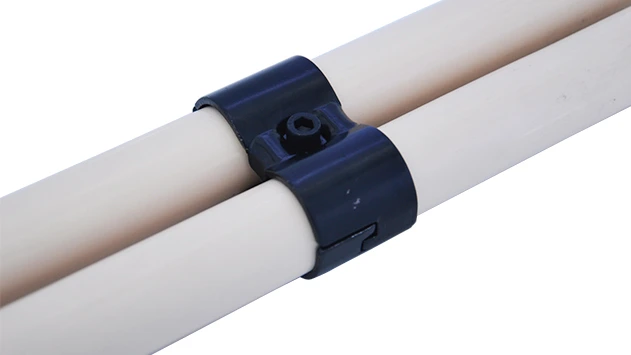
Parallel Lean Pipe Joint
Parallel lean pipe joint used for 2 pcs 28MM lean pipe connection in parallel direction to enhance frame structure, usually for heavy payload requirement for workbench. flow rack, hand trolley.
In the fast-paced world of manufacturing and production, efficiency isn't just a buzzword—it's the backbone of success. Every tool, every component, and every system in your facility plays a role in keeping operations running smoothly, reducing waste, and adapting to evolving needs. When it comes to building flexible, durable workspaces and material handling systems, lean pipe solutions have long been a go-to for businesses aiming to streamline processes. At the heart of these systems lie the unsung heroes: lean pipe joints. Today, we're diving deep into one specific type that's gaining traction for its unique blend of flexibility and stability: the one side rotatory parallel lean pipe joint. Whether you're setting up a new workbench, reconfiguring a production line, or just curious about optimizing your lean system, this guide will answer the questions you're actually asking.
What Exactly Is a One Side Rotatory Parallel Lean Pipe Joint?
Let's start with the basics. A one side rotatory parallel lean pipe joint is a specialized connector designed to link sections of lean pipe (or aluminum lean pipe, for lighter, corrosion-resistant setups) in a way that allows controlled rotation on one side while keeping the other side fixed. Unlike rigid fixed joints that lock pipes at a set angle, or fully rotatory joints that spin freely, this design strikes a balance: it lets you pivot one segment of your structure relative to another along a single axis, all while maintaining parallel alignment between the connected pipes. Think of it as a hinge that keeps two pipes running side by side but lets you swing one up, down, or sideways within a specific range—perfect for creating adjustable work surfaces, tiltable material racks, or dynamic flow paths in your production line.
These joints are part of the broader family of lean pipe accessories, engineered to support the core principles of lean manufacturing: eliminating waste, maximizing flexibility, and empowering teams to adapt quickly. Whether you're working with traditional steel lean pipe or modern aluminum lean pipe, these joints act as the "knees" of your structure—strong enough to bear weight, yet nimble enough to reposition when your needs change.
How Does the Rotatory Mechanism Actually Work?
Curious about the mechanics? Let's break it down. Inside the joint, you'll typically find a central pivot point—often a metal pin or bushing—that allows one side of the joint to rotate. The other side is fixed to the pipe via a clamping mechanism, which might use set screws, bolts, or a friction fit to ensure a tight hold. When you need to adjust the angle, you loosen the locking collar (usually a knurled nut or lever), rotate the pipe to your desired position, then retighten the collar to lock it in place. This "loosen-adjust-lock" process takes seconds, making on-the-fly reconfigurations a breeze—no tools required in some designs, though heavier-duty models may need a hex key for extra security.
The "parallel" aspect is key here. Unlike joints that allow pipes to cross or angle away from each other, this design ensures the connected pipes stay roughly parallel, even as one rotates. This is critical for applications like adjustable workbench shelves, where you want the surface to tilt (for ergonomic access to tools or materials) but keep the supporting pipes aligned to maintain stability. Imagine a workbench where the top shelf can tilt down 30 degrees to let a worker grab a part, then lock back into place—all while the vertical supports and horizontal rails stay parallel, preventing wobbling or stress on the structure.

What Materials Are These Joints Made From?
Durability matters when you're building systems that need to withstand daily use, so the materials used in one side rotatory parallel lean pipe joints are chosen with strength and longevity in mind. Most commonly, you'll find joints made from zinc-plated steel, which offers a good balance of cost, strength, and resistance to rust. For environments where corrosion is a concern—like food processing facilities, cleanrooms, or outdoor applications—stainless steel versions are available, though they tend to be pricier.
If you're using aluminum lean pipe (a lightweight alternative to steel), you'll likely pair it with aluminum or aluminum-alloy joints. These are lighter, non-magnetic, and naturally resistant to corrosion, making them ideal for industries where weight or chemical exposure is a factor. Some joints also feature plastic components, like nylon or polypropylene collars, to reduce noise during rotation or prevent scratching on delicate surfaces. No matter the material, look for joints with smooth, burr-free finishes—sharp edges can damage pipes over time or pose safety risks to workers.

How Do I Install a One Side Rotatory Parallel Lean Pipe Joint?
Installing these joints is surprisingly straightforward, even if you're new to lean pipe systems. Here's a step-by-step breakdown that works for most standard models:
1. Prepare your pipes: Cut your lean pipe or aluminum lean pipe to the desired length, ensuring the ends are clean and straight (a pipe cutter or hacksaw works well; deburr the edges with a file to avoid snags). If using coated pipes (like PE-coated lean pipe), make sure the coating is intact where the joint will clamp—damage here can weaken the hold.
2. Loosen the joint components: Separate the fixed and rotatory parts of the joint. Most designs have a main body with a clamping area for the fixed pipe and a rotating arm with its own clamp for the second pipe. Loosen the set screws or locking nuts on both clamps to open them up.
3. Attach the fixed side: Slide the fixed clamp onto one end of your first pipe. Position it where you want the joint to sit (typically 1-2 inches from the pipe end, but check your specific joint's instructions). Tighten the set screws evenly—over-tightening can crush the pipe, while under-tightening will lead to wobbling. A good rule of thumb: snug until you feel resistance, then a quarter-turn more.
4. Attach the rotatory side: Slide the rotating arm's clamp onto your second pipe, again positioning it appropriately. Tighten its screws just enough to hold the pipe in place temporarily—you'll want to adjust the angle before fully securing it.
5. Set the angle and lock: Rotate the arm to your desired angle (most joints have a stop mechanism to prevent over-rotation). Once aligned, fully tighten the rotatory side's screws. Give the joint a gentle tug to ensure both pipes are secure—no slipping or spinning should occur.
Pro tip: If you're building a complex structure (like a multi-level material rack), assemble the joints loosely first, adjust the entire structure for level and alignment, then tighten everything down. This prevents small misalignments from adding up into a wobbly final product.
What Are the Key Features That Make These Joints Useful?
So, why choose a one side rotatory parallel joint over other lean pipe joint options? Let's break down its standout features:
- Controlled rotation: Unlike fully swiveling joints that can spin 360 degrees (which can be unstable for heavy loads), these joints rotate on a single axis within a limited range (often 0-180 degrees), giving you precision without sacrificing stability.
- Parallel alignment: The design ensures connected pipes stay parallel, which is critical for maintaining structural integrity in systems like workbench shelves, roller tracks, or conveyor guides—no more pipes splaying out or crossing awkwardly.
- Tool-free adjustment (in some models): Many modern joints feature quick-release levers or thumb screws, letting workers reposition components without hunting for a wrench—perfect for shift changes or rapid reconfigurations.
- Compatibility: They work with standard lean pipe diameters (usually 28mm or 30mm) and are often compatible with aluminum lean pipe, making them easy to integrate into existing systems or mix with other joint types.
- Load capacity: Don't let their flexibility fool you—quality joints can handle significant weight. Steel versions often support 50-100kg per joint, while aluminum models are better for lighter loads (20-50kg), depending on the pipe thickness.
These features come together to solve a common problem in lean manufacturing: the need for both stability and adaptability. You don't want a structure that's so rigid it can't change with your production needs, but you also don't want something so flimsy it risks worker safety or product damage. This joint hits that sweet spot.
How Do They Compare to Other Lean Pipe Joints?
To truly appreciate the value of one side rotatory parallel lean pipe joints, it helps to see how they stack up against other common joint types. Let's put them side by side in a quick comparison:
| Joint Type | Rotation Range | Load Capacity (Approx.) | Best For | Key Limitation |
|---|---|---|---|---|
| One Side Rotatory Parallel | 0-180° (single axis) | 50-100kg (steel); 20-50kg (aluminum) | Adjustable workbenches, tiltable shelves, dynamic flow racks | Limited to parallel pipe alignment |
| Fixed 90° Joint | 0° (fixed) | 100-150kg | Right-angle structures (frames, vertical supports) | No adjustability—permanent angle |
| Two-Way Rotatory Joint | 360° (two axes) | 30-60kg | Lightweight, highly flexible setups (e.g., mobile carts) | Less stable for heavy loads; pipes can cross or misalign |
| Three-Way T-Joint | 0° (fixed) | 80-120kg | Branching structures (e.g., adding a crossbar to a frame) | No rotation; limited to T-shaped connections |
As you can see, the one side rotatory parallel joint fills a unique niche: it's more flexible than fixed joints but more stable than fully rotatory ones, making it ideal for applications where adjustability and structure go hand in hand—like a workbench that needs to tilt for ergonomic access or a material rack where shelves angle downward to feed parts to workers.
What Are the Most Common Applications for These Joints?
Now that we understand the "what" and "how," let's talk about the "where." One side rotatory parallel lean pipe joints shine in scenarios where you need to balance fixed structure with adjustable components. Here are some real-world applications where they're making a difference:
Adjustable Workbenches
Ergonomics is a top priority in modern workplaces, and workers come in all heights. A workbench built with these joints can have a tilting top or adjustable shelves, letting each employee set their workspace to a comfortable angle—no more hunching or straining. For example, in electronics assembly, a technician might tilt a shelf holding small components toward them for easier access, then tilt it back to make space for a larger assembly.
Dynamic Material Racks
Material racks that feed parts to production lines often need to adapt to different part sizes or flow rates. With one side rotatory parallel joints, you can angle shelves downward to use gravity to feed parts (reducing manual handling) or flatten them for storing bulkier items. In automotive manufacturing, this might mean a rack that tilts to feed small fasteners to an assembly station during the day, then flattens to hold larger panels overnight.
Temporary or Seasonal Setups
Businesses with seasonal demand or frequent product changes (like consumer goods manufacturers) need systems that can be reconfigured quickly. These joints let teams adjust workstations, carts, or flow racks without disassembling the entire structure—saving time and reducing downtime between production runs.
Testing or Prototyping Areas
In R&D labs or prototyping shops, no two projects are the same. A flexible workspace with adjustable components (built using one side rotatory joints) allows engineers to set up custom test rigs, hold prototypes at specific angles, or reposition tools as needed—all without building new structures from scratch.
How Do I Maintain These Joints to Keep Them Working Well?
Like any component, one side rotatory parallel lean pipe joints need a little TLC to stay in top shape. Here's how to keep them functioning smoothly for years:
Regular Cleaning
Dust, grease, and debris can build up in the pivot points, causing rotation to become stiff or uneven. Wipe joints down monthly with a dry cloth, and use a small brush (like a toothbrush) to clean out crevices. For stubborn grime, a mild detergent and water solution works—just dry thoroughly afterward to prevent rust (especially for steel joints).
Lubrication (When Needed)
If rotation starts to feel gritty, a drop of light machine oil (like 3-in-1 oil) on the pivot pin can help. Avoid heavy greases, which attract dirt. For stainless steel or aluminum joints, use a dry lubricant (like graphite powder) to prevent corrosion.
Tighten Loose Fasteners
Vibration from daily use can loosen set screws or locking collars. Check joints quarterly (or monthly for high-use systems) and tighten any loose components. Be careful not to over-tighten—stripping threads is a common mistake!
Inspect for Wear
Look for signs of damage: bent pivot pins, cracked plastic components, or excessive rust. If a joint is bent or the rotation feels "notchy" (catching at certain angles), replace it. Continuing to use damaged joints risks structural failure, which can lead to accidents or damaged materials.
Troubleshooting Common Issues
Even with good maintenance, you might run into problems. Here's how to fix the most common issues with one side rotatory parallel lean pipe joints:
Stiff or Sticky Rotation
Cause: Debris in the pivot, lack of lubrication, or misalignment.
Fix: Clean the joint thoroughly, apply lubricant, and check that the pipes are parallel and not binding. If misalignment is the issue, loosen the clamps, realign the pipes, and retighten.
Loose Pipes or Wobbling
Cause: Under-tightened set screws, worn clamp components, or damaged pipe ends (e.g., dents from over-tightening).
Fix: Tighten the screws (replace stripped screws if needed). If the pipe end is damaged, cut off the dented section and reattach. For worn clamps, replace the joint—damaged clamps can't grip properly.
Corrosion (Steel Joints)
Cause: Exposure to moisture, chemicals, or high humidity.
Fix: Sand off light rust with fine-grit sandpaper, then apply a rust-inhibiting spray. For severe corrosion, replace with a stainless steel or aluminum joint if the environment is consistently wet.
How Do I Know If These Joints Are Compatible With My Existing Lean System?
Before investing in new joints, you'll want to ensure they play nice with your current setup. Here's what to check:
Pipe Diameter
Most lean pipe comes in standard diameters: 28mm (steel) or 30mm (aluminum are common, but sizes can vary). Check the joint's specifications to ensure it's designed for your pipe size—using a joint meant for 28mm pipes on 30mm aluminum lean pipe will result in a loose, unstable connection.
Material Compatibility
If you're using aluminum lean pipe, pairing it with steel joints isn't a problem (though steel is heavier), but avoid mixing materials in corrosive environments—steel and aluminum can react chemically when exposed to moisture, leading to galvanic corrosion. Stick to aluminum joints with aluminum pipe in these cases.
Accessory Compatibility
If you're adding these joints to a system with other accessories (like lean pipe clamps, caster wheels, or roller tracks), ensure the joint's design doesn't block or interfere with these components. For example, a joint with a large clamping collar might prevent a caster from mounting flush to a pipe.
Load Requirements
Finally, confirm the joint's load capacity matches what you'll be putting on it. If you're building a workbench that needs to hold 80kg, a steel joint rated for 100kg is a safe bet—but an aluminum joint rated for 30kg will fail under the weight.
Why Should I Consider These Joints for My Lean System?
At the end of the day, the goal of any lean system is to create value by reducing waste—whether that's time, money, or physical resources. One side rotatory parallel lean pipe joints support this goal by:
- Saving time on reconfigurations: No more disassembling and rebuilding structures from scratch—adjust on the fly.
- Reducing costs: By extending the life of your existing lean pipe and accessories (since you can adapt them instead of replacing them).
- Improving ergonomics and safety: Adjustable workspaces reduce worker strain and fatigue, lowering injury risks.
- Supporting continuous improvement: The flexibility to test new layouts or processes without major investments encourages teams to innovate.
In short, these joints aren't just connectors—they're enablers. They turn static structures into dynamic tools that grow with your business, ensuring your lean system remains a competitive advantage, not a fixed expense.
Final Thoughts: Are One Side Rotatory Parallel Lean Pipe Joints Right for You?
If your operations value flexibility, if your team needs to adjust workspaces regularly, or if you're tired of rigid systems that can't keep up with change, the answer is likely yes. These joints strike a rare balance between stability and adaptability, making them a versatile addition to any lean pipe toolkit—whether you're building a simple workbench or a complex production line.
As with any equipment purchase, start small. Pick one area of your facility where adjustability would make the biggest difference—a workbench that needs tilting, a material rack that could use angled shelves—and test a few joints. Chances are, once you see how easily they transform your space, you'll find more and more uses for them.
In the end, lean manufacturing is about empowering people to do their best work with the right tools. The one side rotatory parallel lean pipe joint is just that: a tool that puts control back in your hands, one pivot at a time.