- Company Articles
- FAQ
- FAQ
- Corrugated Aluminum Pipe FAQs: Answers to Common Manufacturing Questions

Corrugated Aluminum Pipe FAQs: Answers to Common Manufacturing Questions
Related Product
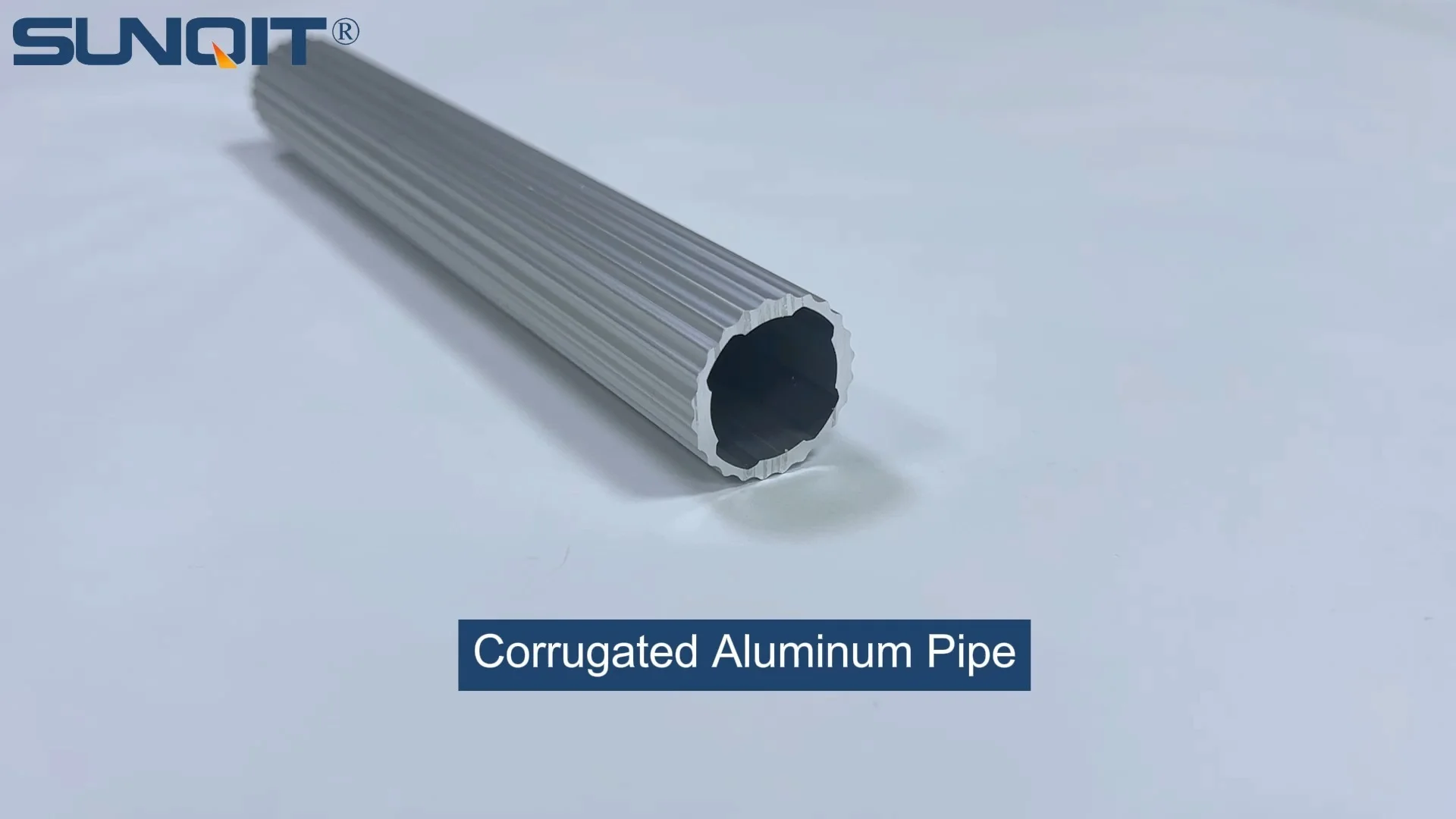
Corrugated Aluminum Pipe
Product Description The slot side is 10mm which can work with a T sliding block for connection accessories Quick Detail Product name Corrugated Aluminum pipe model GLT28-T-3010A Material Science 6005-T6 thickness 1.7mm surface treatment anodic oxidat
In the fast-paced world of manufacturing, where efficiency, durability, and adaptability can make or break a production line, the tools and materials you choose matter more than ever. One material that's been gaining traction in workshops, assembly plants, and warehouses alike is corrugated aluminum pipe. With its unique ridged design and lightweight yet robust construction, it's become a go-to for everything from material handling systems to workbench frames. But if you're new to this versatile component, you probably have questions—and we're here to answer them. Below, we've compiled the most common FAQs manufacturers ask about corrugated aluminum pipe, from its basic makeup to its role in lean manufacturing systems, and even how to choose the right supplier. Let's dive in.
Frequently Asked Questions
1. What Exactly Is Corrugated Aluminum Pipe, and How Is It Made?
At its core, corrugated aluminum pipe is a type of aluminum tubing characterized by its periodic ridges (or "corrugations") along the length of the pipe. These ridges aren't just for show—they're engineered to boost the pipe's structural integrity without adding significant weight. But how does it go from raw aluminum to the finished product you'll see on the factory floor?
The process starts with aluminum extrusion, a method where heated aluminum billets are forced through a die to create a specific cross-sectional shape. For corrugated pipe, the die is designed with a pattern that imprints the ridges as the aluminum exits the extrusion press. This is similar to how standard aluminum extrusion profiles are made, but with an added step to form the corrugations. After extrusion, the pipe may undergo additional treatments like annealing (to soften the metal for easier bending) or anodizing (to enhance corrosion resistance). The result is a pipe that's strong, lightweight, and uniquely suited to handle the demands of dynamic manufacturing environments.
2. How Does Corrugated Aluminum Pipe Differ from Standard Aluminum Pipe or Aluminum Extrusion Profiles?
It's easy to confuse corrugated aluminum pipe with other aluminum products, but the differences are key to understanding when to use each. Let's break it down:
| Feature | Corrugated Aluminum Pipe | Standard Smooth Aluminum Pipe | Aluminum Extrusion Profiles |
|---|---|---|---|
| Design | Ridged, periodic corrugations along length | Smooth, uniform circumference | Custom cross-sections (e.g., T-slots, angles, channels) |
| Primary Strength | Flexibility + rigidity (resists bending under load) | Uniform strength, better for straight, static runs | Structural support, modular assembly (via T-slots) |
| Common Uses | Material flow systems, conveyors, dynamic workstations | Plumbing, static frames, low-stress applications | Machine guards, workbench frames, shelving |
| Weight-to-Strength Ratio | Excellent (corrugations add strength without extra weight) | Good, but less efficient than corrugated | Depends on profile; T-slots offer strong, lightweight frames |
For example, if you're building a conveyor system that needs to handle slight bends or vibrations, corrugated pipe's flexibility makes it ideal. Standard smooth pipe, on the other hand, works better for rigid, straight-line applications like liquid transport. Aluminum extrusion profiles, with their T-slots and custom shapes, shine in modular setups where you need to attach accessories quickly—think workbenches with tool holders or shelving units.
3. What Are the Key Advantages of Using Corrugated Aluminum Pipe in Manufacturing Settings?
Manufacturers don't adopt new materials without clear benefits, and corrugated aluminum pipe delivers on several fronts:
- Lightweight Yet Strong: Aluminum is already 30% lighter than steel, and the corrugated design amplifies its strength-to-weight ratio. This makes it easier to install (no heavy lifting equipment needed) and reduces wear on support structures like conveyor frames.
- Corrosion Resistance: Aluminum naturally forms a protective oxide layer, and options like anodized corrugated pipe take this further. Unlike steel, it won't rust—even in humid or chemical-exposed environments (hello, food processing and pharmaceuticals).
- Flexibility Without Sacrificing Rigidity: The ridges allow the pipe to flex slightly under load, absorbing shocks from moving parts or dropped materials. This flexibility reduces the risk of cracking compared to rigid steel or brittle plastic pipes.
- Sustainability: Aluminum is 100% recyclable, and corrugated pipe's longevity (it can last 15+ years with minimal maintenance) means less frequent replacement and lower waste. Many suppliers also use recycled aluminum in production.
- Cost-Effective Over Time: While the upfront cost might be higher than plastic pipe, corrugated aluminum's durability and low maintenance needs (no repainting, rust treatment, or UV protection) make it cheaper in the long run.
One automotive plant we worked with swapped steel conveyor rails for corrugated aluminum pipe and reported a 20% reduction in energy use (thanks to lighter moving parts) and a 30% drop in maintenance calls over two years. That's the kind of real-world impact that gets manufacturers' attention.
4. What Aluminum Pipe Accessories Are Essential for Building Functional Corrugated Pipe Systems?
A pipe is only as useful as the accessories that turn it into a system. When working with corrugated aluminum pipe, these components are non-negotiable:
- Joints and Connectors: These are the "glue" of your setup. Look for aluminum pipe accessories like 90° elbows, T-joints, and swivel connectors to create angles and branch off into multiple lines. Internal rotary aluminum joints, for example, let pipes rotate slightly, which is handy for adjustable workstations.
- Mounting Brackets: To secure the pipe to walls, floors, or workbenches, you'll need brackets. Options like roller track placon mounts (used for connecting roller tracks to aluminum profiles) or flat mounting plates distribute weight evenly and prevent sagging.
- Casters and Wheels: For mobile systems like turnover trolleys or portable workbenches, caster and accessories are a must. Locking casters keep the setup stable during use, while swivel wheels make it easy to reposition when workflows change.
- End Caps and Protectors: These plastic or rubber caps fit over the ends of pipes to prevent debris buildup, protect workers from sharp edges, and keep out moisture that could cause internal corrosion.
- Leveling Feet: Adjustable feet (like anti-slip suction cup feet) ensure your pipe system stays stable on uneven floors, which is critical for conveyor alignment and load distribution.
Pro tip: Opt for accessories made from the same aluminum alloy as your pipe to avoid galvanic corrosion (a reaction that happens when dissimilar metals touch). Many suppliers bundle pipes and accessories into kits, which can save time and ensure compatibility.
5. How Does Corrugated Aluminum Pipe Integrate with Lean Manufacturing Systems?
Lean manufacturing is all about eliminating waste, streamlining workflows, and adapting to change—and corrugated aluminum pipe fits right into this philosophy. Here's how:
First, its modularity aligns with "just-in-time" principles. Unlike fixed steel structures, corrugated pipe systems can be disassembled, reconfigured, or expanded in hours (not days). Need to adjust a conveyor line to accommodate a new product? Swap out a few joints and reposition the pipe—no welding or heavy tools required. This flexibility reduces downtime and "waste of waiting".
Second, it pairs seamlessly with lean pipe and accessories (think basic aluminum tubes, joints, and workbench components). Together, they create adaptable workstations that can be customized for specific tasks, reducing "waste of motion" by keeping tools and materials within arm's reach.
Third, the lightweight design supports "flow" in production. For example, a corrugated aluminum roller track (fitted with swivel roller balls) lets materials glide smoothly from one station to the next, minimizing manual handling and speeding up throughput. In one electronics plant, replacing a manual cart system with a corrugated aluminum flow rack cut material transfer time by 40%.
Finally, its durability means less "waste of defects." A well-built corrugated pipe system won't warp, rust, or break down, ensuring consistent performance and reducing the need for rework or repairs.
6. What Should Manufacturers Consider When It Comes to Load Capacity and Structural Integrity?
Underestimating load capacity is a common mistake that can lead to system failure, downtime, or even safety hazards. Here's what to keep in mind:
Key Factors Affecting Load Capacity:
- Pipe Diameter and Wall Thickness: Larger diameters (e.g., 2-inch vs. 1-inch) and thicker walls (1.5mm vs. 1.0mm) can handle more weight. For example, a 2-inch corrugated pipe with a 2.0mm wall might support 500 lbs per linear foot, while a 1-inch, 1.0mm wall pipe tops out at 200 lbs.
- Alloy Type: 6061-T6 aluminum is stronger than 6063-T5, making it better for heavy loads. Check the supplier's specs—they should list tensile strength and yield strength for each alloy.
- Corrugation Depth: Deeper ridges (e.g., 0.5-inch vs. 0.25-inch) add more structural reinforcement. Think of it like corrugated cardboard—deeper flutes mean more strength.
- Support Spacing: Even the strongest pipe will sag if supports are too far apart. As a rule of thumb, for a 2-inch pipe carrying 300 lbs, supports should be no more than 3 feet apart. For lighter loads (100 lbs), 5 feet is acceptable.
Testing and Safety Margins: Always factor in a safety margin—aim for 50% above your expected maximum load. So if you anticipate moving 200-lb bins, choose a system rated for 300 lbs. Many suppliers provide load-testing data, or you can run simple in-house tests with sandbags or weighted pallets before full deployment.
7. Are There Specific Installation Tips to Ensure Longevity and Safety?
Installing corrugated aluminum pipe isn't rocket science, but attention to detail prevents headaches later. Here's a step-by-step guide:
- Measure Twice, Cut Once: Aluminum is easy to cut with a hacksaw or pipe cutter, but uneven cuts can lead to weak joints. Use a miter box for straight angles, and deburr the edges with a file to avoid sharp burrs that could damage accessories or injure workers.
- Prep the Surface: Wipe down pipes with a solvent (like isopropyl alcohol) to remove oil, dirt, or oxidation before joining. Clean surfaces ensure better adhesion for adhesives (if used) and tighter fits for mechanical joints.
- Torque Fasteners Properly: Over-tightening can strip threads or warp the pipe; under-tightening leads to loose connections. Most aluminum pipe accessories come with torque specs (e.g., 15-20 ft-lbs for steel bolts). Invest in a torque wrench to get it right.
- Level as You Go: Use a spirit level to ensure horizontal runs are flat and vertical runs are plumb. A misaligned system can cause materials to jam on conveyors or uneven weight distribution that stresses joints.
- Anchor Heavier Systems: For setups like overhead conveyor rails or large material racks, anchor the system to the floor or ceiling with heavy-duty brackets. This prevents tipping, especially in high-traffic areas.
Pro tip: Train your team on proper installation—even experienced workers might need a refresher on aluminum-specific techniques (e.g., avoiding over-tightening). Many suppliers offer free installation guides or video tutorials to help.
8. How Do Maintenance Requirements for Corrugated Aluminum Pipe Compare to Other Materials?
Maintenance is a hidden cost that adds up over time, and corrugated aluminum pipe shines here. Let's compare:
- vs. Steel Pipe: Steel requires regular painting or coating to prevent rust, especially in humid environments. Corrugated aluminum? A quick wipe with a damp cloth every few months is usually enough. No rust, no repainting, no costly corrosion treatments.
- vs. Plastic Pipe: Plastic (like PVC) can crack in cold temperatures, warp in heat, or degrade under UV light. Aluminum handles extreme temps (-40°F to 250°F) without issues, and it's UV-resistant—no yellowing or brittleness over time.
- vs. Stainless Steel: Stainless steel is durable but heavy and expensive. It also needs polishing to maintain its finish, whereas aluminum's natural oxide layer keeps it looking clean with minimal effort.
Basic Maintenance Checklist:
- Monthly Inspections: Check joints for looseness, especially in high-vibration areas (like near machinery). Tighten any fasteners that show signs of movement.
- Quarterly Cleaning: Use mild soap and water to remove grease, dust, or chemical residues. Avoid abrasive cleaners—they can scratch the surface and expose the metal to corrosion.
- Annual Corrosion Checks: Look for pitting or discoloration, especially if the pipe is used in chemical environments. If you spot corrosion, anodizing or painting the affected area can extend its life.
- Lubricate Moving Parts: For accessories like swivel joints or caster wheels, apply a light machine oil annually to keep them moving smoothly.
With proper care, a corrugated aluminum pipe system can last 15–20 years—far longer than plastic (5–10 years) or uncoated steel (10–15 years).
9. Can Corrugated Aluminum Pipe Be Customized for Unique Manufacturing Needs?
Absolutely—and customization is where corrugated aluminum pipe really stands out. Suppliers offer a range of options to tailor the pipe to your specific needs:
- Custom Lengths and Diameters: Standard pipes come in 10-foot or 20-foot lengths, but most suppliers will cut to size (e.g., 3.5 feet for a compact workstation). Diameters range from 0.5 inches (for light-duty applications) up to 4 inches (for heavy material flow).
- Corrugation Patterns: Need deeper ridges for extra strength? Or shallower, more frequent ridges for flexibility? Custom corrugation depths (0.25-inch to 1-inch) and spacing (1-inch to 4-inch between ridges) are possible, though they may require a minimum order quantity.
- Alloy Blends: For specialized environments (e.g., high heat or chemical exposure), suppliers can mix alloys like 5052 (better corrosion resistance) or 7075 (higher strength) into the pipe.
- Surface Treatments: Beyond standard anodizing, options include powder coating (for color coding work zones), anti-slip coatings (for footrests or walkways), or conductive coatings (for ESD-sensitive electronics manufacturing).
- Integrated Features: Some suppliers can add holes, slots, or notches directly into the pipe during extrusion—great for mounting sensors, labels, or tool hooks without drilling (which weakens the pipe).
Example: A aerospace parts manufacturer needed corrugated pipe that could withstand extreme cold (for cryogenic storage areas). Their supplier created a custom 6061-T6 alloy pipe with a thicker wall (2.5mm) and a special anodized coating, ensuring it performed reliably at -100°F.
10. What Industries Benefit Most from Corrugated Aluminum Pipe Systems?
Corrugated aluminum pipe isn't a one-size-fits-all solution, but these industries have seen significant gains:
- Automotive: Used for conveyor rails, part storage racks, and mobile workstations. Its lightweight design makes it easy to reconfigure assembly lines for new car models.
- Electronics: ESD-safe corrugated pipe (with conductive coatings) protects sensitive components like circuit boards during transport. Pair it with ESD workbenches for a complete static-free system.
- Food Processing: Corrosion resistance and easy cleaning make it ideal for conveying ingredients, packaging, or finished products. It's also compliant with FDA standards for food contact.
- Pharmaceuticals: Stainless steel swivel roller balls (often paired with corrugated pipe) create smooth, easy-to-clean material flow systems that meet strict (sanitary) regulations.
- Aerospace: Lightweight yet strong, corrugated pipe is used in tooling racks and assembly jigs, where weight savings translate to lower fuel costs for test flights.
Even niche industries benefit. A furniture manufacturer, for example, uses custom-length corrugated pipe as frames for adjustable workbenches, allowing workers to raise or lower surfaces to reduce ergonomic strain.
11. How Does the Cost of Corrugated Aluminum Pipe Stack Up Against Stainless Steel or Plastic Piping?
Cost is always a factor, but it's important to look beyond the initial price tag. Here's a rough breakdown for a 10-foot length of 2-inch diameter pipe:
- Corrugated Aluminum Pipe: $30–$50 (depending on wall thickness and alloy)
- Stainless Steel Pipe: $80–$120 (heavier, more expensive raw material)
- Plastic (PVC) Pipe: $10–$20 (cheaper upfront, but less durable)
While plastic is cheaper initially, it needs replacement every 5–10 years. Stainless steel lasts longer but requires more maintenance (polishing, rust checks) and is heavier to install (higher labor costs). Corrugated aluminum, at $30–$50 per 10-foot section, offers a middle ground—affordable upfront, minimal maintenance, and a 15–20 year lifespan. When you factor in labor, replacement, and downtime, aluminum often ends up being the most cost-effective choice over 10+ years.
For example, a warehouse using plastic pipe might spend $200 on initial materials, then $200 every 7 years for replacements. Over 21 years, that's $600. Corrugated aluminum, at $500 upfront, would last the full 21 years with $50 in maintenance—total $550. The savings add up.
12. What Should I Look for in a Reliable Corrugated Aluminum Pipe Supplier?
Choosing the right supplier is as important as choosing the pipe itself. Here's what to prioritize:
- Quality Certifications: Look for ISO 9001 certification (ensures consistent manufacturing standards) and material certifications (e.g., ASTM or EN specs for aluminum alloys). Reputable suppliers will provide test reports for each batch of pipe.
- Range of Aluminum Pipe Accessories: A supplier that stocks everything from joints to casters saves you time and ensures compatibility. Avoid piecing together systems from multiple vendors—mismatched accessories can lead to weak points.
- Customization Capabilities: If you need unique sizes or features, ask about minimum order quantities, lead times, and design support. A good supplier will work with you to engineer a solution, not just sell you off-the-shelf products.
- Technical Support: Manufacturing is complex, and you'll likely have questions post-purchase. Look for suppliers with in-house engineers who can help with load calculations, installation advice, or troubleshooting.
- Lead Times and Inventory: Avoid suppliers with 12-week lead times for standard products. Many keep common sizes in stock, ensuring you can get what you need quickly to avoid production delays.
- Customer Reviews: Check online reviews or ask for references from manufacturers in your industry. Did the supplier deliver on time? Was the pipe as described? How responsive was their support team?
Don't be afraid to ask for samples. A reputable supplier will send a short length of pipe and a few accessories so you can test quality, fit, and finish before placing a large order.
Wrapping Up
Corrugated aluminum pipe isn't just another manufacturing material—it's a versatile, cost-effective solution that supports efficiency, sustainability, and adaptability. From its unique corrugated design that balances strength and flexibility to its seamless integration with lean systems and aluminum pipe accessories, it's clear why more manufacturers are making the switch.
Whether you're building conveyor lines, workstations, or material racks, understanding the ins and outs of corrugated aluminum pipe—from load capacity to maintenance—will help you make informed decisions that boost productivity and bottom-line results. And with the right supplier by your side, you can customize a system that fits your needs today and grows with you tomorrow.