- Company Articles
- FAQ
- FAQ
- FAQ: 60 Aluminum Roller Track Yellow – Most Asked Questions Answered

FAQ: 60 Aluminum Roller Track Yellow – Most Asked Questions Answered
Related Product
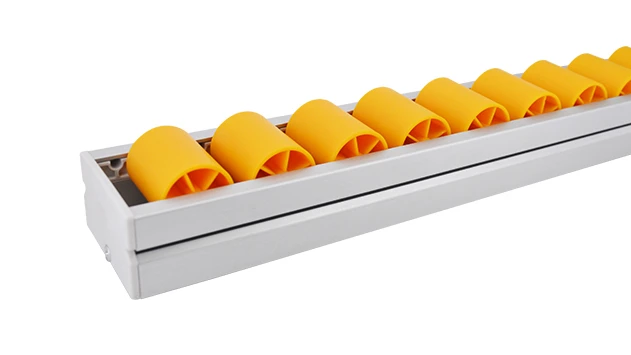
60 Aluminum Roller Track Yellow
Modular syetem roller tracks aluminum gravity roller tracks are an excellent solution for transporting materials within industrial environments, warehouses and distribution centres.
FAQ: 60 Aluminum Roller Track Yellow – Most Asked Questions Answered
The 60 Aluminum Roller Track Yellow is a staple in lean manufacturing environments, trusted by teams across industries for its durability, smooth material flow, and modular design. Whether used in flow racks for picking parts, conveyors for moving assemblies, or custom lean solutions tailored to specific production lines, this track has earned its reputation as a reliable workhorse. Its bright yellow rollers stand out in busy factories, making it easy to identify material flow paths and reduce errors. Below, we answer the most common questions about this versatile component, helping you make informed decisions for your production setup.
1. What exactly is the 60 Aluminum Roller Track Yellow, and how does it fit into lean manufacturing?
The 60 Aluminum Roller Track Yellow is a modular material handling component made from high-quality aluminum extrusion profiles (typically 6063-T5 alloy) with integrated yellow plastic rollers. Designed to facilitate smooth, gravity-driven or motorized material flow, it aligns perfectly with lean manufacturing principles like continuous flow, waste reduction, and process optimization. This track is a key part of lean solutions that aim to eliminate non-value-added steps—such as unnecessary lifting or searching for parts—by ensuring materials reach workers exactly when needed.
In practice, it's used to build flow racks that hold components in sequential order for assembly lines, or conveyors that move semi-finished products between workstations. Its modularity means it can be reconfigured as production needs change, which aligns with the "reusable, sustainable improvement" ethos of modern lean systems.
2. What are the key technical specifications of the 60 Aluminum Roller Track Yellow?
The 60 Aluminum Roller Track Yellow comes with standardized specifications that ensure compatibility and performance across different setups. Below is a detailed breakdown:
| Parameter | Details |
|---|---|
| Track Width | 60mm (nominal) |
| Roller Diameter | 25mm (yellow plastic) |
| Aluminum Profile Material | 6063-T5 Aluminum Alloy |
| Roller Material | PU (Polyurethane) or PP (Polypropylene) with yellow coating |
| Load Capacity per Meter | Up to 150kg (depending on roller spacing) |
| Surface Treatment | Anodized (anti-corrosion, scratch-resistant) |
| Roller Spacing | 50mm or 75mm (customizable) |
| Length | 1000mm, 1500mm (custom lengths available) |
These specifications make it suitable for handling small to medium-sized items, from electronic components in 3C assembly lines to automotive parts in production workshops.
3. What accessories are compatible with the 60 Aluminum Roller Track Yellow, and how do they enhance its functionality?
The true power of the 60 Aluminum Roller Track Yellow lies in its compatibility with a wide range of aluminum profile accessories, which let you customize it to your needs. Here are some key accessories and their uses:
- Roller Track Connectors: Join multiple track sections together to create longer flow paths or turn corners (e.g., 90° or 135° connectors).
- Plastic Guide Rails: Yellow or grey plastic rails that attach to the sides of the track to keep items from sliding off during movement.
- End Supports: Mounted at the end of tracks to prevent materials from falling off and to stabilize the setup.
- Center Brackets: Reinforce long track sections to handle heavier loads without bending.
- Caster Wheels: Attach to the base of flow racks or conveyors to make them mobile, ideal for flexible production lines.
For example, adding guide rails to the track ensures that small 3C components stay aligned during transport, while connectors let you build a U-shaped conveyor for circular production flows.
4. Can the 60 Aluminum Roller Track Yellow be integrated with other lean systems like flow racks or conveyors?
Absolutely! This track is designed to be a building block for larger lean systems, making it highly versatile. Here are two common integrations:
Flow Racks: In assembly lines, flow racks built with this track hold components in bins that slide down as workers pick items. This ensures that parts are always available at the front of the rack, reducing time spent searching for materials. For example, in an automotive factory, flow racks with 60 Aluminum Roller Track Yellow hold screws, nuts, and small parts for engine assembly.
Conveyors: The track can be part of manual or automated conveyors. Manual conveyors use gravity to move items (e.g., in a warehouse picking area), while automated conveyors use motors to drive rollers, moving items at consistent speeds. In 3C assembly lines, automated conveyors with this track move phone cases between stations for printing, assembly, and testing.
Both integrations help reduce waste (like overproduction or waiting time) and improve overall efficiency, core goals of any lean solution.
5. Which industries benefit most from using the 60 Aluminum Roller Track Yellow?
The 60 Aluminum Roller Track Yellow is used across a wide range of manufacturing and logistics industries, thanks to its durability and adaptability. Key sectors include:
- 3C Assembly: Ideal for handling small, delicate components like phone screens or camera modules, as the yellow rollers are gentle and reduce scratch risks.
- Automotive: Used in flow racks for parts like door handles or dashboard components, and conveyors for moving car seats or engine parts.
- Medical Devices: Aluminum is easy to clean and sanitize, making it suitable for sterile environments where medical tools or devices are assembled.
- Warehousing & Logistics: Flow racks with this track help organize inventory, and conveyors speed up order fulfillment processes.
- Consumer Electronics: For moving products like laptops or tablets between assembly stations, ensuring smooth transitions and reducing damage.
In each of these industries, the track plays a role in streamlining operations and supporting lean manufacturing practices.
6. How does the 60 Aluminum Roller Track Yellow support sustainable and reusable lean solutions?
Sustainability is a core part of modern lean manufacturing, and the 60 Aluminum Roller Track Yellow aligns perfectly with this focus. Here's how:
Recyclable Material: Aluminum is 100% recyclable without losing its quality. When production lines are reconfigured, the track can be melted down and reused to make new components, reducing waste and environmental impact.
Modular Design: The track's modularity means it can be reconfigured instead of replaced. For example, if a 3C assembly line switches from producing phones to tablets, the track can be disassembled and reassembled into a new flow rack or conveyor—no need to buy new equipment.
Durability: Aluminum is resistant to corrosion and wear, so the track has a long lifespan (often 5-10 years or more). This reduces the frequency of replacements, cutting down on waste and costs.
Waste Reduction: By enabling smooth material flow, the track helps eliminate waste like overproduction (since materials are delivered just-in-time) and defects (since items are handled gently). This aligns with the lean principle of reducing "muda" (waste) in all forms.
7. What maintenance tips should I follow to keep my 60 Aluminum Roller Track Yellow in top shape?
Proper maintenance ensures the track remains functional and durable for years. Here are key tips:
- Regular Cleaning: Wipe the track and rollers with a dry or slightly damp cloth to remove dust and debris. Avoid using harsh chemicals that could damage the aluminum or roller coating.
- Lubrication: Lubricate the rollers every 3-6 months with a light oil (e.g., silicone oil) to keep them rolling smoothly. For medical or food-related industries, use food-grade lubricants.
- Inspections: Check for loose rollers or connectors monthly. Tighten any loose parts to prevent misalignment or accidents.
- Avoid Overloading: Never exceed the track's specified load capacity (usually 150kg per meter). Overloading can bend the aluminum profile or damage the rollers.
- Corrosion Protection: If the track is used in a humid environment, apply a thin layer of anti-corrosion spray to the aluminum profile to prevent rust or oxidation.
Following these steps will extend the track's lifespan and ensure consistent performance.
8. Can I get a custom configuration of the 60 Aluminum Roller Track Yellow for my specific production line?
Yes! Most suppliers offer custom configurations of the 60 Aluminum Roller Track Yellow as part of their lean solution services. Customization options include:
- Length: Tracks can be cut to specific lengths (e.g., 800mm or 2000mm) to fit your production space.
- Roller Spacing: Adjust the spacing between rollers to accommodate different item sizes (e.g., smaller spacing for tiny 3C components).
- Roller Material: Choose between PU or PP rollers depending on your needs (PU is more durable, PP is lighter).
- Accessory Combinations: Customize the track with specific accessories like guide rails, end stops, or connectors to meet your material handling requirements.
For example, if you run a medical device assembly line, you might need a track with stainless steel end stops and food-grade rollers to meet hygiene standards. Suppliers will work with you to design a setup that fits your unique needs.
9. How does the 60 Aluminum Roller Track Yellow compare to other roller track types (like steel or plastic)?
The 60 Aluminum Roller Track Yellow has several advantages over steel and plastic tracks:
vs. Steel Tracks: Aluminum is lighter (about 1/3 the weight of steel), making it easier to install and reconfigure. It's also resistant to corrosion, so it's better for humid environments. Steel tracks are heavier and may rust over time, requiring more maintenance.
vs. Plastic Tracks: Aluminum is more durable and can handle heavier loads. Plastic tracks may bend or break under heavy use, while aluminum tracks remain stable. The yellow rollers on aluminum tracks are also more resistant to wear than plastic rollers.
Cost-Effectiveness: While aluminum tracks may have a higher initial cost than plastic, their longer lifespan and reusability make them more cost-effective over time. Steel tracks are often more expensive than aluminum, especially for custom lengths.
Overall, the 60 Aluminum Roller Track Yellow strikes a balance between durability, weight, and cost—making it the preferred choice for most lean manufacturing setups.
10. Is the 60 Aluminum Roller Track Yellow compatible with ESD workstations for sensitive industries like 3C assembly?
Yes, the 60 Aluminum Roller Track Yellow can be integrated with ESD (Electrostatic Discharge) workstations to protect sensitive components like microchips or circuit boards. Here's how:
ESD-Rated Rollers: Suppliers offer versions of the track with ESD-rated yellow rollers (made from conductive plastic) that dissipate static electricity, preventing damage to sensitive components.
Grounding Accessories: The track can be connected to ESD grounding systems using special aluminum profile accessories like grounding clips. This ensures any static buildup is safely discharged to the ground.
ESD Workstation Integration: The track can be mounted on ESD workstations to create a complete static-safe material handling setup. For example, in a 3C assembly line, ESD workstations with this track let workers handle sensitive components without risk of static damage.
This compatibility makes the track ideal for industries where static control is critical.
11. What safety considerations should I keep in mind when installing and using this roller track?
Safety is paramount in manufacturing environments, and the 60 Aluminum Roller Track Yellow requires proper installation and use to avoid accidents. Here are key safety tips:
- Proper Installation: Ensure the track is mounted on a stable base (like an aluminum profile frame) and all connectors are tight. Loose tracks can shift during use, causing items to fall off.
- Load Limits: Never exceed the track's specified load capacity. Overloading can lead to track failure and injury.
- End Stops: Always install end stops at the end of tracks to prevent items from falling off and hitting workers.
- Training: Train workers on how to use the track safely—e.g., not to stand on the track or push items too hard.
- Regular Inspections: Check the track for signs of wear (like bent rollers or loose connectors) and repair or replace parts as needed.
By following these tips, you can ensure a safe and efficient material handling process.