- Company Articles
- FAQ
- FAQ
- FAQ: Lean Pipe Clamp Chrome Corrosion Resistance Explained

FAQ: Lean Pipe Clamp Chrome Corrosion Resistance Explained
Related Product
Lean Pipe Clamp Chrome
Lean pipe clamp is used for rack system hang monitor or other panel for workbenck, flowrack in production daily use.
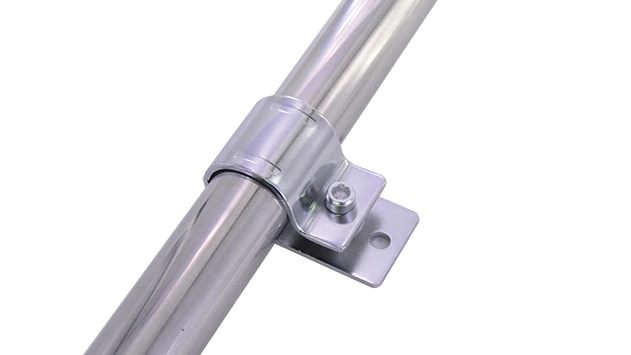
Walk into any modern manufacturing facility, and you'll likely spot a network of modular workbenches, material racks, and conveyor systems that seem to bend and adapt to the day's tasks. These are the backbone of lean manufacturing—systems designed to cut waste, boost efficiency, and keep production assemble lines flowing smoothly. At the core of these flexible setups are lean pipe components, and among the most critical are lean pipe clamps. When these clamps are chrome-plated, they bring a unique blend of strength and protection, especially against one of manufacturing's silent enemies: corrosion. But what exactly makes lean pipe clamp chrome resistant to rust? How does it hold up in tough environments? And when should you choose it over other options like stainless steel pipe series or aluminum lean pipe? Let's unpack these questions and more, so you can make the most of your lean system.
Common Questions About Lean Pipe Clamp Chrome Corrosion Resistance
-
1. What Are Lean Pipe Clamp Chrome, and Why Does Corrosion Resistance Matter for Them?
Lean pipe clamp chrome are small but vital components in modular lean systems. They're the connectors that hold together lean pipes (often steel or aluminum) to build workbenches, flow racks, turnover trolleys, and other structures. Think of them as the "glue" that keeps the system flexible—you can loosen a clamp, reposition a pipe, and tighten it again to reconfigure a workbench for a new task in minutes. But here's the catch: in manufacturing settings, these clamps are exposed to a lot. From humid warehouses to assembly lines with oil, coolant, or cleaning chemicals, they face constant threats that can eat away at metal over time. That's where corrosion resistance comes in. A clamp that rusts or degrades loses its grip, weakening the entire structure. Loose pipes can slow down production, create safety hazards, or even damage materials. Chrome plating adds a protective layer to these clamps, helping them stand up to the elements and keep your lean system reliable.
-
2. What Are Lean Pipe Clamp Chrome Made Of, and How Does Chrome Plating Work?
Most lean pipe clamp chrome start with a base material—usually low-carbon steel. Steel is strong and affordable, making it a popular choice for clamps that need to withstand the weight of tools, materials, or even heavy workbenches. But plain steel is prone to rust when exposed to moisture and oxygen. That's where chrome plating steps in. The plating process involves electroplating a thin layer of chromium (a shiny, corrosion-resistant metal) onto the steel surface. Here's how it works: the steel clamp is submerged in a bath of chromium ions, and an electric current is applied. This current causes the chromium ions to bond to the steel, forming a hard, smooth coating—typically just a few micrometers thick, but tough enough to act as a barrier. The result? A clamp that has the strength of steel but with a protective shield against rust. It's like giving the clamp a raincoat for metal—keeping water, chemicals, and oxygen from reaching the steel underneath.
-
3. How Does Chrome Plating Actually Protect Against Corrosion?
Chrome plating fights corrosion in two key ways: as a physical barrier and through a process called passivation. First, the chromium layer acts like a shield. It's dense and non-porous, so moisture, dirt, and chemicals can't seep through to the steel base. Think of it as a suit of armor for the clamp—small scratches might nick the surface, but the underlying steel stays protected unless the scratch is deep enough to expose it. Second, chromium has a unique ability to "heal" minor damage. When exposed to oxygen, chromium forms a thin, invisible layer of chromium oxide on its surface. This oxide layer is self-repairing: if the chrome plating gets a tiny scratch, the exposed chromium reacts with oxygen again to form new oxide, sealing the gap. This passivation process is why chrome-plated surfaces stay shiny and rust-free even in damp environments. Compare that to plain steel, which forms loose, flaky rust that only spreads when exposed to moisture—chrome's oxide layer is tight and protective, keeping corrosion at bay.
-
4. What Environments Can Lean Pipe Clamp Chrome Withstand, and Where Might They Struggle?
Lean pipe clamp chrome are workhorses in many industrial settings, but they're not invincible. Let's start with where they shine: dry or moderately humid environments, like assembly lines, electronics manufacturing facilities, or warehouses with controlled temperatures. In these spaces, the chrome plating easily resists the occasional spill, dust, or condensation. They also hold up well in areas with light chemical exposure—think cleaning agents with mild detergents or the occasional oil splatter from machinery. Even in food processing facilities with regular wipe-downs (using non-corrosive cleaners), chrome clamps tend to stay in good shape.
But there are limits. Extreme environments can test their mettle. For example, in settings with constant exposure to saltwater (like coastal factories) or highly acidic/alkaline chemicals (such as battery manufacturing or pickling plants), the chrome plating may degrade over time. Saltwater, in particular, is aggressive—it can break down the oxide layer and cause pitting (small holes) in the chrome. Similarly, prolonged exposure to high humidity (above 85% relative humidity) without proper ventilation can eventually lead to rust, especially if the clamps are already scratched. In these cases, you might need to upgrade to stainless steel pipe series or specialized coatings. The key is to match the clamp to the environment: chrome is a great all-rounder for most manufacturing needs, but always check the conditions your system will face day-to-day. -
5. How Does Lean Pipe Clamp Chrome Compare to Stainless Steel Pipe Series or Aluminum Lean Pipe in Corrosion Resistance?
Choosing between lean pipe clamp chrome, stainless steel, and aluminum lean pipe depends on your priorities: corrosion resistance, cost, weight, and strength. Let's break down the differences:
Material Corrosion Resistance Best For Cost Weight Lean Pipe Clamp Chrome Good for dry/moderate humidity, light chemicals; limited in saltwater/extreme acids. General manufacturing, assembly lines, workbenches, and flow racks in controlled environments. Moderate (more affordable than stainless steel, slightly pricier than unplated steel). Medium (steel base adds strength but not excessive weight). Stainless Steel Pipe Series Excellent—resists saltwater, acids, and high humidity (thanks to chromium-nickel alloys). Marine environments, chemical plants, food processing (high sanitation needs). Higher (stainless steel is more expensive than chrome-plated steel). Heavier (denser than steel, so structures may be bulkier). Aluminum Lean Pipe Very good—aluminum forms its own oxide layer, resisting rust; lightweight but softer than steel. Lightweight structures, cleanrooms, or settings where weight matters (e.g., mobile trolleys). Moderate to high (aluminum costs more than steel but less than stainless steel). Lightweight (about 1/3 the weight of steel, making systems easier to reconfigure). So, if you need a balance of cost, strength, and corrosion resistance for everyday manufacturing, lean pipe clamp chrome is a solid bet. For harsher conditions, stainless steel pipe series is worth the investment. And if weight or cleanroom compatibility is key, aluminum lean pipe might be the way to go.
-
6. How Do You Maintain Lean Pipe Clamp Chrome to Keep Corrosion at Bay?
Even the most corrosion-resistant components need a little TLC to stay in top shape. Here's how to keep your lean pipe clamp chrome fighting fit:
Regular Cleaning: Dust, grime, and chemicals can build up on clamps, creating a film that traps moisture. Wipe them down weekly with a soft, damp cloth to remove debris. For stubborn spots (like oil or grease), use a mild soap—avoid harsh abrasives (e.g., steel wool) or acidic cleaners, which can scratch the chrome plating.
Inspect for Damage: Every month, take a quick look at your clamps. Check for chips, scratches, or peeling in the chrome. Even a tiny nick can let moisture reach the steel underneath. If you spot damage, mark the clamp and plan to replace it—or, for small scratches, use a chrome-specific touch-up pen to seal the area temporarily.
Lubricate Moving Parts: If your clamps have adjustable bolts or hinges (common in swivel or rotating designs), a drop of machine oil every few months keeps them moving smoothly. This prevents rust from forming in tight, friction-prone areas.
Control the Environment: If possible, keep your lean system away from standing water, direct sprinklers, or unventilated corners where humidity lingers. Using a dehumidifier in damp warehouses can work wonders for extending clamp life.
Think of it like maintaining a bike—regular checks and small fixes today prevent big problems (and costly replacements) tomorrow. -
7. What Are the Signs of Corrosion in Lean Pipe Clamp Chrome, and What Should You Do About It?
Corrosion in chrome-plated clamps often starts small, so knowing the warning signs can save you from system failures. Here's what to watch for:
Discoloration: The first red flag is often a dull, cloudy film on the chrome surface. This isn't rust yet, but it means the oxide layer is breaking down. Wipe the clamp with a damp cloth—if the cloudiness persists, it's time to clean more thoroughly or check for scratches.
Pitting: Small, dark spots (like pinholes) on the chrome are a sign of pitting corrosion. This happens when moisture seeps through a scratch and attacks the steel base. Pitting can spread, so replace the clamp immediately—don't risk it holding critical weight.
Flaking Chrome: If the chrome plating starts to peel or bubble, the underlying steel is exposed and will rust quickly. You might see reddish-brown flakes around the clamp. At this point, the clamp is compromised—swap it out right away to avoid structural issues.
Loose Grip: Corrosion can eat away at the threads of the clamp's bolt, making it hard to tighten. If a clamp won't stay secure, even after adjusting, corrosion is likely the culprit. replace it to keep your workbench or rack stable.
The golden rule: when in doubt, replace the clamp. A single corroded clamp is cheaper to fix than a collapsed workbench or a production delay.
Beyond the Basics: How Chrome Plating Stacks Up to Other Coatings
Chrome isn't the only coating option for lean pipe clamps. Some manufacturers use zinc plating, powder coating, or even plastic coatings. So why choose chrome? Let's compare:
Zinc Plating:
Zinc is cheaper than chrome and offers decent corrosion resistance in dry environments. But it's softer—prone to scratching, and it doesn't hold up well to chemicals. In humid settings, zinc can develop a white, powdery corrosion (called "white rust") that weakens the coating.
Powder Coating:
This is a thick, durable layer of colored plastic applied electrostatically. It's great for aesthetics (you can match your facility's colors!) and resists chips, but it's not as smooth as chrome. Dirt can stick to the textured surface, and if the coating cracks, moisture gets trapped—leading to rust.
Chrome Plating:
Chrome strikes the best balance of hardness, smoothness, and corrosion resistance for most industrial uses. It's harder than zinc, so it resists scratches better, and its smooth surface makes cleaning a breeze. Plus, that iconic shine isn't just for looks—it reflects light, making clamps easier to inspect for damage. For lean systems that need to be both functional and low-maintenance, chrome is hard to beat.

Real-World Examples: When Lean Pipe Clamp Chrome Shines
Let's look at how lean pipe clamp chrome perform in real manufacturing scenarios to see why corrosion resistance matters:
Automotive Assembly Lines:
Car factories are busy places, with workbenches holding tools, parts bins, and even heavy components like engines. Spills of motor oil, coolant, and degreasers are common. Chrome-plated clamps here resist these fluids, ensuring the workbench stays stable shift after shift. Without corrosion resistance, clamps would rust, loosen, and risk dropping tools or parts—costing time and safety.
Electronics Manufacturing:
Cleanrooms and electronics plants need dust-free, controlled environments. But even here, humidity can creep in (too dry, and static builds up; too humid, and moisture lingers). Lean pipe clamp chrome handle this balance, resisting the occasional condensation without adding extra weight (unlike stainless steel) that would make reconfiguring workbenches a hassle.
Warehouse Flow Racks:
Flow racks use gravity to move boxes or materials from the back to the front, relying on sturdy connections between pipes and rollers. In a warehouse with high turnover, these racks are loaded and unloaded constantly. Chrome clamps keep the structure rigid, even when exposed to the dust and temperature fluctuations of a busy storage facility. A rusted clamp here could cause a section of the rack to sag, jamming the flow of materials and slowing down order fulfillment.
Wrapping Up: Why Lean Pipe Clamp Chrome Are a Smart Choice for Corrosion Resistance
Lean manufacturing is all about efficiency, but efficiency means nothing if your tools and systems break down. Lean pipe clamp chrome might seem like small components, but they're the unsung heroes that keep your modular setups reliable, flexible, and safe—even in the face of moisture, chemicals, and daily wear. By understanding how chrome plating works (that barrier protection and self-healing oxide layer), knowing their limits (avoid extreme acids or saltwater), and keeping up with simple maintenance (cleaning, inspecting, replacing when needed), you can extend their life and get the most out of your lean system.
Whether you're building a workbench for a small workshop or outfitting an entire production line, remember: the right components make all the difference. Lean pipe clamp chrome offer that perfect mix of strength, flexibility, and corrosion resistance for most industrial needs. And when paired with quality lean pipe, aluminum lean pipe, or even stainless steel pipe series for specialized areas, they form a system that grows with your business—without letting rust slow you down.