- Company Articles
- FAQ
- FAQ
- FAQ: What Is the Lifespan of a Chrome-Plated Vertical Lean Pipe Joint?

FAQ: What Is the Lifespan of a Chrome-Plated Vertical Lean Pipe Joint?
Related Product
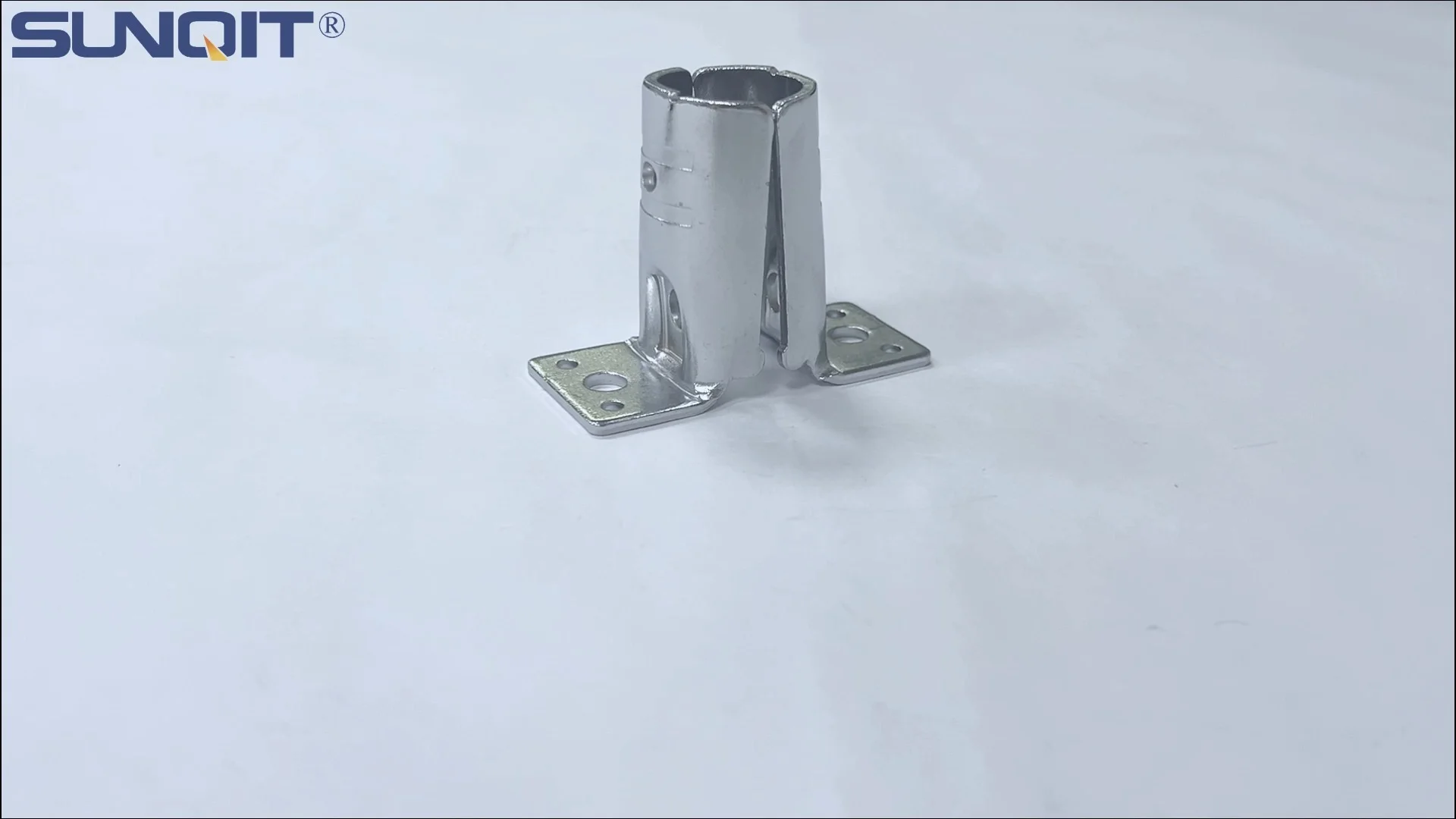
Vertical Lean Pipe Joint
Vertical lean pipe joint is used for 28mm lean pipe fixed on ground and keep it stable.
If you've ever walked through a manufacturing plant, warehouse, or assembly line, you've probably seen those sleek, modular workstations, material racks, or turnover trolleys that seem to adapt to any task. Chances are, many of those structures are built using lean pipe systems—flexible, cost-effective solutions that have become the backbone of efficient production environments. At the heart of these systems lie the unsung heroes: lean pipe joints. And among the most common types is the chrome-plated vertical lean pipe joint. But if you're investing in these components, one question inevitably comes up: How long will they last?
In this article, we're diving deep into the lifespan of chrome-plated vertical lean pipe joints. We'll break down what affects their durability, share realistic expectations, and even offer tips to make them last longer. Whether you're a small business owner setting up your first assembly line or a facility manager looking to optimize your existing lean system, understanding the longevity of these joints can save you time, money, and headaches down the line. Plus, we'll touch on why choosing the right lean pipe supplier matters more than you might think.
What Exactly Is a Chrome-Plated Vertical Lean Pipe Joint?
Before we talk about lifespan, let's make sure we're all on the same page about what a chrome-plated vertical lean pipe joint is. Simply put, it's a connector that joins lean pipes (often steel pipes coated in plastic or, in this case, chrome) at a vertical angle, forming the framework of structures like workbenches, flow racks, or material trolleys. The "vertical" here refers to its primary use in creating upright supports, though it can also be adapted for other angles with the right configuration.
The chrome plating isn't just for looks—though it does add a shiny, professional finish. Chrome is a hard, corrosion-resistant metal, so plating the joint helps protect the underlying steel from rust and wear. This makes the joint ideal for environments where moisture or minor chemical exposure might be a concern, like food processing facilities or automotive plants where oils and coolants are present. But how does this plating hold up over time? Let's dig into the factors that influence just how long these joints can keep your lean system sturdy and reliable.
Factors That Influence the Lifespan of a Chrome-Plated Vertical Lean Pipe Joint
Think of a chrome-plated vertical lean pipe joint as a hardworking employee—its lifespan depends on a mix of its "genetics" (material quality), its "work environment" (conditions it's exposed to), and how well it's "taken care of" (maintenance). Let's break down each factor:
1. Material Quality: The Foundation of Durability
Not all chrome-plated vertical lean pipe joints are created equal. The first thing that affects lifespan is the quality of the materials used to make them. Let's start with the base metal: most joints are made from steel, but the grade of steel matters. High-quality joints use low-carbon steel, which is strong yet flexible enough to withstand stress without cracking. Cheaper joints might cut corners with thinner or lower-grade steel, which can bend or warp under heavy loads over time.
Then there's the chrome plating itself. A thick, evenly applied chrome layer (typically 0.0005 to 0.001 inches thick) acts as a barrier against corrosion and abrasion. If the plating is too thin or has gaps (a common issue with low-quality manufacturing), moisture and debris can seep in, causing the steel underneath to rust. You might not notice it at first, but over months or years, that rust weakens the joint from the inside out. Reputable lean pipe suppliers will often specify plating thickness and use processes like electroplating to ensure uniform coverage—something to look for when choosing your components.
2. Environmental Conditions: Where It Lives Matters
Imagine placing a chrome-plated joint in a damp, unventilated warehouse versus a climate-controlled electronics assembly line. The difference in lifespan could be dramatic. Here's how different environments impact durability:
- Humidity: High moisture levels are public enemy number one for chrome plating. In areas with humidity above 60%, condensation can form on the joint's surface, especially if temperatures fluctuate. Over time, this can lead to "white rust"—a flaky, powdery corrosion that eats away at the plating. Coastal regions or facilities near water are particularly vulnerable.
- Temperature Extremes: Constant exposure to high heat (like near furnaces or welding stations) can cause the chrome plating to expand and contract, weakening its bond to the steel. On the flip side, extreme cold can make the metal brittle, increasing the risk of cracks under impact.
- Chemical Exposure: Oils, solvents, cleaning agents, or even acidic fumes (common in battery manufacturing or plating shops) can degrade chrome plating. For example, repeated contact with degreasers might strip away the protective layer, leaving the steel exposed.
- Dust and Debris: In dusty environments, particles can act like sandpaper, wearing down the plating over time—especially if the joint is part of a moving structure, like a roller track or turnover trolley that's constantly in use.
3. Load Capacity: Are You Asking Too Much?
Every lean pipe joint has a maximum load it can handle, and exceeding that limit is a surefire way to shorten its lifespan. Chrome-plated vertical joints are designed to support vertical weight—think of the upright posts of a workbench or the legs of a material rack. If you stack heavy boxes on a shelf that's only meant for lightweight components, the vertical joints holding up that shelf will be under constant stress.
Overloading doesn't just cause immediate failure (though that can happen if you really push it). More often, it leads to "fatigue failure"—small, invisible cracks that form over time as the metal bends slightly under the weight, then snaps back when unloaded. Eventually, those cracks grow, and the joint can no longer hold. Most manufacturers specify load ratings (e.g., 500 lbs per joint), so always check those numbers before building your structure. And remember: it's not just about the total weight, but how evenly it's distributed. A lopsided load can put extra strain on individual joints, even if the total weight is within the limit.
4. Installation and Usage Habits: How You Treat It Counts
Even the best joint will fail early if it's installed poorly. Think about it: if a joint isn't tightened properly, it might wobble slightly every time the structure is used. That constant movement wears down the threads, loosens the connection, and can even damage the chrome plating where the joint meets the pipe. On the flip side, overtightening can strip the threads or crack the plating—so there's a sweet spot.
Usage habits matter too. Are your employees slamming material bins onto a flow rack supported by these joints? Are the turnover trolleys frequently bumped into walls or other equipment? Physical impacts, even minor ones, can chip the chrome plating or bend the joint's housing. Over time, those small dents add up, creating weak points that compromise durability.

So, What's the Average Lifespan? Realistic Expectations
Now for the big question: How many years can you expect a chrome-plated vertical lean pipe joint to last? The short answer is: 5 to 10 years under normal conditions. But let's unpack that "normal conditions" part, because it's a big qualifier.
"Normal" here means: high-quality materials (thick chrome plating, good steel), moderate environmental conditions (average humidity, no extreme temperatures or chemicals), proper installation (tightened to specs, even load distribution), and regular maintenance (cleaning, inspections). In these cases, 7 to 10 years is common. We've spoken to facility managers who've had joints in climate-controlled assembly lines last 12+ years with minimal issues—they're still going strong!
On the flip side, if you're using low-quality joints, in a damp or dusty environment, or overloading them consistently, you might see lifespan drop to 3 to 5 years. In extreme cases—like a coastal warehouse with salt air and no climate control, or a shop where joints are regularly exposed to harsh chemicals—you could be replacing joints every 2 to 3 years. It's all about balancing quality, environment, and care.

How to Extend the Lifespan: Maintenance Tips That Work
The good news? You don't have to just accept the average lifespan—there are simple steps you can take to make your chrome-plated vertical lean pipe joints last longer. Think of it like maintaining a car: a little regular care goes a long way.
1. Keep Them Clean
Dust, grease, and debris are the enemies of chrome plating. Over time, they can trap moisture against the surface, leading to rust. A quick wipe-down with a dry cloth every week (or more often in dusty environments) removes these contaminants. For tougher grime, use a mild soap and water solution—avoid harsh chemicals like bleach or abrasive cleaners, which can strip the plating. Dry thoroughly after cleaning to prevent water spots.
2. Inspect Regularly for Wear and Tear
Make joint inspections part of your monthly facility check. Look for signs like chipped plating, rust spots, loose connections, or bent housing. If you notice a small chip, gently clean the area and apply a thin layer of rust-inhibiting paint to prevent further damage. Loose joints should be tightened (but not over-tightened!) with the right tools—avoid using pliers or adjustable wrenches that can scratch the chrome. Catching issues early can prevent them from turning into costly failures.
3. Lubricate Moving Parts (If Applicable)
Some lean pipe joints, especially those with rotating components (like swivel joints or roller track connectors), have moving parts that need lubrication. For chrome-plated vertical joints, this is less common, but if your joint has threads or a locking mechanism, a drop of light machine oil every 3 to 6 months can prevent seizing and reduce wear. Wipe away excess oil to avoid attracting dust.
4. Avoid Overloading and Impact
This might seem obvious, but training your team to handle equipment carefully can make a huge difference. Post load limits on racks and workbenches, and encourage employees to report any damaged or wobbly structures immediately. Adding bumpers to trolleys or corner guards to racks can also reduce accidental impacts that chip plating or bend joints.
5. Control the Environment When Possible
If you're in a high-humidity area, use dehumidifiers or fans to improve air circulation. In facilities with chemical exposure, consider barriers like plastic sheeting or protective covers for joints. Even small changes—like moving a material rack away from a leaky window or a steam vent—can drastically reduce environmental stress on your lean pipe components.

Comparing Chrome-Plated Vertical Joints to Other Lean Pipe Joints
Curious how chrome-plated vertical joints stack up against other types, like aluminum or stainless steel? Let's take a look at a quick comparison to help you decide which is right for your needs (and lifespan goals):
| Joint Type | Material | Average Lifespan (Years) | Key Advantages | Maintenance Needs | Best For |
|---|---|---|---|---|---|
| Chrome-Plated Vertical Lean Pipe Joint | Steel with chrome plating | 5–10 (normal conditions) | Cost-effective, good corrosion resistance, strong for vertical loads | Moderate: Regular cleaning, inspections for plating chips | General manufacturing, warehouses, workbenches, material racks |
| Aluminum Lean Pipe Joint | Aluminum alloy | 8–15 | Lightweight, excellent corrosion resistance, no plating to chip | Low: Minimal cleaning, resistant to rust | Clean rooms, food processing, marine environments (salt air) |
| Stainless Steel Lean Pipe Joint | Stainless steel (304 or 316) | 10–20+ | Extreme corrosion resistance, high strength, heat-resistant | Very low: Wipe clean occasionally; no plating to maintain | Medical facilities, chemical plants, high-moisture environments |
| Plastic-Coated Lean Pipe Joint | Steel with plastic coating | 3–7 | Budget-friendly, good for light loads, non-conductive | High: Coating prone to cracking; needs frequent inspections | Light assembly, temporary structures, low-budget setups |
As you can see, chrome-plated joints hit a sweet spot between cost, durability, and versatility. They're not the longest-lasting (that title goes to stainless steel), but they offer great value for most general applications. If you need something for a harsh environment, though, aluminum or stainless steel might be worth the higher upfront cost.
The Role of a Reliable Lean Pipe Supplier: Why Quality Starts Here
We've mentioned it a few times, but it's worth emphasizing: the right lean pipe supplier can make or break the lifespan of your chrome-plated vertical joints. A reputable supplier doesn't just sell parts—they ensure those parts are built to last. Here's what to look for when choosing a supplier:
Material Sourcing: Ask about the steel grade and chrome plating process. Do they use high-quality, low-carbon steel? Is the plating done in-house or by a third party with strict quality control? A good supplier will be transparent about their materials and manufacturing methods.
Testing and Certifications: Do their joints undergo load testing, corrosion resistance testing, or plating adhesion tests? Certifications like ISO 9001 can indicate a commitment to quality, but even without formal certifications, a supplier who can share test results (e.g., "Our joints withstand 1000 lbs of vertical load for 10,000 cycles") is a good sign.
Range of Lean Pipe and Accessories: A supplier that offers a full line of lean pipe and accessories (like replacement joints, caster wheels, or roller track connectors) makes it easier to maintain consistency in your system. Mixing and matching parts from different suppliers can lead to compatibility issues that stress joints and shorten their lifespan.
Customer Support: What happens if a joint fails prematurely? A reliable supplier will stand behind their products with warranties (often 1–5 years) and responsive customer service. They might even offer installation guidance or maintenance tips to help you get the most out of your purchase.
Common Misconceptions About Chrome-Plated Joint Lifespan
Let's clear up a few myths that might be clouding your judgment:
Misconception 1: "Chrome plating makes joints 'indestructible.'" While chrome is tough, it's not invincible. Plating can chip, scratch, or wear thin over time—especially with heavy use or poor maintenance. Treating joints like they're indestructible is a fast track to premature failure.
Misconception 2: "All chrome-plated joints are the same." As we've discussed, material quality, plating thickness, and manufacturing standards vary widely. A $2 joint from a no-name supplier might look similar to a $5 joint from a reputable brand, but the lifespan difference could be 3 years vs. 10 years. Don't skimp on quality to save a few dollars upfront.
Misconception 3: "Lifespan is only about time—if it looks fine, it's fine." Even if a joint looks intact, internal wear (like rust under the plating or fatigued steel) can weaken it. Regular inspections are key—don't wait for visible damage to replace a joint.
Real-World Examples: What Users Are Saying
Still not sure what to expect? Let's hear from real users:
Case 1: Automotive Parts Manufacturer – "We've been using chrome-plated vertical joints on our assembly line workbenches for 8 years now. The plant is climate-controlled, and we clean the workstations weekly. Only a handful of joints have needed replacement—mostly those near the welding area, where spatter occasionally chips the plating. The rest are still solid!" – Mark, Facility Manager
Case 2: Coastal Warehouse – "Our warehouse is near the ocean, so humidity and salt air are tough on metal. We started with budget chrome-plated joints and had to replace them every 2–3 years. After switching to a higher-quality supplier with thicker plating and adding dehumidifiers, we're now at 5 years and counting with minimal issues." – Sarah, Operations Director
Case 3: Small Electronics Shop – "We have a small assembly line with lean pipe workbenches. The chrome-plated joints are in a dry, clean environment, and we never overload them. They've been up for 11 years, and honestly, I forgot they were even there until we had to rearrange the line last month. Still tight and sturdy!" – Raj, Small Business Owner
Conclusion: Invest in Quality, Care for It, and Reap the Rewards
The lifespan of a chrome-plated vertical lean pipe joint isn't a one-size-fits-all number—it's a product of quality materials, environmental conditions, installation, and maintenance. Under normal circumstances, you can expect 5 to 10 years of reliable service, but with the right care (and a good supplier), you might stretch that to 12+ years. On the flip side, cutting corners on quality or ignoring maintenance can leave you replacing joints every few years.
At the end of the day, lean pipe systems are an investment in efficiency—and that investment pays off when your components last. So, whether you're buying your first set of joints or replacing old ones, remember: choose a reputable lean pipe supplier, inspect and clean regularly, and treat your joints with care. Your bottom line (and your facility's productivity) will thank you.
Got more questions about lean pipe joints or lean systems? Feel free to reach out to a trusted supplier—they're there to help you build a setup that lasts.