- Company Articles
- FAQ
- FAQ
- FAQs About 2020 Aluminum Profile End Caps: Answered by Industry Experts

FAQs About 2020 Aluminum Profile End Caps: Answered by Industry Experts
Related Product
2020 Aluminum Profile End Cap
The aluminum profile end cap adds a finishing touch to your project and closes off profile ends to limit dust and debris buildup, also it can avaid some scratch for material and labor during the assemble work.
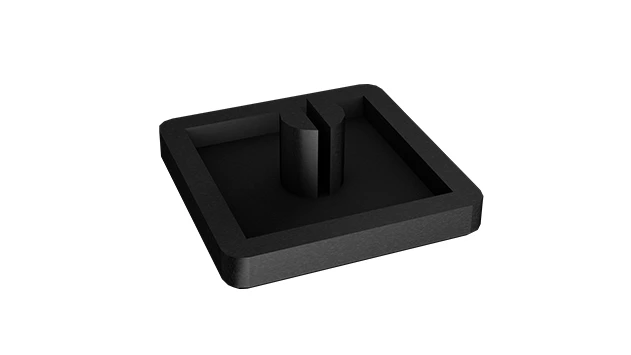
When it comes to building with aluminum profiles, it's easy to get caught up in the big components—the beams, the brackets, the panels. But anyone who's worked with these systems knows: the small parts matter just as much. Take the 2020 aluminum profile end cap, for example. At first glance, it might seem like a piece of plastic or rubber, but these little caps play a huge role in keeping your aluminum profile setup safe, functional, and looking sharp. Whether you're a hobbyist building a garage workbench or a manufacturer designing an industrial production line, understanding the ins and outs of 2020 aluminum profile end caps can save you time, money, and headaches down the line. In this guide, we've rounded up the most common questions we get from customers, contractors, and DIY enthusiasts about these essential aluminum profile accessories. Let's dive in.
1. What Exactly Are 2020 Aluminum Profile End Caps, and Why Are They Essential?
Let's start with the basics: A 2020 aluminum profile end cap is a small, usually cylindrical or flat accessory designed to fit snugly over the exposed ends of 2020 aluminum profiles. If you're new to aluminum profiles, "2020" refers to the profile's cross-sectional dimensions—typically 20mm by 20mm (though exact measurements can vary slightly by manufacturer). These profiles are everywhere: in workbenches, shelving units, machine guards, 3D printer frames, and even retail displays. Their popularity comes from their versatility, strength, and the T-slots that run along their length, which let you attach brackets, panels, and other accessories.
Now, why add an end cap? Imagine a 2020 aluminum profile fresh from the factory. Its ends are often cut with a saw, leaving sharp edges or burrs. Without an end cap, those edges can snag on clothing, scratch surfaces, or even cut skin—especially in high-traffic areas like workshops or retail spaces. Beyond safety, end caps seal off the hollow interior of the profile, keeping out dust, dirt, and moisture. Over time, debris in the profile can corrode the aluminum or jam the T-slots, making it harder to attach accessories later. And let's not forget aesthetics: A profile with a ragged, unfinished end sticks out like a sore thumb, while a clean end cap gives the whole setup a polished, professional look.
Think of it this way: You wouldn't leave a raw edge on a wooden shelf, right? You'd sand it or add trim. End caps do the same for aluminum profiles—they're the "trim" that finishes the job. Even in industrial settings where looks might seem secondary, the functional benefits (reduced maintenance, safer workspaces) make them a must-have.
2. What Materials Are 2020 Aluminum Profile End Caps Typically Made Of, and How Do They Impact Performance?
Not all end caps are created equal—and a big part of that comes down to materials. Most 2020 aluminum profile end caps are made from one of four materials: plastic (PVC or nylon), rubber, aluminum, or sometimes a composite blend. Each has its own strengths, weaknesses, and best-use scenarios, so choosing the right one depends on your project's needs.
Plastic (PVC/Nylon): By far the most common material, plastic end caps are lightweight, affordable, and come in a range of colors (think black, white, gray, or even custom hues for branding). PVC is flexible and easy to install—you can often press it on by hand without tools. Nylon, a more durable plastic, holds up better to impact and temperature changes, making it a good choice for industrial environments where the profile might get bumped or exposed to heat. The downside? Plastic can crack if overtightened or exposed to extreme cold for long periods.
Rubber: Rubber end caps are all about sealing and shock absorption. They're softer than plastic, so they conform tightly to the profile's end, blocking out moisture, dust, and even noise (useful if the profile is part of a machine that vibrates). Rubber is also non-slip, which can be handy if the profile is used as a handle or grip. However, rubber is less rigid than plastic, so it might not hold its shape as well in high-stress applications. It's also more prone to UV damage, so avoid it for outdoor projects unless it's UV-resistant.
Aluminum: For a sleek, industrial look, aluminum end caps are the way to go. They match the profile's material, creating a seamless aesthetic, and they're incredibly durable—resistant to dents, corrosion (if anodized), and high temperatures. They're often used in high-end applications like medical equipment or architectural displays where appearance and longevity are key. The catch? Aluminum end caps are heavier and pricier than plastic, and they require tools to install (usually a set screw to hold them in place). They also don't seal as well as rubber, so you might need a T-slot rubber seal cover or aluminum profile rubber strip to block debris.
Composites: Some manufacturers offer hybrid end caps, like plastic with a rubber O-ring for better sealing, or aluminum-reinforced plastic for added strength. These are great for niche projects but can be harder to find and more expensive than standard options.
| Material | Key Properties | Best For | Price Range (per unit) | Durability |
|---|---|---|---|---|
| PVC Plastic | Lightweight, flexible, easy to install | Indoor projects, DIY builds, low-cost setups | $0.50–$2.00 | Medium (prone to cracking in cold) |
| Nylon Plastic | Impact-resistant, temperature-stable | Industrial workbenches, machine frames | $1.00–$3.00 | High |
| Rubber | Seals well, shock-absorbent, non-slip | Moist environments, vibrating machinery | $1.50–$4.00 | Medium (UV-sensitive) |
| Aluminum | Durable, corrosion-resistant, sleek appearance | High-end displays, medical equipment, architectural use | $3.00–$8.00 | Very High |
To sum up: For most projects, plastic (PVC or nylon) is the go-to. If you need sealing, rubber works. For looks and durability, splurge on aluminum. And if you're not sure, ask your aluminum profile supplier—they can recommend the best material for your specific use case.

3. How Do I Choose the Right 2020 Aluminum Profile End Cap for My Project?
Choosing an end cap isn't just about picking a material—it's about matching the cap to your profile, your environment, and your goals. Here's a step-by-step breakdown to help you decide:
Step 1: Confirm Your Profile Type Not all 2020 profiles are identical. The two main standards are EU (European) and national (e.g., Chinese) standards, and their end dimensions can differ slightly. For example, an EU standard 2020 profile might have rounded edges, while a national standard 2020 profile could have square edges. An end cap designed for one might not fit the other—even if they're both "2020." Always check the profile's specifications (or measure the end diameter) before buying. Most suppliers list compatible profile types in the product description, so look for terms like "EU standard 2020" or "national standard 2020."
Step 2: Consider the Environment Where will the profile be used? Indoor or outdoor? Dry or humid? Hot or cold? For outdoor use, you'll need UV-resistant materials (nylon or anodized aluminum work best). For humid areas (like a kitchen or lab), rubber or sealed plastic end caps will block moisture. If the profile is near heat sources (ovens, engines), avoid PVC (it can melt) and opt for nylon or aluminum.
Step 3: Think About Function What does the end cap need to do? If it's purely decorative, plastic or aluminum works. If it needs to seal, go with rubber or a plastic cap with a built-in gasket. If the profile is in a high-traffic area (like a workshop aisle), impact-resistant nylon or aluminum will hold up better than fragile PVC. For ESD (electrostatic discharge) environments (common in electronics manufacturing), look for conductive end caps (usually carbon-filled plastic) to prevent static buildup.
Step 4: Don't Overlook Aesthetics Color and style matter, especially in visible projects like retail displays or office furniture. Most plastic end caps come in standard colors (black, white, gray) that blend in, but some suppliers offer custom colors to match your brand or decor. Aluminum end caps, as mentioned, match the profile's finish, creating a cohesive look. If the profile has a brushed or anodized finish, an aluminum end cap will complement it better than plastic.
Step 5: Check Compatibility with Other Accessories If your profile uses T-slot accessories like brackets or panels, make sure the end cap doesn't block the T-slot. Some end caps are designed to sit flush with the profile's surface, leaving the T-slot open, while others might cover part of it. Similarly, if you're using a T-slot rubber seal cover to seal the T-slot along the profile's length, ensure the end cap works with it—some rubber end caps have a groove that the seal cover fits into, creating a fully sealed system.

4. How Do I Install 2020 Aluminum Profile End Caps, and What Tools Do I Need?
Installing 2020 aluminum profile end caps is usually straightforward, but the process varies a bit by material. Let's walk through the steps for the most common types, plus pro tips to avoid mistakes.
Plastic End Caps (PVC/Nylon): These are the easiest to install—no tools required in most cases. Start by cleaning the profile's end with a dry cloth to remove dust or debris (a clean surface ensures a tight fit). If the end has burrs (tiny metal shavings from cutting), gently sand them down with fine-grit sandpaper—burrs can tear the end cap or prevent it from seating properly. Then, align the end cap with the profile's end (make sure it's right-side up—some have a lip that faces outward). Press firmly with your thumbs, applying even pressure around the edges. You should feel it "pop" into place. If it's tight, tap the end cap lightly with a rubber mallet (don't use a metal hammer—you'll crack the plastic). Avoid over-pressing, though—PVC can split if forced.
Rubber End Caps: Rubber is stretchy, so installation is similar to plastic but might require a little more force. Warm the end cap in your hands for a few seconds first—heat makes rubber more pliable. Then, stretch it slightly as you align it with the profile's end, and press it on. The rubber will shrink back, creating a tight seal. If it's still too hard to install, apply a tiny bit of soapy water to the profile's end (it acts as a lubricant) and wipe off excess after installation.
Aluminum End Caps: Aluminum end caps are the most involved to install. They usually have a set screw (a small screw that tightens against the profile's interior) to hold them in place. Start by inserting the end cap into the profile's end—most are designed to fit snugly, so you might need to tap it with a rubber mallet. Then, using a hex key (the size depends on the screw), tighten the set screw until it's snug against the profile's inner wall. Don't overtighten—you could strip the screw or dent the profile. Some aluminum end caps also have a rubber O-ring inside for better sealing; make sure that's in place before inserting the cap.
Common Installation Mistakes to Avoid:
- Ignoring burrs: Sharp burrs can tear plastic or rubber end caps during installation. Always sand them first.
- Overtightening: For plastic caps, pressing too hard can crack them. For aluminum caps, over-tightening the set screw can strip the threads or warp the profile.
- Mismatched sizes: A cap that's too small won't stay on; one that's too big will fall off. Double-check the profile's end dimensions before buying.
- Forgetting to clean: Dust or grease on the profile's end will prevent the cap from adhering properly, leading to loosening over time.
5. How Long Do 2020 Aluminum Profile End Caps Last, and When Should I replace Them?
The lifespan of a 2020 aluminum profile end cap depends on the material, environment, and usage—but with proper care, most will last 3–10 years. Here's what to expect from each material, plus signs it's time for a replacement:
Plastic (PVC/Nylon): PVC end caps typically last 3–5 years indoors. They can degrade faster in sunlight (UV rays make them brittle) or extreme temperatures (cold cracks them, heat warps them). Nylon end caps, being more durable, can last 5–7 years, even in industrial settings. Signs to replace: cracks, chips, or warping (the cap no longer fits snugly). If the cap starts to fall off on its own, it's definitely time.
Rubber: Rubber end caps have a shorter lifespan—usually 2–4 years—because they're prone to drying out (called "dry rot") and UV damage. Indoor rubber caps might last longer (5+ years) if kept away from heat and light. Signs to replace: cracking, hardening, or shrinking (the cap no longer seals, and you can see gaps around the profile's end). If the rubber feels stiff or crumbly, it's done.
Aluminum: Aluminum end caps are the workhorses—they can last 10+ years, even outdoors (if anodized to resist corrosion). The only parts that might fail are the set screws (they can rust) or O-rings (if used). Signs to replace: heavy corrosion (pitting or discoloration that won't clean off), stripped set screws, or a loose fit (the cap wobbles even when tightened).
Extending End Cap Life: A little maintenance goes a long way. For plastic and rubber caps, wipe them down occasionally with a damp cloth to remove dust and debris. Avoid harsh cleaners (like bleach or solvents)—mild soap and water work best. For outdoor plastic caps, apply a UV protectant spray (like those used for plastic patio furniture) once a year. For aluminum caps, clean them with a metal polish to remove oxidation and reapply a clear coat if the anodization wears off.
6. Are There Customization Options for 2020 Aluminum Profile End Caps?
Absolutely—while most end caps are sold as "off-the-shelf" products, many suppliers offer customization for projects that need something specific. Whether you need a unique color, logo, or special feature, here's what's possible:
Custom Colors: Plastic end caps can be dyed or molded in custom colors to match your brand, decor, or project theme. Minimum order quantities (MOQs) apply—usually 500+ units—but some suppliers will do smaller runs for a premium. Aluminum end caps can be anodized in custom colors (red, blue, gold, etc.) for a high-end finish.
Logos or Branding: Want to add a company logo or part number to the end cap? Plastic caps can be pad-printed, laser-etched, or molded with raised lettering (great for permanent branding). Aluminum caps can be laser-etched or engraved for a sleek, professional look. MOQs are higher for molded logos (since it requires a custom mold), but printing or etching often has lower minimums.
Special Features: Need a vented end cap (to allow air flow in a sealed profile)? A conductive cap for ESD environments? A magnetic cap (to attach tools or accessories)? Suppliers can modify end caps with holes, slots, conductive additives, or magnets—though this usually requires a custom design and higher MOQs. For example, a manufacturer building cleanroom equipment might order end caps with built-in filters to keep dust out of the profile.
Non-Standard Sizes or Shapes: If your 2020 profile has a non-standard end (e.g., beveled edges, extra-thick walls), suppliers can create custom end caps to match. This is common in architectural or aerospace projects where profiles are modified for specific loads or aesthetics. Expect to provide detailed drawings (CAD files work best) and pay for tooling (molds or dies) upfront.
Working with Suppliers: Custom end caps aren't cheap or fast—lead times can be 4–8 weeks, and costs are higher than off-the-shelf options. But if your project needs something unique, it's worth the investment. When reaching out to a supplier, be clear about: material, quantity, desired features (color, logo, etc.), environment (indoor/outdoor, temperature, etc.), and deadline. Most suppliers will provide a sample before full production, so you can test the cap's fit and function.
7. Where Can I Buy 2020 Aluminum Profile End Caps, and How Do I Choose a Reliable Supplier?
2020 aluminum profile end caps are widely available, but not all suppliers are created equal. Where you buy depends on your needs: quantity, budget, and whether you need customization or fast shipping. Here's a breakdown of the best options, plus tips to find a reliable supplier:
Online Retailers (e.g., Amazon, eBay): Great for small quantities (1–100 units) and fast shipping. You'll find a mix of generic and brand-name end caps, with prices starting around $0.50 each. The downside? Quality can be hit-or-miss—generic caps might not fit standard profiles perfectly, and returns can be a hassle. Stick to sellers with high ratings and read reviews carefully (look for comments about fit and durability).
Industrial Suppliers (e.g., McMaster-Carr, Grainger): These are go-to for professionals who need reliable, high-quality end caps. They stock major brands (like Bosch Rexroth or Item) and offer detailed specs (compatible profile types, material certifications). Prices are higher than online retailers, but you get consistency and fast shipping (often next-day). They're ideal for medium quantities (100–500 units) and projects where quality can't be compromised.
Aluminum Profile Specialists: Companies that focus on aluminum profiles and accessories (like your local aluminum profile supplier) are the best bet for large quantities, custom orders, or expert advice. They'll help you match end caps to your specific profile (EU vs. national standard, etc.) and often offer bulk discounts. Many also stock complementary accessories like T-slot rubber seal covers, aluminum profile rubber strips, and brackets, so you can buy everything in one place.
Choosing a Reliable Supplier:
- Check for Certifications: Reputable suppliers will have quality certifications (ISO 9001 is common) and material safety data sheets (SDS) for end caps. This is especially important if you're using the caps in regulated industries (medical, food processing, etc.).
- Ask About Lead Times: If you need end caps quickly, confirm shipping times upfront. Online retailers and industrial suppliers are fastest for standard caps; custom orders can take months.
- Request Samples: Before buying in bulk, order a few samples to test fit and quality. A good supplier will send samples for free or a small fee (refunded with a large order).
- Read the Fine Print: Check return policies (can you return unused caps if they don't fit?), warranty (do they guarantee against defects?), and shipping costs (bulk orders might qualify for free shipping).
Remember: The cheapest end cap isn't always the best deal. A poorly fitting or low-quality cap can cost more in the long run (replacements, repairs, safety issues). Invest in a reliable supplier, and you'll save time and stress.
8. Are There Alternatives to 2020 Aluminum Profile End Caps?
In a pinch, you might wonder if there's a DIY alternative to buying end caps—and while we always recommend using purpose-made end caps for safety and performance, there are temporary fixes if you're in a bind. Just keep in mind: these are not long-term solutions, and they won't offer the same protection or durability as real end caps.
Heat Shrink Tubing: For a quick seal, slide a piece of heat shrink tubing over the profile's end and shrink it with a heat gun. It will cover sharp edges and block dust, but it's thin and prone to tearing. Best for temporary indoor use (e.g., a prototype that will be replaced soon).
Electrical Tape: Wrapping the end with electrical tape can blunt sharp edges, but it's messy, doesn't seal well, and peels off easily. Only use this as a last resort (e.g., during a repair).
Wooden Plugs: Carving a wooden plug to fit the profile's end can work for aesthetics, but wood absorbs moisture and rots over time. It's also heavier than plastic and won't seal T-slots.
The bottom line: There's no substitute for a proper 2020 aluminum profile end cap. They're affordable, easy to install, and designed to work with your profile—so skip the DIY hacks and invest in the real thing.
Final Thoughts: Why Small Parts Like End Caps Matter
At the end of the day, 2020 aluminum profile end caps are a small part of a bigger system—but they play a huge role in making that system safe, functional, and long-lasting. Whether you're building a simple workbench or a complex industrial setup, taking the time to choose the right end cap (material, fit, features) will pay off in fewer repairs, safer workspaces, and a polished final product.
Remember: When in doubt, ask for help. Your aluminum profile supplier or a trusted industry expert can guide you to the perfect end cap for your project. And don't forget to stock up on complementary accessories like T-slot rubber seal covers or aluminum profile rubber strips—they'll work with your end caps to keep your aluminum profile system running smoothly for years to come.