- Company Articles
- FAQ
- FAQ
- FAQs About 3030 Aluminum Profile End Caps: Answered by Experts

FAQs About 3030 Aluminum Profile End Caps: Answered by Experts
Related Product
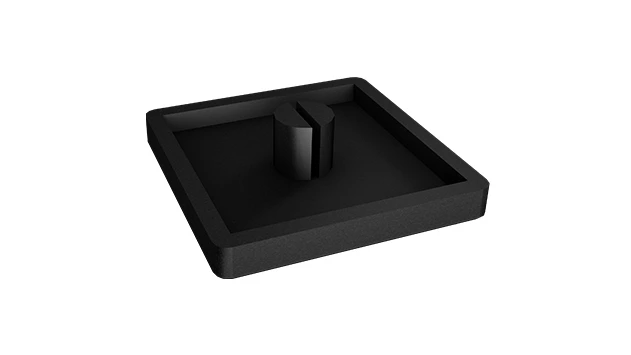
3030 Aluminum Profile End Cap
The aluminum profile end cap adds a finishing touch to your project and closes off profile ends to limit dust and debris buildup, also it can avaid some scratch for material and labor during the assemble work.
Walk into any modern manufacturing facility, workshop, or even a tech startup's prototyping lab, and you'll likely spot aluminum profiles hard at work. These versatile, lightweight structures form the backbone of workbenches, material racks, conveyor systems, and more—quietly powering efficiency across industries. But if aluminum profiles are the "bones" of these setups, then the small, often-overlooked components that finish them off are the "skin" that keeps everything protected, safe, and looking professional. Among these unsung heroes? The 3030 aluminum profile end cap.
If you've ever worked with 3030 aluminum profiles, you've probably wondered:
What exactly do these end caps do?
Are they really necessary?
Can I mix and match them with other sizes?
We've fielded these questions (and more) from engineers, DIY enthusiasts, and facility managers alike. To clear the air, we sat down with industry experts who eat, sleep, and breathe aluminum profile accessories—from rubber strips to t-slot covers—to break down everything you need to know about 3030 aluminum profile end caps. Let's dive in.
1. What Are 3030 Aluminum Profile End Caps, Anyway? Let's Start with the Basics.
Let's keep it simple: A 3030 aluminum profile end cap is a small, typically plastic or nylon cover designed to fit snugly over the exposed end of a 3030 aluminum profile. If you're new to aluminum profiles, "3030" refers to the cross-sectional dimensions—30mm by 30mm—making these profiles a popular choice for medium-duty applications like workbenches, shelving, and light-duty machinery frames.
Think of it like a cap for a pen: Just as a pen cap protects the nib and keeps ink from drying out, an end cap shields the raw edge of an aluminum profile. But unlike a pen cap, these little components are engineered to stay put, even in high-vibration environments. Most end caps are "press-fit," meaning they're designed to snap into place without screws or adhesives, though some heavier-duty versions might use a small set screw for extra security.
"End caps are one of those components that people don't appreciate until they're missing," says Maria Gonzalez, a product engineer at a leading aluminum profile supplier. "They're small, but they play a huge role in both function and safety."
2. Okay, They Cover the Ends—But Why Bother? Are 3030 End Caps Really Necessary?
Short answer: Yes. Long answer? Let's break down the three big reasons experts swear by them:
Safety First:
Aluminum profiles are cut to length during installation, leaving raw, sometimes sharp edges. "We've seen too many cases where workers brush against an exposed profile end and get a nasty cut," warns James Chen, a safety consultant for manufacturing facilities. "Even a minor nick can lead to downtime, not to mention OSHA violations. End caps turn those sharp edges into smooth, rounded surfaces—no more Band-Aids required."
Protection Against the Elements (and Debris):
Aluminum profiles have t-slots—those long, narrow grooves running along their length—that let you attach accessories like brackets, shelves, or tools. But if the ends of the profile are left open, dust, dirt, metal shavings, or even liquids can sneak into those t-slots. Over time, this buildup can jam accessories, corrode the aluminum, or make adjustments a headache. "Imagine trying to slide a bracket into a t-slot packed with sawdust," says Gonzalez. "End caps seal the deal, keeping the inside of the profile clean and functional."
Aesthetics and Professionalism:
Let's face it—exposed, raw aluminum ends look unfinished. Whether you're building a customer-facing display or a workshop bench, end caps give your setup a polished, intentional look. "We had a client who skipped end caps on their demo workbench at a trade show," recalls Chen. "Prospects kept pointing out the 'unfinished' edges, even though the bench itself was well-designed. First impressions matter, and end caps are an easy way to elevate the look."

3. What Are 3030 End Caps Made Of? Does the Material Even Matter?
Most 3030 aluminum profile end caps are made from plastic or nylon, though you might occasionally find metal (like aluminum or stainless steel) versions for specialized applications. Let's unpack the pros and cons of the most common materials:
Nylon:
The gold standard for general use. Nylon is tough, chemical-resistant, and has just enough flexibility to snap into place securely without cracking. It's also heat-resistant (up to about 80°C/176°F), making it suitable for indoor environments like factories or labs. "Nylon end caps are our go-to for 90% of applications," says Gonzalez. "They balance durability, cost, and ease of installation perfectly."
Polypropylene (PP):
Slightly stiffer than nylon, PP end caps are often used in lighter-duty setups or where cost is a priority. They're less resistant to high temperatures and chemicals, so they're best for indoor, low-abrasion environments (think: office shelving or hobbyist workbenches).
Metal (Aluminum/Stainless Steel):
Rare, but useful for heavy-industry or outdoor applications. Metal end caps won't crack under impact and can withstand extreme temperatures, but they're heavier, more expensive, and require screws to install (no press-fit here). "We only recommend metal end caps if the profile is exposed to harsh weather, heavy machinery vibration, or corrosive chemicals," notes Chen. "For most users, nylon is more than enough."
The takeaway? Material matters most when it comes to environment. If you're setting up a workbench in a climate-controlled factory, stick with nylon. If you're building an outdoor tool rack, ask your supplier about stainless steel options.

4. How Do I Install 3030 Aluminum Profile End Caps? Is It a DIY Job, or Do I Need a Pro?
Good news: Installing 3030 end caps is one of the easiest aluminum profile tasks out there—no professional experience required. Here's a step-by-step guide straight from the experts:
Step 1: Prep the Profile End
Start by cleaning the end of the 3030 profile. Wipe away any dust, metal shavings, or debris with a dry cloth—even a tiny speck can prevent the end cap from seating properly. If the cut edge is rough (common with DIY hacksaws), gently file it with fine-grit sandpaper to smooth out burrs. "A rough edge is the number one reason end caps pop off later," Gonzalez advises. "Take 30 seconds to sand it, and you'll save yourself frustration down the line."
Step 2: Align the End Cap
Hold the end cap up to the profile end and check that the tabs or prongs (the small plastic extensions that grip the inside of the profile) are aligned with the t-slots. Most end caps have notches that match the profile's t-slot pattern—this ensures a snug fit. "If it looks like it's (crooked), don't force it," says Chen. "Misalignment can bend the tabs or crack the cap."
Step 3: Press (or Tap) It Into Place
Once aligned, apply even pressure with your palms to push the end cap onto the profile. It should "snap" into place with a satisfying click. If it's tight, gently tap the center of the end cap with a rubber mallet (never a metal hammer—you'll crack the plastic!). Avoid tapping the edges, as this can warp the cap.
Pro Tip:
If you're installing end caps in cold weather, warm the cap in your hands for 10-15 seconds first. Plastic becomes stiffer in the cold, and a little warmth makes it more flexible for easier installation.
5. Can I Use 3030 End Caps with Other Profile Sizes? (e.g., 2020, 4040, or 4080)
Here's the golden rule of aluminum profile end caps:
Size matters—always match the end cap to the profile size.
A 3030 end cap is designed for 30mm x 30mm profiles, period. Using a 2020 end cap on a 3030 profile will leave gaps (and exposed edges), while forcing a 4040 cap onto a 3030 profile will crack the cap or damage the profile's end.
To illustrate, let's compare common end cap sizes side by side:
| End Cap Size | Profile Dimensions | Typical Applications | Key Features |
|---|---|---|---|
| 2020 Aluminum Profile End Cap | 20mm x 20mm | Light-duty shelving, small workbenches, 3D printer frames | Small, lightweight; ideal for tight spaces |
| 3030 Aluminum Profile End Cap | 30mm x 30mm | Medium-duty workbenches, material racks, conveyor frames | Balances strength and weight; most versatile size |
| 4040 Aluminum Profile End Cap | 40mm x 40mm | Heavy-duty machinery, industrial workbenches, large storage racks | Thicker walls; designed for high weight loads |
| 4080 Aluminum Profile End Cap | 40mm x 80mm | Large conveyor systems, automated production lines, heavy shelving | Oblong shape; maximizes surface area for attaching accessories |
"We once had a customer who tried to use 3030 end caps on 4040 profiles to 'save money,'" laughs Gonzalez. "They cracked half the caps during installation and had to replace both the caps and the damaged profile ends. It ended up costing them twice as much as just buying the right size."
The bottom line: Always check the profile size (stamped on the side of most aluminum profiles) before ordering end caps. If you're unsure, send a photo to your supplier—they'll help you find the perfect match.
6. How Do 3030 End Caps Work with Other Aluminum Profile Accessories, Like Rubber Strips or T-Slot Seal Covers?
Aluminum profile setups are rarely "just" profiles and end caps—they're often paired with accessories like aluminum profile rubber strips and t-slot rubber seal covers to boost functionality. So how do end caps fit into this ecosystem? Think of it as a team effort:
Aluminum Profile Rubber Strips:
These flexible strips slide into the t-slots along the length of the profile, sealing gaps to prevent dust, debris, or small tools from falling into the slots. They also dampen noise (useful for conveyor systems!) and protect wires or hoses run through the slots.
T-Slot Rubber Seal Covers:
Similar to rubber strips but designed for larger t-slots, these covers create a smooth, finished surface over unused slots, adding a clean look and extra safety (no more catching fingers on slot edges!).
Now, where do end caps come in? "Rubber strips and seal covers protect the
length
of the profile, while end caps protect the
ends
," explains Chen. "Together, they create a fully sealed system. For example, in a cleanroom environment, we'll spec rubber strips to seal t-slots and end caps to seal the profile ends—this prevents contaminants from getting inside the profiles and compromising the workspace."
Installation order matters, too: Always install rubber strips and seal covers
before
end caps. This way, the end cap presses down gently on the strip, creating a tighter seal. "If you install end caps first, you might accidentally push the rubber strip out of place when sliding it into the slot," notes Gonzalez. "Doing it in the right order saves time and ensures a better seal."
7. I Noticed Some End Caps Have Holes—What's the Deal with Those?
Great eye! If you've seen 3030 end caps with small holes, you're looking at either
vented
or
mounting
end caps—two specialized designs with unique purposes.
Vented End Caps:
These have tiny holes (usually 2-3mm in diameter) drilled into the top or side. Why? Air pressure. When aluminum profiles are used in enclosed systems (like a cabinet or a sealed machine frame), temperature changes can cause air inside the profile to expand or contract, creating pressure that can pop loose standard end caps. Vented caps equalize this pressure, keeping the cap securely in place. "We recommend vented end caps for any profile that's part of a closed system—think: a weatherproof outdoor enclosure or a machine with internal wiring," says Gonzalez.
Mounting End Caps:
These have larger holes (5mm or more) designed for screws or bolts. They're used when you need to attach something directly to the end of the profile—like a small bracket, a label, or a caster wheel. For example, if you're building a mobile workbench, you might use mounting end caps to attach casters to the bottom of the 3030 profile legs. "Mounting end caps turn the profile end into a functional surface," Chen explains. "Just make sure the screws you use are short enough—you don't want them poking through the inside of the profile and damaging wires or accessories."
Most end caps are "solid" (no holes), so if you need vented or mounting versions, you'll have to ask your supplier specifically. They're not always in stock, but they're worth the wait for specialized setups.
8. What Are Common Problems with 3030 End Caps, and How Do I Fix Them?
For such small components, end caps can cause surprisingly big headaches when things go wrong. Here are the most common issues experts see—and how to solve them:
Problem: End Cap Won't Stay On (Keeps Popping Off)
Cause:
The most likely culprit is a dirty or rough profile end. Dust, oil, or burrs prevent the cap from gripping properly.
Fix:
Clean the profile end with rubbing alcohol and a cloth, then gently sand any burrs with fine-grit sandpaper. If it still pops off, check if the cap is warped (common with cheap PP caps)—replace it with a new nylon cap.
Problem: End Cap Cracks When Installing
Cause:
Forcing a misaligned cap or using a metal hammer (never do this!). Nylon is flexible, but it has its limits.
Fix:
Align the cap so the tabs match the t-slots, then press firmly but evenly. If it's tight, tap gently with a rubber mallet (wrap the cap in a cloth first to avoid scuffs). If it still cracks, you may have the wrong size—double-check the profile dimensions.
Problem: End Cap Is Too Loose (Wiggles Even After Installation)
Cause:
Either the cap is worn (common in older setups) or it's the wrong size (e.g., using a 3030 cap on a 3030 profile with extra-thin walls).
Fix:
replace the cap with a new one from a reputable supplier—cheap, off-brand caps often have inconsistent sizing. If the profile has thin walls (uncommon in standard 3030 profiles), ask for "oversized" end caps designed for tight fits.
Problem: Can't Remove an Old End Cap (Stuck Tight)
Cause:
The cap has fused to the profile over time (common with PP caps in high-heat environments) or was installed with adhesive (a last-resort hack we don't recommend).
Fix:
Heat the cap with a hairdryer for 10-15 seconds to soften the plastic, then gently pry it off with a flathead screwdriver wrapped in tape (to avoid scratching the profile). If adhesive was used, apply rubbing alcohol to dissolve it first.
9. How Long Do 3030 End Caps Last? When Should I replace Them?
In ideal conditions (indoor, low-abrasion, no extreme temperatures), a good-quality nylon 3030 end cap should last 5-10 years. PP caps might start to degrade after 3-5 years (look for brittleness or discoloration), while metal caps can last decades.
But "ideal conditions" are rare. Here are the signs it's time to replace your end caps:
Cracks or Chips:
Even small cracks can let in dust or compromise safety (sharp edges may peek through). replace immediately.
Brittleness:
If the cap feels hard and crumbly to the touch (common with PP caps in sunlight or high heat), it's losing elasticity and will soon crack.
Looseness:
If the cap wiggles or falls off with minimal pressure, the tabs are worn out—replace it before debris gets into the profile.
Discoloration:
Fading or yellowing (especially in nylon caps) is a sign of UV damage or chemical exposure. The cap may still work, but it's weaker than when new.
"We tell customers to inspect end caps during routine maintenance—say, every 6 months," advises Chen. "They're cheap to replace, so it's better to swap out a questionable cap now than deal with a safety issue or damaged profile later."
10. How Do I Choose a Reliable Supplier for 3030 Aluminum Profile End Caps?
Not all end caps are created equal—and neither are suppliers. A quick Amazon search will turn up dozens of cheap, generic options, but experts warn these can cause more problems than they solve. Here's what to look for in a supplier:
Material Transparency:
Reputable suppliers will clearly state the material (nylon, PP, etc.) and even the grade (e.g., "nylon 6/6" for high durability). Avoid suppliers that just say "plastic"—it's a red flag for low-quality material.
Size Consistency:
Cheap end caps often have inconsistent dimensions, leading to loose or tight fits. Ask if the supplier uses precision molding (most do) and if they offer samples—testing a few caps before buying in bulk can save you headaches.
Range of Options:
A good supplier should carry standard, vented, and mounting end caps, plus complementary accessories like aluminum profile rubber strips and t-slot covers. This way, you can source everything from one place, ensuring compatibility.
Customer Support:
"If a supplier can't answer basic questions about material heat resistance or installation, walk away," says Gonzalez. "The best suppliers have technical teams who can help you choose the right cap for your application—even if that means telling you you don't need the expensive metal version."
Finally, don't sleep on reviews. Look for feedback from other industrial users (not just hobbyists) who mention durability and fit. A supplier with hundreds of 5-star reviews for "snug fit" and "no cracks" is worth the slightly higher price.
At the end of the day, 3030 aluminum profile end caps are a small investment with big returns: safety, protection, and a polished look for your aluminum profile setup. Whether you're building a workbench, a conveyor system, or a custom machine frame, these little components deserve just as much attention as the profiles themselves.
So the next time you're assembling with 3030 aluminum profiles, remember: The end caps aren't an afterthought—they're the finishing touch that makes your project truly complete.