- Company Articles
- FAQ
- FAQ
- FAQs About Aluminum Workbench C: Answering Buyer Questions

FAQs About Aluminum Workbench C: Answering Buyer Questions
Related Product
Aluminum Workbench C
aluminum-tube-workbench-is-more-flexible-and-durable,-compared-with-traditional-pe/abs-coated-steel-tube.-it-is-easy-to-assemble,-anti-corrosion,-rust-protection,-and-recycle-use-after-disassemble.
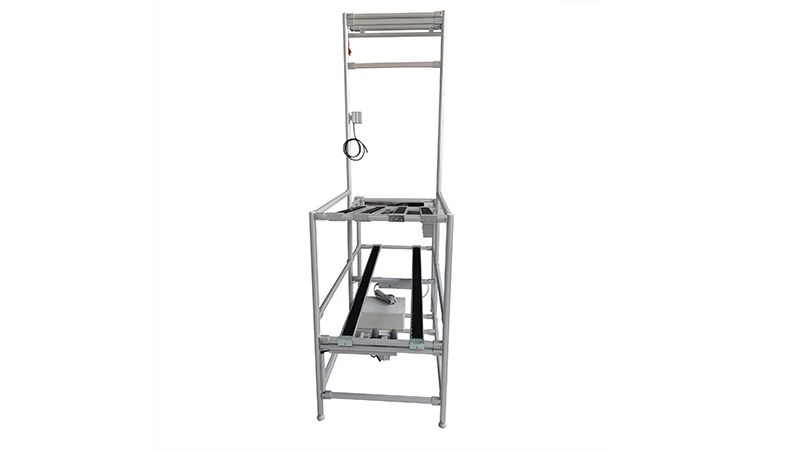
When it comes to setting up an efficient workspace—whether in a factory, workshop, or lab—choosing the right workbench is more than just picking a flat surface. It's about durability, adaptability, and how well it fits into your daily operations. If you've been researching industrial workbenches, you've likely come across Aluminum Workbench C . But with so many options on the market, it's normal to have questions: What makes it different? How sturdy is it? Can it grow with my business? In this guide, we're diving into the most common questions buyers ask about Aluminum Workbench C, breaking down the details in plain language to help you decide if it's the right fit for your needs.
Understanding Aluminum Workbench C
1. What exactly is Aluminum Workbench C, and how does it differ from other workbenches?
Aluminum Workbench C is a lightweight yet robust industrial workbench designed for versatility. Unlike traditional wooden or steel workbenches, it's built using aluminum profile —a material known for its strength-to-weight ratio, resistance to corrosion, and flexibility in assembly. What sets it apart? First, its modular design: the frame uses aluminum profiles with T-slots, which means you can easily add accessories like shelves, tool holders, or lighting without drilling holes. Second, it's engineered for lean systems: think minimal waste, easy reconfiguration, and a focus on workflow efficiency. While steel workbenches are heavy and hard to move, and wooden ones prone to warping or wear, Aluminum Workbench C strikes a balance—light enough to relocate (with the right casters) but tough enough for daily industrial use. It's also a popular choice for cleanrooms or labs because aluminum resists rust and is easy to sanitize, unlike porous wood.
2. What are the key dimensions and weight capacity of Aluminum Workbench C?
Let's get specific—dimensions and weight capacity are make-or-break for most buyers. Here's a quick breakdown of the standard specs (note: custom sizes are often available through suppliers):
| Feature | Standard Specification |
|---|---|
| Length | 1200mm (47.2 inches) – 1800mm (70.9 inches) |
| Width | 600mm (23.6 inches) – 800mm (31.5 inches) |
| Height | 800mm (31.5 inches) – 900mm (35.4 inches) (adjustable with leg extensions) |
| Tabletop Thickness | 18mm – 25mm (aluminum honeycomb or MDF with aluminum overlay) |
| Static Weight Capacity | 500kg – 800kg (1102 lbs – 1764 lbs) |
| Dynamic Weight Capacity (with casters) | 300kg – 500kg (661 lbs – 1102 lbs) |
Why the range in numbers? It depends on the aluminum profile thickness (typically 1.5mm – 2.0mm walls) and the tabletop material. For example, an aluminum honeycomb tabletop is lighter but still strong, while an MDF core with an aluminum skin adds durability for heavy tools. If you need a custom size—say, a longer bench for assembly lines or a narrower one for tight spaces—most suppliers can adjust length and width, though this may affect weight capacity. Always check with your supplier to match the specs to your needs—no one wants a bench that sags under a 300kg machine!
3. What materials are used in constructing Aluminum Workbench C?
At its core, Aluminum Workbench C relies on high-grade aluminum, but there's more to the story. Let's break down the components:
Frame:
The skeleton is made from
aluminum profile
—usually 40x40mm or 40x80mm extruded aluminum with T-slots. These profiles are lightweight but rigid, thanks to their hollow, ribbed design. They're also anodized (a chemical process) to resist scratches and corrosion, so they won't rust even in humid environments.
Tabletop:
Options here vary by supplier, but common choices include aluminum honeycomb panels (lightweight, excellent for even weight distribution), MDF with an aluminum or PVC overlay (budget-friendly and durable), or solid aluminum (heavy-duty for metalworking). Some models, like ESD workbenches, add a static-dissipative layer to protect sensitive electronics.
Joints & Connectors:
The frame is held together with
aluminum profile accessories
like corner brackets, T-slot nuts, and bolts. These accessories are designed for tool-free or easy assembly—no welding required. Many are made from aluminum or zinc-plated steel for strength.
Legs:
The legs are typically extended aluminum profiles with adjustable feet (rubber or plastic) to level the bench on uneven floors. For mobile setups, you can swap feet for
caster wheels
(more on that later!).
The result? A workbench that's resistant to dents, rust, and warping—ideal for busy environments where tools, parts, and machinery are constantly moved around.
Practical Use & Customization
4. Is Aluminum Workbench C easy to assemble, and do I need special tools?
If you've ever struggled with assembling furniture that came with a confusing manual and 50 tiny screws, you'll appreciate Aluminum Workbench C's design. Most models are engineered for "knock-down" assembly, meaning you can put it together with basic tools—or sometimes none at all. Here's how it works: the aluminum profiles connect using T-slot nuts and bolts, which slide into the slots on the profiles. You'll need a hex key (Allen wrench) to tighten the bolts, but that's usually included in the package. Some suppliers even offer pre-assembled frames, with only the tabletop and accessories needing attachment.
The key here is the modularity of
aluminum profile accessories
. Adding a shelf? Slide T-slot brackets into the frame, tighten the bolts, and place the shelf. Want to mount a monitor arm? Use a T-slot adapter. No drilling, no cutting, no frustration. Even if you're not "handy," most people can assemble a basic Aluminum Workbench C in 1–2 hours. If you're ordering a custom setup with lots of accessories, suppliers often provide assembly guides with step-by-step photos—no technical jargon required.
5. Can Aluminum Workbench C be customized with additional accessories?
Absolutely—that's where the magic of T-slot aluminum profiles comes in. Aluminum Workbench C is like a blank canvas for your workflow. Here are some of the most popular
aluminum profile accessories
buyers add:
Shelves & Drawers:
Adjustable shelves (single or double-tier) for storing parts or tools. Some shelves are even slotted to hold bins or dividers. Drawers (lockable or open) keep small items organized and out of the way.
Tool Racks & Holders:
Pegboards, magnetic strips, or custom tool holders that slide into the T-slots. Perfect for keeping frequently used tools within arm's reach.
Lighting:
LED light bars mounted under the upper shelf to brighten the workspace—critical for detailed tasks like electronics assembly.
Mobility Kits:
Caster wheels
(swivel or fixed, with or without brakes) to turn the bench into a mobile workstation. Look for casters rated for at least the bench's weight capacity plus your typical load.
ESD Protection:
For electronics manufacturing, add static-dissipative mats, wrist strap anchors, or grounding kits to prevent electrostatic discharge from damaging components.
Side Panels:
Acrylic or aluminum panels to create a semi-enclosed workspace (useful for containing small parts or reducing dust).
The best part? You don't have to decide everything upfront. Start with the basics, and add accessories as your needs change. Suppliers often sell accessory bundles, so you can save by buying shelves, casters, and tool holders together.
6. How mobile is Aluminum Workbench C? Can I add caster wheels?
Mobility depends on two things: the bench's weight and whether you add casters. A basic Aluminum Workbench C (without accessories) weighs around 40–60kg (88–132 lbs)—light enough for two people to move short distances. But for regular relocation (e.g., shifting between workstations in a factory), you'll want to add
caster wheels
.
When choosing casters, pay attention to three specs:
-
Load Rating:
Each caster should support at least 1/4 of the total weight (bench + typical load). For example, if your bench holds 300kg, get casters rated for 100kg each (to be safe).
-
Type:
Swivel casters (360° rotation) make maneuvering tight spaces easier; fixed casters keep the bench moving straight. Most buyers opt for a mix: two swivel with brakes, two fixed.
-
Floor Compatibility:
Rubber casters are gentle on concrete or tile, while polyurethane wheels work better on rough floors (like unfinished workshops). Avoid hard plastic wheels on smooth floors—they can scratch!
Installing casters is simple: remove the adjustable feet from the bench legs, screw the casters into the leg bases (most use standard bolt sizes), and you're done. Just remember: a mobile bench should still feel stable when in use. Lock the brakes when working to prevent sliding, and avoid overloading it—even heavy-duty casters can fail if pushed beyond their limits.

Durability & Maintenance
7. How durable is Aluminum Workbench C, and will it hold up in harsh environments?
Aluminum Workbench C is built to last, but its durability depends on how you use it. Let's start with the frame:
aluminum profile
is naturally resistant to corrosion, so it won't rust in humid or wet environments (unlike steel). It's also dent-resistant—though not indestructible. Dropping a heavy wrench might leave a mark, but it won't bend or crack like a plastic workbench. The anodized finish on the aluminum helps protect against scratches and chemical spills (think oils, solvents, or cleaning agents common in workshops).
The tabletop is the most vulnerable part, but even here, options exist. Aluminum honeycomb tabletops can handle impacts, while MDF with an aluminum overlay resists stains. For extreme environments—like factories with heavy debris or labs with corrosive chemicals—suppliers offer upgrade options, such as 3mm-thick solid aluminum tabletops or stainless steel overlays.
What about long-term wear? The T-slot connections in the frame are designed for repeated assembly and disassembly, so you can reconfigure the bench dozens of times without the joints wearing out. The only part you might need to replace over time?
Aluminum profile accessories
like bolts or brackets if they get stripped (but these are cheap and easy to source).
In short: With basic care, Aluminum Workbench C should last 10+ years in a typical industrial setting. In gentler environments (like offices or labs), it could easily serve you for 15+ years.
8. What kind of maintenance does Aluminum Workbench C require?
One of the perks of aluminum is low maintenance. Unlike wooden workbenches that need staining or steel ones that need painting to prevent rust, Aluminum Workbench C mostly takes care of itself. Here's what you'll need to do:
Cleaning:
Wipe the tabletop and frame with a damp cloth to remove dust, oil, or spills. For tough stains (like dried glue or grease), use a mild detergent—avoid abrasive cleaners, which can scratch the anodized finish. If you're using it in a lab or food-processing area, you can even sanitize it with alcohol wipes or disinfectant sprays.
Tightening Joints:
Over time, the bolts connecting the aluminum profiles might loosen (especially if the bench is moved often). Every 6–12 months, check the joints with a hex key and tighten any loose bolts. This keeps the frame stable and prevents wobbling.
Caster Care:
If you added
caster wheels
, clean the wheels regularly to remove debris (like hair or small screws) that can jam them. Lubricate the swivel joints with a few drops of oil once a year to keep them moving smoothly.
Tabletop Protection:
If you're using the bench for heavy or sharp tools, consider adding a rubber mat or cutting board to prevent scratches. For ESD tabletops, avoid using abrasive pads that can wear down the static-dissipative layer.
That's it! No complicated schedules, no expensive treatments—just basic upkeep to keep it in top shape.

Cost, Suppliers, & Lean Systems
9. How does Aluminum Workbench C fit into lean manufacturing systems?
Lean manufacturing is all about eliminating waste—whether it's time, space, or materials—and Aluminum Workbench C is designed with that philosophy in mind. Here's how it supports lean systems:
Modularity = Less Waste:
Instead of buying a new workbench when your needs change, you can reconfigure Aluminum Workbench C by adding/removing shelves or changing its layout. This reduces the waste of replacing entire workstations.
Workflow Efficiency:
The T-slot design lets you arrange tools and materials exactly where you need them (e.g., tools on one side, parts on the other), cutting down on time spent reaching or walking. This aligns with the lean principle of "5S" (Sort, Set in Order, Shine, Standardize, Sustain).
Space Optimization:
Aluminum Workbench C is compact yet functional. Its lightweight design means you can fit more workbenches in a smaller area without sacrificing durability. Mobile casters let you move benches out of the way when not in use, freeing up floor space.
Quick Changeovers:
In manufacturing, "changeover" is the time it takes to switch from producing one product to another. With Aluminum Workbench C, you can swap out accessories (e.g., tool holders, bins) in minutes, reducing downtime between jobs.
Visual Management:
The clean, uncluttered design makes it easy to implement visual cues—like color-coded bins or labels—so everyone knows where tools and parts belong. This reduces errors and speeds up training for new employees.
Many lean consultants recommend aluminum workbenches like Model C because they adapt to your processes, rather than forcing your processes to adapt to them. It's an investment in flexibility, which is key to staying competitive in fast-changing industries.
10. How does the cost of Aluminum Workbench C compare to other workbenches?
Aluminum Workbench C isn't the cheapest option upfront—but it often saves money in the long run. Let's break down the numbers:
Initial Cost:
A basic Aluminum Workbench C (without accessories) typically costs $300–$600, depending on size. Compare that to:
- Steel workbenches: $400–$800 (heavier, less customizable).
- Wooden workbenches: $200–$400 (cheaper but less durable).
- Plastic workbenches: $150–$300 (light but not industrial-grade).
So, aluminum is mid-range upfront. But add accessories, and the value becomes clearer. For example, a steel workbench might require welding to add a shelf ($100+ for a professional), while Aluminum Workbench C's T-slot shelves cost $50–$100 and take 10 minutes to install yourself.
Long-Term Savings:
Aluminum's durability means you won't need to replace it every 5 years like a wooden bench. Its modularity also reduces the need to buy new workbenches as your business grows—just add accessories. And because it's lightweight, moving it (if needed) doesn't require hiring a crew or renting equipment, saving on labor costs.
Total Cost of Ownership:
When you factor in maintenance (low for aluminum), customization (cheap and easy), and lifespan (10+ years), Aluminum Workbench C often ends up costing less per year than cheaper, shorter-lived options. For businesses focused on lean systems, the efficiency gains alone can justify the initial investment.
11. Where can I buy Aluminum Workbench C, and how do I choose a reliable supplier?
Aluminum Workbench C is sold by industrial supply companies, both online and offline. Start with a quick search for "aluminum workbench suppliers" or check platforms like Amazon Business, Alibaba, or Thomasnet for options. But not all suppliers are created equal—here's what to look for:
Customization Options:
A good supplier should let you tweak dimensions, tabletop materials, and accessories. Avoid "one-size-fits-all" sellers if you need something specific.
Quality of Materials:
Ask about the grade of aluminum (6061 or 6063 are common for profiles—strong and easy to extrude) and the thickness of the tabletop. Reputable suppliers will share specs upfront.
Reviews & References:
Look for customer reviews mentioning durability, assembly ease, and customer service. If possible, ask the supplier for references from businesses similar to yours.
Warranty:
A solid warranty (1–5 years) shows the supplier stands behind their product. Check what's covered—defects in materials? Workmanship?
Lead Times:
If you need the bench quickly, ask about stock availability. Custom orders may take 2–4 weeks, so plan ahead.
Support:
Do they offer assembly help or troubleshooting? A supplier with a responsive customer service team can save you headaches if you run into issues during setup.
Many suppliers also sell
aluminum profile accessories
and replacement parts, so it's convenient to buy everything from one source. Don't be afraid to ask for samples (e.g., a small aluminum profile or tabletop swatch) to test quality before ordering.

Final Considerations
12. Is Aluminum Workbench C suitable for my industry?
Aluminum Workbench C is versatile, but let's match it to common industries to see if it fits:
Manufacturing:
Perfect. Its durability and customization make it ideal for assembly lines, quality control stations, or tool rooms.
Electronics:
Yes—especially with ESD options to protect circuit boards and components.
Labs & Healthcare:
Great choice. Aluminum resists corrosion and is easy to sanitize, meeting strict cleanliness standards.
Automotive:
Works well for small-part assembly or repair stations. Add casters to move it alongside vehicles.
Woodworking/Metalworking:
For light to medium tasks (e.g., sanding, drilling), it's fine. For heavy hammering or welding, opt for a steel-top upgrade to avoid damaging the aluminum.
Offices/Retail:
Useful as a packing station, display table, or workbench for in-store repairs. Its sleek look also fits modern office aesthetics better than clunky steel benches.
The only industry where it might not shine? Heavy machinery repair, where you're regularly placing 500kg+ equipment on the bench. In that case, a steel-reinforced model or pure steel workbench would be better.
13. What should I do if I need to replace parts or accessories later?
No matter how durable a workbench is, parts can get lost, damaged, or worn over time. The good news:
aluminum profile accessories
and replacement parts are widely available. Here's how to get what you need:
Contact Your Original Supplier:
Start here—they'll have exact matches for your bench's profile size (e.g., 40x40mm) and accessories. Most keep replacement bolts, brackets, and tabletop panels in stock.
Generic Aluminum Profile Suppliers:
If your original supplier is out of business, look for companies that sell T-slot aluminum profiles and accessories (e.g., 80/20 Inc., Misumi, or local industrial suppliers). As long as you know your profile size (measure the width and height of the aluminum beams), you can find compatible parts.
Online Marketplaces:
Amazon, eBay, and Alibaba have countless sellers offering generic aluminum profile accessories. Just double-check the measurements (e.g., "40x40mm T-slot bracket") to ensure a fit.
Pro tip: Keep a record of your bench's specs (profile size, tabletop thickness, caster type) when you buy it. This will save time if you need parts later. And if you're ordering custom accessories, ask the supplier for a parts list or diagram—most are happy to provide one.