- Company Articles
- FAQ
- FAQ
- FAQs About End Support for Roller Track Placon Mount with Stop: Answered by Experts

FAQs About End Support for Roller Track Placon Mount with Stop: Answered by Experts
Related Product
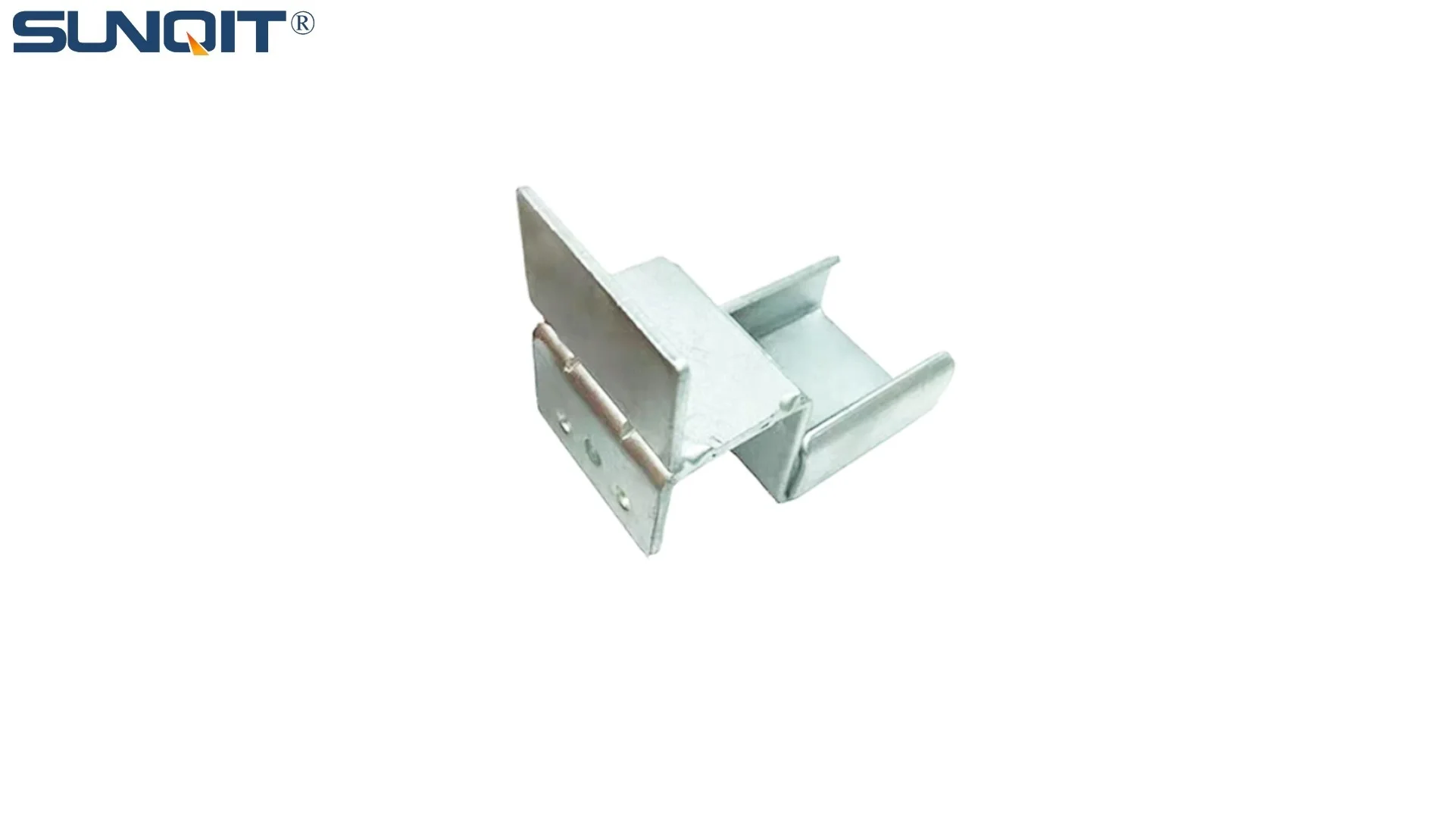
End Support for Roller Track Placon Mount with Stop
Roller track placon mount work as a connector for roller track and pipe or aluminum profile in rack syetem, it is a necessary parts in rack system which widely used in industrial plant and logistic,warehouse storage.
What Exactly Is an End Support for Roller Track Placon Mount with Stop?
Let's start with the basics. An
End Support for Roller Track Placon Mount with Stop
is a critical component in material handling systems, designed to anchor the end of a roller track while adding a built-in "stop" mechanism. Think of it as the reliable "bookend" for your roller track—keeping the track stable and preventing materials from sliding off the end during transport.
Unlike generic end supports, this specific model is engineered for "placon mount" systems, which means it attaches seamlessly to aluminum profiles or frames (common in lean manufacturing setups). The "stop" feature is a small but mighty addition: a raised lip or barrier at the end that gently halts boxes, components, or products as they reach the end of the track. This prevents damage, reduces waste, and keeps workflows smooth—whether you're moving circuit boards in a 3C assembly line or medical devices in a sterile warehouse.
At its core, it's part of a larger lean system : modular, durable, and designed to adapt to your changing needs. No more wobbly tracks or lost parts—this support turns your roller track into a controlled, efficient pathway for materials.
Unlike generic end supports, this specific model is engineered for "placon mount" systems, which means it attaches seamlessly to aluminum profiles or frames (common in lean manufacturing setups). The "stop" feature is a small but mighty addition: a raised lip or barrier at the end that gently halts boxes, components, or products as they reach the end of the track. This prevents damage, reduces waste, and keeps workflows smooth—whether you're moving circuit boards in a 3C assembly line or medical devices in a sterile warehouse.
At its core, it's part of a larger lean system : modular, durable, and designed to adapt to your changing needs. No more wobbly tracks or lost parts—this support turns your roller track into a controlled, efficient pathway for materials.
Why Is the "Stop" Feature Critical in End Supports for Roller Tracks?
You might wonder, "Can't I just use a regular end support and add a separate stop?" In theory, yes—but in practice, the integrated "stop" feature is a game-changer for three big reasons: safety, efficiency, and cost-savings.
First, safety . Without a built-in stop, materials can slide off the track unexpectedly, risking damage to products (like fragile 3C components or expensive medical tools) or even injuries to workers. The stop acts as a failsafe, ensuring items come to a gentle rest exactly where they're needed.
Second, efficiency . In fast-paced environments like production assemble lines, every second counts. A dedicated stop means workers don't have to manually catch or reposition items—they can focus on assembling, packing, or inspecting instead of chasing runaway parts. This cuts down on downtime and keeps your flow rack or conveyor system running like clockwork.
Third, cost-savings . Damaged products, rework, and workplace accidents all hit your bottom line. The stop feature reduces these risks upfront, saving you money long-term. Plus, since it's integrated into the support, you avoid the hassle (and cost) of buying and installing separate stops that might not fit or wear out quickly.
First, safety . Without a built-in stop, materials can slide off the track unexpectedly, risking damage to products (like fragile 3C components or expensive medical tools) or even injuries to workers. The stop acts as a failsafe, ensuring items come to a gentle rest exactly where they're needed.
Second, efficiency . In fast-paced environments like production assemble lines, every second counts. A dedicated stop means workers don't have to manually catch or reposition items—they can focus on assembling, packing, or inspecting instead of chasing runaway parts. This cuts down on downtime and keeps your flow rack or conveyor system running like clockwork.
Third, cost-savings . Damaged products, rework, and workplace accidents all hit your bottom line. The stop feature reduces these risks upfront, saving you money long-term. Plus, since it's integrated into the support, you avoid the hassle (and cost) of buying and installing separate stops that might not fit or wear out quickly.
Pro tip: The stop's height and material are tailored to different loads—for example, heavier automotive parts need a sturdier stop than lightweight electronics. We'll dive into choosing the right one later!
What Industries and Applications Benefit Most from This End Support?
This end support isn't a one-size-fits-all tool—it shines brightest in industries where precision, speed, and reliability are non-negotiable. Let's break down the top sectors where our customers rely on it:
3C Assembly & Electronics Manufacturing : When moving small, delicate parts (like smartphone components or circuit boards), the stop prevents scratches or drops. Paired with an ESD workstation , it also helps maintain electrostatic discharge safety—critical for sensitive electronics.
Medical Device Production : Sterility and precision are everything here. The end support's smooth, easy-to-clean design (often made with aluminum or stainless steel) meets strict standards, while the stop ensures tools or implants stay in place during assembly.
Automotive & Parts Manufacturing : Heavier components (like gears or plastic panels) need a robust stop to prevent sliding. Our end supports handle high loads, making them ideal for production assemble lines where durability is key.
Warehousing & Logistics : Whether you're using flow racks for order picking or roller tracks for line-side replenishment, the stop keeps boxes from tumbling off during busy shifts. It's especially useful in high-traffic areas where multiple workers are accessing the track.
Consumer Goods (Appliances, Toys, etc.) : Fast-moving lines demand consistency. The stop ensures products align perfectly for packaging or labeling, reducing errors and keeping up with tight production deadlines.
In short, if your workflow involves moving materials along a roller track and you need control over where they stop—this end support is your new best friend.
3C Assembly & Electronics Manufacturing : When moving small, delicate parts (like smartphone components or circuit boards), the stop prevents scratches or drops. Paired with an ESD workstation , it also helps maintain electrostatic discharge safety—critical for sensitive electronics.
Medical Device Production : Sterility and precision are everything here. The end support's smooth, easy-to-clean design (often made with aluminum or stainless steel) meets strict standards, while the stop ensures tools or implants stay in place during assembly.
Automotive & Parts Manufacturing : Heavier components (like gears or plastic panels) need a robust stop to prevent sliding. Our end supports handle high loads, making them ideal for production assemble lines where durability is key.
Warehousing & Logistics : Whether you're using flow racks for order picking or roller tracks for line-side replenishment, the stop keeps boxes from tumbling off during busy shifts. It's especially useful in high-traffic areas where multiple workers are accessing the track.
Consumer Goods (Appliances, Toys, etc.) : Fast-moving lines demand consistency. The stop ensures products align perfectly for packaging or labeling, reducing errors and keeping up with tight production deadlines.
In short, if your workflow involves moving materials along a roller track and you need control over where they stop—this end support is your new best friend.
How Do I Choose the Right End Support for My Specific Roller Track System?
Choosing the right end support isn't about picking the first option you see—it's about matching the support to your track type, load, and environment. Here's our expert step-by-step guide:
Step 1: Know Your Roller Track Type
Roller tracks come in different designs: 40mm steel wheel, 85mm staggered, mini aluminum, etc. Our end supports are engineered to fit specific track models (e.g., "40 Roller Track Placon Mount Flat" or "85 Steel Roller Track"). Check your track's specifications—if you're unsure, send us a photo, and we'll help identify it!
Step 2: Calculate Your Load Capacity
How much weight will the track handle? A support for small plastic parts (5-10kg per item) won't work for metal automotive components (50kg+). Our end supports range from light-duty (up to 30kg) to heavy-duty (up to 150kg+). When in doubt, overestimate—better safe than sorry!
Step 3: Consider the Environment
- ESD Sensitivity : If you're in electronics, choose a support with ESD-safe materials to prevent static damage.
- Moisture or Chemicals : In food processing or medical settings, opt for stainless steel or corrosion-resistant aluminum.
- Cleanliness : Smooth surfaces (no crevices for dirt) are a must in sterile environments.
Step 4: Check Compatibility with Your Lean System
If you're using other lean components (like aluminum profiles, casters, or workbenches), ensure the end support fits your existing setup. Our modular design means it plays well with most lean pipe and aluminum profile systems—no need to overhaul your entire line!
To make it easier, here's a quick reference table for common scenarios:
Step 1: Know Your Roller Track Type
Roller tracks come in different designs: 40mm steel wheel, 85mm staggered, mini aluminum, etc. Our end supports are engineered to fit specific track models (e.g., "40 Roller Track Placon Mount Flat" or "85 Steel Roller Track"). Check your track's specifications—if you're unsure, send us a photo, and we'll help identify it!
Step 2: Calculate Your Load Capacity
How much weight will the track handle? A support for small plastic parts (5-10kg per item) won't work for metal automotive components (50kg+). Our end supports range from light-duty (up to 30kg) to heavy-duty (up to 150kg+). When in doubt, overestimate—better safe than sorry!
Step 3: Consider the Environment
- ESD Sensitivity : If you're in electronics, choose a support with ESD-safe materials to prevent static damage.
- Moisture or Chemicals : In food processing or medical settings, opt for stainless steel or corrosion-resistant aluminum.
- Cleanliness : Smooth surfaces (no crevices for dirt) are a must in sterile environments.
Step 4: Check Compatibility with Your Lean System
If you're using other lean components (like aluminum profiles, casters, or workbenches), ensure the end support fits your existing setup. Our modular design means it plays well with most lean pipe and aluminum profile systems—no need to overhaul your entire line!
To make it easier, here's a quick reference table for common scenarios:
| Application | Recommended End Support Type | Key Feature |
|---|---|---|
| 3C Assembly (light parts) | Aluminum End Support with Plastic Stop | ESD-safe, lightweight |
| Automotive (heavy parts) | Steel End Support with Reinforced Stop | High load capacity (100kg+) |
| Medical Warehousing | Stainless Steel End Support | Corrosion-resistant, easy to sanitize |
| General Logistics (flow racks) | Standard Aluminum End Support | Cost-effective, durable |
Can You Walk Me Through the Installation Process Step-by-Step?
Installing an End Support for Roller Track Placon Mount with Stop is simpler than you might think—no need for a team of engineers! Here's how to do it in 5 easy steps (we've tested this with customers who'd never installed roller track components before):
Step 1: Gather Your Tools
You'll need: a hex key (size depends on your support—we include the right one with your order!), a level, a pencil, and a rubber mallet (for gentle adjustments). Avoid power tools—over-tightening can damage the aluminum profile.
Step 2: Mark the Mounting Position
Place the roller track on your aluminum frame or workbench. Decide where the end support should go (usually 1-2 inches from the track's end). Use the level to ensure the track is straight, then mark the holes on the frame with a pencil.
Step 3: Attach the Placon Mount Base
The "placon mount" refers to the base that connects the support to the aluminum profile. Slide the base into the T-slot of the profile, aligning it with your pencil marks. Tighten the hex screw just enough to hold it in place—you'll adjust later.
Step 4: Secure the End Support to the Base
Place the end support onto the placon mount base. There should be pre-drilled holes that line up—insert the screws and tighten them with the hex key. Don't go full force yet—you want to leave room to adjust the stop's position.
Step 5: Test the Stop and Finalize Tightening
Roll a sample product down the track. Does it stop cleanly without bouncing? If not, loosen the screws and adjust the support slightly forward or backward. Once it works perfectly, fully tighten all screws. Give the track a gentle shake to ensure everything's stable—you're done!
Step 1: Gather Your Tools
You'll need: a hex key (size depends on your support—we include the right one with your order!), a level, a pencil, and a rubber mallet (for gentle adjustments). Avoid power tools—over-tightening can damage the aluminum profile.
Step 2: Mark the Mounting Position
Place the roller track on your aluminum frame or workbench. Decide where the end support should go (usually 1-2 inches from the track's end). Use the level to ensure the track is straight, then mark the holes on the frame with a pencil.
Step 3: Attach the Placon Mount Base
The "placon mount" refers to the base that connects the support to the aluminum profile. Slide the base into the T-slot of the profile, aligning it with your pencil marks. Tighten the hex screw just enough to hold it in place—you'll adjust later.
Step 4: Secure the End Support to the Base
Place the end support onto the placon mount base. There should be pre-drilled holes that line up—insert the screws and tighten them with the hex key. Don't go full force yet—you want to leave room to adjust the stop's position.
Step 5: Test the Stop and Finalize Tightening
Roll a sample product down the track. Does it stop cleanly without bouncing? If not, loosen the screws and adjust the support slightly forward or backward. Once it works perfectly, fully tighten all screws. Give the track a gentle shake to ensure everything's stable—you're done!
Pro tip: If you're installing multiple supports (e.g., on a long flow rack), space them evenly to distribute weight. For tracks longer than 6 feet, add a middle support to prevent sagging.
How Does This End Support Contribute to Lean Manufacturing Principles?
Lean manufacturing is all about eliminating waste, improving flow, and continuous improvement—and this end support is a quiet champion of those goals. Let's break down how it aligns with core lean principles:
1. Eliminating Waste (Muda)
Damaged products, rework, and time spent chasing runaway materials are all forms of waste. The stop feature cuts these out by keeping materials in place, while the sturdy support reduces track downtime from wobbling or breakage. Less waste = lower costs and happier teams.
2. Improving Flow (Mura)
Inconsistent material movement disrupts production flow. With this support, items move smoothly and stop exactly where needed, creating a predictable rhythm. Whether you're using a conveyor or a manual roller track, this consistency helps balance workloads and reduce bottlenecks.
3. Continuous Improvement (Kaizen)
Our end supports are designed to be lean solution staples: modular and adjustable. Need to reconfigure your line for a new product? Loosen a few screws, move the support, and you're ready. No need to buy a whole new system—this adaptability makes it easy to implement small, ongoing improvements (Kaizen events) without major investments.
4. Respect for People (Respect for Humanity)
A stable, safe work environment shows your team you care. When workers don't have to worry about parts sliding off or tracks collapsing, they can focus on skilled tasks instead of manual labor. This boosts morale and productivity—key for long-term success.
One of our customers, a major 3C manufacturer, reported a 22% reduction in line stoppages after installing these supports—all because they eliminated the "waste of waiting" caused by fallen components. That's lean in action!
1. Eliminating Waste (Muda)
Damaged products, rework, and time spent chasing runaway materials are all forms of waste. The stop feature cuts these out by keeping materials in place, while the sturdy support reduces track downtime from wobbling or breakage. Less waste = lower costs and happier teams.
2. Improving Flow (Mura)
Inconsistent material movement disrupts production flow. With this support, items move smoothly and stop exactly where needed, creating a predictable rhythm. Whether you're using a conveyor or a manual roller track, this consistency helps balance workloads and reduce bottlenecks.
3. Continuous Improvement (Kaizen)
Our end supports are designed to be lean solution staples: modular and adjustable. Need to reconfigure your line for a new product? Loosen a few screws, move the support, and you're ready. No need to buy a whole new system—this adaptability makes it easy to implement small, ongoing improvements (Kaizen events) without major investments.
4. Respect for People (Respect for Humanity)
A stable, safe work environment shows your team you care. When workers don't have to worry about parts sliding off or tracks collapsing, they can focus on skilled tasks instead of manual labor. This boosts morale and productivity—key for long-term success.
One of our customers, a major 3C manufacturer, reported a 22% reduction in line stoppages after installing these supports—all because they eliminated the "waste of waiting" caused by fallen components. That's lean in action!
What Sets Your Expert-Designed End Supports Apart from Generic Alternatives?
Great question—there are plenty of cheap end supports online, but here's why ours stand out (and why customers keep coming back):
Engineered for Real-World Use
We don't just copy designs—our team works with manufacturers daily to solve their pain points. For example, the stop's angle is tested at 15°, 30°, and 45° to find the sweet spot that stops materials without jarring them. Generic supports often use a one-angle-fits-all approach, which can damage fragile items or fail with heavy loads.
Premium Materials That Last
We use high-grade aluminum (6063-T5) and stainless steel (304) for durability. Our aluminum supports resist corrosion, while the steel versions handle up to 150kg without bending. Generic supports? They often use thin, low-grade metal that warps or rusts after a few months—costing you more in replacements.
Modular Compatibility
Our end supports work with 90% of standard aluminum profiles and roller tracks (including our own and competitors'). That means you can upgrade one component at a time, instead of replacing your entire lean system . Generic supports often have proprietary designs that lock you into one brand.
Expert Support (Beyond the Sale)
When you buy from us, you get more than a part—you get access to our team of lean manufacturing experts. Need help designing a custom layout? Stuck on installation? We offer free consultations to ensure your system works perfectly. Generic suppliers? They ship the part and disappear.
Sustainability Focus
We believe in lean pipe 's "reusable, sustainable" ethos. Our end supports are 100% recyclable, and their modular design means they can be repurposed when your needs change. No more throwing away old supports—just reconfigure and reuse.
At the end of the day, it's simple: we build products that make your job easier, safer, and more efficient. And that's something generic parts just can't match.
Engineered for Real-World Use
We don't just copy designs—our team works with manufacturers daily to solve their pain points. For example, the stop's angle is tested at 15°, 30°, and 45° to find the sweet spot that stops materials without jarring them. Generic supports often use a one-angle-fits-all approach, which can damage fragile items or fail with heavy loads.
Premium Materials That Last
We use high-grade aluminum (6063-T5) and stainless steel (304) for durability. Our aluminum supports resist corrosion, while the steel versions handle up to 150kg without bending. Generic supports? They often use thin, low-grade metal that warps or rusts after a few months—costing you more in replacements.
Modular Compatibility
Our end supports work with 90% of standard aluminum profiles and roller tracks (including our own and competitors'). That means you can upgrade one component at a time, instead of replacing your entire lean system . Generic supports often have proprietary designs that lock you into one brand.
Expert Support (Beyond the Sale)
When you buy from us, you get more than a part—you get access to our team of lean manufacturing experts. Need help designing a custom layout? Stuck on installation? We offer free consultations to ensure your system works perfectly. Generic suppliers? They ship the part and disappear.
Sustainability Focus
We believe in lean pipe 's "reusable, sustainable" ethos. Our end supports are 100% recyclable, and their modular design means they can be repurposed when your needs change. No more throwing away old supports—just reconfigure and reuse.
At the end of the day, it's simple: we build products that make your job easier, safer, and more efficient. And that's something generic parts just can't match.
How Do I Maintain and Extend the Lifespan of My End Supports?
Even the toughest components need a little TLC to last. Here's how to keep your end supports in top shape for years:
Regular Inspections (Monthly)
Spend 5 minutes each month checking for loose screws (tighten with a hex key if needed), cracks in the stop, or signs of rust (especially in humid environments). For food/medical settings, wipe down the support with a mild disinfectant to prevent bacteria buildup.
Lubrication (Quarterly)
If your roller track has moving parts near the support (like swivel joints), apply a small amount of silicone lubricant to the placon mount screws. Avoid oil-based lubes—they attract dust and can damage ESD-sensitive components.
Load Management
Stick to the weight limit! Overloading the support can bend the stop or crack the placon mount. If you need to handle heavier items, upgrade to a heavy-duty model—don't risk it with a support that's too light.
Cleaning (As Needed)
Wipe away dust, debris, or spills with a soft cloth. For stubborn grime (like oil in automotive shops), use a mild soap and water—avoid harsh chemicals that can strip the aluminum's finish.
Repurpose When Possible
If you reconfigure your line, don't toss the support! It can be moved to another track, or even repurposed as a side support for a workbench. Our modular design makes it easy to give old parts new life.
Regular Inspections (Monthly)
Spend 5 minutes each month checking for loose screws (tighten with a hex key if needed), cracks in the stop, or signs of rust (especially in humid environments). For food/medical settings, wipe down the support with a mild disinfectant to prevent bacteria buildup.
Lubrication (Quarterly)
If your roller track has moving parts near the support (like swivel joints), apply a small amount of silicone lubricant to the placon mount screws. Avoid oil-based lubes—they attract dust and can damage ESD-sensitive components.
Load Management
Stick to the weight limit! Overloading the support can bend the stop or crack the placon mount. If you need to handle heavier items, upgrade to a heavy-duty model—don't risk it with a support that's too light.
Cleaning (As Needed)
Wipe away dust, debris, or spills with a soft cloth. For stubborn grime (like oil in automotive shops), use a mild soap and water—avoid harsh chemicals that can strip the aluminum's finish.
Repurpose When Possible
If you reconfigure your line, don't toss the support! It can be moved to another track, or even repurposed as a side support for a workbench. Our modular design makes it easy to give old parts new life.
Fun fact: One of our customers has been using the same end supports for over 7 years—they just replaced the stop (a $5 part) once! With proper care, yours can last just as long.
Troubleshooting Common Issues: What If My End Support Isn't Working Right?
Even with the best installation, hiccups happen. Here's how to fix the most common problems:
Problem: Materials bounce off the stop instead of stopping.
Solution: The stop angle might be too steep. Loosen the support, tilt it back slightly (so the stop is more horizontal), and retighten. If the material is lightweight (like plastic parts), add a small rubber pad to the stop for extra grip.
Problem: The support feels wobbly, even after tightening.
Solution: Check if the placon mount is fully seated in the aluminum profile's T-slot. If it's loose, remove the support, clean the slot with a dry cloth, and reinsert. For extra stability, add a second screw to the placon mount (most models have two holes for this reason).
Problem: The stop is bent or cracked.
Solution: This usually means the support was overloaded. replace the stop (we sell replacement stops separately!) and upgrade to a heavy-duty support if you're consistently handling heavy items.
Problem: ESD-sensitive parts are failing tests near the support.
Solution: Ensure you're using an ESD-safe end support (look for the "ESD" label on the packaging). Clean the support with an ESD-compatible cleaner—dust and oils can disrupt static dissipation.
Still stuck? Send us a photo of the issue, and our tech team will help diagnose it—no charge. We're here to make sure your lean system runs smoothly, no matter what.
Problem: Materials bounce off the stop instead of stopping.
Solution: The stop angle might be too steep. Loosen the support, tilt it back slightly (so the stop is more horizontal), and retighten. If the material is lightweight (like plastic parts), add a small rubber pad to the stop for extra grip.
Problem: The support feels wobbly, even after tightening.
Solution: Check if the placon mount is fully seated in the aluminum profile's T-slot. If it's loose, remove the support, clean the slot with a dry cloth, and reinsert. For extra stability, add a second screw to the placon mount (most models have two holes for this reason).
Problem: The stop is bent or cracked.
Solution: This usually means the support was overloaded. replace the stop (we sell replacement stops separately!) and upgrade to a heavy-duty support if you're consistently handling heavy items.
Problem: ESD-sensitive parts are failing tests near the support.
Solution: Ensure you're using an ESD-safe end support (look for the "ESD" label on the packaging). Clean the support with an ESD-compatible cleaner—dust and oils can disrupt static dissipation.
Still stuck? Send us a photo of the issue, and our tech team will help diagnose it—no charge. We're here to make sure your lean system runs smoothly, no matter what.