- Company Articles
- FAQ
- FAQ
- FAQs About Parallel Lean Pipe Joint One Side Rotatory Chrome Answered

FAQs About Parallel Lean Pipe Joint One Side Rotatory Chrome Answered
Related Product
Parallel Lean Pipe Joint One Side Rotatory Chrome
Parallel rotatory lean pipe joint, for 2 pcs 28mm pipe conenction in parallel direction with one side rotatory function.
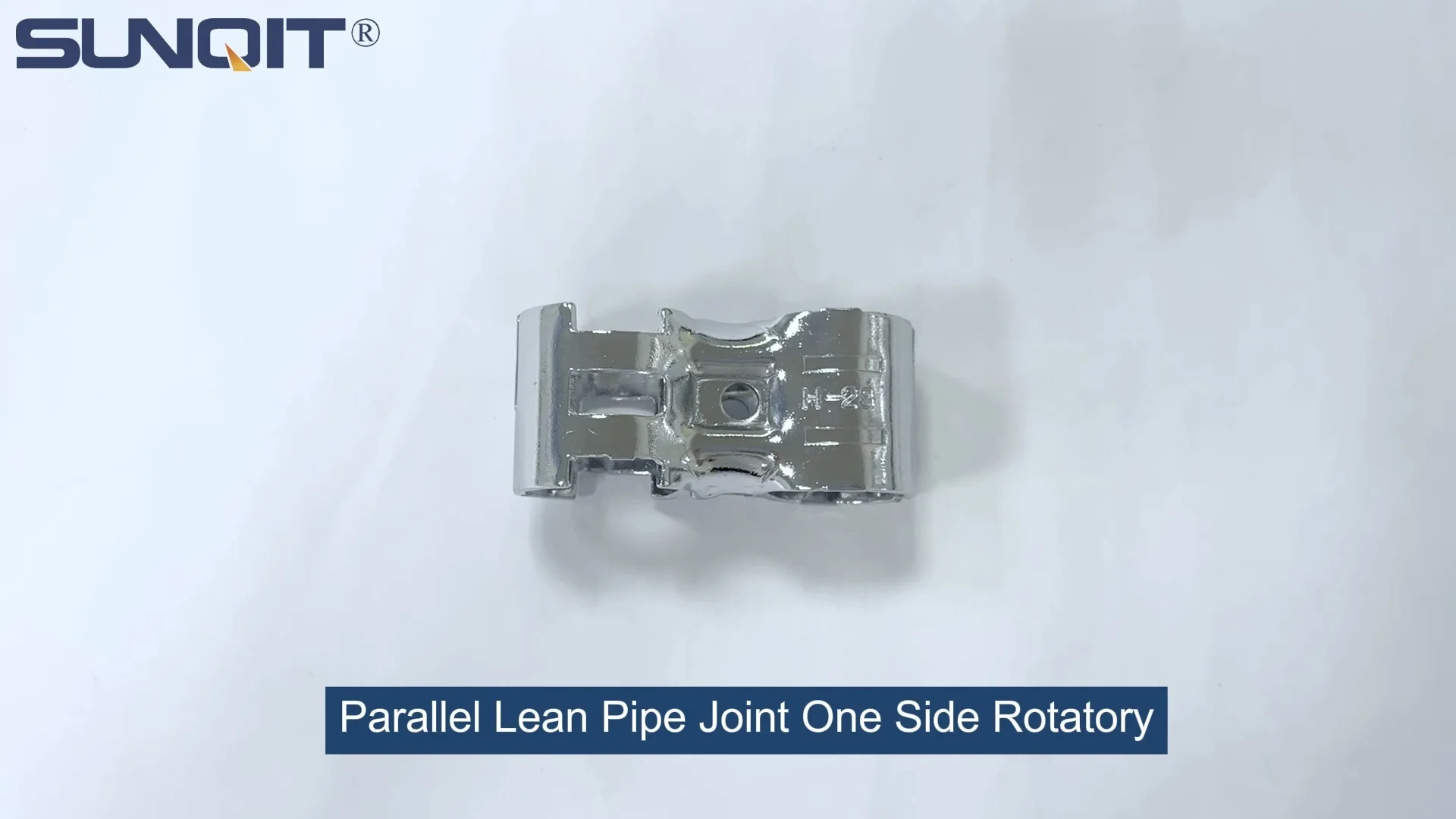
In the world of lean manufacturing and efficient workspace design, every component plays a silent but critical role. From the workbench where operators assemble products to the roller tracks that move materials seamlessly across the floor, the right parts can turn a chaotic workflow into a symphony of productivity. Today, we're diving deep into one such unsung hero: the
parallel lean pipe joint one side rotatory chrome
. If you've ever struggled with rigid, one-size-fits-all setups that resist adjustments or wear out too quickly, this piece is for you. We'll answer the most common questions about these versatile joints—what they are, how they work, where they shine, and why they might just be the missing link in your lean system. Whether you're a factory manager, a workspace designer, or a curious DIY enthusiast, let's unpack the details that make these chrome-plated wonders a game-changer in flexible manufacturing.
1. What Exactly Is a Parallel Lean Pipe Joint One Side Rotatory Chrome?
Let's start with the basics. A parallel lean pipe joint one side rotatory chrome is a specialized connector designed to link lean pipes (also known as or "lean tubes") in industrial setups, with a unique twist—literally. Unlike fixed joints that lock pipes into a rigid angle, this joint features a rotating mechanism on one side, allowing connected pipes to pivot or swivel along a single axis. The "parallel" descriptor means it's engineered to maintain alignment between two parallel pipes while still enabling rotation, making it ideal for setups where adjustability is key but stability can't be compromised.
The "chrome" in its name refers to the plating process. The joint's core is typically made of high-grade steel for strength, then coated with a layer of chrome through electroplating. This chrome finish isn't just for looks (though it does add a sleek, professional sheen); it serves a practical purpose too—enhancing corrosion resistance, reducing friction during rotation, and increasing durability in high-wear environments like factories or warehouses.
Think of it as the "hinge" of the lean system world. It's the component that lets you build structures that aren't static. Need a workbench shelf that can tilt to angle materials toward an operator? A roller track that can adjust to different conveyor heights? This joint makes it possible without sacrificing the structural integrity that lean systems demand.
2. How Does This Joint Differ from Fixed or Non-Rotatory Lean Pipe Joints?
To truly appreciate the value of a rotatory joint, it helps to compare it to its fixed counterparts. Let's break down the key differences in a simple table:
The biggest takeaway? Fixed joints are the "foundations" of lean systems—reliable and strong for permanent structures. Rotatory joints, on the other hand, are the "adaptors," adding a layer of flexibility that modern manufacturing demands. For example, a fixed joint might hold up the legs of a workbench, while a rotatory joint could attach the bench's tilting top, letting operators adjust the angle to reduce strain during long shifts.
| Feature | Parallel Lean Pipe Joint One Side Rotatory Chrome | Standard Fixed Lean Pipe Joint | Non-Chrome Plastic Joint |
|---|---|---|---|
| Rotation Capability | One-sided rotation (up to 180° in most models) | No rotation; fixed angle (usually 90°, 45°, or straight) | Minimal to no rotation; some flexibility but limited |
| Primary Use Case | Adjustable structures: tilting workbenches, variable-height roller tracks, movable material racks | Static structures: fixed shelves, rigid frames, stationary workbench legs | Light-duty, low-cost setups: temporary racks, non-industrial environments |
| Load Capacity | High (50-100kg per joint, depending on pipe size) | High (similar to rotatory, but fixed angles distribute weight differently) | Low to medium (20-50kg; prone to warping under heavy loads) |
| Durability | Excellent (chrome-plated steel resists rust, wear, and impact) | Good (steel core, but no rotation mechanism to maintain) | Fair (plastic degrades over time with UV exposure or chemical contact) |
| Installation Complexity | Slightly higher (requires aligning rotation axis during setup) | Simple (tighten and lock; no moving parts) | Very simple (snap-on or basic screw-on design) |

3. What Materials Are Used in Making These Chrome-Plated Rotatory Joints?
The magic of a parallel lean pipe joint one side rotatory chrome lies in its materials. Let's peel back the layers (literally) to see what goes into making one:
1. Steel Core:
The backbone of the joint is typically cold-rolled steel. Why cold-rolled? It's stronger and more precise than hot-rolled steel, with a smoother surface that's ideal for plating. This steel core gives the joint its load-bearing muscle—without it, the rotation mechanism would bend or snap under the weight of materials or equipment.
2. Chrome Plating:
Once the steel core is shaped (via forging or machining to create the rotation socket and connection points), it undergoes electroplating. Chrome plating involves submerging the steel in a chromic acid solution and passing an electric current through it, causing chromium ions to bond to the surface. The result? A thin (usually 5-10 microns thick) but tough layer that:
- Resists rust and corrosion, critical in damp warehouses or factories with chemical exposure.
- Reduces friction, making the rotation smoother and preventing jamming.
- Adds scratch resistance, so the joint stays functional even with regular contact from tools or materials.
3. Internal Rotation Mechanism:
Inside the joint, you'll find a pin or bearing system that enables rotation. This is often made of hardened steel or brass to minimize wear. Some high-end models even include nylon washers between moving parts to reduce metal-on-metal friction and noise—a small detail that makes a big difference in busy workspaces.
4. Locking Components:
To keep the joint in place once adjusted, most models have a locking nut or set screw, usually made of stainless steel to avoid rusting. This allows operators to "freeze" the rotation at a specific angle, turning a movable joint into a rigid one when needed.
Together, these materials create a joint that's not just adjustable, but built to last. It's a balance of flexibility and strength—exactly what lean systems need to adapt to changing production demands without frequent replacements.

4. In Which Applications Is the Parallel Lean Pipe Joint One Side Rotatory Chrome Most Useful?
Now that we know what it is and how it's made, let's talk about where this joint really shines. Its unique combination of rotation and parallel alignment makes it a standout in several key applications:
Workbenches with Adjustable Components:
Imagine an assembly workbench where the operator needs to access materials from different angles. A shelf built with rotatory joints can tilt downward to bring parts closer, reducing strain on the operator's neck and shoulders. Or, a side-mounted tool rack that can swing out of the way when not in use, freeing up workspace. The joint keeps the shelf parallel to the bench frame while allowing the tilt—no wobbly, uneven surfaces here.
Roller Tracks and Conveyor Systems:
Roller tracks (like the ones used to slide bins or products between workstations) often need to adapt to different heights or angles. A rotatory joint lets you adjust the incline of a roller track to control the speed of materials—steeper for heavier items, gentler for fragile goods. For example, in a electronics factory, a roller track feeding components to an
ESD workbench
might use these joints to angle the track slightly upward, slowing the flow to prevent damage to sensitive circuit boards.
Turnover Trolleys and Material Racks:
Trolleys used to transport goods around a facility often need foldable or adjustable sides to accommodate different load sizes. A rotatory joint can connect the trolley's side rails, allowing them to fold down when loading/unloading and lock upright during transport. Similarly, material racks with rotating shelves can make it easier to access items stored in the back without moving the entire rack.
Ergonomic Workstations:
In today's manufacturing world, ergonomics is a top priority. A rotatory joint can help build workstations that adapt to different operators' heights or preferences. For instance, a monitor arm mounted on a lean pipe frame can use this joint to swivel the screen left or right, ensuring every team member can position it at eye level.
Prototype or Small-Batch Production Lines:
Unlike large-scale manufacturing, small-batch production often requires frequent reconfigurations. A rotatory joint lets teams quickly adjust structures—say, reangle a testing station for a new product model—without disassembling and rebuilding from scratch. It's flexibility that saves time and reduces downtime.
The common thread here? Any scenario where "one size fits all" doesn't work. This joint turns rigid structures into adaptable ones, making it a favorite among lean system designers who prioritize efficiency and operator comfort.
5. How Do I Properly Install a Parallel Lean Pipe Joint One Side Rotatory Chrome?
Installing a rotatory joint isn't rocket science, but getting it right ensures safety and functionality. Here's a step-by-step guide to help you do it like a pro:
Step 1: Gather Your Tools
You'll need:
- A hex key (usually included with the joint, but check the size—most use 5mm or 6mm keys).
- A level (to ensure pipes are parallel and straight).
- A rubber mallet (for gently tapping pipes into place without damaging the chrome finish).
- A tape measure (to confirm pipe lengths and alignment).
- Optional: thread locker (like Loctite) for locking nuts, if you want extra security against vibration loosening.
Step 2: Prepare the Lean Pipes
Cut your lean pipes to the desired length using a pipe cutter or hacksaw. If the pipes have burrs from cutting, smooth them with a file—rough edges can damage the joint's internal components or prevent a tight fit. For best results, use pipes with a diameter that matches the joint (most are designed for 28mm or 30mm lean pipes, but check the manufacturer's specs).
Step 3: insert Pipes into the Joint
The joint will have two or more connection points (often labeled "fixed" and "rotary" sides). insert the first pipe into the fixed side—this is the stationary part of the structure. Push it in until it hits the internal stop (you'll feel a slight resistance). For the rotary side, insert the second pipe, but don't push it all the way yet—you'll need room to adjust the angle later.
Step 4: Tighten the Fixed Side First
Use the hex key to tighten the set screw on the fixed side. Apply firm pressure, but don't over-tighten—stripping the screw is a common mistake. The goal is to secure the pipe so it doesn't rotate or slide, but still allow for minor adjustments when aligning the rotary side.
Step 5: Align and Adjust the Rotary Side
Now, position the rotary pipe at the desired angle. Use your level to ensure it's parallel to other structures (if needed) or at the correct incline. Once aligned, push the pipe fully into the rotary side and tighten its set screw. Again, firm but not excessive—you want the pipe secure, but the rotation mechanism should still move freely when the locking nut is loosened.
Step 6: Test the Rotation and Locking Mechanism
Loosen the rotation lock (usually a separate nut or screw on the rotary side) and gently pivot the pipe. It should move smoothly without jamming. If it's stiff, check for debris in the joint or misaligned pipes. Once satisfied, lock it in place by tightening the rotation lock. Give the structure a gentle shake to ensure everything is stable—no wobbling or creaking should occur.
Pro Tip:
If you're building a complex structure (like a multi-level workbench with multiple rotatory joints), assemble it incrementally. Secure the base first, then add joints and pipes one by one, testing stability at each step. This prevents misalignment from snowballing into a wobbly final product.
With a little patience, installation is straightforward. The key is to take your time with alignment—precision here ensures the joint works as intended for years.
6. Are These Joints Compatible with Other Lean System Components Like Aluminum Profile or Roller Track?
One of the biggest advantages of lean systems is their modularity—components from different categories should work together seamlessly. So, does the parallel lean pipe joint one side rotatory chrome play well with others? The short answer: yes, with a few considerations.
Compatibility with Aluminum Profile:
Aluminum profiles (like the 2020, 3030, or 4040 series common in industrial setups) are popular for their lightweight strength and versatility. To connect a lean pipe joint to an aluminum profile, you'll need an adapter—usually a "pipe-to-profile" connector, which is a small bracket that attaches to the profile's T-slot and has a socket for the lean pipe. Many
lean pipe suppliers
offer these adapters as part of their accessory lines, making the pairing simple. For example, you could build a workbench with aluminum profile legs (for stability) and lean pipe shelves connected via rotatory joints, allowing the shelves to tilt while the legs stay rigid.
Compatibility with Roller Track:
Roller tracks (used for conveying materials) often rely on lean pipes for support. A rotatory joint is perfect here, as it lets you adjust the track's angle to control material flow. Most roller tracks have mounting holes or slots that align with lean pipe joints, so you can attach the track directly to the joint's rotary side. For instance, a gravity-fed roller track from a high shelf to a workbench can use these joints to fine-tune the slope—steeper for heavy boxes, gentler for delicate parts. Some roller track models even include built-in brackets that fit lean pipes, eliminating the need for extra adapters.
Compatibility with ESD Workbenches:
In electronics manufacturing, ESD (electrostatic discharge) workbenches are critical to protect sensitive components. Chrome is conductive, so a rotatory joint can actually help ground the bench—an added bonus. Just ensure the joint is connected to the bench's grounding system via the lean pipe (which should also be conductive, like steel). If your setup uses non-conductive pipes (e.g., plastic-coated lean pipes), you may need a separate grounding strap, but the joint itself won't interfere with ESD protection.
Potential Challenges:
The main compatibility issue arises with pipe diameter. Lean pipes come in standard sizes (28mm is most common), but some aluminum profiles or roller tracks may use metric or imperial sizes. Always check the manufacturer's specs for pipe diameter and thread size before purchasing adapters. Most reputable suppliers list compatibility charts on their websites, so you can avoid mismatched parts.
In short, this joint is designed to be a team player. It fits into the broader ecosystem of lean components, letting you mix and match materials (steel pipes, aluminum profiles) and functions (workbenches, roller tracks) to build exactly what your workspace needs.
7. How Do I Maintain and Clean Chrome-Plated Rotatory Joints to Ensure Longevity?
A well-maintained parallel lean pipe joint can last 5-10 years (or more) in a typical factory setting. But neglect it, and you'll be replacing it much sooner. Here's how to keep it in top shape:
Regular Cleaning:
Factories and warehouses are dusty places, and debris (like metal shavings, sawdust, or oil) can get into the rotation mechanism, causing jamming or increased wear. Aim to clean the joint every 2-4 weeks, depending on how dirty the environment is. Use a soft cloth dampened with mild soap and water—avoid harsh chemicals like bleach or solvents, which can strip the chrome plating. For hard-to-reach crevices, a small brush (like a toothbrush) works wonders. After cleaning, dry the joint thoroughly to prevent water spots or rust.
Lubrication for Smooth Rotation:
The rotation mechanism needs occasional lubrication to stay smooth. Use a dry lubricant (like graphite powder or silicone spray) rather than oil-based lubricants, which attract dust and can gum up the works. Apply a small amount to the joint's moving parts every 3-6 months, then work the rotation back and forth to distribute the lubricant evenly. If you notice the joint starting to feel stiff between scheduled lubrications, don't wait—add a little lubricant immediately to prevent damage.
Check for Wear and Tear:
During cleaning, inspect the joint for signs of trouble:
- Scratches or chips in the chrome plating: If the steel underneath is exposed, it may start to rust. Use a touch-up pen for chrome (available at hardware stores) to seal small chips.
- Loose set screws: Vibration from machinery can loosen screws over time. Tighten them gently with a hex key—this is quick and prevents pipes from slipping.
- Worn rotation parts: If the joint grinds or sticks even after cleaning and lubricating, the internal bearings or washers may be worn. Most suppliers sell replacement parts, so you don't need to buy a whole new joint.
Avoid Overloading:
Every joint has a maximum load capacity (usually listed by the manufacturer). Exceeding this weakens the steel core and can bend the rotation mechanism. If you're unsure, err on the side of caution—distribute heavy loads across multiple joints or use a fixed joint for support in high-weight areas.
Protect During Transport or Storage:
If you need to disassemble the joint for moving or storage, wrap it in a soft cloth to prevent scratches. Avoid stacking heavy objects on top of it, as this can bend the rotation pin.
These steps are simple, but they make a huge difference. A little maintenance goes a long way toward keeping your rotatory joints functional and extending the life of your entire lean system. After all, the goal of lean manufacturing is to eliminate waste—and replacing parts prematurely is a waste no one wants.
8. Where Can I Source High-Quality Parallel Lean Pipe Joint One Side Rotatory Chrome?
Now that you're sold on the benefits, the next question is: where to buy one? Not all lean pipe joints are created equal—quality varies widely between suppliers, and a cheap joint can cost you more in the long run (think frequent replacements, safety risks, or jamming that slows production). Here's how to find a reliable source:
Look for Specialized Lean Pipe Suppliers:
General hardware stores might carry basic lean pipe components, but for specialized parts like the parallel lean pipe joint one side rotatory chrome, you need a supplier that focuses on lean systems. These companies have the expertise to answer technical questions, offer compatibility advice, and stand behind their products with warranties. Search for terms like "lean pipe supplier" or "lean system supplier" online, and check their product catalogs for detailed specs (material thickness, load capacity, plating quality).
Check for Quality Certifications:
Reputable suppliers will have certifications like ISO 9001 (for quality management) or RoHS compliance (for environmental safety). These aren't just logos—they indicate the supplier follows strict manufacturing standards, from material sourcing to production. Don't hesitate to ask for certification documents if they're not listed on the website; a trustworthy supplier will provide them gladly.
Read Customer Reviews and Ask for Samples:
Online reviews can reveal a lot about a supplier's reliability. Look for feedback on product durability, shipping times, and customer service (e.g., "Did they help resolve a compatibility issue?"). If you're ordering in bulk, ask for a sample joint first. Test its rotation, check the chrome plating for uniformity, and see how it holds up under light use. A small sample cost is worth avoiding a bulk order of faulty joints.
Consider Wholesale Options:
If you're building multiple structures (e.g., outfitting an entire factory), wholesale pricing can save significant money. Many suppliers offer discounts for bulk orders, so don't be afraid to negotiate. Some even provide custom packaging or labeling for large orders, which can streamline inventory management.
Ask About After-Sales Support:
What happens if a joint fails within a month? A good supplier will offer a warranty (typically 1-2 years) and have a clear return process. They should also have a technical support team to help with installation or troubleshooting questions. Avoid suppliers that don't provide contact information or are vague about returns—this is a red flag for poor service.
Global vs. Local Suppliers:
Global suppliers often have lower prices, but shipping times can be long, and import duties may add unexpected costs. Local suppliers (or regional distributors) offer faster delivery and easier communication, which is crucial if you need parts quickly. Balance cost and convenience based on your timeline and budget.
In short, take the time to research suppliers. A high-quality joint from a reliable source will pay for itself in durability and performance, making it a smart investment in your lean system's success.
9. What Are the Common Troubleshooting Tips for Sticky or Malfunctioning Rotatory Joints?
Even the best joints can run into issues from time to time. Here are the most common problems and how to fix them:
Problem: Stiff or Jerky Rotation
Causes:
Dust or debris in the rotation mechanism; lack of lubrication; misaligned pipes.
Solution:
Start by cleaning the joint with a soft brush and mild soap, focusing on the rotation pin. Dry thoroughly, then apply a dry lubricant (graphite or silicone spray). If that doesn't work, check if the pipes are misaligned—loosen the set screws, realign with a level, and retighten.
Problem: Joint Won't Stay Locked in Place
Causes:
Stripped locking nut; worn set screw; overloading the joint.
Solution:
replace the locking nut or set screw (these are inexpensive parts). If the threads on the joint itself are stripped, you may need a new joint, but this is rare with quality chrome-plated models. If overloading is the issue, redistribute the weight or add a support joint nearby.
Problem: Chrome Plating Chipping or Peeling
Causes:
Impact from tools or heavy objects; exposure to harsh chemicals; poor initial plating (common with low-quality joints).
Solution:
For small chips, use a chrome touch-up pen to prevent rust. For large areas of peeling, replace the joint—exposed steel will rust quickly, compromising strength. To prevent future damage, add protective bumpers to areas prone to impact.
Problem: Pipe Sliding Out of the Joint
Causes:
Set screws not tightened enough; pipe diameter too small for the joint; worn set screw threads.
Solution:
Tighten the set screws with a hex key (but don't strip them). If the pipe is too small, wrap it with a thin layer of electrical tape to increase diameter temporarily, or replace with the correct size pipe. replace worn set screws if they won't grip.
Problem: Excessive Noise During Rotation
Causes:
Metal-on-metal friction (lack of lubrication); loose internal parts; misalignment.
Solution:
Lubricate the rotation mechanism with silicone spray. If the noise persists, check for loose washers or bearings—these may need to be replaced. Realigning the pipes can also reduce noise by ensuring smooth movement.
When to replace vs. Repair:
As a general rule, if the joint is structurally sound (no cracks in the steel core) and the issue is with moving parts or plating, repair it. If the core is bent, the threads are stripped, or the rotation mechanism is irreparably worn, replace it. Most suppliers offer affordable replacement parts, so repairs are often cheaper than new joints.
The key is to address issues early. A sticky joint today can become a broken joint tomorrow if ignored, leading to downtime or safety hazards. Regular inspections (as part of your maintenance routine) will catch problems before they escalate.
10. Final Thoughts: Why the Parallel Lean Pipe Joint One Side Rotatory Chrome Matters in Lean Systems
As we wrap up this deep dive, it's clear that the parallel lean pipe joint one side rotatory chrome is more than just a connector—it's a catalyst for flexibility in lean manufacturing. In a world where production demands change overnight, where workspaces need to adapt to new products, new operators, and new processes, rigid systems fall short. This joint bridges the gap between structure and adaptability, letting you build workbenches, roller tracks, and material racks that grow with your needs.
Its chrome-plated steel construction ensures it can handle the rigors of industrial environments, while the rotation mechanism adds a layer of adjustability that fixed joints can't match. Whether you're tilting a shelf to reduce operator strain, fine-tuning a roller track for optimal material flow, or reconfiguring a workstation for a new product line, this joint makes it possible without sacrificing strength or safety.
For anyone invested in lean principles—eliminating waste, maximizing efficiency, prioritizing people—this joint is a small but powerful tool. It reduces the need for custom-built structures (saving time and money), extends the life of your lean system (by adapting instead of replacing), and creates workspaces that feel designed for the people using them, not the other way around.
So, the next time you look at a workbench or conveyor system, take a closer look at the joints holding it together. Chances are, the ones making it flexible and functional are the parallel lean pipe joint one side rotatory chrome. And now, you'll know exactly why they're there—and how to make the most of them.