- Company Articles
- FAQ
- FAQ
- FAQs About Parallel Rotatory Lean Pipe Joints: Expert Answers

FAQs About Parallel Rotatory Lean Pipe Joints: Expert Answers
Related Product
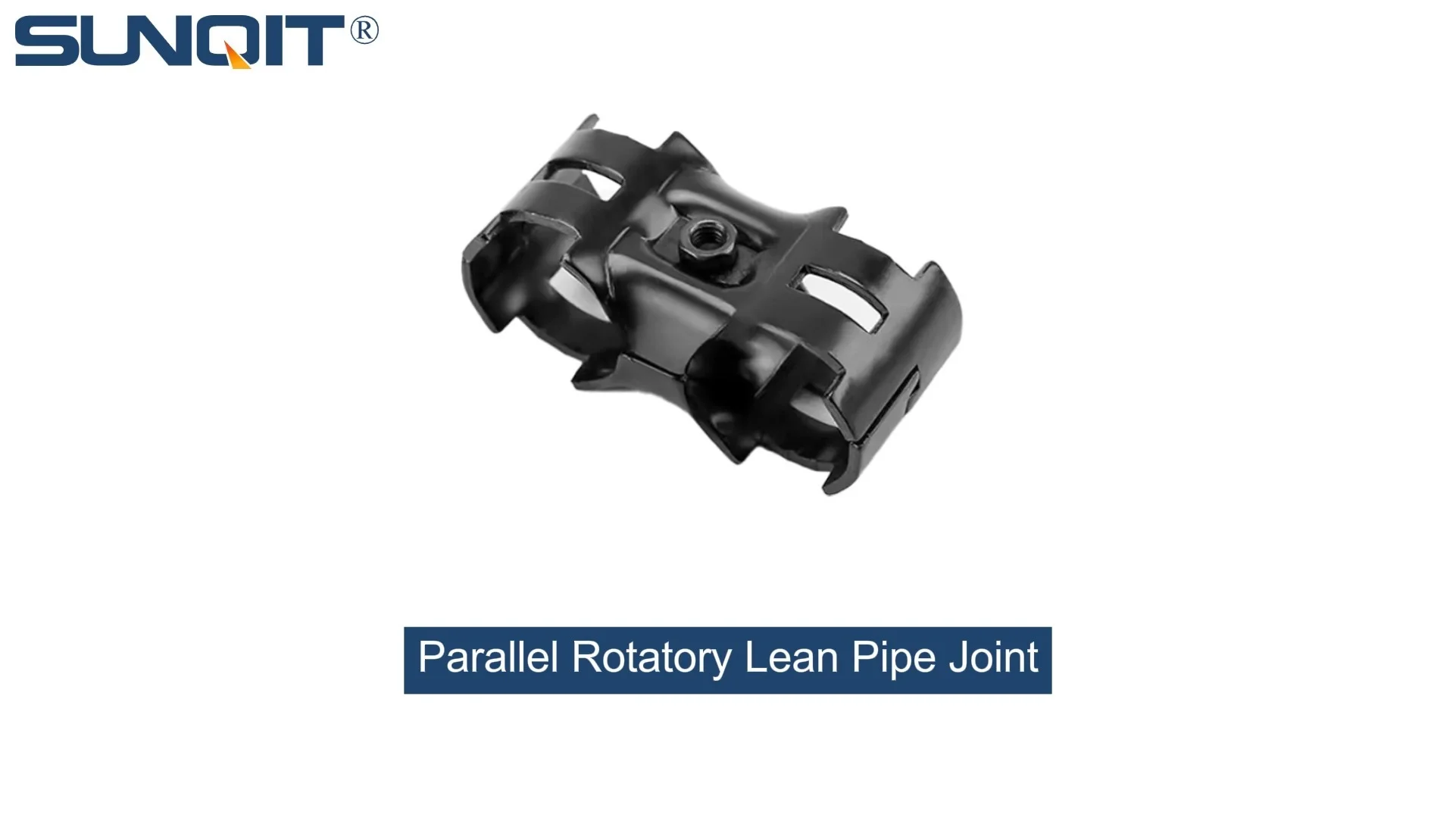
Parallel Rotatory Lean Pipe Joint
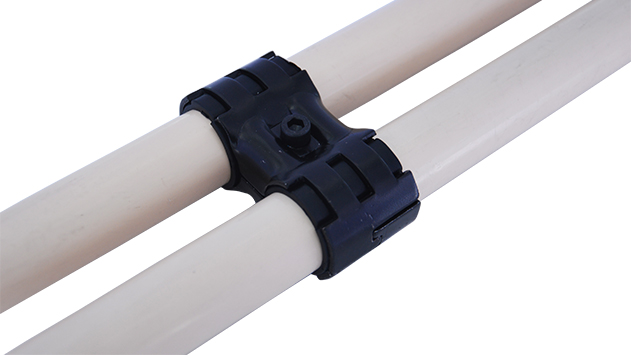
Parallel rotatory lean pipe joint, for 2 pcs pipe conenction in parallel direction with rotatory function.
Walk into any efficient manufacturing facility, warehouse, or assembly line, and you'll likely spot modular structures—workbenches, material racks, turnover trolleys—built with sleek pipes and connectors. These aren't just random pieces of metal; they're the backbone of lean systems , designed to boost productivity, reduce waste, and adapt to changing needs. Among the most versatile components in this setup are parallel rotatory lean pipe joints . They might seem small, but their ability to add flexibility can transform a rigid structure into a dynamic, adjustable workspace. If you're new to lean manufacturing or looking to upgrade your current setup, you probably have questions about these joints. Let's tackle the most common ones with clear, expert answers.
1. What Exactly Are Parallel Rotatory Lean Pipe Joints, and How Do They Work?
Let's start with the basics: parallel rotatory lean pipe joints are specialized connectors designed to link two lean pipes (hollow metal or aluminum tubes) while allowing controlled rotation along a parallel axis. Think of them as the "hinges" of the lean manufacturing world—they let your structure bend, pivot, or adjust angles without requiring you to disassemble and rebuild the entire setup.
Here's how they work: Most rotatory joints have two cylindrical ends that slide over the ends of lean pipes, secured with set screws or bolts. What sets them apart is a central rotating mechanism (often a pin or bearing) that allows the two connected pipes to pivot relative to each other. Depending on the model, this rotation might be limited to 90°, 180°, or even a full 360°, though 180° is most common for practical use. For example, if you're building a workbench with a side shelf, a parallel rotatory joint lets you swing that shelf up when not in use or angle it to better reach tools—no tools required for adjustment.
Unlike fixed joints (which lock pipes into rigid angles like 90° or 180°), these rotatory joints add a layer of adaptability. They're not meant for heavy, static loads—their strength lies in flexibility. So, if your workflow involves frequent reconfigurations (e.g., switching between product lines or adjusting workbench heights for different operators), these joints become invaluable.
2. How Do Parallel Rotatory Lean Pipe Joints Differ From Other Lean Pipe Joints?
Lean systems rely on a variety of joints to create structures, and choosing the right one depends on your needs. Let's break down how parallel rotatory joints stack up against common alternatives:
| Joint Type | Rotation Capability | Typical Load Capacity | Common Materials | Best For |
|---|---|---|---|---|
| Parallel Rotatory Lean Pipe Joint | 0–180° (adjustable) | 50–200 kg (varies by size/material) | Chrome-plated steel, aluminum | Adjustable workbenches, tiltable shelves, turnover trolleys |
| 90° Fixed Lean Pipe Joint | None (rigid 90° angle) | 100–300 kg | Steel, stainless steel | Static shelving, vertical/horizontal pipe intersections |
| Straight Lean Pipe Joint | None (fixed straight line) | 150–400 kg | Steel, aluminum | Long, straight sections (e.g., overhead racks, conveyor supports) |
| 90° Crossing Joint | None (fixed crossing) | 80–150 kg | Steel, plastic | Overlapping pipe setups (e.g., under-shelf tool holders) |
The key differentiator? Rotation . Fixed joints excel at stability for heavy, unchanging loads—like a 3-tier material rack holding boxes of parts that rarely move. But if you need to tilt a workbench surface for better ergonomics or swing a component out of the way during maintenance, a parallel rotatory joint is the only choice. They're also lighter than many fixed steel joints, making them ideal for mobile structures like trolleys, where weight matters.
Another subtle difference is installation: rotatory joints often have looser tolerances to allow movement, so they're not meant for applications where zero wobble is critical. If you need precision (e.g., aligning conveyor tracks), stick with fixed joints. But for flexibility? Rotatory joints are unbeatable.
3. What Materials Are They Made Of, and Does Material Choice Matter?
Parallel rotatory lean pipe joints are typically made from two materials: chrome-plated steel and aluminum . Each has pros and cons, and the right choice depends on your environment and budget.
Chrome-plated steel is the traditional option. It's durable, corrosion-resistant (thanks to the chrome coating), and affordable. Steel joints can handle slightly higher loads (up to 200 kg for larger models) and are a good fit for general industrial use—think warehouses with moderate moisture or factories with standard operating conditions. The downside? They're heavier than aluminum, which can add up if you're building a mobile trolley or a structure with many joints.
Aluminum is gaining popularity, especially with the rise of aluminum lean pipe systems. Aluminum joints are lightweight (about 30% lighter than steel), rust-proof, and sleek-looking—great for cleanrooms or electronics manufacturing where aesthetics and corrosion resistance matter. They're also easier to handle during assembly, reducing worker fatigue. However, aluminum is softer than steel, so it has a lower load capacity (around 50–150 kg) and may wear faster if used in high-friction, high-cycle applications (e.g., joints that rotate multiple times a day). They're also pricier than steel, though the cost difference is often offset by reduced shipping/handling costs and longer lifespan in harsh environments.
Some manufacturers also offer plastic-coated joints, but these are rare for rotatory models—plastic lacks the strength needed to support rotation without cracking. Stick with metal for reliability.
Pro tip: If you're using aluminum lean pipe for your structure, pair it with aluminum joints. Mixing steel and aluminum can cause galvanic corrosion (a chemical reaction that eats away at metal) in humid environments. A reputable lean pipe supplier will always recommend matching materials to avoid this issue.

4. What Industries or Applications Benefit Most From These Joints?
Parallel rotatory lean pipe joints shine in environments where flexibility and adaptability are priorities. Here are the top industries and use cases where they make the biggest impact:
Electronics Manufacturing : In plants assembling circuit boards or delicate components, workbenches often need adjustable angles to reduce operator strain. A rotatory joint lets workers tilt a component tray for better visibility, or swing a tool holder closer during intricate tasks. Plus, aluminum versions are ESD-safe (electrostatic discharge), critical for protecting sensitive electronics.
Automotive Assembly Lines : Car factories switch between models frequently, and tooling needs change with each model. Rotatory joints allow workstations to adapt—for example, tilting a parts rack to feed components to different assembly stations without rebuilding the entire structure.
Warehousing & Logistics : Turnover trolleys used to transport goods from storage to packing stations often use rotatory joints. A tilting shelf lets workers slide boxes off the trolley without bending, reducing injury risk. Similarly, adjustable material racks can accommodate varying box sizes by angling shelves.
Medical Device Production : Cleanrooms require sterile, easy-to-clean equipment. Aluminum rotatory joints are non-porous and rust-resistant, making them ideal for adjustable work surfaces that need frequent sanitization.
Small-Batch Manufacturing : If your business produces custom products (e.g., custom furniture, specialty machinery), you need structures that can reconfigure quickly. Rotatory joints let you modify workbenches or tool racks in minutes, not hours, keeping production on track.
Even in non-industrial settings, these joints find use—think retail stockrooms (adjustable display racks) or educational workshops (modular project tables). Anywhere you need "controlled flexibility," they're a game-changer.

5. How Do You Install and Maintain Parallel Rotatory Lean Pipe Joints?
Installing parallel rotatory joints is straightforward, but a few best practices will ensure they work smoothly for years. Let's start with installation:
Step 1: Prepare the Pipes – Cut your lean pipes to the desired length using a pipe cutter or hacksaw. Deburr the ends to remove sharp edges (this prevents damage to the joint's internal mechanism). If using aluminum pipes, avoid scratching the surface—scratches can lead to corrosion over time.
Step 2: insert Pipes Into the Joint – Slide one pipe into each end of the rotatory joint. Most joints have set screws (small bolts) on the side; tighten these gently with a hex key to hold the pipes in place. Don't over-tighten! Over-tightening can strip the threads or warp the joint, restricting rotation. The goal is a snug fit that still allows smooth pivoting.
Step 3: Test Rotation – After securing the pipes, test the joint's rotation. It should move freely without sticking. If it's too tight, loosen the set screws slightly. If it's too loose (pipes wobble), tighten them a quarter-turn at a time until stable.
Maintenance Tips – Like any mechanical component, rotatory joints need occasional care to stay functional:
- Lubricate the Rotation Mechanism : Every 3–6 months (or more often if used daily), apply a small amount of machine oil or silicone spray to the joint's pivot point. This prevents rust and keeps rotation smooth. Avoid heavy greases—they attract dust and can gum up the works.
- Check for Wear : Inspect the set screws and pivot pin regularly. If screws are stripped or the pivot feels gritty, replace the joint. Most lean pipe suppliers sell replacement parts, so you don't need to buy a whole new joint.
- Clean Regularly : Wipe joints with a damp cloth to remove dust, oil, or debris. For aluminum joints, use a mild detergent—harsh chemicals can damage the finish.
- Avoid Overloading : Stay within the joint's load capacity. Excess weight can bend the pivot pin or crack the joint housing, rendering it useless.
With proper installation and basic maintenance, a good-quality parallel rotatory joint should last 5–10 years in standard industrial use.
6. Are They Compatible With All Lean Pipes and Accessories?
Compatibility is key—you don't want to buy joints that don't fit your existing pipes or lean pipe accessories . Here's what you need to know:
Pipe Diameter : The most common lean pipe diameter is 28mm (about 1.1 inches), and most rotatory joints are designed for this size. However, some manufacturers offer 20mm or 32mm joints for smaller/larger pipes. Always check the joint's specs for diameter compatibility before buying. Mixing sizes (e.g., a 28mm joint with a 32mm pipe) will result in a loose, unstable fit.
Pipe Material : As mentioned earlier, match joint material to pipe material. Steel joints work with steel pipes; aluminum joints with aluminum lean pipe . Mixing steel and aluminum can cause galvanic corrosion, especially in humid environments. If you must mix (e.g., using a steel joint on an aluminum pipe for cost reasons), apply a corrosion-resistant coating (like zinc spray) to the connection point.
Accessories : Rotatory joints play well with most standard lean pipe accessories, including:
- End caps (to cover pipe ends and prevent injury)
- Clamps (to attach tools, bins, or labels to pipes)
- Casters (wheels for mobile structures—just ensure the total load (structure + contents) doesn't exceed the joint's capacity)
- Shelving panels (wood, metal, or plastic—attach to pipes via brackets)
One exception: Heavy-duty accessories like overhead lighting or large power tools. These add extra weight and stress to the joint, which can limit rotation or cause premature failure. Stick to light-to-medium accessories (under 5 kg per attachment) for rotatory-joint-equipped structures.
Pro tip: If you're unsure about compatibility, ask your lean pipe supplier for a sample kit. Many suppliers offer small sets (pipes, joints, accessories) so you can test fit and function before committing to a large order.
7. How Do You Choose the Right Parallel Rotatory Lean Pipe Joint for Your Project?
With so many options, selecting the right joint can feel overwhelming. Ask yourself these questions to narrow it down:
1. What's the Maximum Load It Will Support? – Start with the weight of the items you'll place on the structure (e.g., tools, parts, shelving panels). Add 20% to that weight to account for accidental overloading (it happens!). Choose a joint with a load capacity higher than this total. For example, if your shelf holds 100 kg of parts, a 120–150 kg joint is safer than a 100 kg one.
2. How Much Rotation Do You Need? – Some joints rotate 90°, others 180°. If you just need to tilt a shelf slightly, 90° might be enough. If you need to fold a component flat against the structure, go for 180°.
3. What's Your Environment Like? – Humid or corrosive environments (e.g., food processing, coastal areas) demand aluminum or stainless steel joints. Dry, clean environments (e.g., office workshops) can use chrome-plated steel for cost savings.
4. Are Aesthetics Important? – Aluminum joints have a modern, clean look, while steel joints are more industrial. If your structure is visible to clients (e.g., a retail display), aluminum might be worth the extra cost.
5. Do You Need ESD Protection? – Electronics or medical device industries require ESD-safe components. Look for joints labeled "ESD-compliant" (usually aluminum or stainless steel with a conductive coating).
Finally, buy from a reputable lean pipe supplier . Cheap, off-brand joints often use low-quality materials (e.g., thin steel or brittle aluminum) that fail quickly. A good supplier will provide load capacity data, material certifications, and warranty information—don't hesitate to ask for these.
8. Can Parallel Rotatory Joints Help Improve Lean Manufacturing Principles?
Absolutely! Lean manufacturing is all about eliminating waste, optimizing flow, and continuous improvement—and parallel rotatory joints align perfectly with these goals:
Reducing Waste : Traditional rigid structures often become obsolete when workflows change, leading to "waste of equipment" (one of the 8 wastes of lean). Rotatory joints extend the lifespan of your structures by making them adaptable, so you don't need to buy new racks or workbenches every time your process changes.
Optimizing Flow : In lean, "flow" refers to the smooth movement of materials and people. A rotatory joint that tilts a parts rack closer to an assembly line reduces the distance workers walk to fetch parts, cutting down on "waste of motion." This might seem small, but multiplied across a shift, it adds up to significant time savings.
Empowering Workers : Lean emphasizes giving workers control over their workspace. With rotatory joints, operators can adjust their workbenches or tool holders to fit their height or preferences, boosting morale and productivity. Happy workers are more engaged, which leads to better quality and fewer errors.
Supporting Kaizen (Continuous Improvement) : Kaizen encourages small, daily improvements. A worker might realize that angling a shelf by 30° reduces picking errors—with a rotatory joint, they can test that change immediately, without waiting for maintenance to rebuild the structure. This fosters a culture of experimentation and innovation.
In short, parallel rotatory lean pipe joints aren't just hardware—they're tools that enable lean thinking. They turn static structures into dynamic assets that evolve with your business, helping you stay competitive in a fast-changing market.
9. What's the Cost of Parallel Rotatory Lean Pipe Joints, and Are They Worth the Investment?
Costs vary based on material, size, and supplier, but here's a general range: Steel parallel rotatory joints cost $5–$15 each, while aluminum ones range from $10–$25. For high-end ESD-compliant or heavy-duty models, prices can hit $30–$40. Compared to fixed joints (which start at $3–$8 for steel), rotatory joints are pricier—but are they worth it?
Consider the alternative: If you need an adjustable structure without rotatory joints, you'd likely use hinges or custom brackets, which are more expensive, harder to install, and less durable. Or you'd rebuild the structure entirely when needs change—costing time, labor, and materials. A $20 rotatory joint might seem expensive upfront, but if it lets you avoid buying a new $200 workbench, it pays for itself quickly.
ROI (return on investment) also comes from productivity gains. For example, if a rotatory joint saves a worker 5 minutes per hour by reducing motion waste, that's 40 minutes saved per 8-hour shift. Over a year (250 shifts), that's 166 hours of extra productivity—easily worth the cost of a few joints.
Finally, consider longevity. A well-maintained aluminum joint can last a decade, while a cheap fixed joint might fail in 2–3 years. The longer lifespan reduces replacement costs over time.
In short: If your workflow requires flexibility, rotatory joints are a smart investment. If you need a static structure that never changes, stick with fixed joints. But in today's fast-paced manufacturing world, flexibility is often non-negotiable.
10. Where Can I Buy Quality Parallel Rotatory Lean Pipe Joints?
Start with specialized lean pipe suppliers —they focus on these components and have the expertise to help you choose the right product. Avoid general hardware stores; they rarely carry industrial-grade rotatory joints, and their staff may not understand your specific needs.
Look for suppliers that offer:
- Detailed Product Specs : Load capacity, rotation range, material thickness, and compatibility information should be easy to find on their website or catalog.
- Sample Orders : A good supplier will let you buy 1–2 joints to test before placing a bulk order.
- Technical Support : If you're unsure about sizing or installation, they should have engineers or customer service reps who can help.
- Warranties : At minimum, a 1-year warranty on materials and workmanship. Some suppliers offer 2–5 years for premium products.
Online marketplaces like Amazon or Alibaba have suppliers, but vet them carefully—read reviews, check for certifications, and ask for references. Local industrial supply stores may also carry lean pipe components, with the added benefit of in-person support.
Finally, don't forget to compare total costs, including shipping. Some suppliers offer bulk discounts or free shipping on large orders, which can lower per-unit costs.