- Company Articles
- FAQ
- FAQ
- FAQs About Three Way Aluminum Pipe Joints: Answered by Experts

FAQs About Three Way Aluminum Pipe Joints: Answered by Experts
Related Product
Three Way Aluminum Pipe Joint
Aluminum 3 way pipe joint for 28mm aluminum pipe connection in 3 direction.
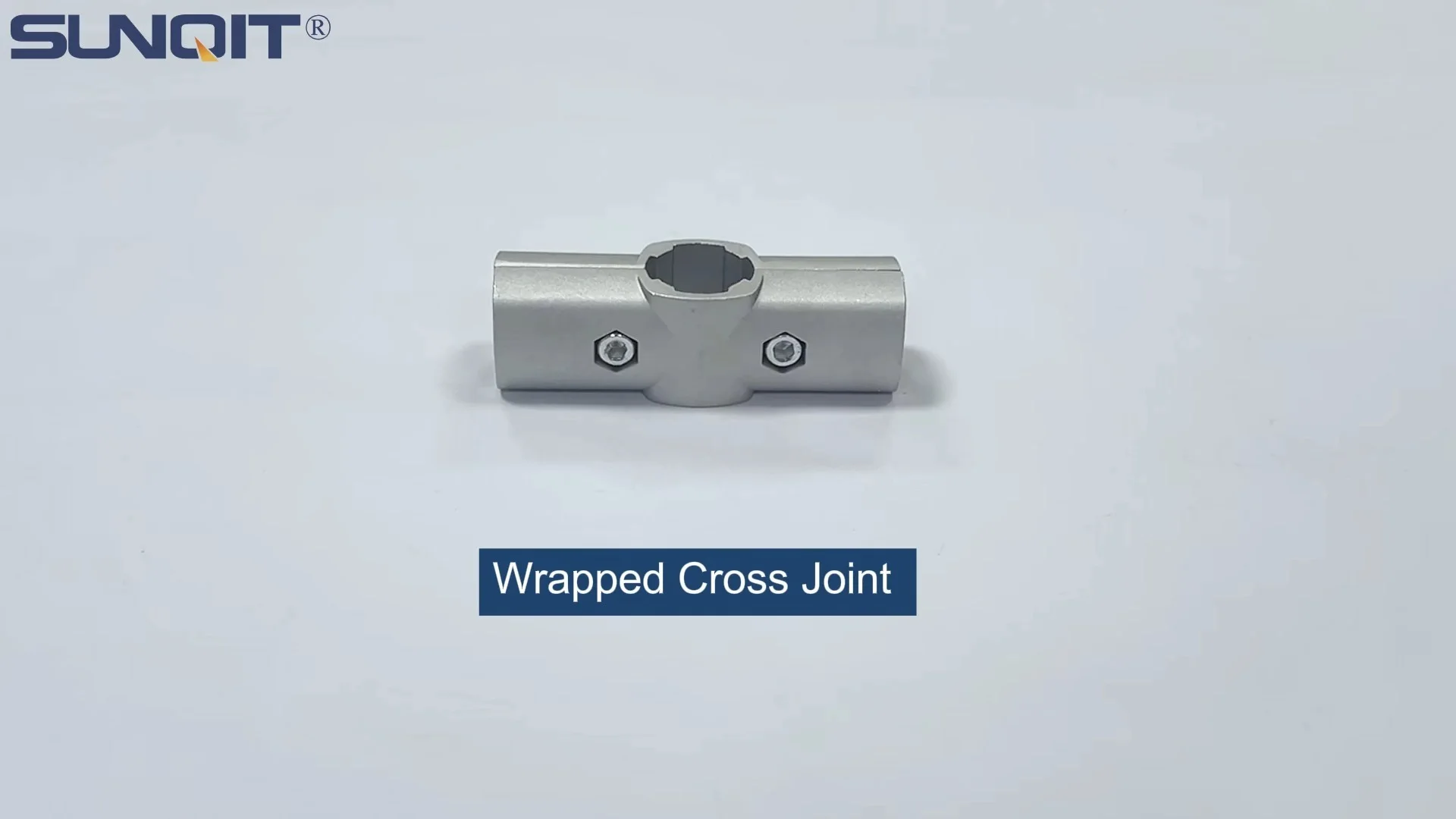
When it comes to building sturdy, flexible structures with aluminum pipes and profiles—whether you're constructing a workbench for your garage, a material rack for a factory floor, or a lean pipe system for efficient production lines—the unsung heroes holding everything together are the joints. Among these, the three way aluminum pipe joint stands out for its unique ability to connect three pipes at a single point, unlocking endless design possibilities. But if you're new to aluminum framing, you probably have questions: How do these joints work? What should you look for when buying one? Are they compatible with different aluminum profiles? We've gathered insights from industry experts to answer all these and more. Let's dive in.
1. What Exactly Is a Three Way Aluminum Pipe Joint?
Think of a three way aluminum pipe joint as the "cornerstone with extra arms" of aluminum structures. At its core, it's a specialized connector designed to link three aluminum pipes or profiles at a single junction, allowing you to build multi-directional frameworks. Unlike basic two-way joints (which only connect two pipes in a straight line or L-shape), three way joints add a third axis, making them ideal for creating T-shapes, Y-shapes, or even more complex branching structures.
These joints are typically made from high-grade aluminum alloy—often 6061 or 6063, known for their strength, lightweight properties, and resistance to corrosion. Many are also anodized (a process that adds a protective oxide layer), which enhances durability and gives them a sleek, professional finish. Whether you're working with small 2020 aluminum profiles for a DIY project or heavy-duty 4080 industrial-grade pipes, there's a three way joint designed to fit.
2. How Does a Three Way Aluminum Pipe Joint Actually Work?
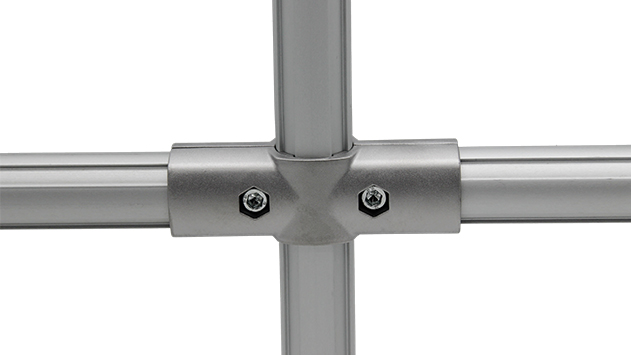
At first glance, a three way joint might look like a simple metal piece, but its design is surprisingly clever. Most modern three way aluminum pipe joints rely on the "T-slot" system—a feature common in aluminum profiles where a long, narrow slot runs along the length of the pipe. The joint itself has prongs or tabs that slide into these slots, and once positioned, it's secured using set screws, bolts, or spring-loaded pins.
Let's break it down step by step: Imagine you're connecting three 3030 aluminum profiles (a popular size for medium-load structures). You slide the joint's three arms into the T-slots of each profile, aligning them so the joint sits at the desired angle (often 90°, but some joints swivel for adjustable angles). Then, you tighten the screws on the joint—these press against the inside of the T-slot, creating friction that locks the pipes in place. No welding, no glue—just mechanical pressure. This makes installation quick and, importantly, reversible; if you need to reconfigure your structure later, you can loosen the screws and reposition the joint.
Some heavy-duty three way joints also include internal threads or threaded inserts, allowing for stronger connections with bolts instead of set screws. These are better suited for structures that need to support heavy loads, like material racks or conveyor frames.
3. What Features Should You Prioritize When Choosing a Three Way Aluminum Pipe Joint?
Not all three way joints are created equal. To ensure your structure is safe, durable, and fit for purpose, here are the key features experts recommend checking:
Material Quality: Opt for joints made from high-purity aluminum alloy (6061 or 6063 are industry standards). Avoid cheap zinc or plastic imitations—they'll bend or crack under stress, especially in industrial settings.
Load Capacity: Check the joint's maximum load rating (usually listed in kilograms or pounds). A joint for a lightweight workbench might handle 50kg, while one for a factory material rack could need to support 200kg or more. Always factor in both static loads (weight that stays put) and dynamic loads (weight that moves, like sliding tools).
Profile Compatibility: Aluminum profiles come in standard sizes, like 2020 (20mm x 20mm), 3030, or 4040. Make sure the joint's prongs match the slot width and depth of your profiles. A 2020 joint won't fit a 4040 profile, and vice versa.
Ease of Installation: Look for joints with user-friendly features, like pre-threaded holes for screws or ergonomic screw heads (hex or Phillips) that make tightening easier. Some even come with built-in washers to prevent over-tightening and protect the profile's finish.
Reusability: If you plan to reconfigure your structure later (a common need in lean manufacturing), choose joints that can be disassembled and reused without losing grip. Avoid one-time-use adhesive or crimped joints.

4. How Do Three Way Aluminum Pipe Joints Compare to Other Joint Types?
To understand why three way joints are so valuable, it helps to see how they stack up against other common joint types. Here's a quick comparison:
| Joint Type | Number of Pipe Connections | Best For | Key Limitation |
|---|---|---|---|
| Two Way Joint | 2 (straight line or 90° angle) | Basic frames, shelves, or linear structures | Can't create branching or T-shapes |
| Three Way Joint | 3 (T-shape, Y-shape, or multi-angle) | Workbenches with side shelves, material racks with dividers, lean pipe systems | Not ideal for 4+ pipe connections |
| Four Way Joint | 4 (cross or X-shape) | Complex grids, overhead racks, or 3D structures | Heavier and bulkier than three way joints |
| Swivel Joint | 2–3 (with adjustable angles) | Dynamic structures (e.g., tilting workbenches) | Lower load capacity than fixed joints |
As you can see, three way joints strike a balance between versatility and simplicity. They're not as limited as two way joints, but not as overkill (or expensive) as four way joints for most everyday projects. For example, if you're building a workbench with a main surface and a side tool rack, a three way joint is perfect for connecting the bench's legs, the tabletop frame, and the tool rack supports—all in one spot.

5. What Are the Most Common Applications for Three Way Aluminum Pipe Joints?
Three way aluminum pipe joints are like the "Swiss Army knife" of connectors—they pop up in almost every industry that uses aluminum framing. Here are a few real-world scenarios where they shine:
Workbenches & Assembly Stations: In workshops and factories, workbenches often need extra features: a side shelf for tools, a back rail for hanging supplies, or a lower shelf for storage. Three way joints make it easy to add these without welding. For example, a standard workbench frame (made with 4040 aluminum profiles) can use three way joints to attach a side shelf bracket at a 90° angle, creating a seamless extension.
Material Racks & Storage Systems: Warehouses and distribution centers rely on material racks to organize inventory. A three way joint is perfect for building multi-tiered racks—connecting vertical posts, horizontal beams, and diagonal supports to prevent swaying. Experts often pair them with aluminum guide rails to create sliding shelves, making it easy to access stored items.
Lean Pipe Systems: Lean manufacturing focuses on reducing waste and improving workflow, and three way joints are critical here. They're used to build flow racks (where products slide from one station to the next), turnover trolleys, and even custom conveyor frames. Because lean systems often need to adapt to new processes, the reusability of three way joints is a huge plus—you can rearrange the structure without buying new parts.
Retail Displays & Trade Show Booths: For temporary structures like retail product displays or trade show booths, portability and quick setup are key. Three way joints let designers build lightweight yet sturdy frames that can be taken apart, packed, and reassembled in minutes. Pair them with lightweight aluminum profiles, and you've got a display that's easy to transport and looks professional.
6. Can Three Way Aluminum Pipe Joints Be Used with Non-Aluminum Pipes?
This is a common question, especially for DIYers who might have leftover steel or PVC pipes. The short answer: It depends on the pipe's size and material. Three way aluminum joints are designed specifically for aluminum profiles with T-slots, so they won't work with smooth-walled pipes like PVC or standard steel (unless you modify them, which we don't recommend).
That said, some manufacturers make "hybrid" three way joints that can connect aluminum profiles to other materials—for example, using adapters to fit steel pipes with the same outer diameter as aluminum profiles. But these are specialty products and not as widely available. If you're mixing materials, it's safer to stick with aluminum pipes and profiles to ensure a tight, secure fit. Remember: the goal is a structure that's stable, and mismatched materials can lead to loose connections or uneven weight distribution.
7. What Are the Pro Tips for Installing Three Way Aluminum Pipe Joints?
Even the best joint won't perform well if installed incorrectly. We asked seasoned installers for their top tips to ensure a strong, long-lasting connection:
Prep the Profiles First: Before installing the joint, clean the T-slots of your aluminum profiles with a dry cloth or compressed air to remove dust, debris, or oil. Even a small speck of dirt can prevent the joint's prongs from seating properly, leading to a loose fit.
Align Before Tightening: Hold the three pipes and joint in place (use clamps if needed) to check alignment before fully tightening the screws. A misaligned joint can put extra stress on the pipes, causing them to bend over time. For example, if you're building a T-shape, make sure the cross pipe is perfectly perpendicular to the main pipe.
Don't Over-Tighten: It's tempting to crank down on the screws to "make sure it's tight," but this can strip the threads in the joint or warp the aluminum profile. Most experts recommend tightening until you feel resistance, then giving the screw a 1/4-turn more—just enough to secure the joint without damaging it.
Use Thread Lockers for Vibration-Prone Areas: If your structure will be in a high-vibration environment (like near heavy machinery), apply a small amount of thread locker (blue, not red—red is permanent) to the screw threads. This prevents the screws from loosening over time.
8. How Do You Maintain Three Way Aluminum Pipe Joints to Extend Their Lifespan?
Aluminum joints are low-maintenance, but a little care goes a long way in keeping them functional for years. Here's what experts recommend:
Regular Inspections: Every few months (or more often for high-use structures), check the joints for loose screws or signs of wear. Tighten any loose screws, and replace any joint with cracked prongs or stripped threads—don't try to "make do" with damaged parts.
Cleaning: Wipe down the joints with a damp cloth to remove dirt and grime. For stubborn stains, use a mild detergent (avoid harsh chemicals like bleach, which can damage the anodized finish). Dry thoroughly to prevent water spots.
Lubricate Moving Parts (If Applicable): Some three way joints have swivel or rotating components. For these, apply a small amount of silicone-based lubricant to the pivot points once a year to keep them moving smoothly.
Store Properly When Not in Use: If you disassemble a structure, store the joints in a dry, cool place (avoid direct sunlight or humid areas). You can even coat them lightly with a rust-preventive spray (though aluminum rarely rusts, this adds an extra layer of protection).
Whether you're building a simple workbench or a complex lean pipe system, the three way aluminum pipe joint is a tool that unlocks creativity and flexibility. By understanding how it works, what to look for when buying, and how to install and maintain it, you can build structures that are not only sturdy and functional but also adaptable to future needs. Remember: the best joints are the ones that work quietly in the background, letting your design shine. Now go build something great.