- Company Articles
- FAQ
- FAQ
- Lean Pipe Clamp B Chrome FAQs: Answering Top Industrial Buyer Questions

Lean Pipe Clamp B Chrome FAQs: Answering Top Industrial Buyer Questions
Related Product
Lean Pipe Clamp B Chrome
Lean pipe clamp is used for turnover trolley, workbench, flowrack adjust the frame or fix some accessory.
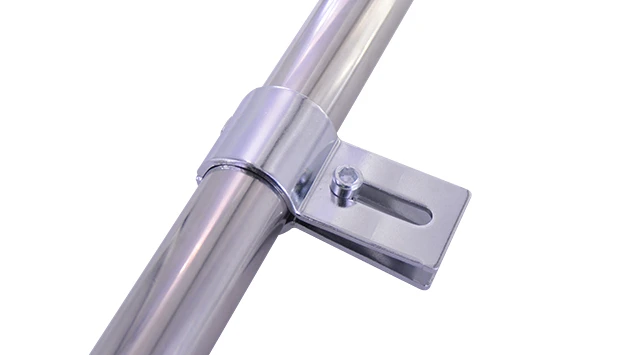
1. What exactly is a Lean Pipe Clamp B Chrome, and how does it differ from standard clamps?
Let's start with the basics: A Lean Pipe Clamp B Chrome is a specialized fastening component designed to connect and secure lean pipes (also known as "lean tubes") in industrial setups like workbenches, material racks, and conveyor systems. Think of it as the "glue" that holds your lean system together—without it, those pipes would just be loose pieces of metal or aluminum. But what sets the "B Chrome" variant apart?
First, the "B" typically refers to a specific design or size within a manufacturer's product line. In most cases, Lean Pipe Clamp B is engineered for medium to heavy-duty applications, with a shape that allows for secure, 90-degree connections between pipes (though some designs can handle other angles too). The "Chrome" part is key: unlike standard steel clamps that might come with a basic paint finish or no coating at all, this clamp features a chrome plating. Chrome isn't just for looks—it adds a layer of protection against corrosion, scratches, and wear, making the clamp more durable in harsh industrial environments where moisture, oils, or chemicals might be present.
Standard clamps, by contrast, often lack this chrome finish, which means they're more prone to rust over time, especially in factories with high humidity or frequent cleaning. They might also have a simpler design, with fewer grip points or a less robust construction, limiting their load capacity. For example, a basic steel clamp might work for lightweight shelving, but when you're building a workbench that needs to support heavy tools or a material rack holding bulk components, the Lean Pipe Clamp B Chrome's reinforced design and corrosion resistance make it a far more reliable choice. It's the difference between a setup that lasts 6 months and one that stays sturdy for years.
2. What materials are used in making Lean Pipe Clamp B Chrome, and why does that matter for industrial use?
At first glance, a clamp might seem like a simple piece of hardware, but the materials used in its construction directly impact its performance, lifespan, and suitability for your workspace. Lean Pipe Clamp B Chrome is typically made from two primary materials: a base metal (usually carbon steel) and a chrome plating. Let's break that down.
The core of the clamp is almost always high-grade carbon steel. Why steel? Because it's strong, rigid, and affordable—ideal for bearing the weight of pipes, tools, and materials in industrial settings. Carbon steel also has excellent tensile strength, meaning it won't bend or warp under pressure, which is critical when you're building structures like workbenches or roller tracks that need to maintain their shape over time. Some manufacturers might use low-carbon steel for lighter-duty clamps, but for the "B" variant (designed for medium-heavy use), you'll often find medium-carbon steel, which balances strength and flexibility.
Then there's the chrome plating. Chrome plating is a process where a thin layer of chromium is electroplated onto the steel surface. This isn't just about aesthetics—chromium is highly resistant to corrosion, tarnish, and abrasion. In factories where clamps might be exposed to oils, coolants, or even occasional water (from cleaning), this plating acts as a barrier, preventing rust from eating away at the steel core. Without chrome, the steel would start to corrode, weakening the clamp and eventually leading to structural failure. Imagine a material rack holding heavy components: if the clamps rust and loosen, the entire rack could collapse, risking damage to parts or even injury to workers.
Some buyers might wonder why not use aluminum instead of steel. While aluminum is lightweight and corrosion-resistant, it's not as strong as steel—making it a poor choice for clamps that need to handle heavy loads. Steel, with its chrome plating, offers the best of both worlds: strength and durability. So, when you invest in a Lean Pipe Clamp B Chrome, you're not just buying a piece of hardware—you're investing in materials that can stand up to the demands of your daily operations.
3. How do I properly install a Lean Pipe Clamp B Chrome, and are there common mistakes to avoid?
Installing a Lean Pipe Clamp B Chrome might seem straightforward, but getting it right is crucial for ensuring your lean system is safe and stable. Even a small mistake during installation can lead to loose connections, wobbly workbenches, or even equipment failure down the line. Let's walk through the steps and highlight pitfalls to steer clear of.
Step 1: Gather your tools.
You'll need a hex key (or Allen wrench) that matches the clamp's bolt size (most are 5mm or 6mm, but check the manufacturer's specs), a level (to ensure pipes are straight), and a rubber mallet (for gently tapping pipes into place without damaging the chrome finish). Avoid using power tools like impact drivers—they can overtighten the bolt and strip the threads or crack the clamp.
Step 2: Prepare the pipes.
Make sure the ends of your lean pipes are clean and free of debris, rust, or burrs. Even a small burr can prevent the clamp from seating properly, leading to a loose connection. If you're using coated pipes (like PE-coated lean pipe), ensure the coating isn't peeling at the ends—this can interfere with the clamp's grip.
Step 3: Position the clamp.
Slide the clamp over the end of one pipe, then align the second pipe at the desired angle (most often 90 degrees for workbenches or racks). The clamp should fit snugly around both pipes—if there's a gap, double-check that you're using the correct clamp size for your pipe diameter (most lean pipes are 28mm or 30mm, but sizes can vary).
Step 4: Tighten the bolt.
insert the hex key into the clamp's bolt and tighten it gradually, alternating between sides if the clamp has two bolts (some designs do). Aim for "firm but not excessive" tightness—you want the clamp to grip the pipes securely, but overtightening can warp the clamp or damage the pipe's surface. A good rule of thumb: stop when you feel resistance, then give it a quarter-turn more.
Common mistakes to avoid:
-
Overtightening:
As mentioned, this can crack the clamp or strip threads. It can also dent or deform the pipe, weakening the entire structure.
-
Ignoring alignment:
If the pipes aren't straight or at the right angle, the clamp will be under stress, leading to premature wear. Always use a level to check before final tightening.
-
Using damaged clamps:
A clamp with a bent bolt, cracked body, or chipped chrome plating won't hold properly. Inspect clamps before installation—even minor damage can compromise performance.
-
Mixing and matching brands:
Not all clamps are universal. Using a Lean Pipe Clamp B Chrome from one supplier with pipes or joints from another might result in poor fit. Stick to compatible components when possible.
By taking the time to install the clamp correctly, you'll ensure your lean system is stable, safe, and built to last.
4. What load capacities can Lean Pipe Clamp B Chrome handle, and how does that impact my workbench or conveyor setup?
When you're building a workbench, material rack, or conveyor system, one of the first questions you'll ask is: "How much weight can this hold?" The load capacity of your Lean Pipe Clamp B Chrome is a critical factor here, as it directly determines what you can safely place on or through your setup. Let's unpack what "load capacity" means and how it affects your industrial applications.
First, load capacity for clamps is usually measured in kilograms (kg) or pounds (lbs) and refers to the maximum weight the clamp can support without bending, breaking, or losing its grip on the pipes. Most manufacturers list this as a "static load capacity," which is the weight the clamp can hold when the structure is stationary (like a workbench holding tools) and a "dynamic load capacity" for moving systems (like a conveyor transporting boxes). For Lean Pipe Clamp B Chrome, static load capacities typically range from 150kg to 300kg per clamp, depending on the size and design. Dynamic capacities are usually lower, around 100kg to 200kg, since movement adds stress.
But here's the catch: load capacity isn't just about the clamp alone—it's about the entire system. A single clamp might handle 200kg, but if you're building a workbench with four clamps, that doesn't mean you can pile 800kg on top. The pipes, joints, and other components (like the workbench top) also have their own load limits. For example, if you're using 28mm PE-coated lean pipe with a wall thickness of 1.5mm, the pipe itself might only support 100kg per linear meter. So even if the clamps can handle more, the pipes could bend under excessive weight.
So, how do you ensure your setup is safe? Start by calculating the total weight your structure needs to support (tools, materials, workers, etc.), then divide that by the number of clamps and pipes in the system. For a workbench, aim for a minimum of four clamps (one at each corner) and ensure the pipes are spaced no more than 60cm apart for optimal weight distribution. If you're building a conveyor, consider the weight of the materials being transported and the speed of the conveyor—faster speeds mean more stress on the clamps and roller track components.
Pro tip: When in doubt, overengineer slightly. If your calculations say you need a clamp with 150kg capacity, opt for one with 200kg to account for unexpected loads (like a worker leaning on the bench or a sudden surge in material weight). It's better to have extra capacity than to risk a collapse.
5. Are there compatibility issues with other lean pipe joints or aluminum profiles?
Industrial buyers often ask: "Can I mix Lean Pipe Clamp B Chrome with other lean pipe joints or aluminum profiles I already have in my facility?" The short answer is: it depends on the components—but with a little planning, compatibility is usually manageable. Let's break down the most common scenarios.
Compatibility with other lean pipe joints:
Lean pipe joints come in all shapes and sizes—fixed angle joints (like 45°, 90°, or 180°), swivel joints, parallel joints, and more. The good news is that most lean pipe systems are designed around a standard pipe diameter (28mm or 30mm), so as long as your Lean Pipe Clamp B Chrome is sized for that diameter, it should work with other joints from the same size family. For example, if you're using a 90° fixed lean pipe joint to connect two pipes vertically, you can use a Lean Pipe Clamp B Chrome to connect a horizontal pipe to that vertical one—no problem.
The exception? Joints from niche or proprietary systems. Some manufacturers design "closed" systems where joints only work with their brand's pipes or clamps. To avoid issues, check the pipe diameter and joint specifications before mixing brands. If the diameter matches and the joint's opening is wide enough to fit the clamp, you're likely good to go.
Compatibility with aluminum profiles:
Aluminum profiles (like 4040 or 3030 aluminum extrusion profiles) are popular for building modular workbenches, shelving, and machine guards, thanks to their lightweight and sleek design. Can you connect them to Lean Pipe Clamp B Chrome? Yes—but you'll need an adapter. Most aluminum profiles have T-slots along their length, which are designed to work with T-slot nuts and bolts, not pipe clamps. To bridge the gap, look for "aluminum profile to pipe adapters" or "lean pipe to aluminum joint" accessories. These adapters have a T-slot base that fits into the aluminum profile and a pipe clamp end that connects to your lean pipe.
For example, if you want to attach a lean pipe material rack to an aluminum profile workbench, you'd bolt the adapter to the aluminum profile's T-slot, then use your Lean Pipe Clamp B Chrome to connect the lean pipe to the adapter. It's a simple workaround that lets you combine the best of both worlds: the flexibility of lean pipes and the rigidity of aluminum profiles.
A word of caution:
Avoid forcing incompatible components together. If a joint is too loose or too tight, it can create weak points in your structure. When in doubt, reach out to your supplier—they can often provide compatibility charts or sample adapters to test before you buy in bulk. And if you're starting a new project from scratch, consider sticking to a single system (all lean pipe or all aluminum profiles) to simplify compatibility issues. But if you need to mix, adapters are your friend.
6. How does the chrome finish benefit industrial environments, especially compared to non-chrome alternatives?
The chrome finish on Lean Pipe Clamp B Chrome isn't just a cosmetic choice—it's a functional one that addresses some of the biggest challenges in industrial environments. Let's compare it to non-chrome alternatives (like painted steel, zinc-plated steel, or raw aluminum) to see why chrome matters.
Corrosion resistance:
Factories, warehouses, and manufacturing plants are tough on metal. Humidity, oil spills, coolant splashes, and even regular cleaning with water or chemicals can cause rust and corrosion. Chrome plating acts as a barrier between the steel core of the clamp and these elements. Unlike paint, which can chip or peel over time, chrome bonds tightly to the steel, forming a hard, non-porous layer that resists moisture. Zinc-plated clamps offer some corrosion resistance too, but they're prone to white rust (a powdery zinc oxide) in high-humidity environments. Chrome, on the other hand, stays shiny and rust-free for years, even in damp conditions.
Scratch and wear resistance:
In busy industrial settings, clamps get bumped, scraped, and knocked around—by tools, forklifts, or workers moving materials. A painted clamp might scratch off with a single bump, exposing the steel underneath to rust. Chrome, however, is incredibly hard (it has a hardness rating of 800-1000 HV, compared to 200-300 HV for paint), so it can withstand daily wear and tear without showing signs of damage. This is especially important for clamps on mobile equipment like turnover trolleys or conveyor systems, which are constantly in motion.
Easy cleaning:
Industrial environments get dirty—fast. Oils, greases, dust, and debris can build up on clamps, making them look unprofessional and potentially harboring bacteria. Chrome's smooth, non-porous surface is easy to wipe clean with a damp cloth or mild detergent. Non-chrome clamps, with their rougher finishes, can trap dirt in crevices, requiring more time and effort to clean. For facilities with strict hygiene standards (like food processing or pharmaceutical manufacturing), chrome's easy-clean properties are a game-changer.
Aesthetics and professionalism:
While not a "benefit" in the functional sense, chrome's shiny, uniform finish gives clamps a polished, professional look. This might not matter for clamps hidden under a workbench, but for visible components (like the frame of a customer-facing display rack), it can the overall appearance of your facility. Non-chrome alternatives often look dull or industrial, which might not align with brands that prioritize a clean, modern workspace.
In short, the chrome finish on Lean Pipe Clamp B Chrome offers tangible benefits in durability, maintenance, and appearance that non-chrome alternatives can't match—especially in harsh or high-visibility industrial environments.
7. What maintenance is required to keep Lean Pipe Clamp B Chrome in good condition over time?
Like any industrial hardware, Lean Pipe Clamp B Chrome needs a little TLC to stay in top shape. The good news is that its maintenance requirements are minimal—especially compared to non-chrome clamps—but neglecting even basic upkeep can shorten its lifespan. Here's what you need to do.
Regular cleaning:
Dust, oil, and grime can build up on the chrome surface over time, which not only looks unsightly but can also trap moisture against the steel core (leading to rust if the chrome is scratched). Aim to wipe down clamps with a soft, damp cloth every 2-4 weeks, depending on how dirty your environment is. For heavier grime (like oil or coolant residue), use a mild detergent mixed with warm water—avoid abrasive cleaners or steel wool, which can scratch the chrome. Rinse with clean water and dry thoroughly to prevent water spots.
Inspect for damage:
During cleaning, take a moment to check for signs of wear or damage. Look for:
-
Scratches or chips in the chrome:
A small scratch might not seem like a big deal, but it exposes the steel underneath to moisture. If you spot a scratch, clean the area with alcohol, then apply a thin coat of clear nail polish or rust-inhibiting paint to seal it. For larger chips, consider replacing the clamp—once rust starts, it can spread quickly.
-
Loose bolts:
Vibration from machinery, heavy loads, or frequent use can loosen the clamp's bolt over time. Tighten any loose bolts with a hex key (but don't overtighten, as mentioned earlier). If the bolt is stripped or won't stay tight, replace it immediately—don't risk a loose connection.
-
Bent or warped clamps:
If a clamp is bent, it won't grip the pipes properly. This can happen if the clamp was overloaded or hit by heavy equipment. Bent clamps can't be repaired—replace them right away.
Lubricate moving parts (if applicable):
Some clamps have swivel or rotating components (though Lean Pipe Clamp B is typically fixed). If your clamp has moving parts, apply a drop of machine oil or silicone lubricant every 3-6 months to keep them moving smoothly. Avoid using WD-40 as a long-term lubricant—it's more of a cleaner than a lubricant and can attract dust.
Address rust immediately:
Even with chrome plating, rust can occasionally form if the clamp is damaged or exposed to extreme conditions. If you see small spots of rust, use a wire brush to gently remove the rust (being careful not to scratch the surrounding chrome), then clean the area and apply a rust converter or primer. For extensive rust, replace the clamp—rust weakens the steel, and a corroded clamp can't be trusted to hold a load.
Store properly (if not in use):
If you have extra clamps in storage, keep them in a dry, climate-controlled area. Avoid stacking heavy objects on top of them, as this can bend or warp the clamp bodies. A simple storage bin with dividers works well to keep clamps organized and protected.
By following these steps, your Lean Pipe Clamp B Chrome should last 5-7 years (or longer, in low-wear environments)—far longer than unmaintained, non-chrome clamps. It's a small investment of time that pays off in reliability and reduced replacement costs.
8. Can Lean Pipe Clamp B Chrome be used in ESD-sensitive environments, like with ESD workbenches?
ESD (Electrostatic Discharge) sensitive environments—think electronics manufacturing, semiconductor labs, or medical device production—require special precautions to prevent static electricity from damaging sensitive components. So, can Lean Pipe Clamp B Chrome be used here? The answer is: yes, but with caveats.
First, let's recall what ESD protection entails. In ESD environments, all surfaces and components must be conductive or dissipative, meaning they can safely channel static electricity to the ground, rather than letting it build up and discharge suddenly (which can fry microchips or other delicate parts). Chrome-plated steel is conductive, which is good—static can flow through the clamp to the ground. But the issue isn't the clamp itself; it's the entire system.
For example, if you're building an ESD workbench using Lean Pipe Clamp B Chrome, you'll need to ensure:
-
The lean pipes are ESD-safe:
Standard PE-coated lean pipe is usually non-conductive, which can trap static. Instead, use ESD-safe PE-coated pipe, which has a conductive additive that dissipates static.
-
The workbench top is ESD-rated:
The top surface should be made of ESD dissipative material (like rubber or laminate) and connected to a ground wire.
-
The entire structure is grounded:
Connect the workbench frame (via the pipes and clamps) to a grounding point using a grounding strap or wire. Since the chrome clamp is conductive, it will help carry static from the pipes to the ground.
The chrome finish itself doesn't interfere with ESD protection—in fact, its conductivity can help. The problem arises if you mix non-conductive components into the system. For example, if you use a standard (non-ESD) plastic roller track on an ESD workbench, the static could build up on the track and discharge through the clamp. To avoid this, ensure all components (pipes, clamps, joints, workbench tops) are ESD-rated if you're working in a sensitive environment.
If your environment isn't ESD-sensitive (like a general manufacturing floor or warehouse), Lean Pipe Clamp B Chrome is more than suitable—no extra precautions needed. But for ESD areas, it's all about the system, not just the clamp. Work with your ESD coordinator or supplier to ensure all components work together to dissipate static safely.
9. Where can I source reliable Lean Pipe Clamp B Chrome, and what should I look for in a supplier?
You've decided that Lean Pipe Clamp B Chrome is right for your operation—now, where do you buy it? And how do you ensure you're getting a quality product from a reliable supplier? With so many options online and offline, it can be overwhelming, but focusing on these key factors will help you find the best partner.
Start with specialized industrial suppliers:
Avoid generic hardware stores or Amazon resellers with no specific focus on lean manufacturing. Instead, look for suppliers that specialize in lean pipe systems, aluminum profiles, and industrial workbench components. These suppliers have the expertise to answer your technical questions, offer bulk pricing, and provide after-sales support if something goes wrong. Examples include global players like Flexpipe or Unistrut, but there are also excellent regional suppliers—ask for recommendations from industry peers or check trade association directories (like FMA or MHI).
Check for quality certifications:
A reputable supplier will have quality certifications like ISO 9001, which ensures their manufacturing processes are consistent and meet international standards. They should also be able to provide material test reports (MTRs) for the steel used in the clamps, confirming its composition and strength. If a supplier can't provide these documents, it's a red flag—they may be cutting corners on material quality.
Read customer reviews and ask for references:
Look for reviews on platforms like Google, Thomasnet, or industry forums. Pay attention to comments about product durability, shipping times, and customer service. If possible, ask the supplier for references from customers in your industry (e.g., automotive, electronics, logistics). A quick call to a reference can tell you a lot about the supplier's reliability—did they deliver on time? Was the product as described? How did they handle a returns or warranty claim?
Evaluate their product range and customization options:
A good supplier should offer a full range of lean pipe components, not just clamps. This includes pipes, joints, workbench tops, caster wheels, and roller track—so you can source everything from one place, simplifying your supply chain. They should also offer customization (like custom clamp sizes or finishes) if you have unique needs. Avoid suppliers with limited inventory—if they're out of stock on clamps, it could delay your project.
Compare pricing, but don't prioritize cost alone:
It's tempting to go with the cheapest option, but low-priced clamps often use thinner steel, poor-quality chrome plating, or weak bolts—meaning they'll need to be replaced sooner, costing you more in the long run. Instead, compare "total cost of ownership": a slightly more expensive clamp from a reputable supplier will last longer, require less maintenance, and reduce downtime. Ask about bulk discounts if you're buying in large quantities—most suppliers offer tiered pricing.
Assess their customer service:
A supplier's true value shines when things go wrong. Do they have a dedicated customer service team? Can you reach them by phone or email, or are you stuck with a chatbot? What's their return policy? A good supplier should offer a warranty (at least 1 year) on clamps and be willing to replace defective products quickly. Test their responsiveness by sending a technical question before you buy—if they take days to reply, move on.
In short, the best Lean Pipe Clamp B Chrome suppliers are those that combine quality products, industry expertise, and reliable service. Take the time to research and vet potential suppliers—your lean system (and your bottom line) will thank you.
10. Are there cost considerations when choosing Lean Pipe Clamp B Chrome over other clamp types?
Cost is always a factor in industrial purchasing decisions, and Lean Pipe Clamp B Chrome is no exception. At first glance, it might seem more expensive than non-chrome alternatives (like basic steel clamps or zinc-plated clamps). But to truly understand the cost, you need to look beyond the upfront price tag and consider the "total cost of ownership"—which includes durability, maintenance, and replacement frequency.
Upfront cost:
Yes, Lean Pipe Clamp B Chrome typically costs 10-30% more than a basic steel clamp. For example, a standard steel clamp might cost $2-3, while a chrome-plated one could be $3-5. For small projects (like a single workbench with 4 clamps), the difference is minimal—maybe $8-12 more. For large projects (like 100 clamps for a production line), the upfront cost adds up. But here's the thing: that extra cost buys you durability.
Durability and replacement frequency:
A basic steel clamp might last 1-2 years in a harsh environment before rusting or bending. A chrome-plated clamp, with proper maintenance, can last 5-7 years. So, over 5 years, you'd need to replace the basic clamp 2-3 times (costing $4-9 per clamp), while the chrome clamp costs $3-5 once. Suddenly, the chrome clamp is cheaper in the long run. For example:
- Basic clamp: $3 upfront, replaced 3x over 5 years = $9 total cost.
- Chrome clamp: $5 upfront, replaced once over 5 years = $5 total cost.
That's a 44% savings with the chrome clamp over 5 years.
Maintenance cost:
Basic steel clamps require more maintenance to prevent rust—frequent painting, cleaning, and lubrication. This takes time (which equals labor cost) and materials (paint, lubricant). Chrome clamps, with their low-maintenance design, save on both. For a facility with 100 clamps, the labor cost to maintain basic clamps could add up to hundreds of dollars per year—costs that disappear with chrome.
Downtime cost:
When a clamp fails, it can shut down a workbench, conveyor, or material rack, leading to production delays. A basic clamp is more likely to fail unexpectedly (due to rust or bending), causing unplanned downtime. Chrome clamps, with their higher durability, reduce the risk of sudden failure, keeping your operation running smoothly. The cost of even an hour of downtime in a manufacturing plant can be thousands of dollars—far more than the savings from buying cheaper clamps.
Application-specific costs:
In certain environments, the cost of not choosing chrome can be even higher. For example:
-
Food processing or pharmaceutical facilities:
Rust from basic clamps can contaminate products, leading to recalls or regulatory fines. Chrome's corrosion resistance is non-negotiable here.
-
High-moisture environments:
Factories with washdowns or high humidity will see basic clamps rust within months, requiring frequent replacements.
-
Customer-facing areas:
Dull, rusty clamps on visible workbenches or displays can harm your brand image—chrome's polished look has intangible value.
So, while Lean Pipe Clamp B Chrome has a higher upfront cost, its longer lifespan, lower maintenance, and reduced downtime make it a more cost-effective choice for most industrial applications. For short-term, low-stress projects (like temporary shelving), a basic clamp might suffice—but for anything permanent or high-use, chrome is worth the investment.
| Factor | Lean Pipe Clamp B Chrome | Standard Steel Clamp (Non-Chrome) | Zinc-Plated Clamp |
|---|---|---|---|
| Upfront Cost | Higher (10-30% more) | Lowest | Moderate (5-15% more than steel) |
| Expected Lifespan | 5-7 years | 1-2 years | 2-3 years |
| Corrosion Resistance | Excellent (chrome plating) | Poor (prone to rust) | Moderate (zinc offers some protection) |
| Maintenance Required | Minimal (occasional cleaning) | High (frequent painting/cleaning) | Moderate (occasional cleaning) |
| Best For | Heavy use, high moisture, ESD areas, long-term setups | Temporary, low-stress, dry environments | Medium-use, moderate moisture |