- Company Articles
- FAQ
- FAQ
- Life Cycle Assessment: 1.5mm Stainless Steel Pipe in Sustainable Lean Systems

Life Cycle Assessment: 1.5mm Stainless Steel Pipe in Sustainable Lean Systems
Related Product
1.5mm Stainless Steel Pipe
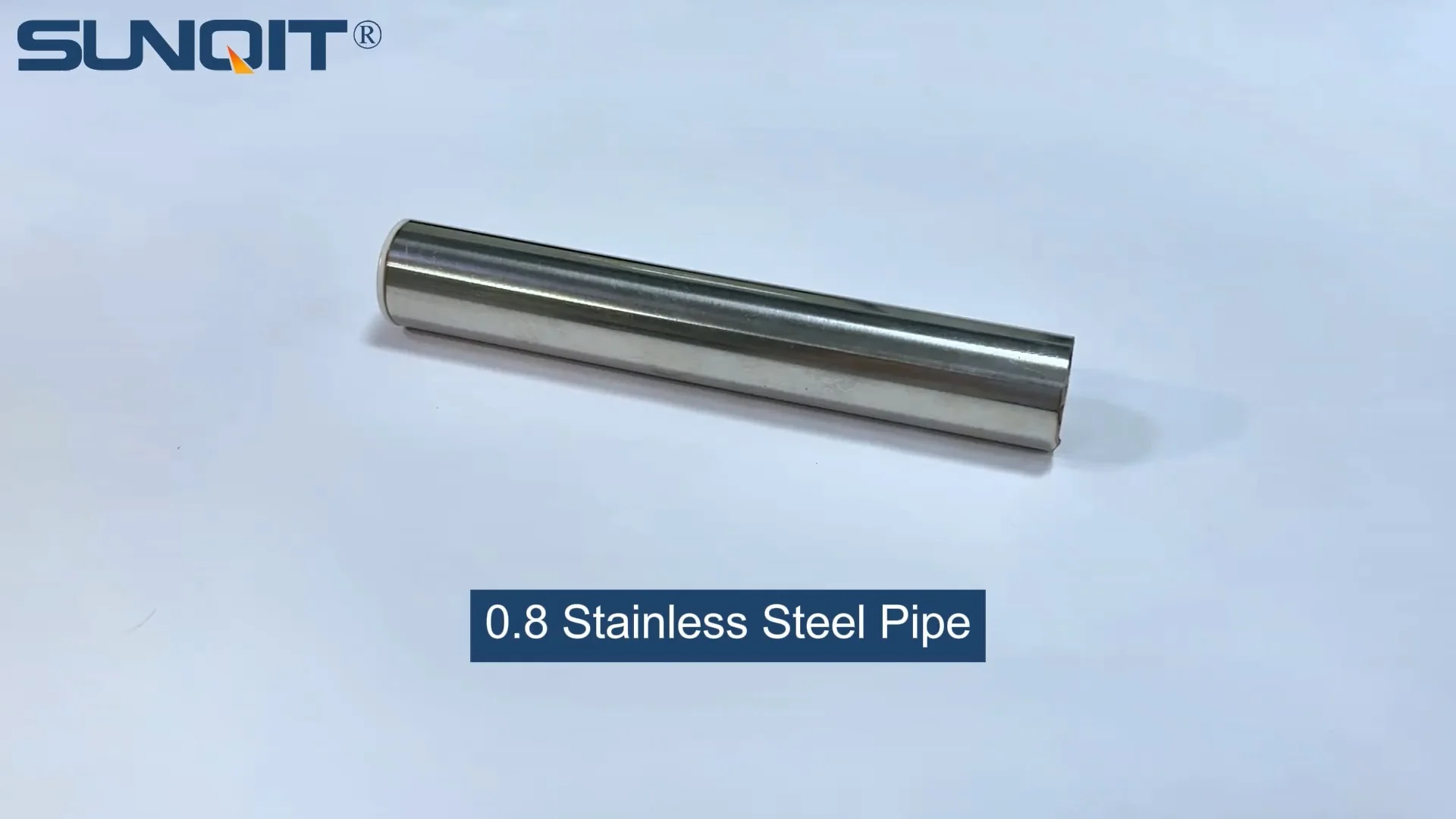
Stainless steel pipe, lean pipe, diameter is 28mm, material is SS201 or SS304, SS201 is normally used in the market. It knows a KARAKURI, KAIZEN material for industrial plant to improve efficiency, save labor cost, standard management.
In today's manufacturing landscape, "sustainability" and "efficiency" aren't just buzzwords—they're the backbone of resilient, forward-thinking operations. Lean systems, with their focus on minimizing waste and maximizing value, have long been a cornerstone of efficient production. But as companies increasingly tie their success to environmental, social, and governance (ESG) goals, the materials that power these lean systems are coming under greater scrutiny. Enter the 1.5mm stainless steel pipe: a unassuming yet critical component that's quietly redefining what it means to build sustainable, lean workplaces. In this article, we'll take a deep dive into its life cycle—from raw material to end-of-life—and explore why it's becoming the material of choice for manufacturers, lean pipe suppliers , and sustainability leaders alike.
Understanding Lean Systems: More Than Just Efficiency
Before we zoom in on the 1.5mm stainless steel pipe, let's ground ourselves in what a lean system truly is. At its core, lean is about eliminating waste—whether that's wasted time, materials, or energy—to create a smoother, more efficient workflow. But here's the thing: lean and sustainability aren't mutually exclusive. In fact, they're two sides of the same coin. A truly lean operation doesn't just cut costs; it cuts environmental impact by reducing unnecessary resource use. That's where material choice becomes make-or-break. The tools, workbenches, and flow racks that form the backbone of a lean system need to be durable (to avoid frequent replacements), adaptable (to keep up with changing production needs), and eco-friendly (to align with sustainability goals). And that's exactly where 1.5mm stainless steel pipe shines.
Life Cycle Assessment: From Cradle to Grave
A life cycle assessment (LCA) looks at every stage of a product's existence, from the moment raw materials are extracted to when the product is eventually recycled or disposed of. Let's walk through each phase for 1.5mm stainless steel pipe and see how it stacks up as a sustainable choice.
1. Raw Material Extraction: The Foundation of Sustainability
Stainless steel is an alloy, meaning it's made by mixing iron with other elements like chromium (for corrosion resistance), nickel (for strength), and manganese (for ductility). The journey starts with mining these raw materials—iron ore from mines, chromium from chromite deposits, and so on. While mining isn't without environmental impact, the stainless steel industry has made significant strides in reducing its footprint. Many mines now use water recycling systems, and efforts to minimize deforestation and habitat disruption are standard practice.
But here's a key point: stainless steel is highly recyclable, and a large portion of the material used in 1.5mm pipes comes from recycled sources. In fact, most stainless steel contains 60-80% recycled content, which drastically reduces the need for virgin mining. Compare that to materials like plastic-coated lean pipes, which often rely heavily on non-renewable petroleum sources, and you start to see why stainless steel is a more sustainable foundation.
2. Manufacturing: Turning Ore into Pipe
Once the raw materials are extracted, they're transported to steel mills, where they're melted down in electric arc furnaces (EAFs). EAFs are more energy-efficient than traditional blast furnaces, and many mills now run on renewable energy—think wind or solar—to power these furnaces. The molten steel is then shaped into pipes through a process called extrusion, where it's forced through a die to get that precise 1.5mm thickness. This precision is crucial: a thinner pipe might save material but lack strength, while a thicker one would add unnecessary weight and cost. At 1.5mm, stainless steel pipe strikes the perfect balance—sturdy enough to support heavy loads (like those on a workbench or flow rack ) but lightweight enough to keep structures nimble.
Manufacturing 1.5mm stainless steel pipe also produces minimal waste. The extrusion process is highly controlled, so there's little excess material to discard. Any scraps or off-cuts are simply recycled back into the production process, creating a closed loop within the mill. This is lean manufacturing at its best—eliminating waste right at the source.
3. Transportation: Getting the Pipe Where It Needs to Go
Once the pipes are manufactured, they need to be shipped to lean pipe suppliers and then on to manufacturers. Stainless steel is dense, so transporting it does require fuel—but again, there are sustainability wins here. Because stainless steel pipes are strong and durable, they can be stacked and packed tightly without risk of damage, reducing the number of shipments needed. Many suppliers also optimize their logistics routes, using rail or sea transport (which have lower carbon footprints than trucks) for long distances. For example, a lean pipe supplier in Europe might ship pipes to a manufacturer in Asia via cargo ship, then use local trucks for the final delivery—minimizing emissions every step of the way.
4. Use Phase: Durability That Drives Lean Efficiency
The use phase is where 1.5mm stainless steel pipe really shines—and where its sustainability and lean benefits intersect. Let's take a workbench as an example. In a busy factory, workbenches take a beating: tools are dropped, chemicals are spilled, and heavy parts are placed and removed hundreds of times a day. A wooden workbench might warp or rot within a year; a plastic one could crack under the weight. But a stainless steel workbench? It's corrosion-resistant, so spills and moisture won't damage it. It's scratch-resistant, so daily wear and tear barely leaves a mark. And it's strong enough to handle loads up to 500kg without bending. That means it can stay in service for 10-15 years or more—no need for frequent replacements, which saves money and reduces waste.
The same logic applies to flow racks , which are used to move materials along the production line. Flow racks rely on roller tracks to slide parts from one station to the next, and those tracks need to be smooth and reliable. Stainless steel roller tracks (often part of the stainless steel pipe series ) don't rust or jam, even when exposed to oils or coolants from machinery. This means less downtime for maintenance, keeping the production line flowing—exactly what lean systems aim for.
5. End-of-Life: Closing the Loop
Eventually, even the most durable stainless steel pipe will reach the end of its life—maybe the factory is reconfiguring its layout, or the pipe is damaged beyond repair. But here's the beauty of stainless steel: it's 100% recyclable, and recycling it uses just 5-10% of the energy needed to produce new stainless steel from raw materials. When a manufacturer is done with their old workbenches or flow racks, they can send the pipes back to a recycling facility, where they'll be melted down and turned into new pipes, car parts, or even kitchen appliances. Some lean pipe suppliers have even started take-back programs, making it easy for clients to return old systems for recycling. It's a closed-loop system that aligns perfectly with the circular economy—nothing goes to waste.

How Does It Compare? A Look at Other Materials
To truly understand the sustainability of 1.5mm stainless steel pipe, let's compare it to two common alternatives: aluminum lean pipe and 1.2mm PE-coated lean pipe. The table below breaks down their life cycles across key metrics:
| Metric | 1.5mm Stainless Steel Pipe | Aluminum Lean Pipe | 1.2mm PE-Coated Lean Pipe |
|---|---|---|---|
| Recycled Content | 60-80% | 50-70% | 10-20% (plastic coating hard to recycle) |
| Estimated Lifespan | 10-15 years | 7-10 years (prone to dents) | 3-5 years (coating peels, pipe rusts) |
| Manufacturing Energy Use (kWh/ton) | 3,000-4,000 (recycled); 15,000-20,000 (virgin) | 500-800 (recycled); 15,000-18,000 (virgin) | 8,000-10,000 (plastic coating adds energy) |
| Recyclability | 100% (closed-loop recycling) | 100% (high recycling value) | Low (plastic coating and steel pipe hard to separate) |
| Carbon Footprint (kg CO2e/ton) | 1.5-2.5 (recycled); 6-8 (virgin) | 1.0-1.5 (recycled); 12-15 (virgin) | 5-7 (high from plastic production) |
As the table shows, 1.5mm stainless steel pipe has a longer lifespan and higher recyclability than PE-coated pipes, and while aluminum has lower recycled energy use, stainless steel's durability often makes it the more sustainable choice over time. When you factor in fewer replacements and less waste, stainless steel comes out ahead for long-term lean and green operations.

Why Lean Pipe Suppliers Are Embracing Stainless Steel
For lean pipe suppliers , offering 1.5mm stainless steel pipe isn't just about keeping up with trends—it's about meeting the needs of modern manufacturers. Today's clients aren't just looking for tools that make their operations leaner; they want tools that make their operations greener, too. By adding stainless steel pipe series to their product lines, suppliers can position themselves as partners in sustainability, helping clients meet ESG targets and attract eco-conscious customers.
Take, for example, a supplier that specializes in workbench and flow rack systems. By using stainless steel pipes, they can guarantee their products will last longer, reducing the need for clients to reorder. This builds trust and loyalty—clients know they're not just buying a workbench; they're investing in a sustainable solution that will grow with their business.
Challenges and the Road Ahead
Of course, no material is perfect. Stainless steel can be more expensive upfront than PE-coated or aluminum pipes, which might give some manufacturers pause. But as we've seen, the longer lifespan and lower maintenance costs often make it a better investment in the long run. To address this, some suppliers offer financing options or lease-to-own programs, making stainless steel more accessible.
Looking ahead, the future of stainless steel pipe in lean systems is bright. Innovations in manufacturing are making production even more energy-efficient, and research into new alloys could lead to pipes that are even stronger or more corrosion-resistant. There's also growing interest in circular economy models, where suppliers take back old systems, recycle them, and use the materials to create new ones—closing the loop entirely.
Conclusion: Building a Leaner, Greener Future
At the end of the day, the 1.5mm stainless steel pipe is more than just a component of a lean system —it's a symbol of how sustainability and efficiency can work hand in hand. From its high recycled content to its decades-long lifespan and 100% recyclability, every stage of its life cycle is designed to minimize waste and maximize value. For manufacturers looking to build lean operations that stand the test of time—and for lean pipe suppliers aiming to lead the way in sustainability—stainless steel pipe isn't just a choice; it's the future.
So the next time you walk through a factory, take a closer look at the workbenches, flow racks, and roller tracks. Chances are, if they're built to last, they're built with stainless steel. And that's a win for lean, a win for sustainability, and a win for everyone who believes manufacturing can be both profitable and planet-friendly.