- Company Articles
- FAQ
- FAQ
- 38 Aluminum Roller Track Black ESD: FAQs Answered by Industry Experts

38 Aluminum Roller Track Black ESD: FAQs Answered by Industry Experts
Related Product
38 Aluminum Roller Track Black ESD
Durable and smooth-running modular roller rails. The system is fully assembled. The roller rail profile contains plastic rollers mounted on steel axles. Aluminum frame with plastic wheel make it anti corrosion,and material convey more smooth.
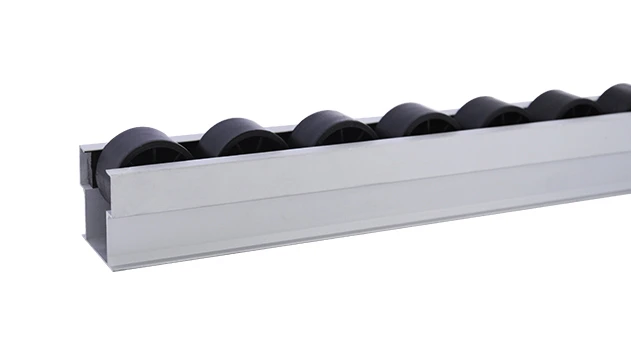
When it comes to optimizing your production line for efficiency, safety, and sustainability, every component matters. The 38 Aluminum Roller Track Black ESD is a staple in modern lean manufacturing setups, but many professionals still have questions about its uses, benefits, and integration. We've gathered insights from industry experts to answer the most common FAQs about this versatile product.
1. What exactly is the 38 Aluminum Roller Track Black ESD, and how does it fit into lean pipe system setups?
John Miller, a lean manufacturing consultant with 15 years of experience, explains: "The 38 Aluminum Roller Track Black ESD is a precision-engineered component designed to facilitate smooth material flow in production and assembly lines. It's made from high-quality aluminum with an electrostatic discharge (ESD) coating, which is critical for industries where static electricity can damage sensitive components like electronics."
"In a lean pipe system, this roller track works hand-in-hand with other elements like workbenches, flow racks, and conveyors to create a seamless workflow. For example, it can be integrated into a flow rack to allow parts to glide easily from storage to assembly stations, reducing manual handling and minimizing bottlenecks. Its modular design means it can be adjusted or reconfigured as production needs change, aligning perfectly with the core principles of lean manufacturing—waste reduction and continuous improvement."
2. Why choose black ESD-coated aluminum over other materials for roller tracks?
Sarah Chen, a materials engineer specializing in industrial components, breaks it down: "The black ESD coating isn't just for aesthetics—it serves a crucial functional purpose. ESD coatings prevent the buildup of static electricity, which is a major risk in industries like 3C assembly and medical device manufacturing. Without ESD protection, static discharges could ruin expensive electronic parts or compromise the sterility of medical equipment."
"Aluminum as the base material is ideal because it's lightweight yet durable. It resists corrosion better than steel in many environments, and its malleability allows for precise manufacturing of the roller track's shape. Compared to plastic alternatives, aluminum offers higher load-bearing capacity, making it suitable for heavier parts. The combination of aluminum's strength and the ESD coating's safety features makes this roller track a top choice for manufacturers who prioritize both performance and protection."

3. What are the key technical specifications of the 38 Aluminum Roller Track Black ESD that manufacturers should know?
To help manufacturers understand the product's capabilities, we've compiled a table of key specs based on expert input:
| Specification | Details |
|---|---|
| Material | Aluminum alloy with black ESD coating |
| Track Width | 38mm (standard size for compatibility with common lean system components) |
| Roller Diameter | Typically 25mm (varies by model, designed for smooth flow) |
| Load Capacity | Up to 50kg per meter (depends on installation and support) |
| ESD Resistance | 10^6 to 10^9 ohms (meets industry standards for static control) |
| Compatibility | Fits with standard aluminum profile accessories and lean pipe joints |
"These specs ensure that the roller track can handle the demands of high-volume production while maintaining ESD safety," notes Mark Taylor, a production line designer. "The 38mm width is a common standard, so it's easy to integrate with existing equipment or expand your setup later. The load capacity is sufficient for most small to medium-sized parts, making it versatile across different industries."

4. How does this roller track integrate with other lean system components like ESD workstations and flow racks?
"Integration is where the 38 Aluminum Roller Track Black ESD really shines," says Lisa Wong, a lean solutions architect. "Let's take an ESD workstation as an example. You can attach the roller track to the side of the workstation to create a dedicated area for parts to slide into the assembly zone. This reduces the time workers spend reaching for components, increasing efficiency and reducing fatigue."
"For flow racks, the roller track is the heart of the system. It's installed on the rack's shelves, allowing boxes or bins of parts to move from the back (where they're stocked) to the front (where they're used) via gravity. This 'first-in, first-out' (FIFO) system ensures that older inventory is used first, preventing waste from expired or obsolete parts. The roller track can also be combined with conveyors to create a fully automated material handling system, connecting different stages of production without manual intervention."
"Another key integration point is with aluminum profile accessories. Things like connectors, brackets, and end stops allow you to customize the roller track's layout—whether you need a straight line, a curve, or a split in the flow. This flexibility means the roller track can adapt to almost any production layout, making it a valuable asset for custom lean solutions."
5. In which industries is the 38 Aluminum Roller Track Black ESD most beneficial, and why?
"While this roller track is versatile enough for many manufacturing sectors, there are a few industries where it stands out," says David Kim, an industry analyst. "Let's start with 3C assembly—companies producing smartphones, laptops, and other consumer electronics rely heavily on ESD protection. The roller track's ability to prevent static damage makes it indispensable here."
"Medical device manufacturing is another key industry. The ESD coating helps maintain the integrity of sensitive medical equipment, and the aluminum material is easy to clean and sanitize, which is critical for compliance with strict hygiene standards. In, the roller track's durability and smooth flow make it perfect for high-throughput warehouses where parts need to move quickly and efficiently."
"Automotive and aerospace industries also benefit from this roller track. It can handle heavier parts like automotive components while still providing ESD protection for electronic systems in vehicles. The modular design allows manufacturers to adjust their production lines as new models are introduced, which is essential in these fast-paced industries."
6. What are the installation and maintenance best practices for this roller track?
"Proper installation is key to getting the most out of your roller track," advises Mike Lee, a field service technician with years of experience installing industrial equipment. "First, ensure that the surface where you're mounting the track is level. Uneven surfaces can cause parts to get stuck or move too quickly, leading to jams or spills. Use the right aluminum profile accessories—like brackets and connectors—to secure the track firmly. Loose connections can lead to wobbling or even the track coming apart during use."
"When it comes to maintenance, regular cleaning is essential. Dust and debris can accumulate on the rollers, slowing down material flow or causing parts to stick. Use a soft cloth or brush to remove dirt, and avoid harsh chemicals that might damage the ESD coating. Inspect the rollers and bearings periodically for wear and tear. If a roller is damaged or not spinning smoothly, replace it promptly to prevent further issues."
"Another tip is to lubricate the bearings occasionally, but be careful not to overdo it. Too much lubricant can attract dust, creating a sticky mess. Follow the manufacturer's guidelines for lubrication frequency and type. Finally, if you need to reconfigure the roller track, make sure to disconnect it properly and use the correct tools to avoid bending or damaging the aluminum."
7. Can the 38 Aluminum Roller Track Black ESD be customized for specific production line needs?
"Absolutely," says Jennifer Lopez, a custom solutions designer. "One of the biggest advantages of this roller track is its modularity. Whether you need a longer length, a specific curve radius, or a unique attachment point, it can be customized to fit your exact requirements."
"For example, if a customer needs a roller track that can handle extra-heavy parts, we can reinforce the aluminum or use larger rollers. If they need the track to fit into a tight space, we can cut it to a custom length and add end stops to prevent parts from falling off. We also offer custom ESD coatings for specific resistance levels, depending on the industry's requirements. This flexibility makes the roller track a go-to option for companies looking for a lean solution that's tailored to their unique production challenges."
"Customization also extends to integration with other systems. If a customer wants to connect the roller track to their existing ERP or MES software for inventory tracking, we can add sensors or barcode scanners to monitor part flow. This data can help identify bottlenecks and optimize the production process further. The possibilities are almost endless when it comes to customizing this roller track."
8. How does this product contribute to sustainability and cost efficiency in manufacturing?
"Sustainability is a hot topic in manufacturing these days, and the 38 Aluminum Roller Track Black ESD plays a role here," says Carlos Mendez, a sustainability consultant. "First, aluminum is highly recyclable. When the roller track reaches the end of its life, it can be melted down and reused without losing its quality. This reduces the environmental impact of manufacturing waste."
"Second, the roller track's durability means it has a long lifespan. Unlike plastic alternatives that might break or wear out quickly, this aluminum track can last for years with proper maintenance. This reduces the need for frequent replacements, saving both money and resources. The modular design also contributes to sustainability—instead of replacing an entire system when needs change, you can just reconfigure the roller track, minimizing waste from discarded components."
"Cost efficiency comes from multiple angles. The roller track reduces manual labor costs by automating material handling. It also minimizes waste from damaged parts (thanks to ESD protection) and expired inventory (thanks to FIFO flow). The long lifespan and low maintenance requirements mean lower total cost of ownership over time. For companies looking to cut costs while improving their environmental footprint, this roller track is a win-win."
9. What safety considerations should be kept in mind when using this roller track?
"Safety is always a top priority in industrial settings, and the 38 Aluminum Roller Track Black ESD has several safety features, but users still need to follow best practices," says Robert Davis, a workplace safety specialist.
"First, ensure that the roller track is installed correctly and securely. Loose or unstable tracks can cause parts to fall, leading to injuries or damage. Second, use appropriate load limits. Overloading the track can cause it to bend or break, which is a safety hazard. Always check the manufacturer's load capacity guidelines before use."
"Third, be mindful of ESD safety. Even though the track has an ESD coating, workers should still wear ESD-protective clothing like wrist straps or shoes to prevent static buildup. This creates a complete ESD protection system, reducing the risk of damage to sensitive components."
"Fourth, keep the area around the roller track clear of obstacles. Clutter can block the flow of parts or cause workers to trip. Finally, train employees on how to use the roller track properly. This includes knowing how to load parts, adjust the track, and perform basic maintenance. Proper training reduces the risk of accidents and ensures the track is used efficiently."
10. How does the 38 Aluminum Roller Track Black ESD compare to non-ESD alternatives in terms of performance and value?
"Let's break this down into performance and value," says Emily Wilson, a product comparison expert. "In terms of performance, the ESD version outshines non-ESD alternatives in industries where static is a concern. For example, in a 3C assembly line, a non-ESD roller track could lead to frequent component damage, resulting in downtime and lost revenue. The ESD coating eliminates this risk, making the track more reliable for sensitive applications."
"In terms of durability, both ESD and non-ESD aluminum roller tracks are similar—they're strong and long-lasting. However, the ESD coating adds an extra layer of protection against corrosion in some environments, which might extend the track's lifespan slightly."
"When it comes to value, the ESD version might have a higher upfront cost, but it offers a better return on investment in the right industries. The cost savings from reduced component damage and downtime far outweigh the initial price difference. For industries that don't need ESD protection, a non-ESD roller track might be more cost-effective, but for those that do, the 38 Aluminum Roller Track Black ESD is the clear choice."
The 38 Aluminum Roller Track Black ESD is more than just a component—it's a versatile tool that can transform your production line into a lean, efficient, and safe operation. Whether you're in 3C assembly, medical device manufacturing, or, this roller track offers the performance, flexibility, and protection you need to stay competitive.
By understanding its features, benefits, and best practices, you can make the most of this product and unlock the full potential of your lean manufacturing system. If you have more questions or need help integrating the 38 Aluminum Roller Track Black ESD into your setup, reach out to industry experts or suppliers who specialize in lean solutions—they can provide personalized advice to meet your specific needs.