- Company Articles
- FAQ
- FAQ
- One Way Rotatory Straight Lean Pipe Joints: FAQs on Selection & Usage

One Way Rotatory Straight Lean Pipe Joints: FAQs on Selection & Usage
Related Product
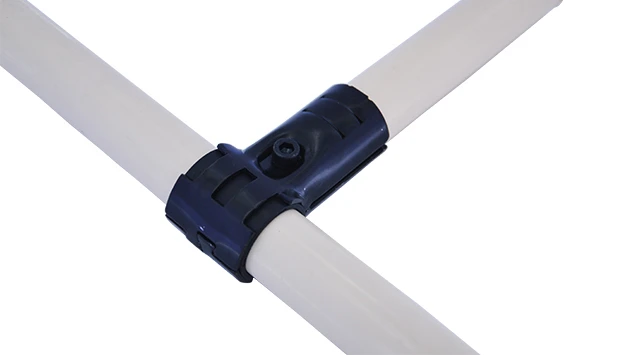
One Way Rotatory Straight Lean Pipe Joint
Two way lean pipe joint for 2 pcs 28MM lean pipe connection in straight angle with rotatory fucntion, which used widely in workbench, flow rack, hand trolley frame connection.
In the world of lean manufacturing, where efficiency, flexibility, and adaptability are the cornerstones of success, the humble lean pipe system often takes center stage. From workbenches that adapt to changing assembly needs to flow racks that keep materials moving seamlessly, these systems are the backbone of countless production floors, warehouses, and workshops. But if lean pipes are the "bones" of these structures, then the joints that connect them are the "ligaments"—quietly holding everything together while enabling the flexibility that makes lean systems so powerful. Among these joints, one type stands out for its unique ability to balance rigidity and movement: the one way rotatory straight lean pipe joint. If you're new to lean systems or looking to upgrade your current setup, you probably have a lot of questions about these specialized components. How do they work? Which one is right for your project? And how do you ensure they'll stand the test of time? Let's dive into the most common questions surrounding one way rotatory straight lean pipe joints, breaking down everything you need to know to make informed choices for your workspace.
1. What Exactly Are One Way Rotatory Straight Lean Pipe Joints?
Let's start with the basics: What makes a one way rotatory straight lean pipe joint different from the dozens of other joints on the market? At its core, this joint is designed to connect two lean pipes in a straight line while allowing controlled, one-directional rotation between them. Think of it as a hinge that only swings open in one direction—useful for creating structures where parts need to tilt, angle, or pivot without fully rotating 360 degrees. For example, imagine a flow rack where you want a section of roller track to tilt slightly downward to guide materials forward, but you don't want it to swing back and forth unpredictably. That's where this joint shines.
Typically made from durable materials like steel, aluminum, or coated alloys, these joints feature internal mechanisms (often ball bearings or friction pads) that limit rotation to a specific arc—usually 90 degrees or less. The "straight" part refers to their primary function: aligning pipes along a linear path, unlike elbow joints that connect pipes at angles. This combination of straight alignment and one-way rotation makes them incredibly versatile for applications where you need both structural stability and directional movement. Whether you're building an adjustable workstation, a tilting shelf for easy access, or a dynamic material handling system, these joints bridge the gap between fixed rigidity and full mobility.
2. How Do I Choose the Right One Way Rotatory Straight Lean Pipe Joint for My Project?
Selecting the right joint isn't just about grabbing the first one you see on a supplier's website—it requires thinking through your project's specific needs. To simplify the process, let's break down the key criteria you should consider:
| Selection Criteria | What to Consider | Example Scenarios |
|---|---|---|
| Pipe Diameter | Joints are designed to fit specific pipe sizes (e.g., 28mm, 30mm, or 40mm). Mismatched sizes will lead to instability. | If you're using 30mm aluminum lean pipes, a joint made for 28mm steel pipes won't secure properly. |
| Material Compatibility | Ensure the joint material works with your pipe material. For example, aluminum joints may corrode if paired with uncoated steel pipes in humid environments. | ESD-sensitive areas (like electronics manufacturing) may require conductive joints to prevent static buildup. |
| Load Capacity | Check the joint's maximum weight rating. Overloading can cause bending, jamming, or failure. | A joint rated for 50kg isn't suitable for a shelf holding 100kg of heavy components. |
| Rotation Range | Some joints rotate 45 degrees, others 90 degrees. Choose based on how much movement your project needs. | A workstation that tilts 30 degrees to access tools vs. a flow rack that tilts 60 degrees to feed materials. |
| Environmental Conditions | Exposure to moisture, chemicals, or high temperatures may require coated or stainless steel joints. | Food processing facilities need corrosion-resistant stainless steel to meet hygiene standards. |
Another factor to keep in mind is the intended use case . Are you building a static structure that will rarely move, or a dynamic system that will be adjusted daily? For high-frequency use, prioritize joints with smooth, low-friction rotation mechanisms (like ball bearings) to prevent wear and tear. For static setups, a simpler friction-based joint may be more cost-effective. And don't forget about compatibility with other lean pipe and accessories—will this joint work with the roller track, casters, or workbench components you already have? It's always a good idea to request samples or consult with your supplier to test compatibility before placing a bulk order.

3. Are These Joints Compatible with Different Types of Lean Pipes?
This is a common concern, especially if you're mixing and matching components from different suppliers or upgrading an existing lean system. The short answer is: it depends on the pipe type and joint design. Most one way rotatory straight lean pipe joints are engineered to work with standard lean pipe materials, but there are nuances to watch for.
Let's start with the most common pipe types:
- Steel Lean Pipes: Often coated with plastic (PE) for durability and grip, these are the traditional choice for lean systems. Most steel joints will work with these, but check the inner diameter—some joints are designed for the slightly thicker walls of coated pipes.
- Aluminum Lean Pipes: Lighter and corrosion-resistant, aluminum pipes are popular in cleanrooms or environments where weight matters. Aluminum joints are typically best here, as steel joints may cause galvanic corrosion when in direct contact with aluminum (unless coated with a non-conductive layer).
- Stainless Steel Pipes: Used in high-hygiene settings (like pharmaceuticals or food processing), stainless steel pipes require stainless steel joints to avoid rust and maintain sanitation. Look for joints labeled "stainless steel series" to ensure compatibility.
The key here is to match the joint's material and sizing to your pipes. For example, if you're using aluminum profile-based lean pipes (common in modular systems), you'll need joints with grooves or T-slots that align with the profile's ridges. Mismatched materials can lead to issues like loosening over time, corrosion, or even structural failure. When in doubt, ask your supplier for a compatibility chart—reputable lean pipe suppliers will have detailed guides on which joints work with which pipes.

4. What Tools and Skills Are Needed for Installation?
Installing one way rotatory straight lean pipe joints is generally straightforward, even if you're not a seasoned engineer. The tools required are basic: a hex key (Allen wrench), a torque wrench (for ensuring proper tightness), and possibly a rubber mallet for gently seating pipes into joints. Some joints may also require a Phillips-head screwdriver if they use set screws to secure pipes.
As for skills, the main thing is attention to detail. Here's a quick step-by-step to illustrate:
- Prepare the Pipes: Cut your lean pipes to the desired length (use a pipe cutter for clean edges) and deburr any sharp ends to prevent damaging the joint or injuring yourself.
- Align the Joint: Slide one pipe into the fixed end of the joint until it hits the internal stop. For the rotatory end, ensure the pipe is seated fully but not so tight that it restricts movement.
- Tighten the Fasteners: Use the hex key to tighten the joint's clamping screws. Be careful not to overtighten—this can strip the threads or warp the joint, limiting rotation. A torque wrench set to the manufacturer's recommended setting (usually 20-30 Nm for steel joints) is ideal here.
- Test Rotation: After securing, gently rotate the joint to ensure it moves smoothly within its intended range. If it sticks or feels loose, check for misalignment or overtightening.
The most common mistake? Rushing the alignment. If the pipes aren't straight before tightening, the joint may bind or wear unevenly over time. Take an extra minute to use a level or straightedge to ensure the pipes are aligned—your future self (and your lean system) will thank you. For complex setups, like multi-joint assemblies, it's often helpful to build the structure in stages, testing movement at each step before adding more components.
5. How Do I Maintain These Joints to Ensure Longevity?
Lean systems are built to last, but even the best joints need a little TLC to keep performing at their best. Maintenance for one way rotatory straight lean pipe joints is minimal, but ignoring it can lead to squeaky, stiff, or failed joints down the line. Here's what you need to do:
Regular Inspection: Check joints monthly (or more often in high-use areas) for signs of wear: loose screws, corrosion, or debris buildup. Pay special attention to joints near roller tracks or conveyor systems, where dust and debris can accumulate in the rotation mechanism.
Lubrication: If your joint has moving parts (like ball bearings), apply a small amount of lightweight machine oil or silicone spray every 3-6 months. Avoid heavy greases, which can attract dust and gum up the works. For ESD-sensitive environments, use ESD-safe lubricants to prevent static discharge.
Cleaning: Wipe down joints with a damp cloth to remove dirt, oil, or chemicals. For stainless steel joints, use a mild detergent to avoid scratching the surface. Never use abrasive cleaners, as they can wear away protective coatings.
Tightening: Over time, vibration from daily use can loosen screws. Periodically retighten the joint's fasteners to the manufacturer's torque specs—this simple step can prevent premature failure.
Replacement: If a joint becomes too stiff to rotate, shows signs of cracks, or can't be tightened properly, replace it immediately. Trying to "make do" with a damaged joint can compromise the entire structure's stability.
6. Can They Be Used with Other Lean System Components Like Roller Tracks?
Absolutely—and this is where the versatility of one way rotatory straight lean pipe joints really shines. Lean systems are all about modularity, and these joints play well with other components like roller tracks, workbenches, and flow racks. Let's take roller tracks as an example: Roller tracks are used to move materials along a path, but sometimes you need a section to tilt or angle to adjust the flow rate. By attaching a roller track to a one way rotatory joint, you can create a "variable angle" section that tilts downward to speed up material movement or levels out to slow it down.
For instance, in an assembly line, you might have a main roller track feeding parts to workers. Near the end of the line, you could use a joint to angle a shorter roller track downward, guiding finished products into a bin without manual lifting. The one-way rotation ensures the track stays in position once set, preventing accidental movement that could disrupt the flow. Similarly, when building a workstation, you could attach a tool shelf to a rotatory joint, allowing it to swing down for use and up to save space when not needed—all while keeping the shelf stable in both positions.
The key is to ensure the joint's load capacity matches the combined weight of the component (like the roller track) and the materials it will carry. A small joint meant for light pipes won't hold up if you attach a heavy steel roller track loaded with metal parts. Always check the joint's specs and factor in the weight of all connected components.
7. What Load Capacities Should I Consider?
Load capacity is perhaps the most critical factor when selecting a joint—overloading it is a recipe for disaster. But how do you know which capacity is right for your project? Start by calculating the total weight the joint will need to support, including the pipes, any attached components (like shelves or roller tracks), and the materials that will rest on or pass through the structure.
Joints are typically rated for two types of loads: static (weight when the structure is stationary) and dynamic (weight when parts are moving, like materials sliding down a tilted roller track). Dynamic loads are often more stressful, as they include momentum—so a joint rated for 100kg static might only handle 70kg dynamic. Always prioritize the dynamic load rating if your application involves movement.
As a general rule, err on the side of caution. If your calculations show you need a 50kg capacity, choose a joint rated for 75kg to account for unexpected stress (like someone leaning on the structure or dropping a heavy item). Most suppliers list load capacities clearly in their product descriptions, but don't hesitate to ask for test data if you're unsure. Remember: a joint that's slightly overrated is better than one that's underrated and fails mid-operation.
8. Where Can I Source Reliable One Way Rotatory Straight Lean Pipe Joints?
With so many suppliers on the market, finding a reliable source can feel overwhelming. The good news is that reputable lean pipe suppliers will have a few key traits that set them apart: clear product specs, responsive customer service, and a track record of quality. Here's how to narrow down your options:
Check for Certifications: Look for suppliers whose products meet industry standards, like ISO 9001 for quality management or ESD compliance certifications if you need anti-static components. This ensures the joints are tested and proven to perform as advertised.
Read Reviews and Ask for References: A quick online search can reveal a lot about a supplier's reputation. Look for reviews mentioning durability, compatibility, and customer support. If possible, ask for references from other businesses in your industry—they'll have real-world insights into how the joints hold up over time.
Request Samples: Before placing a bulk order, order a few sample joints to test. Check the fit with your pipes, test the rotation mechanism, and evaluate the build quality. A supplier who refuses to provide samples may be hiding subpar products.
Consider Local vs. International Suppliers: Local suppliers may offer faster shipping and easier returns, while international suppliers might have lower prices for bulk orders. Weigh the pros and cons based on your timeline and budget.
Finally, don't underestimate the value of good customer service. A supplier who takes the time to answer your questions, help you select the right joint, and troubleshoot issues is worth their weight in (lean) gold. After all, building a lean system is a partnership—and you want a partner who's invested in your success.
Wrapping Up: Why These Joints Matter
One way rotatory straight lean pipe joints may seem like small components, but they play a big role in making your lean system work for you. By balancing stability and flexibility, they allow you to build structures that adapt to changing needs—whether you're scaling up production, reconfiguring a workspace, or optimizing material flow. From selecting the right joint for your pipes to maintaining it for years of use, the key is to approach the process with intentionality: understand your project's needs, ask the right questions, and partner with a supplier you trust.
At the end of the day, a well-chosen joint isn't just a connector—it's an investment in the efficiency, safety, and adaptability of your workspace. And in the world of lean manufacturing, that's an investment that pays off every day.