- Company Articles
- FAQ
- FAQ
- Plastic Pipe Sleeve FAQs: Answering Common Questions About Industrial Use

Plastic Pipe Sleeve FAQs: Answering Common Questions About Industrial Use
Related Product
Plastic Pipe Sleeve
Plastic pipe sleeve to cover dia 28MM aluminum pipe end to contact with ground.
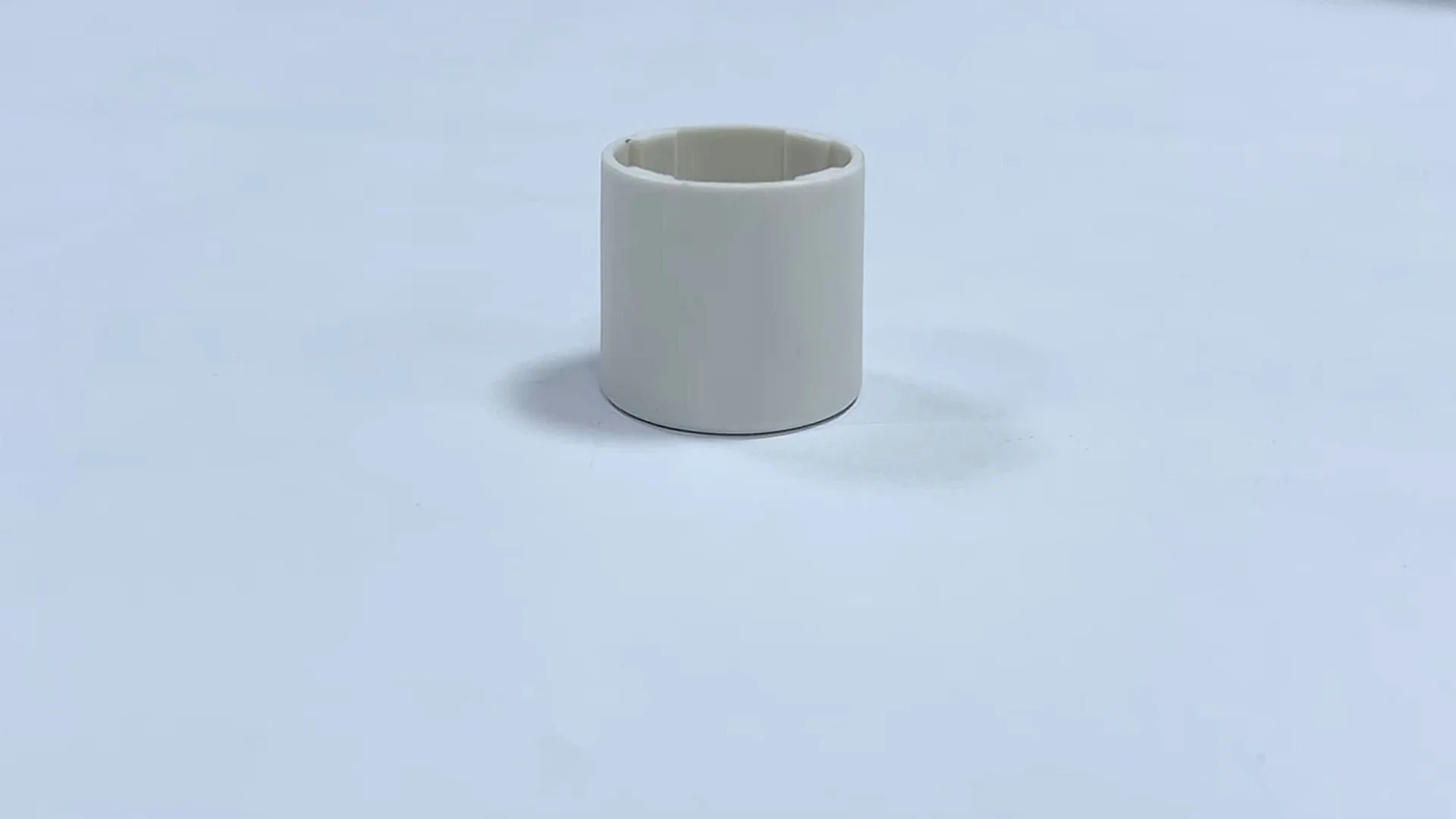
Walk into any manufacturing plant, warehouse, or assembly facility, and you'll see a symphony of moving parts: conveyor belts gliding, workbenches holding tools, and pipes snaking through the space to support everything from material racks to overhead systems. Amidst all this activity, there's a small but mighty component working behind the scenes: the plastic pipe sleeve. These unassuming pieces might not grab headlines, but they're the unsung heroes keeping operations smooth, safe, and efficient. If you've ever found yourself scratching your head about what plastic pipe sleeves do, how to choose the right one, or why they matter in industrial setups, you're in the right place. We've rounded up the most common questions about plastic pipe sleeves and answered them in plain, practical language—no jargon, just the details you need to make informed decisions for your workspace.
1. What Exactly Is a Plastic Pipe Sleeve, and How Does It Work in Industrial Settings?
Let's start with the basics: A plastic pipe sleeve is a hollow, cylindrical tube typically made from durable plastics like polyethylene (PE), polyvinyl chloride (PVC), or nylon. Its primary job? To cover, protect, or connect lengths of pipe—think of it as a "jacket" for pipes in industrial systems. But it's not just about protection. In many cases, plastic pipe sleeves also reduce friction between moving parts, insulate pipes from temperature changes, or even add a layer of customization (like color-coding for different workflows). Here's how they work in practice: Imagine a lean pipe system—a common setup in factories where pipes and joints create modular workbenches, material racks, or conveyor supports. Over time, the metal pipes in these systems can rub against each other, causing wear, scratches, or even noise. Sliding a plastic sleeve over the metal pipe creates a buffer, preventing direct contact and extending the life of the setup. Or, in a logistics center, plastic sleeves might line the edges of roller tracks, ensuring that boxes glide smoothly without catching on rough metal edges. In short, plastic pipe sleeves turn "good enough" setups into polished, long-lasting systems.
2. What Materials Are Plastic Pipe Sleeves Made From, and Does the Type Matter?
Not all plastic pipe sleeves are created equal—and the material they're made from makes a big difference in how they perform. Let's break down the most common options and when you might choose each: Polyethylene (PE): The workhorse of plastic sleeves. PE is flexible, impact-resistant, and affordable, making it ideal for general industrial use. It holds up well to moisture and mild chemicals, so you'll often see it in environments like warehouses or assembly lines where pipes are exposed to occasional spills or humidity. Polyvinyl Chloride (PVC): Stiffer than PE but more rigid, PVC sleeves excel in applications where shape retention matters. They're also resistant to oils, greases, and some acids, which makes them a favorite in automotive or machinery shops. Just note: PVC can become brittle in extreme cold, so it's not the best choice for freezers or outdoor winter setups. Nylon: If you need something tough, nylon is your go-to. It's heat-resistant (up to 200°F in some cases), abrasion-resistant, and has low friction—perfect for high-wear areas like conveyor roller tracks or moving parts that rub against pipes. Nylon sleeves are pricier than PE or PVC, but they last longer in heavy-duty scenarios. Polypropylene (PP): Lightweight and chemical-resistant, PP sleeves are great for cleanrooms or food processing facilities where hygiene is key. They're easy to clean, don't absorb moisture, and stand up to harsh sanitizers without degrading. So, does the material matter? Absolutely. Choosing the wrong one could lead to premature wear (e.g., using PE in a high-heat area) or unnecessary costs (e.g., splurging on nylon for a low-impact, dry environment). Always match the material to your workspace's specific conditions—temperature, chemicals, and wear and tear.

3. How Do Plastic Pipe Sleeves Differ From Plastic Pipe End Caps? When Should I Use Each?
If you're new to industrial pipe components, you might mix up plastic pipe sleeves and plastic pipe end caps—and you're not alone. Both are plastic, both work with pipes, but their roles are distinct. Let's clear up the confusion: Plastic Pipe Sleeves: As we've covered, these are long, hollow tubes designed to cover the length of a pipe. They're all about protection, reducing friction, or adding insulation along the pipe's surface. Think of them as a "sock" for the pipe—covering the middle part. Plastic Pipe End Caps: These are short, closed-ended caps that fit snugly over the ends of pipes. Their job? To seal the pipe's opening, preventing dust, debris, or moisture from getting inside. You'll see them on unused pipe ends, temporary setups, or pipes that transport small parts (to keep items from falling out the ends). When to use which? Let's say you're building a lean pipe workbench. The horizontal pipes supporting the tabletop will rub against vertical support pipes—so you'd slide plastic sleeves over the horizontal pipes to prevent scratches. Meanwhile, the unused end of a vertical pipe (maybe one that's not connected to another joint) would get a plastic pipe end cap to keep dirt out. In short: sleeves for the pipe's body, end caps for the pipe's "toes."

4. What Are the Most Common Industrial Applications for Plastic Pipe Sleeves?
Plastic pipe sleeves pop up in more places than you might think—they're the quiet problem-solvers of the industrial world. Here are their top uses: Lean Pipe Systems: Lean pipe setups (used for modular workbenches, material racks, or flow racks) rely on plastic sleeves to protect metal pipes from wear. For example, a lean pipe workbench in an electronics factory might use colored PE sleeves to color-code zones (blue for tools, yellow for raw materials), while also preventing metal-on-metal scratches that could damage sensitive components. Conveyor and Roller Tracks: In logistics or manufacturing, roller tracks move products from one station to the next. Plastic sleeves often line the edges of these tracks or cover the axles of rollers, ensuring that boxes or parts glide smoothly without jamming. A distribution center, for instance, might use nylon sleeves on roller track guide rails to reduce friction, letting packages slide faster with less manual push. Material Handling Trolleys: Turnover trolleys and racks—those wheeled carts used to move parts around—often have pipes for handles or frames. Plastic sleeves on these pipes make them more comfortable to grip (no cold metal on bare hands!) and prevent rust from transferring onto products like food containers or electronics. Automotive Assembly Lines: Cars are built with countless moving parts, and plastic sleeves play a role here too. They might cover pipes that route cables or hoses, protecting them from heat in the engine bay or abrasion from nearby metal parts. PVC sleeves are common here, thanks to their oil and grease resistance. Medical Device Manufacturing: Cleanrooms demand components that won't shed particles or harbor bacteria. PP or nylon sleeves are often used here to cover pipes in workstations, ensuring that sensitive medical tools stay contamination-free during assembly. The bottom line? If there's a pipe in an industrial space, there's a good chance a plastic sleeve is making it work better—quieter, smoother, or longer-lasting.

5. How Do I Choose the Right Size Plastic Pipe Sleeve for My Pipes?
Choosing the wrong size sleeve is a common mistake—and it can turn a simple upgrade into a frustrating headache. Too loose, and the sleeve slides around, defeating its purpose. Too tight, and you might crack the sleeve (or damage the pipe) trying to install it. Here's how to get the fit just right: Measure the Pipe's Outer Diameter (OD): This is the most critical step. Grab a caliper or a measuring tape and wrap it around the pipe—don't guess! For example, a standard lean pipe might have an OD of 28mm, so you'd need a sleeve with an inner diameter (ID) slightly larger than 28mm (usually 29-30mm) for a snug but slideable fit. Consider the Sleeve's Wall Thickness: Thicker walls mean more protection but less flexibility. If your pipe is in a high-wear area (like a roller track that sees constant contact), go for a thicker sleeve (e.g., 2mm wall thickness). For low-impact uses (like a static workbench frame), a thinner sleeve (1mm) will do. Account for Temperature Swings: Plastics expand and contract with heat and cold. If your workspace has extreme temperature changes (e.g., a warehouse that's hot in summer and cold in winter), opt for a sleeve with a slightly looser fit to avoid cracking when it shrinks in the cold. Check for Custom Cuts: Some sleeves come in fixed lengths (e.g., 1m or 2m), but if you need a specific size, many suppliers will cut them to order. Just measure twice and specify the exact length—no one wants to pay for a 3ft sleeve when they only need 2ft! Pro tip: If you're unsure, ask your supplier for a sample. Slide it over your pipe, wiggle it a bit—if it stays in place without being forced, you've got a winner. Most suppliers are happy to send small samples to ensure a perfect fit.
6. Can Plastic Pipe Sleeves Be Used with Lean Pipes? What You Need to Know
Lean pipe systems—those modular, customizable setups made from metal pipes and joints—are a staple in factories aiming for efficiency. And yes, plastic pipe sleeves are a match made in heaven for lean pipes. Here's why and how to use them together: First, let's recall what lean pipes are: Typically, they're metal pipes (often steel) coated in plastic (like PE) to start with, but over time, that coating can wear off, especially at joints or high-contact areas. Adding a plastic sleeve over the worn sections reinforces the protection, extending the pipe's life. For example, a lean pipe workbench that's used daily might develop scuffs where tools are dragged across the surface—sliding a PE sleeve over that area keeps the metal from scratching and the tools from getting damaged. Plastic sleeves also add versatility to lean pipe systems. Since they come in different colors, you can use them to color-code zones: red for "no-go" areas, green for completed products, or blue for tools. This visual cue helps workers navigate the space faster and reduces errors (e.g., placing a part on the wrong rack). Installation is a breeze, too. Most lean pipes have a smooth surface, so sleeves slide on easily—no adhesives needed. Just cut the sleeve to the length you need, warm it up slightly if it's stiff (a hair dryer works!), and slide it into place. For extra security, you can add a small zip tie at the ends to keep it from shifting, but in most cases, friction alone is enough. The only catch? Make sure the sleeve's inner diameter matches the lean pipe's outer diameter. Most standard lean pipes are 28mm or 30mm OD, so check your pipe specs before ordering. And if you're using heavy-duty lean pipes (like stainless steel), opt for a thicker nylon sleeve to handle the extra weight and wear.
7. How Do Plastic Pipe Sleeves Compare to Aluminum Profile Accessories? When to Choose One Over the Other
Aluminum profile accessories—like brackets, covers, or edge trims—are another common option for industrial pipe protection. So when should you pick plastic pipe sleeves instead? Let's compare them head-to-head in this table:
| Feature | Plastic Pipe Sleeves | Aluminum Profile Accessories |
|---|---|---|
| Material | PE, PVC, nylon, or PP | Aluminum (often anodized for corrosion resistance) |
| Weight | Lightweight (e.g., a 1m PE sleeve weighs ~50g) | Heavier (e.g., a 1m aluminum edge trim weighs ~150g) |
| Cost | Budget-friendly (typically $1–$5 per meter) | More expensive ($5–$15 per meter) |
| Flexibility | Flexible (PE and PP bend easily without breaking) | Rigid (aluminum bends only with tools and can crack) |
| Corrosion Resistance | Excellent (resists rust, moisture, and mild chemicals) | Good (anodized aluminum resists corrosion, but bare aluminum can oxidize) |
| Best For | General protection, friction reduction, color-coding, or temporary setups | Heavy-duty applications, high-temperature environments, or permanent installations needing a sleek look |
So, when to choose plastic? If you need something lightweight, affordable, or flexible—like covering a curved section of pipe or color-coding a lean system—plastic sleeves are the way to go. They're also easier to install (no screws or adhesives needed) and replace, making them great for temporary projects or setups that change often. Aluminum profile accessories shine when durability and aesthetics matter most. For example, in a high-end automotive plant where clients might tour the floor, aluminum trims give a polished, professional look. Or, in a foundry where temperatures reach 150°F+, aluminum holds up better than plastic (which could melt or warp). The bottom line: Plastic sleeves are your "everyday" solution, while aluminum accessories are for when you need to step up to something sturdier or more visually appealing.
8. How Do I Install a Plastic Pipe Sleeve Properly? Tips for a Secure, Long-Lasting Fit
Installing a plastic pipe sleeve might seem straightforward, but a few pro tips can make the difference between a sleeve that lasts years and one that slides off in weeks. Here's a step-by-step guide: Step 1: Prep the Pipe Surface Before sliding on the sleeve, clean the pipe thoroughly. Wipe off dirt, grease, or rust with a cloth and mild detergent (avoid harsh chemicals that might damage the pipe's coating). If the pipe has sharp edges (from cutting or welding), sand them down with fine-grit sandpaper—sharp edges will tear the sleeve over time. Step 2: Measure and Cut the Sleeve (If Needed) Most sleeves come in standard lengths (1m, 2m, etc.), but you might need a shorter piece. Use a sharp utility knife or scissors to cut the sleeve—for thicker materials like nylon, a hacksaw works better. Cut straight to avoid uneven edges that could catch on other parts. Step 3: Warm the Sleeve (For Stiff Materials) If your sleeve is rigid (like PVC in cold weather), warm it up slightly to make it more flexible. Hold it near a hair dryer (on low heat) for 10–15 seconds, or submerge it in warm water for a minute. Be careful not to overheat—plastic can melt! Step 4: Slide It On Align the sleeve with the end of the pipe and push gently. If it's tight, twist as you push—this reduces friction. For very tight fits, apply a tiny amount of soapy water to the pipe (it acts as a lubricant and dries without residue). Step 5: Secure (If Necessary) For most applications, friction will hold the sleeve in place. But if the pipe is vertical, or if there's a lot of movement (like on a conveyor), add a small zip tie or a dot of industrial adhesive (like super glue) at each end. Avoid over-tightening zip ties—they can crush the sleeve. Common Mistake to Avoid: Stretching the sleeve to fit. While some plastics (like PE) are flexible, stretching weakens the material, leading to cracks later. Always choose a sleeve with the right inner diameter instead of forcing a too-small one. With these steps, your sleeve should stay put and protect your pipe for years to come.
9. What's the Lifespan of a Plastic Pipe Sleeve, and How Do I Maintain It?
The lifespan of a plastic pipe sleeve depends on three factors: the material, the environment, and how much wear it takes. In general, you can expect: PE or PVC Sleeves: 2–5 years in moderate use (e.g., a static lean pipe workbench in a dry warehouse). If they're exposed to sunlight (UV rays), chemicals, or heavy friction, that lifespan drops to 1–2 years. Nylon or PP Sleeves: 5–7 years in moderate use, thanks to their durability. In high-wear areas (like roller tracks), they might last 3–4 years—still longer than PE or PVC. To extend your sleeve's life, maintenance is key. Here's what to do: Regular Cleaning: Wipe sleeves down with a damp cloth every few months to remove dirt and grime. For greasy environments (like auto shops), use a mild degreaser—avoid abrasive sponges that scratch the plastic. Check for Wear: Inspect sleeves monthly for cracks, tears, or thinning. Pay extra attention to areas near joints or where parts rub against the sleeve (these are high-wear zones). If you spot damage, replace the sleeve immediately—small cracks can quickly turn into big problems. Protect from UV Rays: If sleeves are outdoors or near windows, UV light can make them brittle. Apply a UV-resistant spray (available at hardware stores) or cover them with a shade to slow degradation. Avoid Extreme Temperatures: Keep PVC sleeves away from freezers, and don't expose nylon sleeves to temperatures above 200°F. Extreme heat or cold accelerates wear. When it's time to replace a sleeve, don't delay. A worn sleeve leaves the pipe exposed to damage, which could lead to costly repairs (e.g., replacing a rusted lean pipe) down the line. The good news? Since sleeves are affordable, replacing them is a small investment to protect bigger assets.
10. Are Plastic Pipe Sleeves Environmentally Friendly? Can They Be Recycled or Reused?
Sustainability is top of mind for many industrial operations, and plastic pipe sleeves are no exception. The short answer: It depends on the material and how you handle them. Recyclability: Most plastic sleeves are recyclable, but it varies by type: - PE and PP sleeves are widely recyclable (check your local recycling program for codes #2 and #5, respectively). - PVC is recyclable but less commonly accepted—many facilities don't process it due to chemical concerns. - Nylon is technically recyclable but often requires specialized facilities, so it might end up in landfills unless you work with a plastic recycling company. Reusability: If a sleeve is still in good shape (no cracks, tears, or thinning), it can be reused! For example, a sleeve from a retired lean pipe workbench might find a new life on a material trolley. Just clean it thoroughly before reusing. Eco-Friendly Alternatives: If sustainability is a priority, look for sleeves made from recycled plastic or bioplastics (plant-based plastics that break down faster). These are slightly pricier but reduce your carbon footprint. Disposal Tips: If recycling isn't an option, don't throw sleeves in the trash. Many industrial suppliers offer take-back programs for old plastic components—ask your supplier if they participate. You can also check with local industrial waste facilities, which often have better recycling options than curbside programs. The bottom line: Plastic pipe sleeves don't have to be an environmental burden. With proper recycling, reuse, and material choices, you can keep them out of landfills and reduce your operation's impact.
Wrapping Up: Why Plastic Pipe Sleeves Deserve a Spot in Your Industrial Setup
At first glance, plastic pipe sleeves might seem like small, unimportant parts—but as we've explored, they play a big role in keeping industrial systems running smoothly. From protecting lean pipes to reducing friction on conveyor tracks, they solve problems you might not even know you have until they're fixed. Whether you're building a new lean pipe workbench, upgrading a roller track, or just looking to extend the life of your current setup, choosing the right plastic pipe sleeve (and installing it properly) can save time, money, and headaches. Remember to match the material to your environment, measure twice before cutting, and keep an eye on wear and tear—your pipes (and your bottom line) will thank you. So the next time you're on the factory floor, take a second look at those plastic sleeves. They might not be the stars of the show, but they're the unsung heroes keeping everything moving.