- Company Articles
- FAQ
- FAQ
- Roller Track Placon Mount Connector FAQs: Expert Answers to Common Questions

Roller Track Placon Mount Connector FAQs: Expert Answers to Common Questions
Related Product
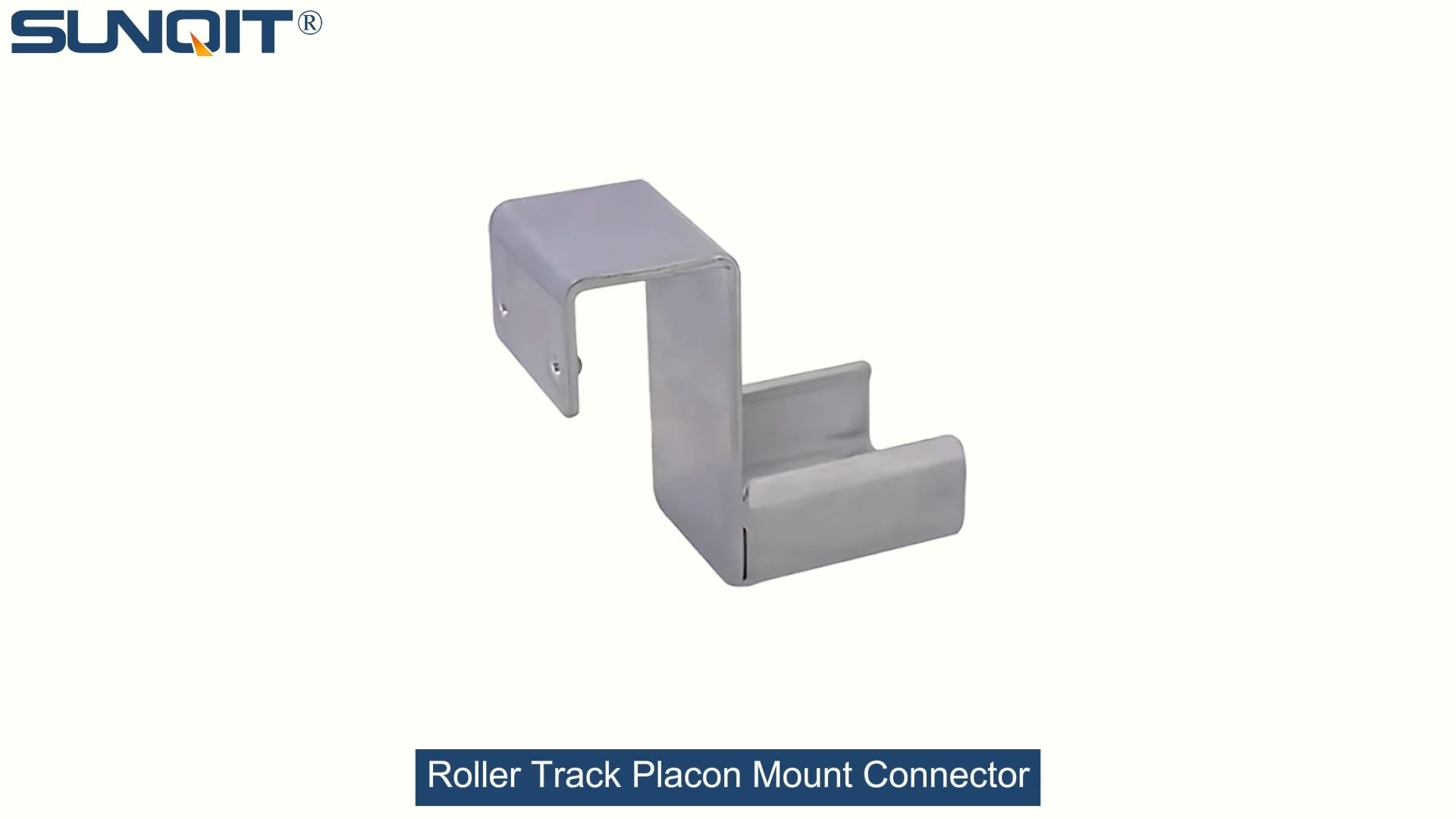
Roller Track Placon Mount Connector
Roller track placon mount work as a connector for roller track and pipe or aluminum profile in rack syetem, it is a necessary parts in rack system which widely used in industrial plant and logistic,warehouse storage.
Whether you're setting up a new production line or optimizing an existing workflow, navigating the world of lean manufacturing components can feel overwhelming. We've gathered the most pressing questions about roller track placon mount connectors—those unsung heroes of efficient material flow—and answered them with the clarity and practicality you need. Let's dive in.
1. What Exactly Is a Roller Track Placon Mount Connector, and How Does It Fit Into Lean Manufacturing?
Imagine you're designing a production line where small parts need to glide smoothly from one workstation to the next—no jams, no delays, no wasted motion. That's where a roller track placon mount connector steps in. Simply put, it's the precision-engineered link that secures roller tracks to aluminum profiles or workbenches, ensuring stability while maintaining the flexibility lean manufacturing demands.
But it's more than just a "connector." In lean systems, every component must serve the dual goals of eliminating waste and enabling continuous improvement. These connectors excel here: they lock roller tracks firmly in place, yet allow quick adjustments if you need to reconfigure your line for a new product. Think of them as the "adapters" that turn rigid structures into adaptable, future-ready workspaces. Whether you're building a flow rack for warehouse picking or a conveyor system for 3C assembly, these connectors are the quiet force that keeps materials moving—exactly how lean principles intended.
2. What Materials Are Used in Roller Track Placon Mount Connectors, and Why Does It Matter for My Production Line?
The material of your connector isn't just a detail—it directly impacts durability, load capacity, and even cost over time. Here's a breakdown of the most common options, designed to help you choose what works for your workflow:
| Material | Best For | Key Benefit | Consideration |
|---|---|---|---|
| Aluminum Alloy | 3C Assembly, Medical Equipment | Lightweight yet strong; resists corrosion | Perfect for cleanrooms or ESD-sensitive environments |
| Steel (Zinc-Plated) | Heavy-Duty Manufacturing (Automotive, Machinery) | High load capacity (up to 50kg per linear meter) | Slightly heavier, ideal for metal parts or bulk materials |
| Reinforced Nylon | Low-Noise Environments (Electronics Assembly) | Reduces vibration and friction; non-conductive | Best for lightweight components like circuit boards |
For most manufacturers, aluminum alloy strikes the sweet spot: it balances strength, weight, and sustainability (aluminum is 100% recyclable, aligning with lean's "reduce waste" ethos). If your line handles heavy automotive parts, though, steel might be the safer bet. We've seen clients in medical device production swear by aluminum connectors for their ability to maintain sterile conditions—no rust, no flaking, just reliable performance.
Our aluminum connectors, paired with aluminum lean pipe and profiles, are designed to last through countless reconfigurations, making them a cornerstone of reusable lean systems.

3. How Do I Choose the Right Connector for My Application? (3C Assembly vs. Medical vs.)
We once worked with a 3C manufacturer who installed standard connectors on their roller tracks, only to find them loosening after weeks of high-speed phone component transfers. The issue? They'd overlooked their unique needs: frequent line changes and ESD (electrostatic discharge) sensitivity. That's why matching the connector to your industry matters.
Your Industry-Specific Guide:
- 3C Assembly (Phones, Laptops): Go for ESD-safe aluminum connectors with internal rotation joints. These resist static buildup (critical for circuit boards) and let you pivot tracks by 30°-180° when switching between product models. Our clients here love the roller track placon mount joint with ESD coating —it's saved them from costly component damage.
- Medical Device Production: Prioritize corrosion-resistant materials and smooth, crevice-free designs (no hidden spots for bacteria). Stainless steel or anodized aluminum connectors work best here. For example, our aluminum guide rail B with sealed joints is a staple in cleanrooms, where hygiene is non-negotiable.
- Warehouse Logistics (Flow Racks): Focus on load capacity and quick installation. Steel-reinforced connectors like our 40 roller track placon mount flat handle heavy cartons without bending, and their "click-and-lock" design cuts assembly time by 40% compared to traditional bolts.
Still unsure? Ask yourself: How often will I reconfigure my line? What's the maximum weight my tracks will carry? Are there environmental constraints (ESD, moisture)? Our lean solution team can also run a free workflow assessment to pinpoint your perfect fit.

4. Can These Connectors Work with Other Lean Components Like Aluminum Pipes or ESD Workstations?
Absolutely—and that's where their true value shines. Lean manufacturing thrives on interoperability, and roller track placon mount connectors are built to play well with others.
For example, pair them with aluminum lean pipes to build custom flow racks: the connectors attach seamlessly to the pipes' T-slot profiles, letting you adjust track height or angle in minutes. We've seen clients combine this with ESD workbenches to create "all-in-one" stations where parts roll directly from the track to the assembly table—no more walking to retrieve materials, no more wasted steps.
Need to integrate with conveyors? Our roller track placon mount connector for conveyor connection bridges the gap between roller tracks and belt conveyors, ensuring a smooth handoff of goods. It's like having a universal adapter for your entire lean system—no need to overhaul existing equipment.

5. How Do Roller Track Placon Mount Connectors Support the "Reusable and Continuously Improveable" Lean Philosophy?
"Lean isn't about building something perfect once—it's about building something that gets better every day."
We couldn't agree more. These connectors embody that mindset in three key ways:
- Reusability: Unlike welded or glued joints, these connectors are designed to be taken apart and reassembled repeatedly. A client in automotive manufacturing recently repurposed 80% of their connectors from a discontinued line to build a new one—saving $12,000 in replacement parts.
- Continuous Improvement: Let's say your current line has a bottleneck at the packaging station. With our parallel rotatory aluminum joint , you can pivot the roller track 45° to redirect flow—no tools, no downtime, just instant optimization. It's lean's "PDCA" (Plan-Do-Check-Act) cycle in hardware form.
- Waste Reduction: By enabling modular designs, they eliminate overbuilding. Why construct a fixed conveyor when you can add/remove track sections as needed? One electronics client cut their initial setup costs by 35% by using connectors to scale their line incrementally.
At the end of the day, these connectors don't just hold tracks together—they hold your commitment to lean principles.
6. Are They Easy to Install? I'm Not a Mechanical Engineer—Will My Team Struggle?
We designed these connectors with your team in mind—no fancy degrees required. Let's walk through a typical installation:
Take our roller track placon mount bracket : Align the bracket with your aluminum profile, slide in the locking pin, and tighten the thumb screw. That's it. No drilling, no measuring, no wrestling with nuts and bolts. We even include color-coded guides in the packaging to match connectors with compatible tracks (e.g., yellow for plastic roller tracks, grey for aluminum).
Still nervous? We've got you covered: every order comes with a 10-minute installation video, and our tech support team is on call 24/5 to troubleshoot. One warehouse manager told us, "My night shift crew—most with no prior assembly experience—set up a 20-foot flow rack in under 2 hours using these connectors. I was shocked."
Pro tip: For large-scale projects, ask about our on-site training sessions. We'll walk your team through best practices, so you can hit the ground running.
7. What Maintenance Do These Connectors Need to Last in High-Volume Production?
High-volume production lines don't take days off—and neither should your connectors. The good news? With minimal care, they'll outlast even your busiest seasons.
Quick Maintenance Checklist (5 Minutes/Week):
- Clean: Wipe connectors with a dry cloth to remove dust or debris (use isopropyl alcohol for medical/cleanroom environments).
- Tighten: Check thumb screws or locking pins—vibration from constant use can loosen them slightly. A ¼-turn with a standard wrench is usually enough.
- Lubricate (if needed): For rotating connectors (like our 180° swivel lean pipe joint ), apply a drop of silicone lubricant every 3 months to keep movement smooth.
We also recommend a quarterly "deep dive": inspect for cracks in plastic components, test load capacity with a sample weight, and replace any worn parts (our replacement kits ship same-day). One automotive client followed this routine and reported zero connector failures in 3 years of 24/7 operation.
8. How Do You Ensure Quality? I've Had Bad Experiences with Cheap, Flimsy Connectors Before.
We get it—there's nothing worse than installing a connector, only to have it snap under the first load. That's why we build ours to survive the toughest conditions, starting with raw materials.
Every aluminum connector is made from 6063-T5 aluminum alloy—known for its strength and corrosion resistance—then anodized to prevent scratches. Steel components undergo zinc plating for rust protection, and plastic parts are injection-molded from high-impact nylon (no brittle, recycled plastics here). We also test each batch to extremes: temperature cycling (-40°C to 80°C), load testing (up to 100kg per connector), and 10,000+ rotation cycles for swivel joints.
But don't just take our word for it. We're ISO 9001 certified, and our connectors meet RoHS standards for electronics safety. Plus, we stand behind every product with a 2-year warranty—if a connector fails due to defects, we'll replace it and cover shipping. As one repeat customer put it, "I used to replace connectors monthly. Now, I buy once and forget about them."
9. Do You Offer Wholesale Pricing for Bulk Orders? What About Custom Designs?
Whether you're a small manufacturer needing 50 connectors or a global enterprise ordering 5,000, we've tailored our services to fit. For wholesale buyers, our tiered pricing starts at 100+ units, with discounts up to 35% for large orders. We also offer flexible shipping—consolidated pallets to reduce costs, or split deliveries to match your production timeline.
Need something "off the catalog"? Our custom design team thrives on unique challenges. Recently, a 3C client needed a connector that could attach roller tracks to curved aluminum profiles—a shape no standard connector could handle. We prototyped, tested, and delivered a solution in 2 weeks, complete with 3D-printed samples for approval first. From modified load capacities to custom colors (for brand-aligned workspaces), we turn your "impossible" into "done."
Ready to discuss wholesale or custom options? Reach out with your project details, and we'll draft a quote within 24 hours—no pushy sales tactics, just straightforward pricing.
10. Why Should I Choose Your Company Over Other Lean System Suppliers?
It's simple: we don't just sell connectors—we partner with you to make your lean journey successful. Here's what sets us apart:
- Lean Expertise, Not Just Parts: Our team includes certified lean practitioners who can help you design workflows that maximize your connectors' potential. We don't just say "we support lean principles"—we've helped clients reduce waste by 28% on average through smarter component selection.
- Inventory You Can Count On: With 3 warehouses worldwide, we stock over 50,000 connectors and lean components. That means 99% of orders ship same-day, so you never wait for critical parts.
- Sustainability at Heart: All our aluminum products are 100% recyclable, and we offset 100% of shipping emissions. For clients focused on green manufacturing, this isn't just a bonus—it's a commitment we share.
At the end of the day, we measure our success by yours. When you choose us, you're not just getting a connector—you're getting a partner invested in making your production line faster, smarter, and more resilient. Let's build something great together.
Got a question we didn't answer? Reach out to our lean solution team —we're here to help you build a workflow that works as hard as you do.