- Company Articles
- FAQ
- FAQ
- The Complete FAQ Guide to 60 Aluminum Roller Track White: Everything You Need to Know

The Complete FAQ Guide to 60 Aluminum Roller Track White: Everything You Need to Know
Related Product
60 Aluminum Roller Track White
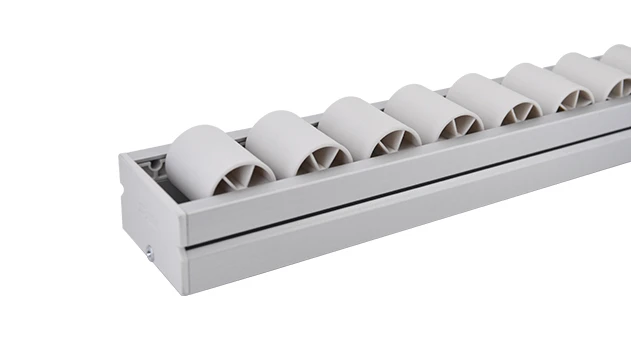
Modular system roller tracks aluminum gravity roller tracks are an excellent solution for transporting materials within industrial environments, warehouses and distribution centres.
What exactly is 60 Aluminum Roller Track White?
60 Aluminum Roller Track White is a versatile, lightweight component designed for smooth material handling in industrial settings. It's part of the broader lean system ecosystem, featuring a white-coated aluminum frame with integrated rollers that allow parts, boxes, or components to slide easily from one point to another. The "60" refers to its standard width (60mm), making it compatible with many common industrial profiles and accessories. This track is built to support efficient, flow-based operations—whether you're moving small parts on a workstation or bulk items in a warehouse. Its white finish isn't just for aesthetics; it also provides an extra layer of corrosion resistance and helps keep the track clean by hiding minor dust or debris.
What are the key features of 60 Aluminum Roller Track White?
Let's break down the features that make this track a go-to choice for manufacturers and warehouses:
- Durable Material: Made from high-quality aluminum extrusion profile, it's lightweight yet strong enough to handle regular industrial use.
- Corrosion Resistance: The white coating protects against moisture and chemicals, ideal for environments like 3C assembly lines or medical device workshops.
- Smooth Flow: Precision-engineered rollers reduce friction, ensuring items glide without jams or delays.
- Easy Integration: Compatible with a wide range of aluminum profile accessories, including end caps, connectors, and mounting brackets.
- Load Capacity: Can support up to 50kg per meter (varies by length and roller spacing), making it suitable for both light and medium-duty applications.
- Customizable Lengths: Available in standard lengths (1m, 2m, 3m) or can be cut to your exact needs for a perfect fit.
Where is 60 Aluminum Roller Track White commonly used?
This track shines in any setting where efficient material flow is critical. Here are the most popular applications:
1. Flow Racks
It's a core component of flow racks, where it enables first-in-first-out (FIFO) inventory management. Warehouse teams use these racks for picking lines—boxes slide down the track to the picker, reducing reach time and minimizing errors.
2. Conveyor Systems
Integrated into conveyor systems, it helps move parts between stations in assembly lines (like 3C or automotive assembly). For example, in a mobile phone production line, the track can carry circuit boards from the soldering station to the testing station smoothly.
3. Lean Pipe Workbenches
Attached to lean pipe workbenches, it creates a seamless transfer of components from storage to the operator's workspace. This cuts down on unnecessary movements, aligning with lean manufacturing principles of eliminating waste.
4. Material Handling Racks
Used in material racks to organize and move bins of small parts (like screws, nuts, or electronic components) in workshops. The white color makes it easy to spot items and maintain a clean workspace.
5. Custom Lean Solutions
As part of custom lean solutions, it's adapted for unique needs—such as medical device manufacturing, where hygiene and precision are key. The corrosion-resistant coating ensures compliance with strict cleanliness standards.
How does 60 Aluminum Roller Track White integrate with other lean system components?
One of its biggest strengths is compatibility with other lean system parts. Let's see how it works with common components:
You can use end caps to protect the track's edges from damage and prevent items from sliding off. Mounting brackets help attach the track to aluminum profiles (like 4040 or 3030) to build custom flow racks or conveyor sections. For example, using a 90° aluminum crossing joint allows you to connect two tracks at a right angle for corner transfers.
2. Lean Pipe Workbenches
By mounting the track to a lean pipe workbench, you create a dedicated area for parts to slide directly to the operator. This is especially useful in 3C assembly lines where workers need quick access to small components. The track can be adjusted or removed easily if the workstation layout changes—aligning with the lean principle of flexibility.
3. Flow Racks & Conveyors
In flow racks, multiple tracks are arranged in tiers to create a FIFO system. For conveyors, the track can be linked with other sections (like belt conveyors) to form a complete material handling line. The white finish of the track blends well with other aluminum components, giving your setup a professional, uniform look.
4. Turnover Trolleys
Some teams mount the track on turnover trolleys to move parts between departments. The lightweight aluminum design ensures the trolley remains easy to push even when loaded with items.
What technical specifications should I consider before buying?
To ensure the track fits your needs, pay attention to these specs:
| Specification | Details |
|---|---|
| Width | 60mm (standard) |
| Roller Diameter | 12mm (steel or plastic options) |
| Roller Spacing | 50mm or 75mm (adjustable based on load) |
| Load Capacity per Meter | Up to 50kg (varies by roller material and spacing) |
| Length Options | 1000mm, 2000mm, 3000mm (custom lengths available) |
| Material Thickness | 1.5mm (aluminum frame) |
| Surface Treatment | White powder coating (corrosion-resistant) |
| Compatibility | Fits 4040, 3030, and 2020 aluminum profiles |
Always check the load capacity for your specific use case. For example, if you're moving heavy boxes (over 30kg per meter), opt for closer roller spacing (50mm) to distribute weight evenly.
How do I install 60 Aluminum Roller Track White correctly?
Installation is straightforward, but following these steps ensures a stable, long-lasting setup:
Tools You'll Need:
Allen wrench set, screwdriver, tape measure, level, mounting brackets (compatible with your profile), and end caps.
Step-by-Step Process:
- Measure & Mark: Decide where to mount the track (e.g., on a flow rack or workstation). Use a tape measure to mark the exact position, and a level to ensure it's straight (this prevents items from sliding to one side).
- Attach Mounting Brackets: Secure the brackets to the aluminum profile (or workstation frame) using Allen bolts. Make sure the brackets are spaced evenly (every 500mm is ideal) to support the track's weight.
- Place the Track: Lay the 60 Aluminum Roller Track White onto the brackets. Align it with your marks, then tighten the bolts to fix it in place. Double-check that the track is level again.
- Add End Caps: Snap or screw on the end caps to the track's edges. This protects the track and prevents items from falling off.
- Test the Flow: Slide a few items (similar to what you'll use in daily operations) along the track to ensure there are no jams or rough spots. If something sticks, adjust the brackets or check for debris in the rollers.
Pro Tip: For conveyor systems, leave a small gap (1-2mm) between track sections to allow for expansion due to temperature changes. This prevents warping or damage over time.
How do I maintain the track for long-lasting performance?
Proper maintenance keeps the track running smoothly and extends its lifespan. Here are some key tips:
- Regular Cleaning: Wipe the track with a dry cloth every week to remove dust or debris. For stubborn dirt, use a mild detergent (avoid harsh chemicals that can damage the white coating).
- Lubrication: Apply a small amount of silicone lubricant to the rollers every 3 months. This reduces friction and prevents rust (for steel rollers).
- Inspection: Check the brackets and bolts monthly to ensure they're tight. Loose brackets can cause the track to shift, leading to jams or uneven flow.
- Damage Repair: If the white coating gets scratched, use a touch-up paint (matching the white color) to prevent corrosion. For bent rollers, replace them immediately to avoid disrupting flow.
- Avoid Overloading: Never exceed the track's load capacity. Overloading can bend the aluminum frame or damage the rollers, leading to costly repairs.
For high-use areas (like busy assembly lines), increase the cleaning and inspection frequency to every 2 weeks. This helps catch issues early before they affect production.
Can I customize the track for my specific needs?
Yes! 60 Aluminum Roller Track White is highly customizable as part of a lean solution. Here are some common customizations:
- Custom Lengths: Need a track shorter than 1m or longer than 3m? Suppliers can cut it to your exact measurements.
- Roller Material: Choose between steel rollers (for heavy loads) or plastic rollers (for lightweight parts or noise reduction).
- End Treatments: Add brake rollers to certain sections to slow down items, or guide rails to keep items centered.
- Surface Finish: While white is standard, some suppliers offer other colors (like gray) if you need to match your workspace's color scheme.
- Mounting Options: Get custom brackets to attach the track to non-standard profiles or surfaces (like wooden workbenches).
When requesting customization, be sure to share details about your use case (e.g., load size, environment, integration needs) so the supplier can recommend the best options. This ensures the track fits perfectly into your lean system and supports your operational goals.
Why choose 60 Aluminum Roller Track White over steel or plastic alternatives?
Let's compare it to other common materials to see the advantages:
| Feature | 60 Aluminum Roller Track White | Steel Roller Track | Plastic Roller Track |
|---|---|---|---|
| Weight | Lightweight (easy to install/move) | Heavy (hard to adjust) | Very light (less durable) |
| Corrosion Resistance | High (white coating) | Low (needs painting) | Medium (depends on plastic type) |
| Load Capacity | Medium-High (up to50kg/m) | High (up to100kg/m) | Low (up to20kg/m) |
| Cost-Effectiveness | Balanced (durable + affordable) | Expensive (high material cost) | Cheap (but short lifespan) |
| Flexibility | High (easy to customize/integrate) | Low (hard to cut/adjust) | Medium (limited customization) |
| Noise Level | Low (smooth rollers) | High (metal-on-metal friction) | Low (soft rollers) |
For most industrial applications (like 3C assembly, medical device manufacturing, or warehouse picking), 60 Aluminum Roller Track White strikes the perfect balance between durability, flexibility, and cost. It's not as heavy as steel but more durable than plastic—making it a smart long-term investment.
Where can I get wholesale 60 Aluminum Roller Track White?
To get wholesale quantities, look for a reputable lean pipe supplier that specializes in aluminum components. Here are some things to consider when choosing a supplier:
- Product Quality: Ensure the supplier uses high-grade aluminum extrusion profile and precision rollers. Ask for samples to test the track's flow and durability.
- Customization Support: Choose a supplier that offers custom lengths, roller options, and mounting brackets—this is key if you need a lean solution tailored to your operations.
- Lead Times: Check how long it takes to fulfill bulk orders. For urgent needs, look for suppliers with in-stock inventory of standard lengths.
- Pricing: Compare quotes from multiple suppliers, but don't compromise on quality for a lower price. A cheap track may fail quickly, leading to downtime and extra costs.
- After-Sales Service: Opt for a supplier that provides technical support (like installation guidance) and warranty coverage for their products.
Many suppliers offer discounts for large orders, so be sure to ask about wholesale pricing tiers. For example, ordering 100+ meters may get you a 10-15% discount, which adds up for big projects.
What are common issues with the track and how to fix them?
Even with proper maintenance, you may encounter small issues. Here's how to resolve them:
1. Roller Jams
Issue: Items get stuck on the track. Fix: Check for debris (like dust or small parts) in the rollers. Clean the track with a brush, then lubricate the rollers. If the jam persists, check if any rollers are bent—replace them if needed.
2. Uneven Flow
Issue: Items slide to one side or slow down in certain sections. Fix: Use a level to check if the track is straight. Adjust the mounting brackets to level the track. If the problem continues, check if the rollers are aligned correctly.
3. Loose Brackets
Issue: The track shifts or wobbles when items slide on it. Fix: Tighten the bolts with an Allen wrench. If the brackets are worn out, replace them with new ones to ensure a secure fit.
4. Corrosion Spots
Issue: Small rust spots appear on the rollers or frame. Fix: For steel rollers, apply rust remover then lubricate. For the aluminum frame, use touch-up paint to cover the spot and prevent further corrosion.
5. Noise
Issue: The track makes loud noises when items slide. Fix: Lubricate the rollers with silicone oil. If the noise is from metal-on-metal contact, check if the items are hitting the track's edges—add guide rails to keep them centered.
What final tips do you have for using 60 Aluminum Roller Track White effectively?
To get the most out of your track, keep these tips in mind:
- Plan Your Layout: Before installing, map out your material flow to ensure the track is placed in the most efficient location. This reduces unnecessary movements and improves productivity.
- Train Your Team: Teach your workers how to use the track properly (e.g., not overloading it, keeping it clean). This prevents damage and ensures everyone benefits from the lean system.
- Iterate & Improve: Lean manufacturing is about continuous improvement. If you notice bottlenecks in the flow, adjust the track's position or add more sections to optimize the process.
- Stock Spare Parts: Keep extra rollers, brackets, and end caps on hand. This allows you to fix issues quickly without waiting for replacements.
60 Aluminum Roller Track White is more than just a material handling component—it's a tool to build a more efficient, flexible workspace. Whether you're setting up a new flow rack or upgrading an existing conveyor system, this track can help you achieve your lean goals and boost operational efficiency.