- Company Articles
- FAQ
- FAQ
- The Complete FAQ Guide to Aluminum Pipe Adjustable Leveling Feet

The Complete FAQ Guide to Aluminum Pipe Adjustable Leveling Feet
Related Product
Aluminum Pipe Adjustable Leveling Feet
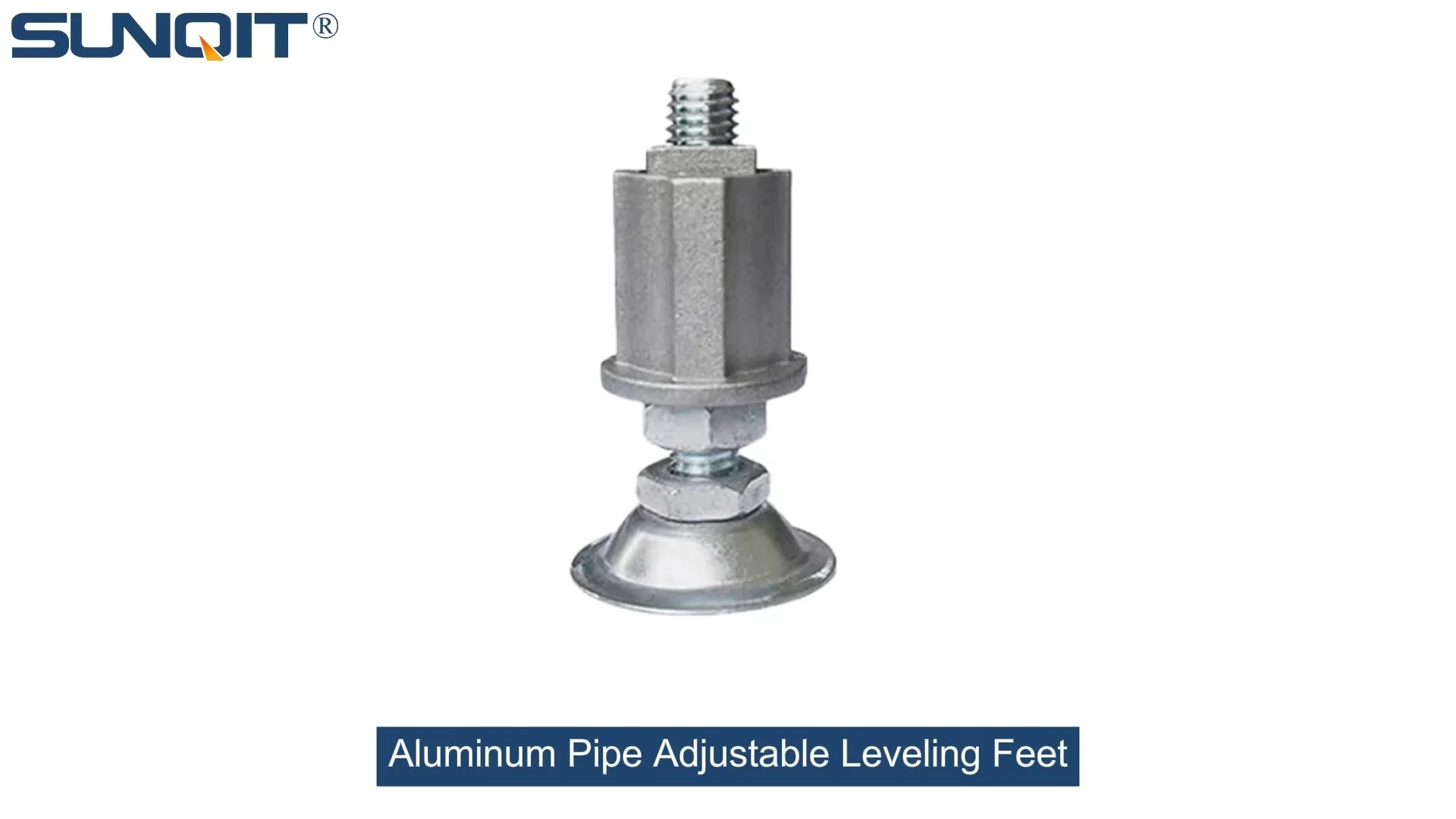
Aluminum Pipe Adjustable Leveling Feet are designed to keep machines level when placed on uneven or sloped ground. Otherwise known as adjustable equipment feet, they are available to order in a wide variety of size and load capacity combinations.
In the world of industrial workspaces, manufacturing setups, and lean systems, stability and precision are everything. Whether you're assembling a lean pipe workbench, setting up an aluminum profile conveyor, or building a material rack, the foundation of your structure can make or break its functionality. That's where aluminum pipe adjustable leveling feet come into play—small but mighty components that ensure your equipment stays balanced, secure, and adaptable to uneven floors. If you've ever wondered how these unassuming parts work, which ones to choose for your project, or why they're a staple in modern industrial design, you're in the right place. This guide dives deep into all things aluminum pipe adjustable leveling feet, answering the questions you didn't even know you had. Let's get started.
What Are Aluminum Pipe Adjustable Leveling Feet?
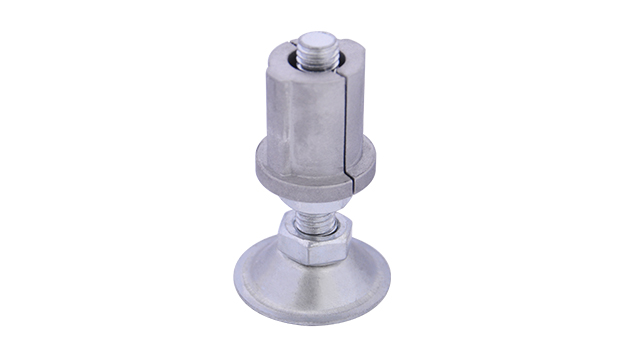
Aluminum pipe adjustable leveling feet are specialized components designed to stabilize structures built with aluminum pipes, aluminum profiles, or lean pipes. At their core, they consist of three main parts: a base (often made of rubber, plastic, or metal), a threaded stem, and a mounting bracket or insert that attaches to the aluminum pipe. The magic lies in their adjustability—by twisting the stem, you can raise or lower the height of the foot, compensating for uneven floors, warped surfaces, or slight misalignments in your structure.
Unlike fixed feet, which lock your setup into a single height, these leveling feet offer flexibility. This is especially critical in environments where precision matters, like assembly lines where conveyor belts need to align perfectly, or ESD workstations where even a slight tilt could affect sensitive electronics. The aluminum construction keeps them lightweight (a key advantage over steel alternatives) while still offering impressive durability, making them ideal for both permanent installations and temporary lean system setups.
You'll often find them paired with aluminum pipe accessories, such as T-slot brackets or pipe clamps, which allow seamless integration with standard aluminum profiles. Whether you're building a simple workbench or a complex material rack, these feet act as the "feet" of your structure—quietly ensuring everything stays level, stable, and ready for action.
How Do Aluminum Pipe Adjustable Leveling Feet Work?
Let's break down the mechanics: imagine you've just assembled a workbench using aluminum pipes and aluminum profile accessories. The floor in your workshop, however, has a slight slope—nothing drastic, but enough to make the workbench wobble when you lean on it. This is where adjustable leveling feet shine.
Most models feature a threaded stem (the long, rod-like part) that screws into a mounting bracket attached to the bottom of your aluminum pipe. The base of the foot—often a rubber or plastic pad—sits on the floor. To adjust the height, you simply twist the stem: turning it clockwise lowers the foot (shortening the stem's projection), while turning it counterclockwise raises it (lengthening the projection). Some designs include a locking nut that you tighten once the desired height is set, preventing the stem from loosening over time due to vibration or weight shifts.
Load capacity is another key factor here. The stem and base are engineered to distribute weight evenly across the floor, reducing pressure points that could damage surfaces or compromise stability. For example, a leveling foot with a 500 lbs load capacity can support that weight without bending or breaking, even when adjusted to its maximum height. This makes them suitable for heavy-duty setups, like material racks holding tools or raw materials, or conveyor systems transporting goods across the factory floor.
In short, their operation is simple but effective: twist, lock, and stabilize. No complicated tools, no permanent modifications to your aluminum pipe structure—just quick, on-the-spot adjustments to keep things level.
What Materials Are Used in Manufacturing These Leveling Feet?
The durability and performance of aluminum pipe adjustable leveling feet hinge on the materials used in their construction. Here's a breakdown of the most common components:
Aluminum Alloys:
The stem and mounting bracket are typically made from aluminum alloys like 6061 or 6063. These alloys are chosen for their winning combination of strength, lightweight, and corrosion resistance. 6061, for instance, is known for its high tensile strength and weldability, making it ideal for load-bearing parts. 6063, often called "architectural aluminum," offers excellent surface finish and formability, which is why it's common in visible components like mounting brackets that might be part of a workbench's design.
Rubber or Plastic Bases:
The base of the foot—the part that touches the floor—is usually made from rubber (natural or synthetic) or high-density plastic (like nylon). Rubber bases excel at grip, preventing the structure from sliding on smooth floors, and they also absorb vibrations, which is crucial in busy manufacturing environments where machinery creates constant movement. Plastic bases, on the other hand, are often used in cleanrooms or ESD-sensitive areas because they're non-conductive and easy to clean.
Stainless Steel Threads:
While the stem is aluminum, the threading (the spiral groove that allows adjustment) may be coated in stainless steel or made from stainless steel entirely. This adds extra durability and prevents the threads from stripping, especially when adjusting the foot under heavy loads.
Anti-Corrosion Coatings:
Many manufacturers apply anodizing or powder coating to the aluminum components. Anodizing creates a protective oxide layer on the surface, enhancing corrosion resistance—perfect for humid environments or setups near water. Powder coating adds color (often silver, black, or gray to match aluminum profiles) and an extra layer of scratch resistance.
Together, these materials ensure the leveling feet can withstand the rigors of industrial use: exposure to oils, chemicals, temperature fluctuations, and heavy weights—all while remaining lightweight and easy to handle during installation.

What Are the Key Benefits of Using Aluminum Pipe Adjustable Leveling Feet Over Other Materials?
Why choose aluminum over steel, plastic, or other materials? Let's compare:
Lightweight Yet Strong:
Aluminum is about one-third the weight of steel, making aluminum pipe adjustable leveling feet much easier to handle during installation. If you're assembling a lean pipe workbench or turnover trolley, every pound saved matters—especially when you're moving components around the workshop. Despite their lightness, aluminum alloys like 6061 have a tensile strength comparable to some steels, so you don't sacrifice durability for weight.
Corrosion Resistance:
Unlike steel, which rusts when exposed to moisture, aluminum naturally forms a protective oxide layer that resists corrosion. This makes aluminum leveling feet ideal for damp environments, like food processing plants or outdoor workshops, where steel feet would require constant maintenance (like painting or galvanizing) to prevent rust.
Aesthetic Appeal:
Aluminum has a clean, modern look that blends well with aluminum profiles and T-slot systems. Whether your setup is in a customer-facing area (like a retail display) or a back-of-house workshop, aluminum feet won't detract from the overall design—unlike plastic feet, which can look cheap, or steel feet, which often require painting to match.
Compatibility with Aluminum Profiles:
If your structure is built with aluminum pipes or aluminum extrusion profiles, using aluminum leveling feet ensures material consistency. This isn't just about looks—aluminum-on-aluminum connections are less likely to cause galvanic corrosion (a problem when dissimilar metals touch in moist environments), and they often use matching aluminum pipe accessories (like brackets or clamps) for a seamless fit.
Cost-Effective in the Long Run:
While aluminum feet may have a slightly higher upfront cost than plastic, they last longer and require less maintenance. Steel feet, meanwhile, are heavier and prone to rust, making them a poor choice for most modern, lean-oriented setups. For businesses focused on efficiency and longevity, aluminum adjustable leveling feet offer the best balance of performance and value.

What Industries or Applications Are These Leveling Feet Most Suitable For?
Aluminum pipe adjustable leveling feet are versatile workhorses, popping up in more industries than you might think. Here are some of the most common applications:
Manufacturing and Assembly Lines:
Lean systems and production lines rely on precise alignment—even a small misalignment can throw off conveyor belts, causing jams or product damage. Leveling feet ensure workbenches, flow racks, and roller tracks stay perfectly level, keeping operations running smoothly.
Electronics and ESD Workstations:
ESD (Electrostatic Discharge) workstations require stable, non-conductive setups to protect sensitive components like circuit boards. Aluminum leveling feet with rubber or plastic bases (which are non-conductive) are ideal here, as they prevent static buildup and keep the workstation grounded.
Material Handling and Storage:
Material racks, turnover trolleys, and shelving units often need to accommodate uneven floors in warehouses. Leveling feet prevent these structures from tipping, even when loaded with heavy boxes or tools. For example, a material rack B (3 row and 3 floor) setup can be adjusted to sit flat, ensuring boxes don't slide off the shelves.
Retail and Display:
In retail, aluminum profile structures are used for product displays, checkout counters, and shelving. Leveling feet allow these displays to look polished and professional, even on uneven mall or store floors. The clean, modern look of aluminum also enhances the visual appeal of the display.
Food and Beverage Processing:
Hygiene is critical here, and aluminum's corrosion resistance makes it easy to clean with harsh sanitizers. Leveling feet with non-slip rubber bases also prevent equipment (like worktables or conveyor systems) from shifting during cleaning or operation.
Automotive Workshops:
Car repair shops use aluminum pipe workbenches and tool racks that need to withstand heavy tools and constant movement. Leveling feet keep these setups stable, even when mechanics are leaning on them or rolling heavy equipment nearby.
In short, any industry that values stability, adjustability, and durability in their aluminum or lean pipe structures can benefit from these leveling feet. They're not just "parts"—they're the unsung heroes that keep operations efficient and safe.
How Do I Choose the Right Size and Load Capacity for My Needs?
Choosing the right leveling feet isn't a one-size-fits-all process. Here's what to consider:
1. Pipe Diameter:
The mounting bracket of the leveling foot must fit the diameter of your aluminum pipe. Common pipe sizes include 20mm, 30mm, and 40mm (corresponding to aluminum profile sizes like 2020, 3030, or 4040). Check the product specs to ensure the foot's bracket is compatible with your pipe—using a foot with a bracket that's too small or large will result in a loose, unstable connection.
2. Load Capacity:
This is critical. Calculate the total weight of your structure (including any tools, materials, or equipment it will hold), then divide by the number of leveling feet. For example, a workbench that weighs 200 lbs and uses 4 feet would need feet with a minimum load capacity of 50 lbs each. It's always smart to add a safety margin—aim for feet with a load capacity 20-30% higher than your calculated needs to account for unexpected weight or dynamic loads (like someone leaning on the workbench).
3. Adjustment Range:
Measure the maximum unevenness of your floor. If the floor slopes by 10mm, choose feet with an adjustment range of at least 15mm to ensure you can compensate fully. Adjustment ranges typically vary from 10mm to 50mm, depending on the model.
4. Floor Type:
For smooth floors (like concrete or tile), rubber or plastic bases offer the best grip. For rough floors (like unfinished concrete), a larger base diameter spreads weight more evenly, reducing the risk of sinking. Some feet even come with swivel bases that pivot to match uneven surfaces, though these are less common for aluminum pipe setups.
To help visualize, here's a quick reference table for common sizes and load capacities:
When in doubt, consult with your aluminum pipe supplier—they can help you match the right feet to your specific setup.
| Stem Diameter (mm) | Base Diameter (mm) | Adjustment Range (mm) | Load Capacity (lbs) | Suitable Pipe Diameter (mm) |
|---|---|---|---|---|
| 10 | 40 | 10-30 | 200-300 | 20-25 |
| 12 | 50 | 15-40 | 300-500 | 25-30 |
| 16 | 60 | 20-50 | 500-800 | 30-40 |
| 20 | 75 | 25-60 | 800-1200 | 40+ |
Are Aluminum Pipe Adjustable Leveling Feet Compatible with Different Aluminum Profiles?
Yes—but compatibility depends on the profile's design and the leveling foot's mounting system. Most aluminum profiles, whether they're T-slot (like 2020, 3030, or 4080 EU standard aluminum profiles) or round pipes, can work with adjustable leveling feet, provided you have the right aluminum profile accessories.
T-Slot Profiles:
These are the most common in industrial setups. T-slot profiles have grooves (T-slots) along their length that accept bolts, brackets, and other accessories. Many aluminum pipe adjustable leveling feet come with T-slot mounting brackets—small plates with bolts that slide into the T-slot and tighten, securing the foot to the profile. This is a flexible system: you can position the foot anywhere along the slot, not just at the end of the pipe.
Round Aluminum Pipes:
For round pipes (like basic aluminum tubes or lean pipes), leveling feet typically use a clamp-style mounting bracket. The bracket wraps around the pipe and tightens with a screw or bolt, holding the foot in place. Some brackets are adjustable, fitting multiple pipe diameters (e.g., 28mm to 32mm), while others are sized for specific diameters.
Specialty Profiles:
Custom or non-standard profiles (like corrugated aluminum pipes or double basic aluminum tubes) may require custom mounting brackets. In these cases, many aluminum profile suppliers offer made-to-order brackets that adapt standard leveling feet to fit unique profiles.
It's also worth noting that some leveling feet are designed for specific profile series. For example, a foot made for a 4040 EU standard profile may not fit a 4040 national standard profile, as the T-slot dimensions or hole spacing could differ. Always check the product specs or ask your supplier to confirm compatibility before purchasing.
In short, with the right accessories, aluminum pipe adjustable leveling feet can adapt to almost any aluminum profile—making them a versatile choice for custom setups and standard builds alike.
How Do I Install and Maintain Aluminum Pipe Adjustable Leveling Feet?
Installation is straightforward, even if you're new to aluminum pipe assembly. Here's a step-by-step guide:
Installation Steps:
1.
Prepare the Surface:
Ensure the bottom of your aluminum pipe or profile is clean and free of debris. If using a clamp-style bracket, remove any burrs from the pipe's end to prevent scratching the bracket.
2.
Attach the Mounting Bracket:
For T-slot profiles, slide the bracket's bolts into the T-slot and position the foot where you want it (usually near the corners of the structure). Tighten the bolts with a wrench until the bracket is secure. For round pipes, wrap the clamp around the pipe, align the foot, and tighten the clamp screw.
3.
Screw in the Stem:
Thread the stem into the mounting bracket until it's hand-tight. Don't fully tighten yet—you'll need to adjust the height first.
4.
Adjust the Height:
Place the structure upright. Use a level to check for wobbling. Twist the stem of each foot to raise or lower it until the structure is level. If your feet have a locking nut, tighten it against the mounting bracket once the height is set.
5.
Test Stability:
Gently push and pull the structure to ensure it doesn't wobble. If it does, readjust the feet until stable.
Maintenance Tips:
-
Clean Regularly:
Wipe the feet with a damp cloth to remove dust, oil, or debris. This prevents buildup that could affect adjustability or cause the base to slip.
-
Lubricate Threads:
Every 6 months (or more often in dusty environments), apply a small amount of silicone lubricant to the threaded stem. This makes adjustment smoother and prevents threads from seizing.
-
Check Locking Nuts:
Over time, vibration can loosen locking nuts. Periodically check and retighten them to keep the feet from shifting.
-
replace Worn Bases:
If the rubber or plastic base becomes cracked, flattened, or loses its grip, replace it. Most suppliers sell replacement bases separately, so you don't need to buy a whole new foot.
-
Inspect for Corrosion:
While aluminum resists corrosion, scratches or dents can expose the metal underneath. If you notice rust-like spots (uncommon, but possible in highly corrosive environments), clean the area and apply a small amount of aluminum-compatible paint or sealant.
With minimal maintenance, aluminum pipe adjustable leveling feet can last for years, keeping your structure stable and functional through countless projects.
Troubleshooting Common Issues with Aluminum Pipe Adjustable Leveling Feet
Even the best components can run into issues. Here's how to solve common problems with aluminum pipe adjustable leveling feet:
Issue 1: The Foot Won't Adjust (Stem Is Stuck)
-
Cause:
Threads are dirty, rusted (rare, but possible if exposed to moisture for long periods), or seized due to lack of lubrication.
-
Solution:
Spray the threads with a penetrating oil (like WD-40) and let it sit for 10-15 minutes. Gently twist the stem back and forth to loosen it. Once free, clean the threads with a wire brush and apply silicone lubricant to prevent future seizing.
Issue 2: The Structure Still Wobbles After Adjustment
-
Cause:
Uneven weight distribution, floor that's more uneven than anticipated, or feet that are too small for the load.
-
Solution:
Check that weight is evenly distributed across all feet (e.g., don't overload one corner of a workbench). If the floor is very uneven, use feet with a larger adjustment range. For heavy structures, upgrade to feet with a higher load capacity.
Issue 3: The Base Slips on the Floor
-
Cause:
Smooth floor surface, worn rubber base, or oily/dusty conditions.
-
Solution:
replace the base with a non-slip rubber pad (many suppliers sell these as accessories). If the floor is oily, clean it thoroughly and consider using feet with a textured base. For extremely smooth floors (like polished concrete), some feet come with suction-cup bases for extra grip.
Issue 4: The Mounting Bracket Loosens Over Time
-
Cause:
Vibration from machinery or frequent movement of the structure.
-
Solution:
Tighten the bracket bolts with a wrench (don't overtighten—you could strip the threads). For T-slot profiles, use lock washers or thread-locking adhesive (like Loctite) on the bolts to prevent loosening.
Issue 5: The Stem Bends Under Load
-
Cause:
Exceeding the foot's load capacity.
-
Solution:
replace the foot with a model that has a higher load capacity. Never use a bent stem—it's a safety hazard and will compromise stability.
Most issues are easily fixable with basic tools and a little know-how. If you're unsure about a problem, contact your aluminum pipe supplier—they can often provide troubleshooting advice specific to their products.
Where Can I Source High-Quality Aluminum Pipe Adjustable Leveling Feet?
Finding reliable suppliers is key to getting leveling feet that perform as expected. Here's how to choose:
Start with Aluminum Profile Suppliers:
Companies that specialize in aluminum pipes, aluminum extrusion profiles, and aluminum profile accessories are often the best bet. They understand the nuances of aluminum systems and can recommend feet that pair well with their profiles. Look for suppliers that list specific compatibility information (e.g., "fits 3030 EU standard profiles" or "works with lean pipe systems").
Check for Certifications:
Reputable suppliers will have certifications like ISO 9001 (quality management) or RoHS compliance (for environmentally friendly materials). These certifications indicate a commitment to quality and safety.
Read Customer Reviews:
Platforms like Google, Alibaba, or industry forums can give you insight into other customers' experiences. Look for reviews that mention durability, ease of installation, and customer service—these are good indicators of a supplier's reliability.
Ask for Samples:
If you're ordering in bulk, request a sample foot to test. Check the fit with your aluminum pipes, test the adjustment mechanism, and verify the load capacity (if possible). A good supplier will happily provide samples to earn your business.
Consider Lead Times and Shipping:
If you need feet quickly, look for suppliers with local warehouses or fast shipping options. International suppliers may offer lower prices, but longer lead times and import duties can add costs.
Some well-known types of suppliers to consider include lean pipe suppliers, aluminum pipe suppliers, and aluminum profile suppliers—many of these companies carry a full line of aluminum pipe accessories, including adjustable leveling feet.
In summary, prioritize suppliers with expertise in aluminum systems, clear product specs, and positive customer feedback. Your structure's stability depends on it!